
Are you unsure about how to adjust your crib mattress height safely and easily? Getting the mattress at the right level is crucial for your baby’s comfort and safety.
If it’s too high, your little one might climb out too soon; too low, and it could be hard to reach them comfortably. In this guide, you’ll discover simple steps to adjust the crib mattress height with confidence. Keep reading to make sure your baby’s crib is just right for every stage of their growth.

Reasons To Adjust Crib Mattress Height
Adjusting the crib mattress height is important for many reasons. It helps keep your baby safe and comfortable. As your baby grows, the mattress height needs to change. You also want to reach your baby easily during naps and bedtime.
Knowing why and when to adjust the mattress makes parenting easier. It helps create a safer space for your little one. Below are key reasons to adjust the crib mattress height.
Safety Concerns
A higher mattress can be dangerous when your baby starts to sit or stand. Babies can climb out and fall. Lowering the mattress keeps your baby inside the crib. It reduces the risk of injuries and accidents. Safety is the top reason to adjust the mattress height.
Baby’s Growth Stages
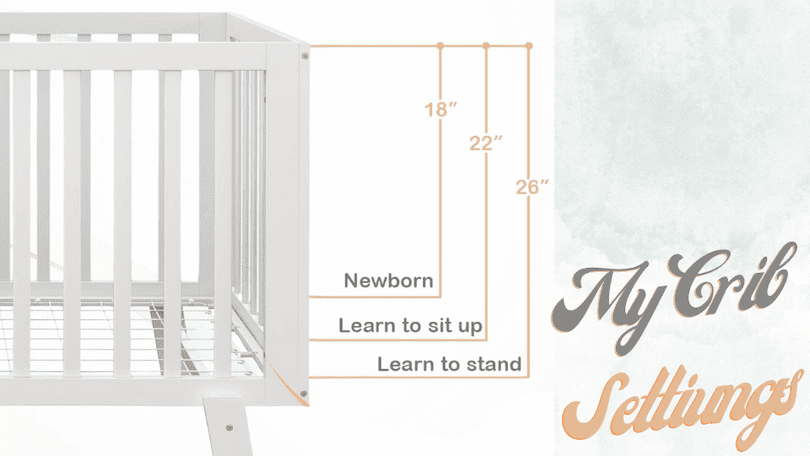
Newborns need a higher mattress for easy reach and support. As babies grow and become more active, the mattress should be lower. This change matches their abilities and keeps them safe. Adjusting height fits each stage of your baby’s growth.
Ease Of Access
Parents need to pick up and lay down babies without strain. A higher mattress makes this easier for newborns. As babies grow, a lower mattress helps parents avoid bending too much. Changing height makes care more comfortable for parents.
Tools Needed For Adjustment
Adjusting the crib mattress height is a simple task. Having the right tools makes the job easier and safer. Some tools are common and found in most homes. Others might come with the crib. Knowing what you need helps avoid frustration.
Common Household Tools
You often need a screwdriver to adjust the mattress height. Most cribs use either a flathead or a Phillips screwdriver. A small wrench or an Allen key might be necessary too. These tools help loosen or tighten screws and bolts.
A flashlight can be useful to see inside dark corners of the crib. A step stool helps reach higher parts safely. Keep tools close by and organized to work efficiently.
Checking The Crib Manual
The crib manual lists all tools needed for adjustments. It shows the right size of screwdrivers or wrenches. Manuals provide step-by-step instructions for safe height changes.
Some cribs come with special tools. These fit the crib’s hardware perfectly. Follow the manual closely to avoid damage and keep your baby safe.
Step-by-step Mattress Height Adjustment
Adjusting the crib mattress height is important for your baby’s safety and comfort. As your baby grows, you need to change the mattress level. This step-by-step guide helps you do it right and easy.
Removing The Mattress
First, take out all bedding from the crib. Lift the mattress carefully and pull it out. Place it on a clean, flat surface. This makes the next steps easier and safer.
Locating The Height Settings
Look inside the crib frame for the mattress support. You will see metal brackets or slots on the sides. These hold the mattress at different heights. Check your crib manual if unsure where they are.
Raising Or Lowering The Mattress
Choose the right height for your baby’s current age. Slide the mattress support up or down to the new position. Make sure both sides are even. This keeps the mattress level and stable.
Securing The Mattress In Place
Lock the mattress support into the slots or brackets firmly. Press or screw any safety locks if your crib has them. Double-check the mattress does not move. Safety first.
Tips For Safe Mattress Placement
Placing the crib mattress at the right height is key for your baby’s safety. Adjust the mattress height as your baby grows and changes how they move. Follow these simple tips to keep the mattress secure and safe.
Recommended Height For Newborns
Set the mattress at the highest level for newborns. This makes it easier to reach your baby. It also helps avoid bending too much. The mattress should fit snugly inside the crib frame. Make sure there is no space between the mattress and crib sides.
Adjusting As Baby Starts To Sit Or Stand
Lower the mattress as your baby begins to sit up. Sitting up means your baby can reach higher. Lowering the mattress prevents falls. When your baby can stand, move the mattress to the lowest position. This stops your baby from climbing out of the crib.
Avoiding Gaps And Loose Fitting
Check the mattress fits tightly in the crib. No gaps should exist between the mattress and crib walls. Gaps can trap your baby’s head or limbs. Use a firm mattress that keeps its shape. Avoid soft or saggy mattresses that create spaces. Always test the mattress fit before placing your baby inside.
Common Mistakes To Avoid
Adjusting the crib mattress height is important for your baby’s safety and comfort. Many parents make common mistakes that can cause problems. Avoiding these errors helps keep the crib secure and your baby safe.
Ignoring Manufacturer Guidelines
Every crib has specific instructions for mattress height. Ignoring these rules can make the crib unsafe. The mattress might be too high, increasing fall risk. Always read and follow the manual carefully. This helps ensure the mattress fits properly and stays stable.
Using Incorrect Tools
Using the wrong tools can damage the crib or make the mattress unstable. Avoid using tools that do not fit screws or bolts. This can strip the hardware or cause poor assembly. Use the tools recommended by the manufacturer. Proper tools make the adjustment easier and safer.
Forgetting To Double-check Stability
After adjusting the mattress, always check if it is stable. Push the mattress gently to see if it moves. A loose mattress can be dangerous for your baby. Tighten screws and bolts again if needed. Double-checking gives you peace of mind and keeps your baby safe.
When To Lower Mattress Height
Lowering the crib mattress height is an important step in keeping your baby safe. As your baby grows, they gain new skills like sitting up and standing. These changes mean the mattress should be adjusted to prevent accidents. Knowing when to lower the mattress helps protect your child from falls and injuries.
Signs Baby Is Ready
Watch for your baby trying to sit up without help. This shows better balance and strength. If your baby can pull up to stand, it is time to lower the mattress. Also, if your baby starts leaning over the crib rails, the mattress must go down. These signs mean your baby can move more and may climb out.
Preventing Falls And Injuries
Lowering the mattress keeps your baby safe from falling out. A high mattress is fine for newborns but risky for older babies. When the mattress is low, it is harder for babies to climb or fall over the rail. This simple step reduces injuries and gives parents peace of mind. Always check the mattress height as your baby grows.
Alternative Safety Measures
Adjusting the crib mattress height is important for your baby’s safety. Sometimes, changing the mattress height is not enough. Alternative safety measures can help keep your baby safe and comfortable. These options work well alongside proper mattress height settings. Always focus on safe sleep practices for your little one.
Using Sleep Positioners
Sleep positioners help keep babies in one place. They stop babies from rolling over too soon. Use only those approved by safety experts. Avoid soft or loose positioners that can cause suffocation. Place positioners carefully to keep your baby comfortable. Always watch your baby while using any positioner.
Adding Soft Bedding Safely
Soft bedding can make the crib cozy. Choose firm and flat mattresses to prevent risks. Use fitted sheets that fit tightly around the mattress. Avoid pillows, blankets, and stuffed toys inside the crib. These items can block breathing and cause accidents. Keep the crib area clear for safe sleeping.

Frequently Asked Questions
How Do I Change My Crib Mattress Height Safely?
To change crib mattress height, first remove bedding. Locate the mattress support brackets inside the crib. Adjust them to the desired height, ensuring they lock securely. Always follow the manufacturer’s instructions for safety.
When Should I Lower The Crib Mattress Height?
Lower the mattress height when your baby can sit or pull up. This prevents falls and accidents. Typically, this happens around 4 to 6 months of age.
Can All Cribs Have Adjustable Mattress Heights?
Most modern cribs offer adjustable mattress heights. However, check your crib’s manual to confirm. Some older or budget models may have fixed mattress positions.
Is It Safe To Lower The Crib Mattress For Newborns?
No, keep the mattress at the highest level for newborns. It makes placing and lifting the baby easier while ensuring safety.
Conclusion
Adjusting your crib mattress height keeps your baby safe and comfortable. Always check the mattress level as your baby grows. Use the right tools and follow the crib’s instructions carefully. Lower the mattress when your baby can sit or stand.
This simple step helps prevent falls and injuries. Regularly inspect the crib for stability and secure the mattress firmly. Safe sleep starts with proper mattress height. Keep your baby’s space secure and cozy. Simple adjustments make a big difference in your baby’s safety.