Are you wondering if you can safely sterilize your baby’s feeding accessories using a bottle sterilizer? Keeping your little one’s bottles, nipples, and other feeding tools clean is crucial for their health.
But with so many options out there, it’s easy to feel unsure about the best way to do it. This article will clear up the confusion and help you understand exactly how a bottle sterilizer works, what items you can use it for, and why it might be the easiest and safest choice for you and your baby.
Keep reading to discover simple tips that can make feeding time worry-free and hygienic.
Why Sterilize Baby Feeding Accessories
Keeping baby feeding accessories clean is very important. Babies have weak immune systems. Germs on bottles, nipples, and other feeding tools can cause illness. Sterilizing removes harmful bacteria and viruses. This helps protect your baby’s health.
Sterilizing also keeps feeding accessories in good condition. It ensures safe feeding every time. Understanding why to sterilize helps you care better for your baby.
Risks Of Unsterilized Accessories
Unsterilized accessories can carry dangerous germs. These include bacteria, viruses, and fungi. Babies can get stomach infections from these germs. Diarrhea, vomiting, and fever are common problems. Some infections can be serious and need medical care.
Unclean bottles may also cause allergies or skin rashes. Germs can build up quickly if not cleaned properly. Using unsterilized items increases the chance of illness. This risk is higher in newborns and premature babies.
Benefits Of Sterilization
Sterilization kills almost all germs on feeding accessories. This makes feeding safer for babies. It reduces the chance of infections and illnesses. Sterilized bottles and nipples are clean and fresh.
Sterilizing also helps parents feel confident about feeding time. It saves time by reducing the need for deep cleaning. Using a bottle sterilizer is easy and effective. It keeps baby feeding tools safe every day.
Types Of Baby Feeding Accessories
Baby feeding accessories come in different shapes and sizes. Each one plays a key role in feeding and soothing your baby. Knowing the types helps you clean and sterilize them properly. Bottle sterilizers work well with many of these items. Understanding each type ensures safe use and care.
Bottles And Nipples
Bottles hold the milk or formula for your baby. Nipples attach to bottles and control milk flow. Both need regular cleaning and sterilizing. Bottle sterilizers kill germs that cause infections. Most bottles and nipples are safe to sterilize this way. Check the material to avoid damage.
Breast Pump Parts
Breast pumps have many parts like flanges, valves, and containers. These parts touch breast milk directly. Cleaning and sterilizing them is important to keep milk safe. Many parts fit inside bottle sterilizers. Some pieces may need special care. Follow the pump maker’s guidelines for cleaning.
Pacifiers And Teethers
Pacifiers soothe babies and help with calming. Teethers relieve sore gums during teething. Both go into babies’ mouths often. Regular sterilizing kills harmful bacteria and viruses. Most pacifiers and teethers can go into bottle sterilizers. Make sure they are made from safe materials.
How Bottle Sterilizers Work
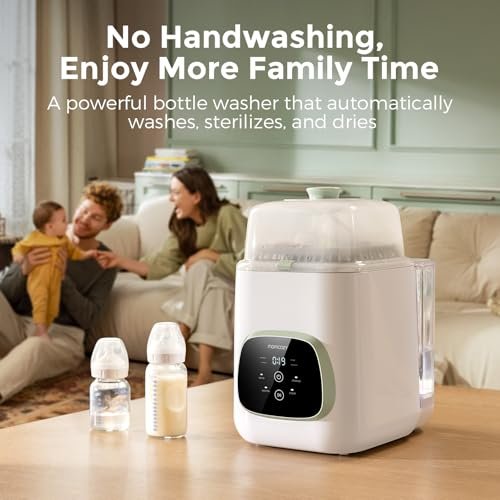
Bottle sterilizers use heat and steam to kill germs on baby feeding items. They create a clean space to make bottles and nipples safe. This process helps protect babies from harmful bacteria and viruses. Understanding how these devices work can help you choose the right one for your needs.
Steam Sterilization
Steam sterilization uses hot steam to clean feeding accessories. The steam reaches high temperatures that kill bacteria quickly. It moves through the bottle sterilizer, touching every surface. This method does not require chemicals, making it safe for babies. Steam also dries the items, leaving no wet spots where germs can grow.
Electric Vs Microwave Sterilizers
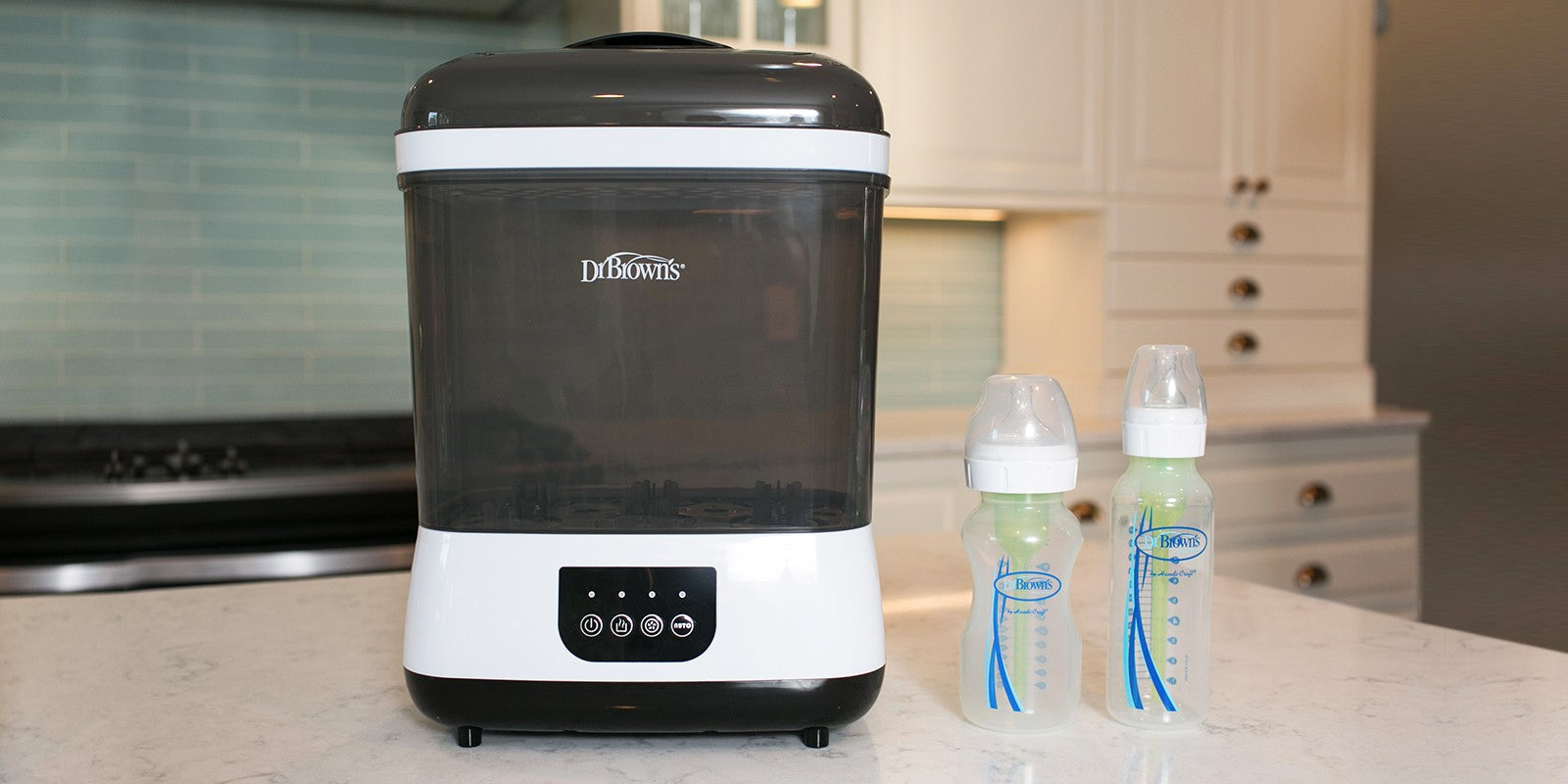
Electric sterilizers plug into a power source and run automatically. They offer consistent heat and can sterilize many items at once. Electric models often have timers and automatic shut-off features for safety.
Microwave sterilizers use steam generated by microwave heat. They are smaller and usually less expensive. These sterilizers work fast but need a microwave oven to operate. Both types effectively clean bottles but differ in size, speed, and convenience.
Sterilizing Different Accessories In A Bottle Sterilizer
Sterilizing different baby feeding accessories in a bottle sterilizer helps keep your baby safe. This process kills germs and bacteria that can cause illness. Not all items are safe to sterilize this way. Knowing which accessories work best is important for effective sterilization.
Understanding what you can put inside the sterilizer helps you avoid damage. It also ensures the sterilizer works properly every time. Let’s explore which items fit well and which should be kept out.
Suitable Items
Bottle sterilizers are perfect for many feeding accessories. Plastic baby bottles, nipples, and lids fit well. Silicone teething toys and pacifiers made for sterilizing also work. Breast pump parts that are BPA-free often can be sterilized too. These items handle heat and steam without warping or melting.
Check the manufacturer’s instructions for each item. Many brands clearly say if their parts are safe for steam sterilizers. Using the right accessories keeps your sterilizer in good shape and your baby healthy.
Items To Avoid
Some accessories do not belong in a bottle sterilizer. Hard plastic items not labeled as safe can melt or deform. Wooden toys or parts should never go inside. Metal items may rust or damage the sterilizer. Electrical parts and accessories with batteries also must be kept out.
Cloth items and sponges do not sterilize well in this device. They can trap moisture and germs. Always double-check labels and avoid guessing. Protect your sterilizer and baby’s health by skipping these items.
Step-by-step Sterilization Process
Sterilizing baby feeding accessories in a bottle sterilizer is simple and effective. Following a clear process ensures the items are safe for your baby. The steps below guide you through the sterilization process clearly and safely.
Preparation
Start by washing your hands well with soap and water. Rinse all baby bottles, nipples, and accessories with warm soapy water. Use a brush to clean hard-to-reach areas. Rinse thoroughly to remove soap. Check the sterilizer instructions for any special preparation.
Loading The Sterilizer
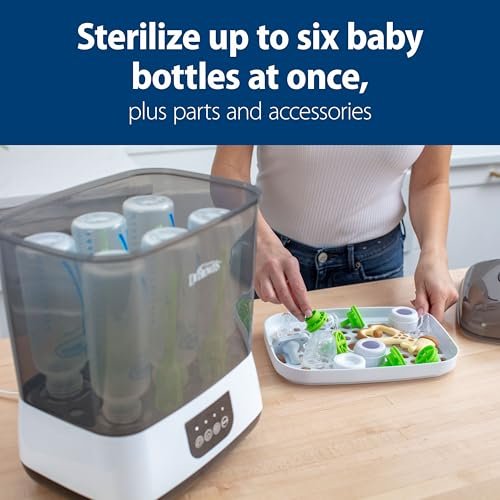
Place the cleaned items in the sterilizer. Arrange bottles upside down to allow steam inside. Do not overcrowd to ensure all parts get sterilized. Keep small parts like nipples in the designated basket or tray. Close the sterilizer lid securely before starting.
Running The Cycle
Turn on the sterilizer and select the recommended cycle time. The device uses steam to kill germs and bacteria. Avoid opening the sterilizer during the cycle. Wait until the cycle finishes completely before removing items. This step ensures proper sterilization.
Drying And Storage
Let the accessories dry inside the sterilizer or on a clean surface. Avoid touching inside parts with your hands to keep them clean. Store sterilized items in a clean, dry container. Use the sterilized items within 24 hours for best safety.

Safety Tips And Maintenance
Keeping baby feeding accessories safe and clean is very important. Proper safety tips and regular maintenance help protect your baby’s health. Also, they keep the sterilizer working well for a long time.
Cleaning The Sterilizer
Clean the sterilizer after each use. Remove any water left inside to stop germs from growing. Wipe the inside with a soft cloth and mild soap. Do not use harsh chemicals or abrasive pads. Let the sterilizer dry completely before storing it.
Regular cleaning stops mold and mineral build-up. This keeps the sterilizer working properly and safe for baby items.
Avoiding Damage To Accessories
Check feeding accessories for cracks or damage before sterilizing. Broken items can harm your baby or cause leaks. Use only parts that the sterilizer can handle safely. Avoid putting metal objects inside. Follow the manufacturer’s instructions for each accessory.
Handle accessories gently to keep them in good shape. Proper care helps them last longer and stay safe for your baby’s use.
Alternatives To Bottle Sterilizers
Sterilizing baby feeding accessories is essential for your baby’s health. Bottle sterilizers are popular, but other effective methods exist. These alternatives can fit different needs and budgets. They help keep bottles, nipples, and accessories clean and safe.
Boiling Method
Boiling is a simple and cost-free way to sterilize. Place feeding items in boiling water for 5 to 10 minutes. This kills most germs and bacteria. Make sure to use clean tongs to remove items. Let them air dry on a clean towel.
Chemical Sterilization
Chemical sterilizers use special tablets or liquids. These products kill germs without heat. Soak baby items in the solution for the time recommended. Rinse with boiled water before use. This method is gentle on plastic parts and easy to use.
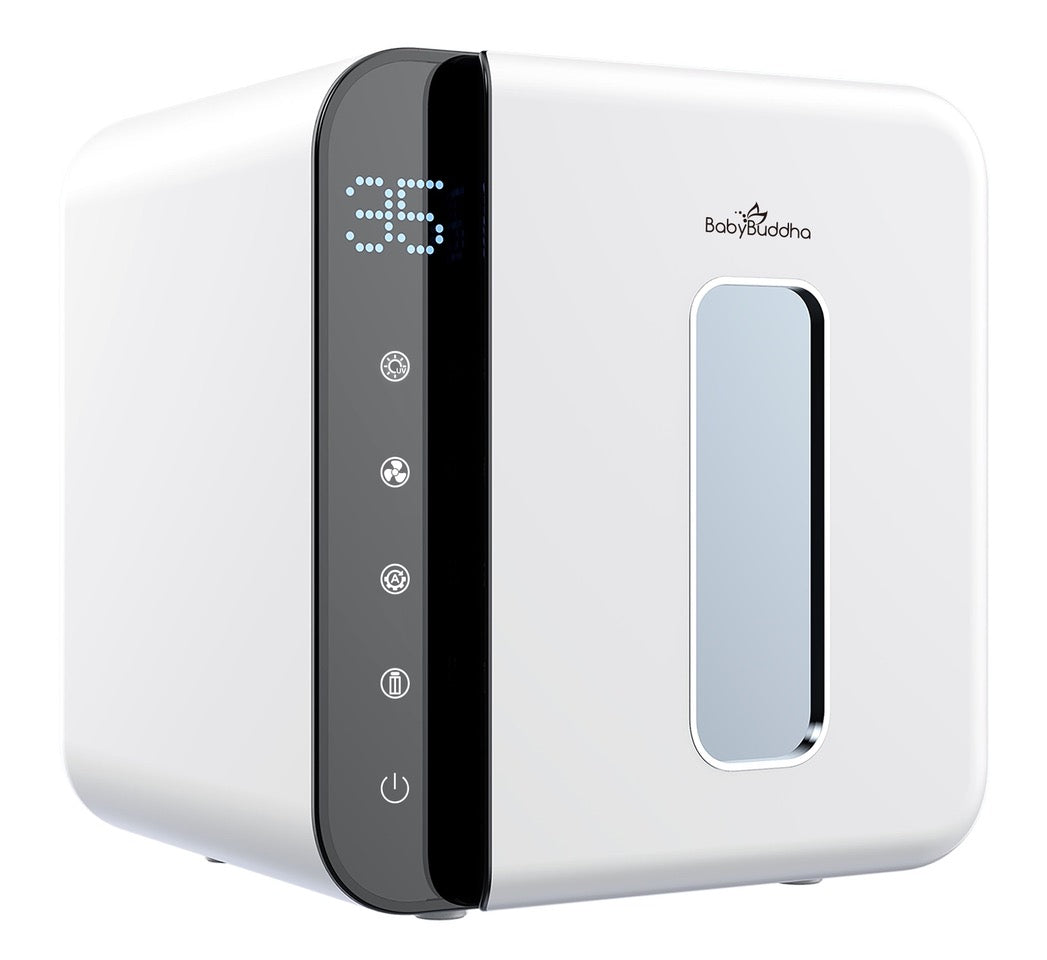
Uv Sterilizers
UV sterilizers use ultraviolet light to kill bacteria. They are fast and do not need water or heat. Place feeding accessories inside the device. Turn it on, and the UV light cleans in minutes. This method is convenient for travel and quick cleaning.
Frequently Asked Questions
Can I Sterilize All Baby Feeding Accessories Together?
Yes, most bottle sterilizers are designed to handle bottles, nipples, and small accessories together. However, check the sterilizer’s manual for size limits and safe materials before use.
Is Bottle Sterilizer Safe For Pacifiers And Teething Toys?
Bottle sterilizers can safely sterilize pacifiers and some teething toys made from heat-resistant materials. Always confirm the item’s compatibility with steam sterilization to avoid damage.
How Often Should I Sterilize Baby Feeding Items?
Sterilize baby feeding accessories before first use and regularly during illness. Daily sterilization is recommended for newborns to maintain hygiene and prevent infections.
Can I Sterilize Plastic And Silicone Accessories In A Bottle Sterilizer?
Yes, most bottle sterilizers are suitable for sterilizing plastic and silicone feeding accessories. Ensure the items are labeled heat-resistant and safe for steam sterilization.
Conclusion
Sterilizing baby feeding accessories in a bottle sterilizer is safe and effective. It removes harmful germs that can make babies sick. Always check if the accessories fit and are safe for your sterilizer. Clean items well before sterilizing for best results.
Regular sterilization helps keep feeding time healthy and stress-free. Trust your sterilizer to protect your baby’s health every day.