Are crib bumpers really necessary for your baby’s safety and comfort? If you’re a parent or caregiver, you’ve probably wondered whether they protect your little one or pose hidden risks.
You want the best for your baby, but with so much conflicting advice, it’s hard to know what to trust. Keep reading to discover the truth about crib bumpers, so you can make the smartest choice for your child’s nursery.
Your peace of mind—and your baby’s safety—depends on it.

Crib Bumpers Basics
Crib bumpers are a common accessory for baby cribs. Many parents consider them for extra protection. Understanding the basics helps in making safe choices for your baby’s sleep space.
This section explains what crib bumpers are and the types you can find. Clear knowledge supports better decisions for your little one’s comfort and safety.
What Are Crib Bumpers
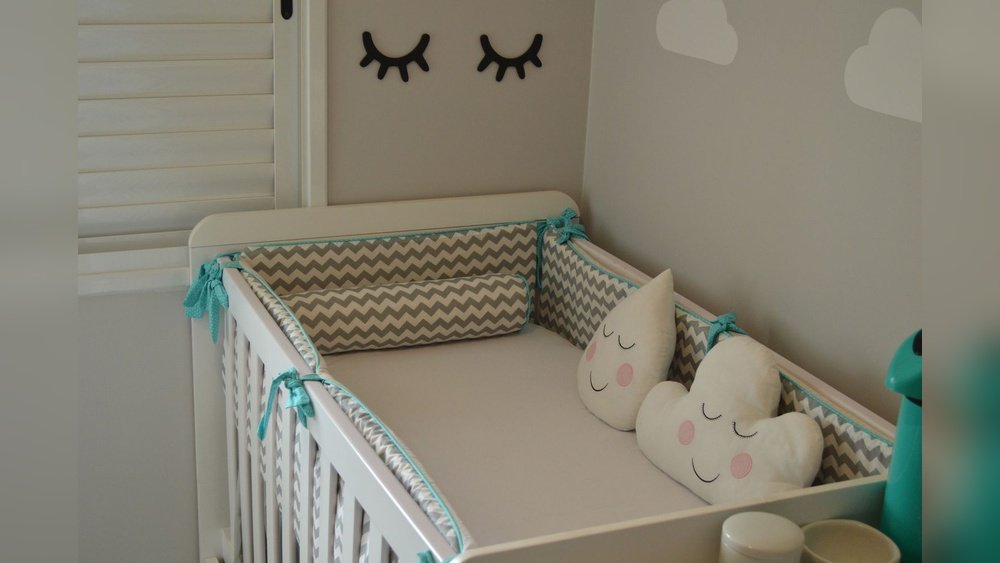
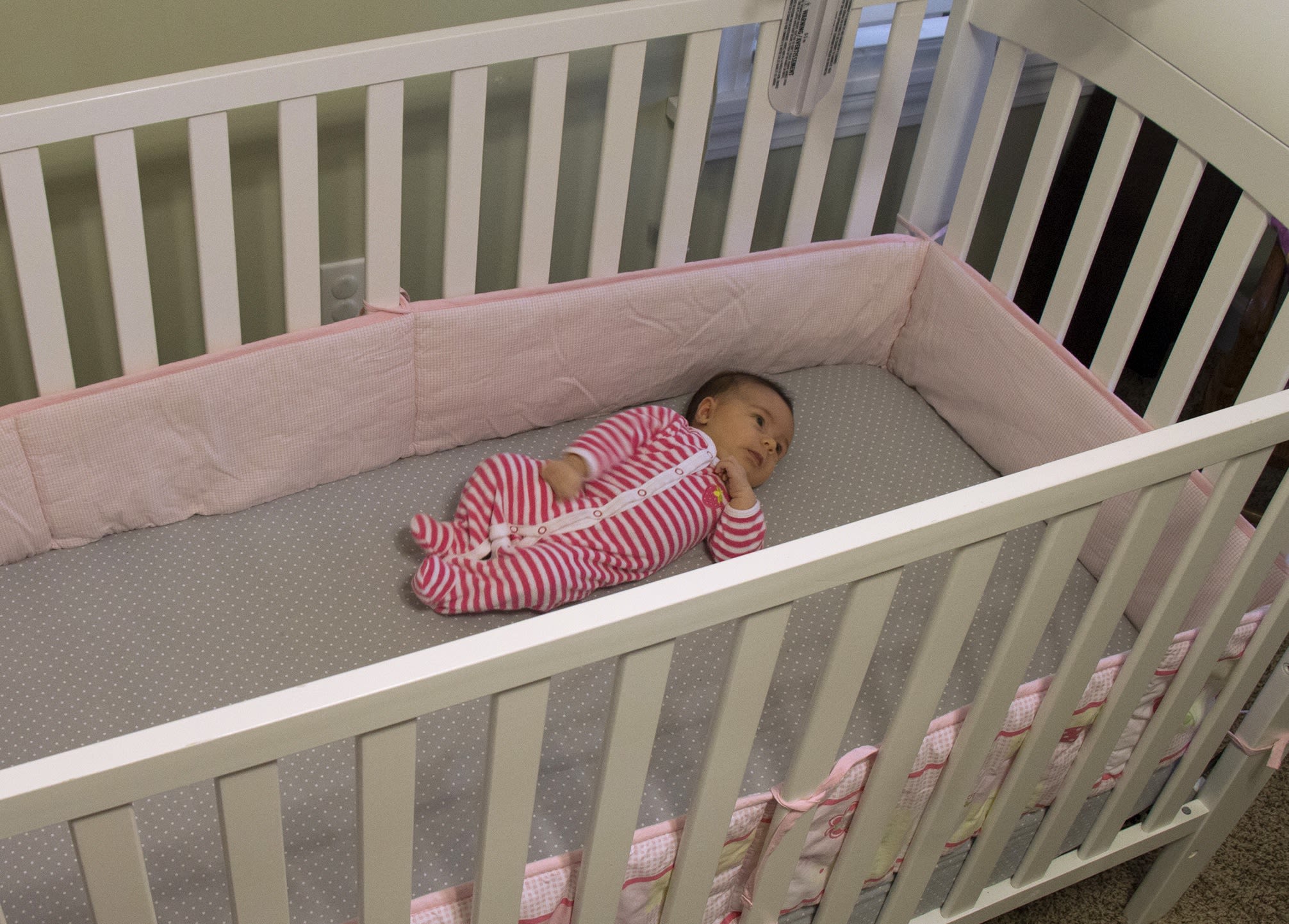
Crib bumpers are padded liners placed inside the crib. They cover the crib’s hard sides to soften the edges. Parents use them to prevent babies from bumping their heads. Some believe bumpers stop arms or legs from getting stuck between crib slats.
These bumpers wrap around the crib’s interior and tie to the bars. They come in different sizes and thickness. Safety concerns exist because bumpers can cause suffocation or overheating. It is important to know these risks before use.
Different Types Available
Crib bumpers come in several styles. Traditional padded bumpers are thick and soft. Mesh bumpers are breathable, reducing suffocation risks. Fabric bumpers vary in material and design, offering different softness and protection levels.
Some bumpers are designed with safety features like breathable mesh. Others focus on decoration with cute patterns and colors. Choosing the right type depends on safety, comfort, and personal preference.
Safety Risks Linked To Crib Bumpers
Crib bumpers are soft pads placed inside a crib to protect babies from hitting the sides. Many parents use them to keep babies safe. Yet, these bumpers can cause serious safety risks. Understanding these dangers helps parents make better choices.
Experts warn about the risks linked to crib bumpers. These risks include suffocation, strangulation, and a higher chance of sudden infant death syndrome (SIDS). It is important to know these risks before using crib bumpers.
Suffocation And Strangulation Hazards
Crib bumpers can block a baby’s nose and mouth. This can stop the baby from breathing properly. Babies cannot move away if they get stuck against the bumper. Loose or soft bumpers may wrap around a baby’s neck. This creates a strangulation risk. These hazards make bumpers unsafe for young babies.
Impact On Sids Risk
Sudden Infant Death Syndrome is a leading cause of death for babies. Studies show crib bumpers increase the risk of SIDS. Bumpers can trap heat and reduce airflow. Overheating and poor air circulation raise SIDS chances. Safe sleep experts recommend keeping cribs bare to lower this risk.
Other Potential Dangers
Bumpers can become loose and create gaps in the crib. Babies can get limbs stuck in these gaps, causing injury. Some bumpers may contain harmful chemicals or dyes. These substances can irritate a baby’s skin or lungs. Toys and pillows in the crib also raise danger, but bumpers add extra risks.
Regulations And Recommendations
Crib bumpers have sparked many safety concerns over the years. Various health organizations and governments have created rules to protect babies. These rules help parents decide if crib bumpers are safe to use.
Guidelines From Health Authorities
Health authorities, like the American Academy of Pediatrics, advise against crib bumpers. They warn bumpers can cause suffocation or strangulation. Experts suggest keeping the crib free of soft items. The safest crib includes only a firm mattress and a fitted sheet. These rules aim to reduce risks and keep babies safe during sleep.
Bans And Restrictions Worldwide
Several countries have banned or restricted crib bumpers. In Canada, selling crib bumpers is illegal. The European Union also limits the use of soft bedding in cribs. Some U.S. states have laws against using crib bumpers. These actions show how serious the safety concerns are. Parents must know local rules before buying crib bumpers.

Alternatives To Crib Bumpers
Choosing alternatives to crib bumpers can improve baby safety. Many parents want to protect their babies from bumps without risk. There are safe and effective options that keep the crib secure.
These alternatives reduce suffocation and injury risks while keeping the crib cozy. Here are some practical ideas for a safer sleep space.
Breathable Mesh Liners
Breathable mesh liners allow air to flow through easily. They reduce the risk of suffocation compared to thick bumpers. These liners act as a soft barrier without blocking airflow. Parents can feel safer knowing their baby can breathe freely.
Mesh liners also help prevent limbs from getting stuck between crib slats. They come in lightweight and washable materials. Always choose liners that meet safety standards for cribs.
Using Proper Sleepwear
Proper sleepwear keeps babies warm without extra bedding. Avoid blankets or pillows inside the crib. Sleep sacks or wearable blankets provide comfort and safety. These clothes reduce the need for bumpers or extra padding.
Choose sleepwear made from soft, breathable fabrics. Ensure a good fit to avoid covering the baby’s face. This practice supports a safe and cozy sleep environment.
Safe Sleep Environment Tips
Keep the crib free of toys, pillows, and loose bedding. A firm mattress with a fitted sheet is best. Place the baby on their back to sleep. Maintain a comfortable room temperature to avoid overheating.
Regularly check the crib for gaps or broken parts. Secure all hardware tightly to prevent hazards. These small steps help create a safer space without crib bumpers.
Parental Experiences And Expert Opinions
Many parents share mixed feelings about crib bumpers. Some see them as a way to protect their babies from bumps and bruises. Others worry about safety risks. Experts also have clear opinions based on research and child safety guidelines.
This section explores real parental concerns and advice from pediatricians. Understanding both sides helps parents make informed choices.
Common Concerns From Parents
Parents often worry about their baby’s comfort in the crib. They want to avoid bruises from hard crib sides. Some believe bumpers keep babies from getting their arms or legs stuck between crib slats. Others feel bumpers create a cozy space, making the crib feel safer.
On the other hand, some parents fear bumpers may cause suffocation or overheating. They worry bumpers block airflow or trap babies in unsafe positions. Many parents find it hard to decide what is best for their child’s safety and comfort.
Advice From Pediatricians
Pediatricians recommend avoiding crib bumpers for newborns and infants. Studies link bumpers to risks like suffocation and Sudden Infant Death Syndrome (SIDS). Doctors suggest using a firm mattress and tight-fitting sheets instead.
Experts advise keeping the crib clear of pillows, toys, and loose bedding. This reduces the risk of accidents. Pediatricians emphasize safe sleep practices, like placing babies on their backs to sleep.
Health professionals encourage parents to focus on simple safety measures. These include proper crib setup and monitoring the baby closely. Following these tips helps create a safer sleep environment for infants.
Making The Right Choice
Choosing the right items for your baby’s crib is important. Safety and comfort must come first. Parents often wonder if crib bumpers are necessary or safe. This section helps you decide by looking at risks and benefits. It also offers tips to make the crib safe and cozy without extra risks.
Assessing Risks And Benefits
Crib bumpers may seem soft and protective. They can prevent babies from bumping their heads or arms. Some parents use them for decoration or to stop fingers from getting caught. But bumpers can block airflow. This increases the risk of suffocation or overheating. Babies can also climb or get tangled in bumpers. Many safety groups advise against using them. The risks might outweigh the benefits in many cases.
How To Create A Safe Crib Setup
Keep the crib simple and clear. Use a firm mattress with a fitted sheet. Avoid pillows, blankets, and stuffed toys inside the crib. Dress your baby in appropriate sleepwear to keep warm. Lower the crib mattress as your baby grows. Make sure the crib slats are close together. This keeps the baby from slipping through. A safe crib protects your baby without extra items like bumpers. Always check for recalls and follow safety guidelines.
Frequently Asked Questions
Are Crib Bumpers Safe For Newborns?
Crib bumpers pose suffocation and strangulation risks to newborns. Experts recommend avoiding them to ensure a safe sleep environment for babies.
What Are The Alternatives To Crib Bumpers?
Use breathable mesh liners, sleep sacks, or properly fitted crib sheets. These options provide safety without restricting airflow or posing hazards.
Do Crib Bumpers Prevent Baby Limb Injuries?
Crib bumpers can reduce bruises but increase suffocation risk. Supervised tummy time and safe sleep practices are better for injury prevention.
Are Crib Bumpers Necessary For Baby Comfort?
Babies do not need crib bumpers for comfort. A firm mattress and fitted sheet provide adequate support and safety for restful sleep.
Conclusion
Crib bumpers may seem like a good idea for baby’s safety. Yet, many experts warn about risks they bring. Babies need a safe crib, free from soft items. Parents should choose options that keep babies comfortable and secure. Always follow safety guidelines for a peaceful sleep.
Trust your instincts and prioritize your baby’s well-being. Safety matters most in every nursery decision.