Choosing the right size baby crib can feel overwhelming. You want a cozy, safe space for your little one, but you also need to think about your room size and future needs.
What size baby crib do you really need? This question matters more than you might think. Picking the perfect crib size can save you space, money, and stress. Keep reading, and you’ll discover simple tips to find the ideal crib that fits your baby—and your home—perfectly.
Standard Crib Sizes
Choosing the right crib size is important for your baby’s comfort and safety. Standard crib sizes offer options that fit most rooms and mattresses. Understanding these sizes helps you pick the best crib for your space and needs.
Dimensions Of Full-size Cribs
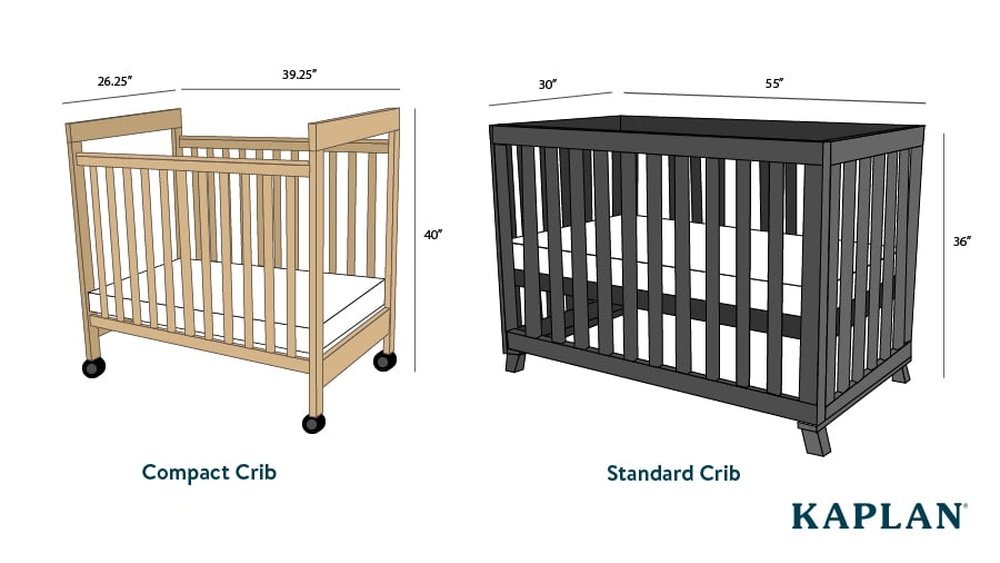
Full-size cribs are the most common choice for parents. They usually measure about 52 inches long and 28 inches wide. This size fits standard crib mattresses perfectly. Full-size cribs provide enough room for your baby to move and grow. They also last longer before your child outgrows them.
Mini Cribs And Their Uses
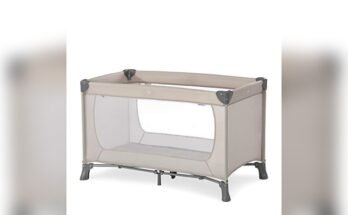
Mini cribs are smaller, often about 38 inches long and 24 inches wide. These cribs work well in small rooms or apartments. They are easy to move and store. Mini cribs are great for travel or as a second crib in a different room. They still meet safety standards but take up less space.
Convertible Cribs: Size Variations
Convertible cribs change shape as your baby grows. They can turn into toddler beds or daybeds. Sizes vary but usually start close to full-size dimensions. These cribs offer long-term use and save money. Make sure to check the size options before buying one.
Room Space Considerations
Choosing the right size baby crib is not just about the crib itself. The space in your nursery plays a big role. You want your baby’s room to feel open and safe. Room space affects comfort and movement for both baby and parents. Planning carefully helps you pick a crib that fits well without crowding the room.
Measuring Your Nursery
Start by measuring your nursery’s length and width. Write down the exact numbers. Measure doors and windows too. This helps find the best spot for the crib. Don’t forget to check for heaters or vents. These can affect where the crib should go. Accurate measurements prevent buying a crib that is too big or small.
Allowing Space For Movement
Leave enough space around the crib for walking. At least two feet of space is good. This space lets you move freely while holding your baby. It also gives room for other furniture like a changing table or chair. Avoid tight spaces that feel cramped. A roomy nursery feels calm and safe for your baby.
Placement Tips For Cribs
Place the crib away from windows and cords. This keeps your baby safe from drafts and hazards. Avoid direct sunlight to keep the crib cool. Put the crib against a solid wall for support. Make sure you can reach the baby easily from both sides. Proper placement keeps the nursery functional and secure.
Safety And Comfort Factors
Safety and comfort matter most when choosing a baby crib size. The right crib helps your baby sleep well and stay safe. Parents should think about mattress size, air flow, and space inside the crib. These factors protect your baby and make the crib cozy.
Choosing The Right Mattress Size
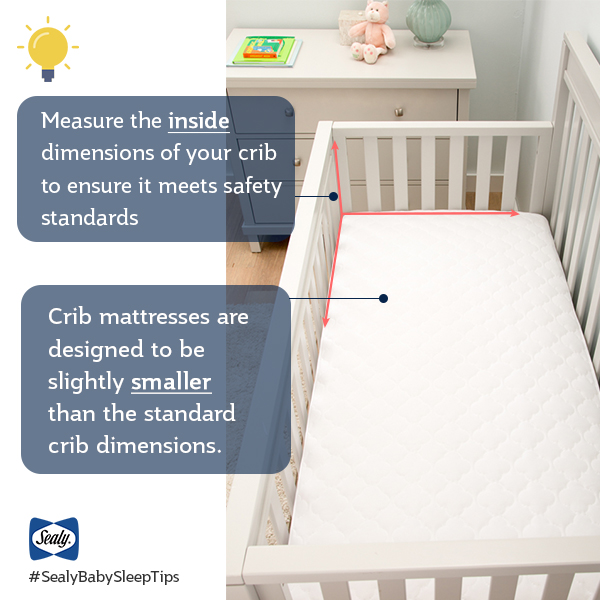
The mattress must fit the crib tightly. Gaps can trap the baby’s head or limbs. Use a mattress made for your crib’s exact size. Avoid thicker mattresses that raise the baby too high. A firm mattress supports safe sleep and comfort.
Ensuring Proper Ventilation
Good air flow keeps the baby cool and reduces overheating risks. The crib should have slats spaced no wider than 2 3/8 inches. This spacing lets air flow but keeps the baby safe. Avoid crib bumpers that block air and increase suffocation risks.
Avoiding Overcrowding In The Crib
Keep toys, pillows, and blankets out of the crib. These items can cause suffocation or overheating. The baby needs space to move freely. A less crowded crib lowers the risk of injury and helps the baby sleep better.
Growth And Longevity
Choosing the right crib size affects your baby’s comfort and your budget. Babies grow fast. A crib that fits only newborns may not last long. Considering growth and longevity helps you pick a crib that serves your child for years. This saves money and effort. It also gives your baby a safe space to sleep through different stages.
Cribs That Grow With Your Baby
Convertible cribs change size as your baby grows. They start as a standard crib. Later, they convert into toddler beds or daybeds. Some even become full-size beds for older kids. This type of crib offers long-term use. It adapts to your child’s changing needs. Convertible cribs reduce the need to buy new beds. They also keep your child in a familiar sleeping space.
When To Transition To A Toddler Bed
Most children move to a toddler bed between 18 months and 3 years. Look for signs like climbing out of the crib. Your child may also feel cramped or restless. A toddler bed uses a smaller mattress than a twin bed. It suits your growing child while keeping safety in mind. Transitioning at the right time prevents accidents. It helps your child sleep comfortably and confidently.
Special Considerations
Choosing the right baby crib size involves more than just fitting the nursery. Special needs, space limits, and budget can change what crib size works best for you. Think about your daily life and your home before picking a crib.
Travel And Portable Crib Sizes
Small, lightweight cribs suit families on the go. These cribs fold easily and fit in cars or airplanes. They offer safe sleep without taking much space. Ideal for visits or quick trips.
Custom Cribs For Unique Spaces
Odd-shaped rooms need special crib designs. Custom cribs fit corners or narrow spots perfectly. They use space well and make the room look neat. A great choice for small apartments or unusual layouts.
Budget-friendly Size Options
Standard cribs often cost less and come in many stores. Look for cribs that grow with your child to save money. Convertible cribs change from baby to toddler beds. Smart spending can give your child a safe, comfy bed without extra cost.
Frequently Asked Questions
What Are The Standard Baby Crib Sizes?
Standard baby cribs typically measure 28 inches wide by 52 inches long. These dimensions fit most crib mattresses and nursery spaces. Choosing a standard size ensures safety and compatibility with bedding and accessories.
How To Choose The Right Crib Size For Nursery?
Measure your nursery space carefully before buying a crib. Leave enough room for movement and other furniture. Consider future needs like adding a changing table or storage nearby.
Can I Use A Mini Crib For A Newborn?
Yes, mini cribs are suitable for newborns and small spaces. They are compact, portable, and easy to move. However, mini cribs may not last as long as standard cribs.
When Should I Switch From Crib To Toddler Bed?
Most toddlers transition between 18 months and 3 years. Switch when your child can climb out of the crib or shows readiness for a bed. Choose a toddler bed that fits the crib mattress.
Conclusion
Choosing the right baby crib size matters for safety and comfort. Measure your space carefully before buying. Think about how long your baby will use the crib. Standard cribs fit most rooms and grow with your child. Smaller cribs save space but may last less time.
Remember, a good crib helps your baby sleep well. Take your time and pick what feels best. Your baby deserves a safe and cozy place to rest.