
When it comes to keeping an eye on your little one, choosing the right baby monitor is a big decision. You might be wondering: what is the difference between WiFi and non-WiFi baby monitors?
Understanding these differences can help you pick the perfect device that fits your needs and gives you peace of mind. Whether you want seamless remote access or a simple, secure connection, this guide will clear up the confusion and help you make the best choice for your family.
Keep reading to discover which baby monitor suits you and your baby best.
Types Of Baby Monitors
Baby monitors come in different types to meet various parenting needs. Choosing the right one depends on features and technology. Two main types are wifi and non-wifi baby monitors. Each has distinct benefits and uses.
Wifi Baby Monitors
Wifi baby monitors connect to your home internet. They let you watch and listen using your smartphone or tablet. You can check on your baby from anywhere in the world. Many models include video, sound, and temperature sensors. Some have two-way talk features, letting you soothe your baby remotely. These monitors offer more flexibility and extra functions. They need a strong and secure wifi connection to work well.
Non Wifi Baby Monitors
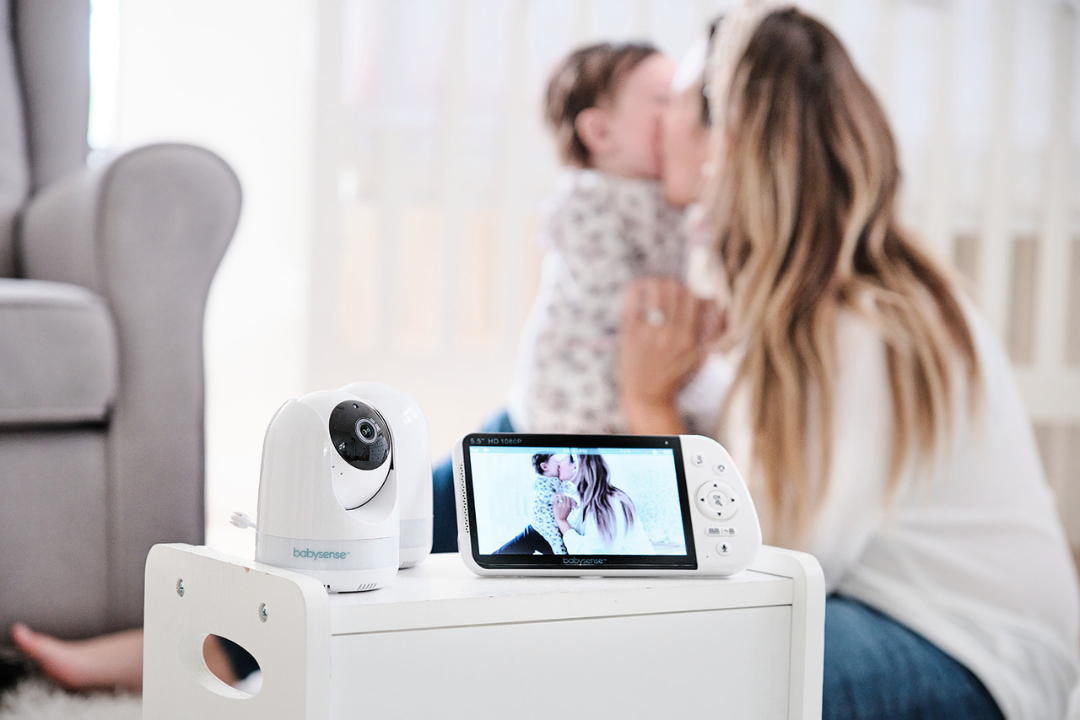
Non wifi baby monitors use radio signals to connect the baby unit to a handheld parent unit. They do not require internet access. These monitors often have simple audio or video features. They work well inside the house with less risk of hacking. The range is usually shorter than wifi models. Non wifi monitors are easy to set up and use. They provide reliable monitoring without internet dependency.
Credit: babysensemonitors.co.uk
Connectivity Features
Connectivity features play a key role in choosing a baby monitor. They determine how you receive alerts and watch your baby. Different monitors offer various ways to connect, affecting ease and reliability. Understanding these features helps you pick a suitable device for your needs.
Internet Dependence
WiFi baby monitors rely on an internet connection to work. They send video and sound through your home network. This lets you watch your baby from anywhere using a smartphone or tablet. Non-WiFi monitors do not need the internet. They use radio frequencies to send signals directly to a receiver. This means no internet is required, making them simpler to use in some cases.
Range And Signal Strength
WiFi monitors depend on your router’s range. Walls and floors can weaken the WiFi signal. This may cause delays or loss of video and sound. Non-WiFi monitors often have a strong, direct signal. Their range is usually limited to a few hundred feet. They work well in homes without strong WiFi or in outdoor spaces close to the house.
Security And Privacy
Security and privacy are very important when choosing a baby monitor. Parents want to keep their child safe and private at all times. Different baby monitors offer different levels of protection. Understanding these differences helps in picking the right monitor for your family.
Data Encryption
WiFi baby monitors use data encryption to protect your video and audio. Encryption turns your data into a secret code. This makes it very hard for others to see or hear your baby. Non-WiFi monitors usually do not have this feature. They send signals directly from the camera to the monitor. This means there is less protection against eavesdropping.
Risk Of Hacking
WiFi baby monitors connect to the internet. This connection can make them a target for hackers. Hackers may try to access the video feed. They could spy on your family or misuse the data. Non-WiFi monitors do not connect to the internet. They are less likely to be hacked. However, their signals can still be picked up by nearby devices. Choosing a monitor with strong security features helps reduce these risks.
Credit: www.zetronix.com
Ease Of Use
Ease of use is a key factor when choosing between wifi and non-wifi baby monitors. Parents want a device that works quickly and smoothly. The monitor should be simple to set up and easy to operate every day.
Setup Process
Non-wifi baby monitors usually have a simple setup. They often connect directly through a dedicated receiver. No complicated network settings are needed. Just plug in the monitor and receiver, then they start working.
Wifi baby monitors require more steps. They need connection to a home wifi network. This involves entering passwords and sometimes using an app. The setup can take longer and may confuse some users. But once connected, it offers more features.
User Interface
Non-wifi monitors have straightforward controls. Buttons and knobs are easy to find and use. The display is often basic but clear. Parents can adjust volume and view baby with minimal fuss.
Wifi monitors often use smartphone apps. The app may offer many options and settings. It allows remote viewing and notifications. The interface can be complex for those not used to apps. Some parents prefer the simplicity of physical controls.
Audio And Video Quality
Audio and video quality are key factors for baby monitors. They help parents see and hear their baby clearly. The type of monitor, WiFi or non-WiFi, affects the quality you get. Understanding these differences helps you pick the right monitor for your needs.
Clarity And Resolution
WiFi baby monitors often provide higher video resolution. This means clearer and sharper images of your baby. Non-WiFi monitors may have lower resolution but still offer decent clarity. Audio clarity is usually better in WiFi monitors due to digital signals. Non-WiFi monitors use analog signals, which can cause some noise or static.
Latency Issues
Latency means the delay between the baby’s actions and what you see or hear. WiFi monitors may have slight delays due to internet connection speed. This delay can range from one to several seconds. Non-WiFi monitors have less delay because they use direct radio signals. This makes non-WiFi monitors better for real-time monitoring without lag.

Credit: bibinoapp.com
Additional Features
Additional features make baby monitors more useful for parents. These features vary a lot between WiFi and non-WiFi models. They help parents stay connected and informed in different ways. Understanding these extras can help choose the right monitor.
Smartphone Integration
WiFi baby monitors connect to smartphones. This lets parents watch video and hear sounds through an app. They can check on the baby from anywhere. Non-WiFi monitors usually do not support smartphone use. They rely on a separate receiver for live feed. Smartphone integration adds convenience and flexibility.
Alerts And Notifications
WiFi monitors send alerts to smartphones. They notify parents about crying, movement, or sound changes. These notifications come instantly and help parents respond fast. Non-WiFi monitors often have sound or light alerts on the receiver only. They do not send alerts to phones. Alerts and notifications improve safety and peace of mind.
Cost Considerations
Cost is a key factor when choosing between WiFi and non-WiFi baby monitors. Understanding the different expenses helps you pick the right monitor for your budget. There are two main cost areas to consider: the initial price and the ongoing expenses. Each type has its own costs that affect your total spending.
Initial Price
Non-WiFi baby monitors usually cost less at the start. These devices use simple technology and have fewer features. WiFi monitors tend to be more expensive. They offer video streaming, app access, and remote viewing, which add to their price. The initial cost difference can be significant depending on the brand and model.
Ongoing Expenses
Non-WiFi monitors have fewer ongoing costs. They mainly need batteries or charging, which are low in price. WiFi monitors might require monthly subscriptions for cloud storage or advanced features. These fees add up over time. Internet data usage can also increase your home internet bill. Keep these costs in mind when choosing a WiFi monitor.
Choosing The Right Monitor
Choosing the right baby monitor is important for every parent. It helps you keep an eye on your baby easily. Both WiFi and non-WiFi monitors have their benefits. Understanding your needs can make this choice simple and clear.
Think about what fits your daily life and what makes you feel safest. This guide will help you find the best monitor for your home and family.
Lifestyle Needs
Consider how you spend your time at home. WiFi monitors work well if you move around a lot or travel. They let you check your baby from any place using your phone. Non-WiFi monitors suit parents who stay mostly at home. They are easy to set up and use. Choose a monitor that matches your routine and comfort level.
Safety Priorities
Safety is the top concern for parents. Non-WiFi monitors offer a direct signal, reducing hacking risks. WiFi monitors can be vulnerable if not secured properly. Look for monitors with strong encryption and password protection. Always check how the monitor protects your data. Pick the monitor that gives you peace of mind about security.
Frequently Asked Questions
What Are The Main Differences Between Wifi And Non-wifi Baby Monitors?
Wifi baby monitors connect via your home network, offering remote viewing through smartphones. Non-Wifi monitors use dedicated frequencies for direct transmission, providing simpler, more secure connections without internet dependence.
Which Baby Monitor Is Safer For Baby Privacy?
Non-Wifi monitors are generally safer for privacy as they don’t connect to the internet. Wifi monitors can be vulnerable to hacking if not properly secured.
Can Wifi Baby Monitors Work Without Internet?
No, Wifi baby monitors require an internet connection to stream video to your device. Without internet, their remote viewing features won’t function.
Do Non-wifi Monitors Have Better Battery Life?
Yes, Non-Wifi monitors often have longer battery life. They use less power due to simpler transmission technology compared to Wifi monitors.
Conclusion
Choosing between WiFi and non-WiFi baby monitors depends on your needs. WiFi monitors offer remote access and more features. Non-WiFi monitors provide simple, reliable connections without internet. Both types help you keep your baby safe. Think about your home setup and comfort with technology.
Remember, safety and peace of mind matter most. Pick the monitor that fits your lifestyle best. Your baby’s security is the priority, no matter the choice.