If your newborn is vomiting, it can be very worrying. You want to understand why this is happening and what you should do next.
Vomiting in a baby isn’t always a sign of something serious, but knowing the common causes can help you stay calm and take the right steps. You’ll discover the main reasons behind newborn vomiting and learn how to tell when it’s time to seek medical help.
Keep reading—your baby’s health and your peace of mind depend on it.
Common Causes Of Newborn Vomiting
Newborn vomiting is common and often worries parents. Understanding the causes helps in handling the situation calmly. Vomiting can happen for many reasons, some simple and others needing medical care. Knowing the common causes helps you know when to seek help.
Feeding Issues
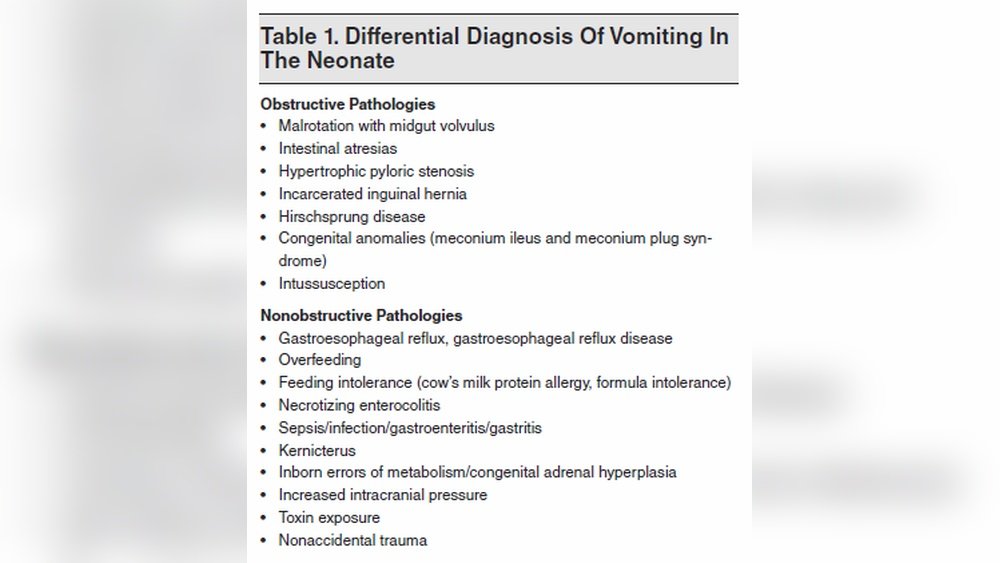
Overfeeding is a common cause of vomiting in newborns. Babies have small stomachs that fill quickly. Feeding too fast or too much can cause spit-up. Burping poorly also leads to vomiting by trapping air. Using the wrong nipple size can make babies swallow air. Feeding issues are often easy to fix with small changes.
Infections
Infections can cause vomiting in newborns. Stomach infections from viruses or bacteria are common culprits. These infections may come with diarrhea or fever. Respiratory infections can also trigger vomiting due to coughing or mucus. Infections need attention from a doctor to avoid complications.
Digestive Problems
Some newborns have digestive problems causing vomiting. Acid reflux happens when stomach acid moves back into the throat. This causes discomfort and spit-up. Intestinal blockages or malformations are less common but serious causes. These conditions require prompt medical evaluation and treatment.
Allergic Reactions
Allergic reactions can cause vomiting in newborns. Milk protein allergy is the most common. Symptoms include vomiting, diarrhea, and fussiness. Some babies react to formula or breast milk if the mother eats certain foods. Identifying allergies early helps manage symptoms and avoid triggers.

Signs Of Serious Conditions
Newborn vomiting can be common, but some signs show serious problems. Knowing these signs helps parents act fast. Serious conditions need medical care right away.
Projectile Vomiting
Projectile vomiting means the vomit shoots out forcefully. It is not a simple spit-up. This can signal a blockage in the baby’s stomach. This condition needs a doctor’s check quickly.
Blood Or Bile In Vomit
Seeing blood or green bile in vomit is very serious. Blood may look red or dark like coffee grounds. Green bile shows a blockage in the intestines. Immediate medical help is necessary in these cases.
Persistent Vomiting
Vomiting that does not stop over several hours is a warning. It can cause the baby to lose fluids and nutrients. Persistent vomiting can mean infection or other health issues. A doctor should examine the baby as soon as possible.
Dehydration Symptoms
Dehydration happens when a baby loses too much fluid. Signs include dry mouth, fewer wet diapers, and sunken eyes. The baby may be very sleepy or irritable. Dehydration needs quick medical treatment to avoid danger.
When To Seek Medical Help
Newborn vomiting can worry any parent. Knowing when to get medical help is very important. Some signs need quick action. Others just need a routine check. Understanding these signs helps keep your baby safe and healthy.
Emergency Symptoms
Seek urgent care if your baby vomits green or yellow fluid. This could mean a blockage. Look for blood in the vomit. It is a sign of serious trouble. If your baby vomits a lot and cannot keep fluids down, get help fast. Also, watch for a swollen belly or hard tummy. These signs need immediate medical attention. If your baby is very sleepy, limp, or not responding, call emergency services. Severe dehydration signs include dry mouth, no tears, and fewer wet diapers. These require urgent care.
Regular Checkup Indicators
Take your baby to the doctor if vomiting happens often but without emergency signs. Mild vomiting with normal feeding and growth usually needs a checkup. If vomiting lasts more than a day or two, get advice. Notice if your baby loses weight or seems unhappy. These are reasons for a doctor visit. Your doctor can check for infections, allergies, or feeding problems. Regular checkups help catch issues early and keep your baby healthy.
Home Care Tips For Vomiting Newborns
Vomiting in newborns can worry many parents. Home care plays an important role in helping your baby feel better. Simple steps can ease discomfort and support recovery.
Understanding how to care for a vomiting newborn at home is key. Safe feeding, hydration, and comfort help your baby heal quickly. Follow these easy tips to manage vomiting safely.
Feeding Adjustments
Feed smaller amounts more often. This can reduce stomach upset. Hold your baby upright during feeding. It helps food settle better. Avoid overfeeding, as it may cause vomiting. Burp your baby gently after feeding. This releases trapped air and lowers pressure.
Hydration Management
Keep your newborn hydrated. Offer breast milk or formula regularly. Watch for signs of dehydration like dry mouth or fewer wet diapers. Avoid giving water or juice. These can harm your baby’s digestion. If vomiting is severe, consult a doctor for advice.
Comfort Measures
Keep your baby calm and comfortable. Hold your baby close and speak softly. Use gentle rocking or swaddling to soothe. Maintain a quiet, dim room to reduce stress. Dress your baby in light clothes to prevent overheating. Monitor your baby’s temperature often.
Preventing Vomiting Episodes
Vomiting in newborns can be stressful for parents. Preventing these episodes helps keep your baby comfortable and healthy. Small changes in care can reduce vomiting chances.
Focus on feeding habits and diet to avoid common triggers. Careful observation and gentle handling make a difference. Learn simple steps to protect your little one from vomiting.
Proper Feeding Techniques
Hold your baby upright during feeding. This helps milk flow smoothly into the stomach. Feed slowly to prevent swallowing air. Burp your baby often to release trapped gas. Use the right nipple size on the bottle. These steps reduce discomfort and vomiting risk.
Avoiding Overfeeding
Watch for signs your baby is full. Stop feeding when your baby turns away or loses interest. Overfeeding can stretch the stomach and cause vomiting. Feed smaller amounts more often. This keeps the stomach calm and less likely to reject milk.
Monitoring Allergens
Allergies can cause vomiting in newborns. Keep track of foods you eat if breastfeeding. Avoid common allergens like dairy or soy if needed. For formula-fed babies, try hypoallergenic formulas after doctor advice. Notice any skin rash or fussiness that may signal allergies.


Frequently Asked Questions
What Are Common Causes Of Newborn Vomiting?
Newborn vomiting often results from feeding issues, such as overfeeding or swallowing air. It can also indicate infections or digestive problems. Identifying the cause early helps ensure proper care and treatment for your baby’s health.
When Should I Worry About My Newborn’s Vomiting?
Seek medical help if vomiting is frequent, forceful, or greenish. Also, watch for dehydration signs, weight loss, or lethargy. Prompt evaluation prevents complications and ensures your newborn receives necessary care.
How Does Reflux Cause Vomiting In Newborns?
Reflux happens when stomach contents flow back into the esophagus, causing spitting up or vomiting. It’s common in newborns due to their immature digestive system but usually improves with age and proper feeding techniques.
Can Infections Cause Vomiting In Newborns?
Yes, infections like gastroenteritis or urinary tract infections can cause vomiting. These require prompt medical attention to manage symptoms and prevent serious health issues in your newborn.
Conclusion
Newborn vomiting can worry many parents. Causes range from simple feeding issues to health problems. Watch your baby closely for signs of illness. Seek medical help if vomiting is frequent or severe. Early care helps keep your baby safe and healthy.
Understanding causes makes you better prepared. Keep calm and stay informed for your newborn’s well-being.