Choosing the right baby crib is one of the most important decisions you’ll make for your little one’s safety and comfort. You want a crib that gives you peace of mind every time your baby sleeps.
But with so many options out there, how do you know which one is truly safe? This guide will help you spot the key features to look for, avoid common mistakes, and pick a crib that protects your baby’s well-being.
Keep reading, because your baby’s safety starts with the crib you choose.
Safety Standards To Check
Choosing a safe baby crib is very important for your child’s well-being. Safety standards help ensure the crib protects your baby from harm. These standards include rules and tests to make sure cribs are strong and safe. Understanding what to check can help you pick the best crib.
Certifications To Look For
Check for certifications that show the crib meets safety rules. Look for labels from groups like the Juvenile Products Manufacturers Association (JPMA). This means the crib passed strict safety tests. Another important certification is from the Consumer Product Safety Commission (CPSC). This ensures the crib follows federal safety laws. Certified cribs reduce risks of accidents and injuries.
Key Safety Features
Choose cribs with strong, fixed sides to prevent falls. The slats should be close enough together to stop a baby’s head from getting stuck. Avoid cribs with drop sides, as they can be dangerous. The mattress should fit tightly with no gaps. Check for non-toxic paint and smooth edges to avoid choking or cuts. These features keep your baby safe and comfortable.
Materials And Build Quality
Choosing a baby crib means paying close attention to materials and build quality. These factors ensure your baby’s safety and comfort. The right materials protect your child from harmful chemicals. Strong construction keeps the crib stable and secure. Both matter a lot in a safe crib.
Non-toxic Finishes
Cribs should have paints and finishes free from toxic chemicals. Look for labels that say “non-toxic” or “lead-free.” Babies often chew on crib rails. Toxic paints can harm their health. Natural finishes like water-based paints are safer. Avoid cribs with strong chemical smells. These might contain harmful substances. Choose finishes that protect your baby’s health.
Durability And Stability
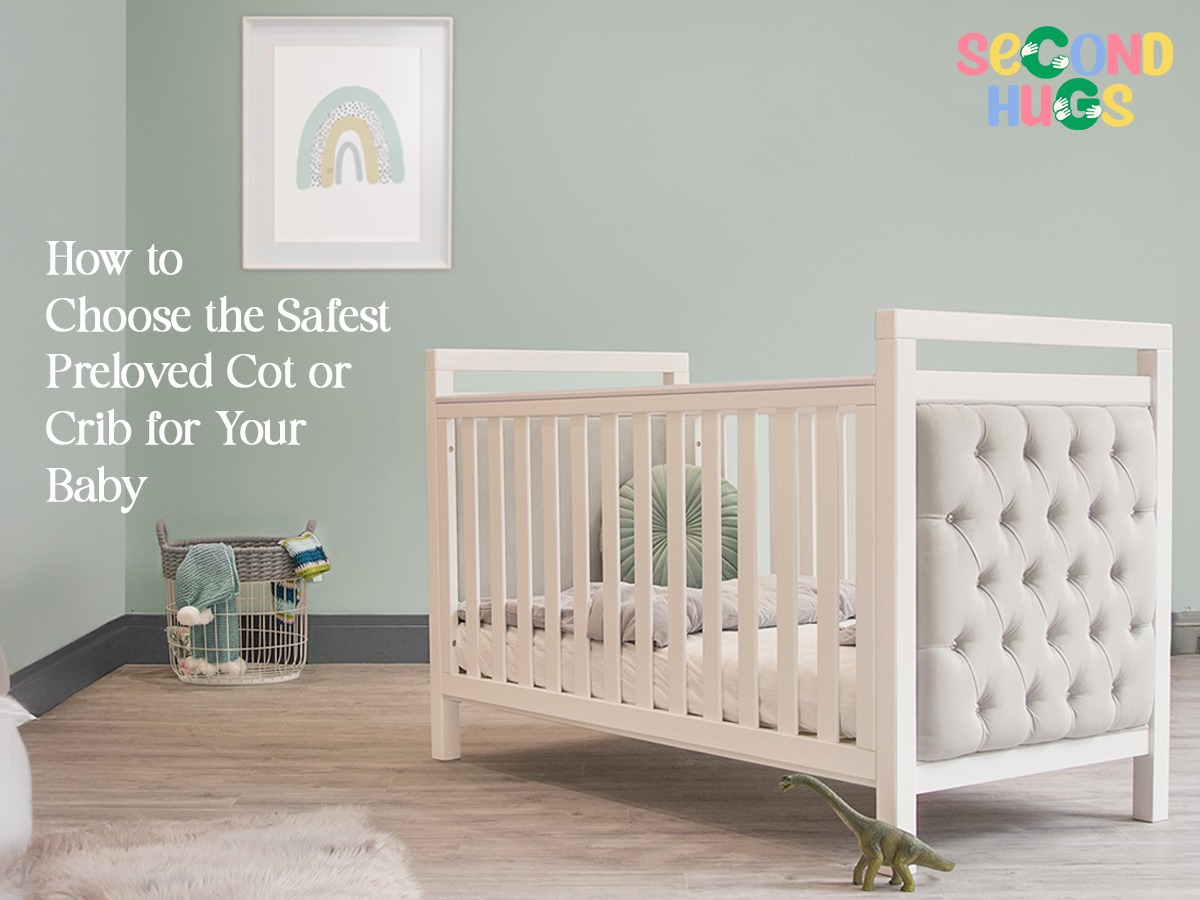
The crib must stand firm and not wobble. Check the joints and screws for tightness. Strong wood or metal frames last longer and support well. Avoid cribs with loose parts or sharp edges. A stable crib keeps your baby safe during sleep and play. Durability means the crib will stay safe as your baby grows.
Design Elements That Matter
Choosing a safe baby crib means paying close attention to design features. These details keep your baby secure and comfortable. Simple design elements can prevent accidents and help your baby sleep well. Focus on parts that affect safety and ease of use.
Slat Spacing And Height
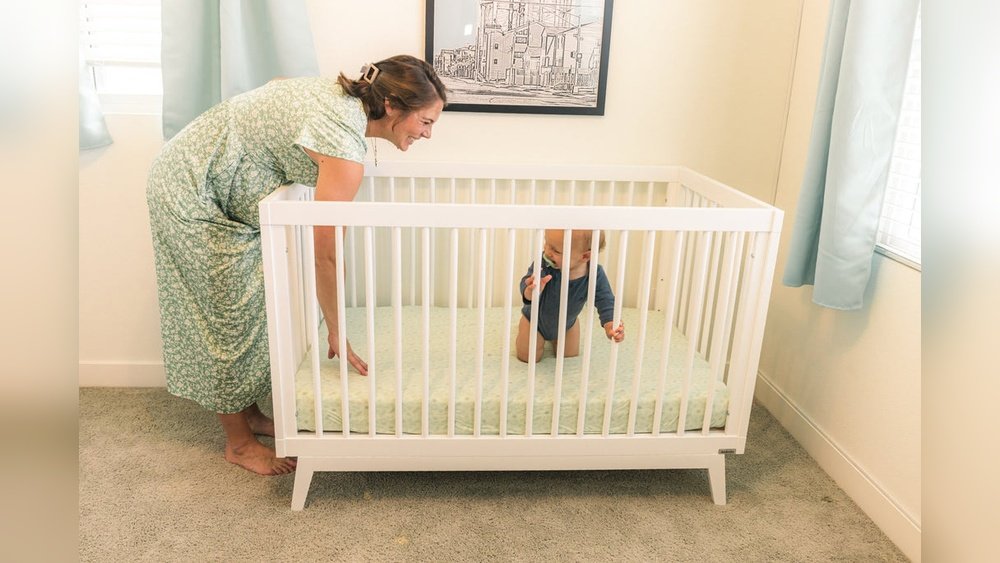
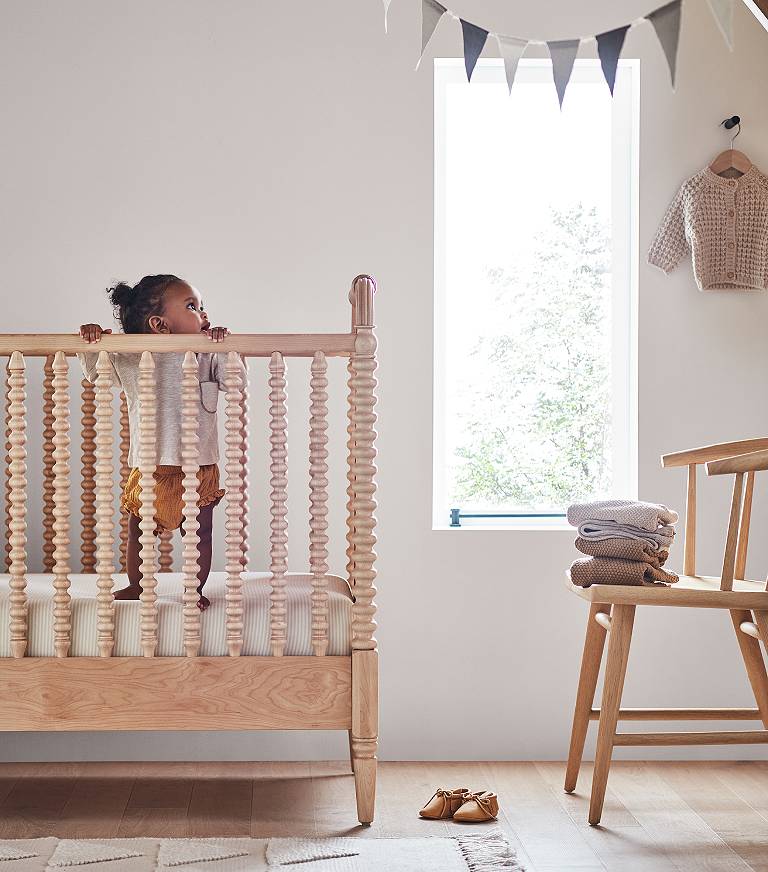
Slats are the vertical bars around the crib. They must be close enough to stop a baby’s head from getting stuck. The safe space between slats is no more than 2 3/8 inches. Too wide a gap can cause injury.
The height of the crib sides matters too. They must be tall enough to stop your baby from climbing out. As your baby grows, the crib should keep them safe inside. Check that the sides are sturdy and well-built.
Adjustable Mattress Levels
Adjustable mattress levels let you change the mattress height. Start with the mattress set high for newborns. It makes it easier to place your baby inside and pick them up.
Lower the mattress as your baby grows and starts to sit or stand. This prevents them from climbing out and falling. Make sure the mattress fits tightly to avoid gaps where your baby could get stuck.
Types Of Cribs
Choosing the right crib is important for your baby’s safety and comfort. Cribs come in different styles and sizes. Each type has unique features that suit different needs and spaces. Understanding these options helps you pick the best crib for your baby.
Below are the main types of cribs to consider. Each type offers safety and functionality in its own way.
Standard Cribs
Standard cribs are the most common type. They have four fixed sides and a sturdy frame. These cribs meet safety rules and provide a safe sleep space. Many come with adjustable mattress heights to grow with your baby. They fit well in most rooms and last for years.
Convertible Cribs
Convertible cribs change as your child grows. They can turn into toddler beds, daybeds, or even full-size beds. This type saves money by lasting through different stages. Convertible cribs must follow strict safety standards at every stage. They offer flexibility and long-term use.
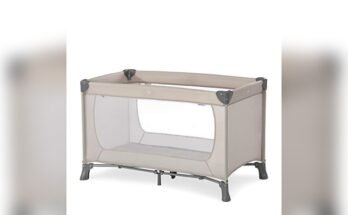
Portable And Mini Cribs
Portable and mini cribs are smaller and easier to move. These cribs are great for limited space or travel. They often fold or have wheels for convenience. Though compact, they still meet safety guidelines. Portable cribs are perfect for naps or short stays.
Additional Safety Tips
Choosing a safe baby crib is just the start. Extra safety tips help protect your little one. These tips lower risks and create a safe sleep space. Follow these simple steps to keep your baby secure.
Avoiding Common Hazards
Keep the crib clear of pillows, toys, and blankets. Soft items can cause suffocation. Ensure crib slats are no wider than 2 3/8 inches. This stops the baby’s head from getting stuck. Avoid drop-side cribs; they are unsafe and banned. Place the crib away from windows, curtains, and cords. These can cause strangulation or falls. Check for sharp edges or loose parts that can hurt the baby.
Proper Assembly And Maintenance
Follow the manufacturer’s instructions carefully during assembly. Tighten all screws and bolts firmly. Loose parts can cause the crib to collapse. Regularly inspect the crib for wear and tear. Replace or repair damaged parts immediately. Use a firm, well-fitting mattress that fits snugly in the crib. Avoid using mattress pads that are too soft. Keep the crib clean and dry to prevent mold and bacteria.
Budget And Longevity
Choosing a baby crib involves thinking about your budget and how long the crib will last. Buying a crib is an important decision for your baby’s safety and comfort. It is smart to find a crib that fits your budget and will be useful for years.
Balancing Cost And Quality
Cheap cribs might seem attractive but may lack important safety features. A very expensive crib is not always the best either. Look for cribs that meet safety standards and have good reviews. Choose a crib made with strong materials that last. Spending a little more can mean better protection for your baby.
Cribs That Grow With Your Baby
Some cribs change as your baby grows. Convertible cribs turn into toddler beds or daybeds. This saves money because you use one crib for many years. These cribs often have adjustable mattress heights. You can lower the mattress as your baby learns to sit and stand. Investing in a crib that grows with your baby adds real value.

Frequently Asked Questions
What Safety Standards Should A Baby Crib Meet?
A safe baby crib must comply with ASTM and CPSC safety standards. These ensure proper slat spacing, non-toxic finishes, and sturdy construction.
How To Check Crib Mattress Fit For Safety?
Ensure the mattress fits snugly with less than two fingers’ width between mattress and crib sides. This prevents baby entrapment.
Which Crib Materials Are Safest For Babies?
Choose cribs made from solid wood or non-toxic materials. Avoid cribs with lead paint or harmful chemicals.
Are Drop-side Cribs Safe For Infants?
No, drop-side cribs are banned due to risk of suffocation and entrapment. Always choose fixed-side cribs.
Conclusion
Choosing a safe baby crib protects your little one every night. Check for sturdy construction and non-toxic materials. Make sure the crib meets current safety standards. Avoid cribs with drop sides or loose parts. Measure the mattress snugly fits the crib frame.
Regularly inspect the crib for wear or damage. A safe crib brings peace of mind to parents. Your baby deserves a secure and cozy sleeping space. Take time to choose carefully—it matters most for safety.