Your baby’s crib should be the safest place in your home. But did you know that even small details can pose hidden risks?
Knowing how to childproof a crib isn’t just about peace of mind—it’s about protecting your little one from harm when they are most vulnerable. In this guide, you’ll discover simple, effective steps to make your crib a secure haven. Keep reading to learn how you can create a safe sleeping space that gives you confidence and lets your baby rest soundly.

Choosing A Safe Crib
Choosing a safe crib is the first step in creating a secure sleep space for your baby. The right crib keeps your child safe from accidents and hazards. It also offers comfort and support for healthy growth. Focus on quality, design, and safety features to make the best choice.
Check For Safety Standards
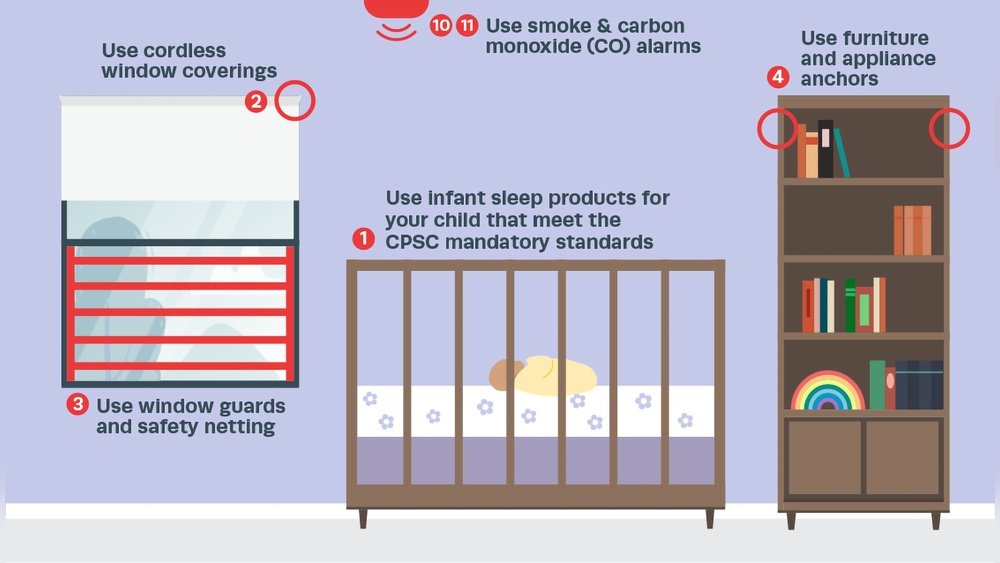
Always pick cribs that meet national safety standards. Look for certifications from trusted agencies. These rules ensure the crib has strong materials and safe construction. Avoid cribs with loose parts or sharp edges. Check if the crib’s slats are close enough to prevent a baby’s head from getting stuck.
Avoid Drop-side Cribs
Drop-side cribs have a side that moves down. These cribs have caused many accidents and injuries. Many countries banned them for safety reasons. Choose cribs with fixed sides only. Fixed sides provide better stability and reduce risks of falls or entrapment.
Select The Right Mattress
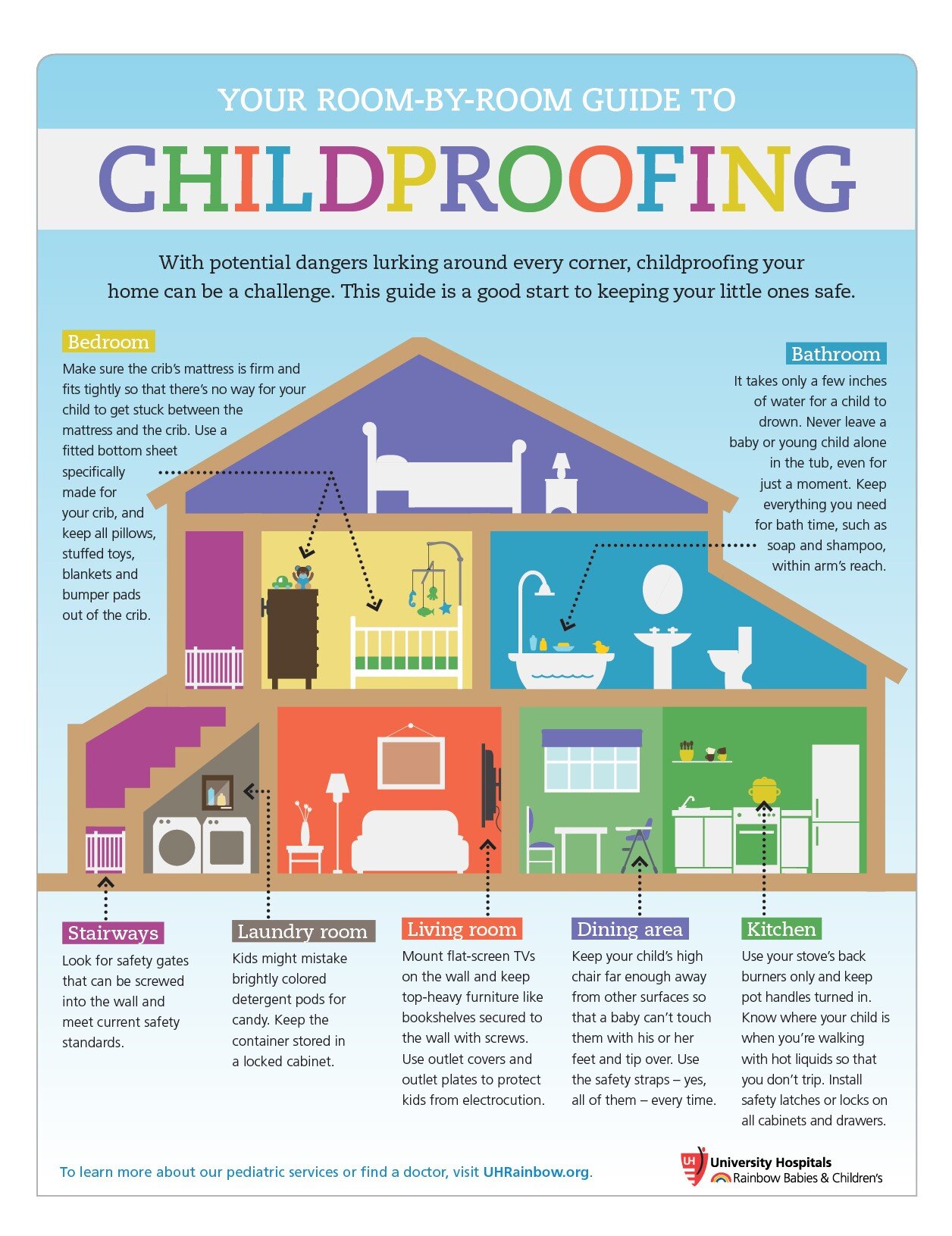
The mattress must fit the crib perfectly. It should be firm and flat to support your baby’s back. Soft mattresses increase the risk of suffocation. Avoid gaps between the mattress and crib sides. Use a mattress that meets safety guidelines for baby sleep.
Inspecting The Crib Structure
Inspecting the crib structure is a key step in childproofing. A sturdy crib keeps your baby safe during sleep and play. Check every part carefully for signs of wear or damage. Small problems can become big safety hazards. Regular inspection helps prevent accidents and ensures a secure environment for your child.
Tighten All Screws And Bolts
Loose screws or bolts make the crib unstable. Use a screwdriver or wrench to tighten each one. Check corners, joints, and moving parts. Tighten them firmly but do not overtighten. This prevents the crib from wobbling or collapsing.
Ensure Slats Are Close Together
Slats that are too far apart can trap your baby’s head or limbs. Measure the space between slats. The gap should be no wider than 2 3/8 inches. Close gaps reduce the risk of injury and keep your baby safe inside the crib.
Look For Sharp Edges Or Splinters
Sharp edges and splinters can hurt your baby’s delicate skin. Run your hand along the crib’s surface. Smooth any rough spots with sandpaper. Cover sharp corners with protective guards. This step keeps the crib safe and comfortable for your child.
Positioning The Crib Safely
Positioning the crib safely is very important for your baby’s well-being. Proper placement can prevent accidents and create a secure sleep space. This section explains key tips for choosing the best spot for the crib. Follow these guidelines to keep your baby safe and comfortable.
Keep Away From Windows And Cords
Place the crib far from windows to avoid drafts and bright light. Window blinds and curtain cords can be dangerous. Babies can get tangled in cords, risking strangulation. Keep all cords and blinds out of reach to stop accidents.
Avoid Placing Near Furniture
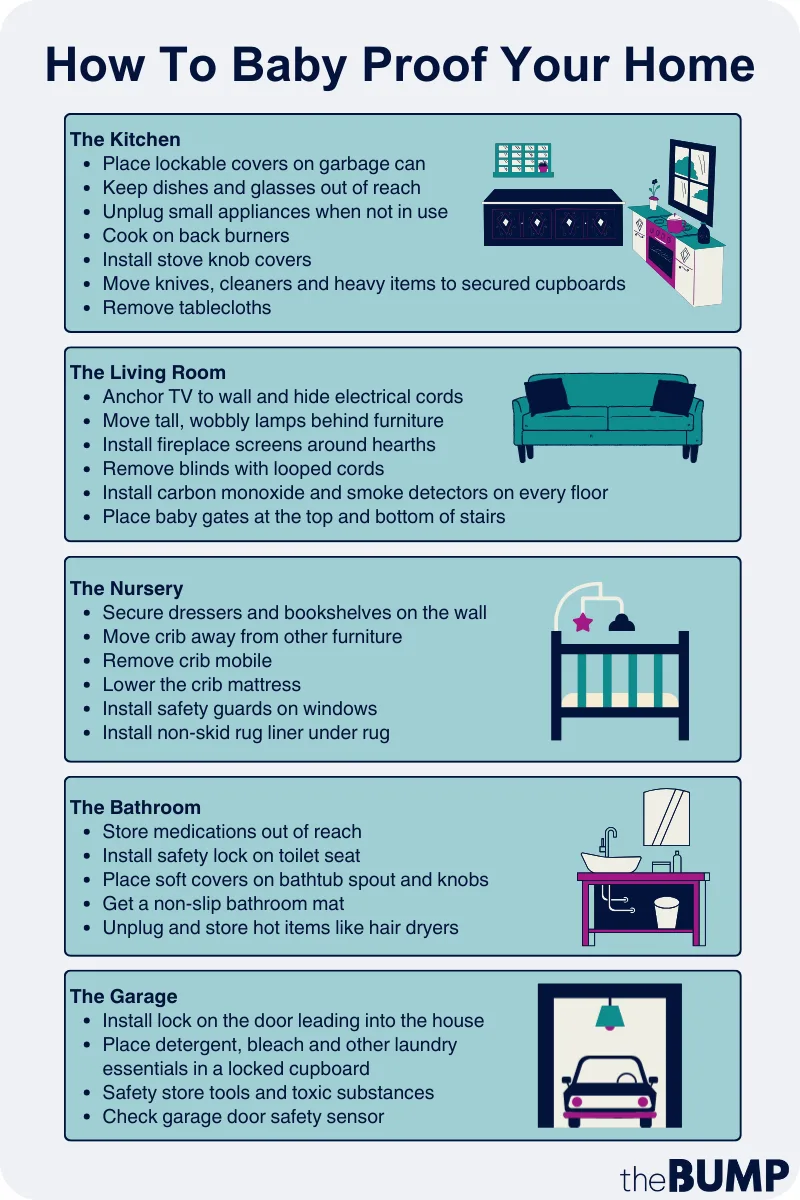
Do not put the crib next to large furniture like dressers or shelves. Babies may climb or pull items into the crib. Furniture edges can cause injury. Leave space around the crib for safe movement and easy access.
Choose A Stable, Flat Surface
Select a firm, flat floor area for the crib. Avoid uneven or soft surfaces that may tip the crib over. Stability prevents falls and keeps the crib steady. Check that the crib does not wobble before placing your baby inside.
Removing Unsafe Items
Removing unsafe items from a crib is a key step in keeping a baby safe during sleep. Unsafe objects can cause suffocation or choking risks. Clearing the crib ensures a safer, more comfortable space for your child.
Eliminate Pillows And Blankets
Pillows and blankets can block a baby’s breathing. Babies cannot move these items away easily. Removing them lowers the risk of suffocation. Use a sleep sack to keep your baby warm instead.
Avoid Stuffed Toys Inside Crib
Stuffed toys look soft and cozy but pose risks. They can cover a baby’s face or cause overheating. Keep all toys outside the crib. This creates a clear and safe sleeping area.
Use A Fitted Crib Sheet Only
A fitted crib sheet fits snugly on the mattress. Loose bedding can wrap around a baby’s body or face. Choose sheets made from breathable materials. This keeps the sleeping surface safe and comfortable.
Using Protective Accessories
Using protective accessories in a crib helps keep your baby safe and comfortable. These items prevent injuries and reduce risks. Choosing the right accessories makes the crib a secure place for your child to sleep and play.
Install Crib Rail Covers
Crib rail covers protect your baby from sharp edges and chewing hazards. Soft covers prevent splinters and bruises. They are easy to install and clean. Choose breathable materials to avoid overheating. This simple step keeps your baby safe during play and sleep.
Use A Sleep Sack Instead Of Blankets
Sleep sacks keep babies warm without loose blankets. Blankets can cover the baby’s face and cause suffocation. Sleep sacks fit snugly and allow free movement. Many come in soft, breathable fabrics. They help maintain a safe sleep environment all night.
Consider A Crib Mobile Carefully
Crib mobiles entertain babies but need careful choice. Avoid mobiles with small, detachable parts that pose choking risks. Make sure the mobile is securely fastened and out of baby’s reach. Choose simple designs with soft colors. Remove the mobile once your baby can sit up.
Maintaining Crib Safety Over Time
Keeping a crib safe is not a one-time task. It needs care over time to protect your baby. Regular checks and updates help avoid risks. A safe crib means a safer baby.
Regularly Check For Wear And Tear
Look at the crib often for loose screws or cracks. Check the mattress support and bars for damage. Replace or fix parts that look weak or broken. Small problems can become big dangers fast.
Update Crib As Baby Grows
Babies change quickly and so should the crib setup. Lower the mattress as your baby learns to sit or stand. Remove any bumpers or toys that could cause harm. Switch to a toddler bed when your child is ready.
Follow Recalls And Safety Alerts
Stay informed about crib recalls and safety news. Check online or sign up for alerts from trusted sources. Stop using cribs that are recalled immediately. Safety updates protect your child from hidden dangers.
Frequently Asked Questions
How Do I Ensure A Crib Is Safe For My Baby?
Check for sturdy construction, proper slat spacing (less than 2 3/8 inches), and no sharp edges. Use a firm mattress that fits snugly inside the crib to prevent gaps.
What Items Should I Remove From The Crib?
Remove pillows, blankets, bumpers, and stuffed toys. These items pose suffocation risks and can increase the chance of Sudden Infant Death Syndrome (SIDS).
How Often Should I Inspect The Crib For Safety?
Inspect the crib monthly for loose screws, broken parts, or peeling paint. Regular checks help prevent accidents and maintain a secure sleeping environment.
Can I Use Secondhand Cribs For My Baby?
Avoid using secondhand cribs unless they meet current safety standards. Older cribs may have outdated designs or harmful materials like lead paint.
Conclusion
Childproofing a crib keeps your baby safe and secure. Always check for loose parts or sharp edges. Use a firm mattress that fits tightly inside the crib. Remove pillows, blankets, and toys to prevent suffocation. Adjust the crib height as your baby grows.
Regularly inspect the crib to ensure safety. Small steps make a big difference in safety. Your baby deserves a safe, cozy place to sleep. Stay alert and keep learning about baby safety. Safe sleep means happy, healthy babies.