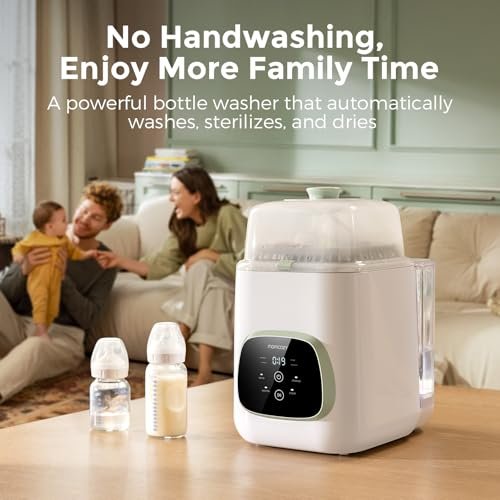
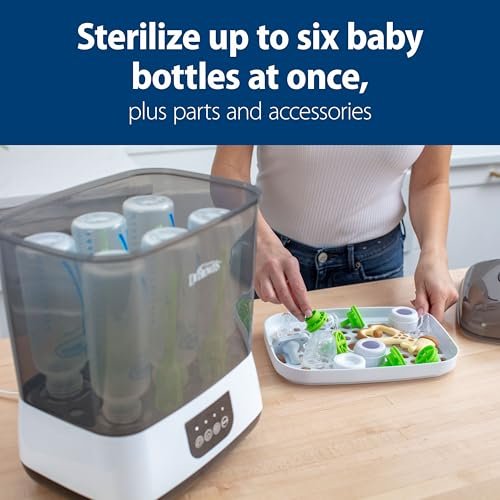
Are you curious about how much electricity your electric bottle sterilizer really uses? If you’re like many parents, you want to keep your baby’s bottles clean without driving up your energy bills.
Understanding the power consumption of your sterilizer can help you make smarter choices and save money. You’ll discover exactly how much electricity these devices use and simple tips to keep your energy costs low—all while keeping your baby’s feeding routine safe and convenient.
Keep reading to find out more!
Electric Bottle Sterilizer Basics
Electric bottle sterilizers help keep baby bottles clean and safe. They use steam or other methods to kill germs. Understanding their basics helps you know how much electricity they use. This section explains the types, features, and power ratings of these devices.
Types Of Sterilizers
There are mainly three types of electric bottle sterilizers. Steam sterilizers use hot steam to clean bottles quickly. UV sterilizers use ultraviolet light to kill bacteria without heat. Some models combine steam and UV for extra cleaning power.
Common Features
Most sterilizers have timers to set the cleaning duration. They often include trays to hold bottles and accessories. Auto shut-off is common to save electricity and prevent overheating. Many models are compact and easy to use.
Average Power Ratings
Electric bottle sterilizers usually use between 200 and 600 watts. Steam sterilizers tend to use more power due to heating elements. UV sterilizers often consume less electricity but take longer. A typical cycle lasts 5 to 15 minutes, affecting total energy use.
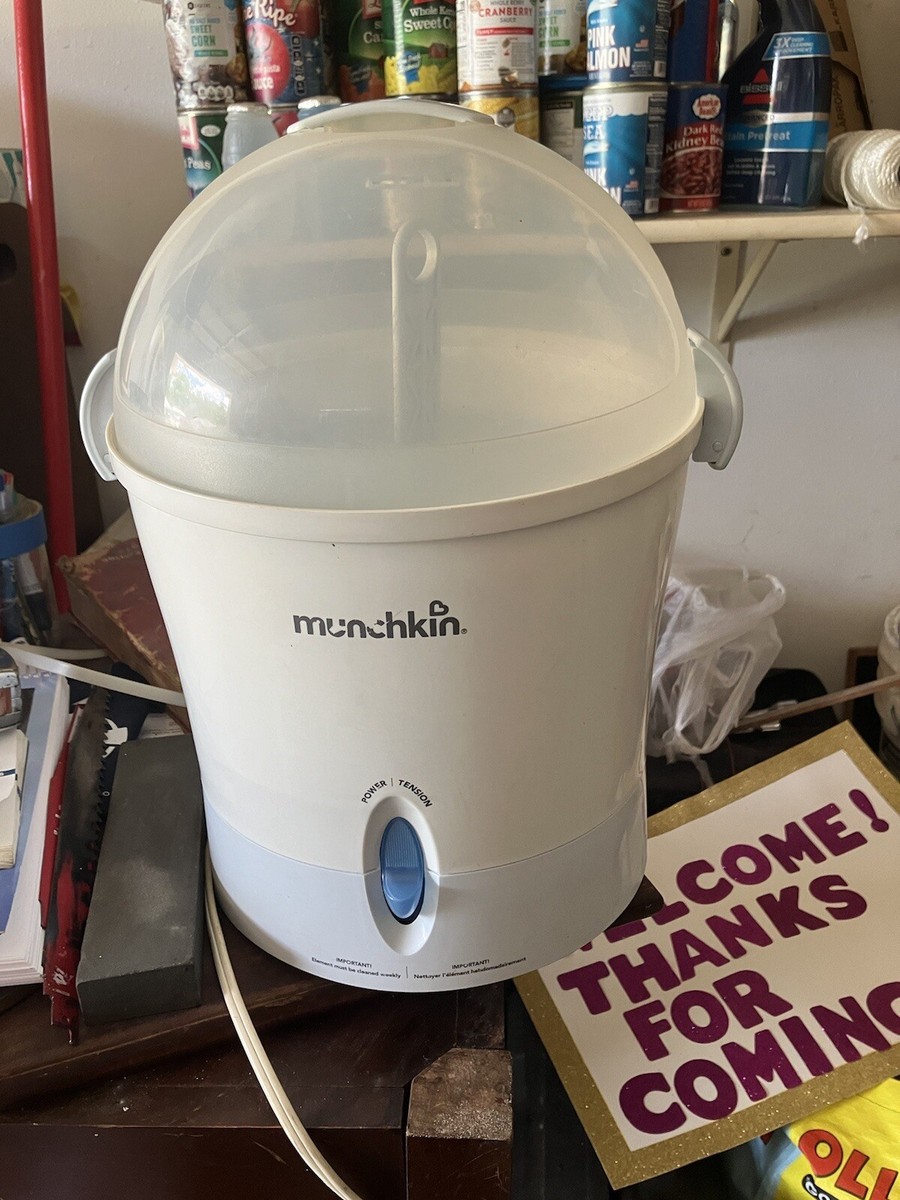
Electricity Consumption Factors
Electric bottle sterilizers use electricity, but the amount varies. Several factors affect how much power they consume. Knowing these can help you estimate electricity use and manage energy costs better.
Sterilizing Cycle Duration
The length of each sterilizing cycle directly affects electricity use. Longer cycles consume more power because the device runs for a longer time. Short cycles use less electricity but may not sterilize as thoroughly.
Heating Element Power
The heating element heats the water to kill germs. Its power rating, measured in watts, determines energy use. Higher wattage means faster heating but uses more electricity during operation.
Frequency Of Use
How often you use the sterilizer impacts total energy consumption. Frequent use adds up to higher electricity bills. Less frequent sterilizing saves energy and costs less over time.
Calculating Energy Usage
Calculating the energy usage of an electric bottle sterilizer helps you understand its impact on your electricity bill. It involves knowing the power it uses and the time it runs. This simple math can show how much electricity you actually consume. Let’s break down the steps to make it clear.
Wattage And Time
Every sterilizer has a wattage rating. This number shows how much power it uses per hour. For example, a sterilizer may use 150 watts. The sterilizer usually runs for about 10 minutes per cycle. You need to convert this time into hours by dividing minutes by 60. So, 10 minutes equals 0.167 hours.
Estimating Kilowatt-hours
Electricity usage is measured in kilowatt-hours (kWh). To find kWh, multiply the wattage by the time in hours. Then divide by 1000 to convert watts to kilowatts. For example, 150 watts × 0.167 hours = 25.05 watt-hours. Divide by 1000, which equals 0.025 kWh per sterilizing cycle. This number tells you the electricity used each time.
Comparing Different Models
Different sterilizers use different power levels. Some models might use 120 watts, others 180 watts. The time per cycle can also vary. By calculating kWh for each model, you can compare their energy use. Choose a model with lower kWh to save electricity. This helps pick a sterilizer that costs less to run over time.
Cost Implications
Understanding the cost implications of using an electric bottle sterilizer helps parents manage their household budget better. These devices consume electricity each time they run, which adds to monthly energy bills. Knowing how much electricity they use and the related costs can guide smarter choices.
Electricity Rates Impact
Electricity rates differ by location and provider. Higher rates mean higher costs for the same amount of usage. In areas with low electricity prices, the cost of running a sterilizer stays low. Checking local electricity rates gives a clearer picture of potential expenses.
Monthly And Annual Costs
An electric bottle sterilizer uses about 20 to 30 watts per cycle. Running it daily adds a small amount to the monthly electricity bill. Over a year, these costs can add up but usually remain under a few dollars. Tracking usage helps estimate yearly spending accurately.
Energy-saving Tips
Run the sterilizer only when you have a full load. Avoid multiple small cycles to save energy. Use it during off-peak hours if your provider offers lower rates then. Regular cleaning keeps the device efficient, reducing power use. These steps cut costs without losing convenience.
Environmental Considerations
Using an electric bottle sterilizer affects the environment in different ways. Understanding these effects helps us make better choices for our planet. Small changes in how we use these devices can lower their environmental impact.
Carbon Footprint
The carbon footprint shows how much greenhouse gas the sterilizer creates. These gases add to global warming. Electric bottle sterilizers use electricity that often comes from burning fossil fuels. This process releases carbon dioxide, a harmful gas. The more electricity used, the bigger the carbon footprint.
Choosing energy-efficient models can reduce this footprint. Some sterilizers use less power or work faster. This means less electricity and fewer emissions. Using renewable energy sources also cuts down the carbon footprint.
Sustainable Usage Practices
Using the sterilizer wisely saves energy and protects the environment. Run the sterilizer only with full loads. This reduces the number of cycles and saves power. Turn off the device immediately after use to avoid wasting electricity.
Regular maintenance keeps the sterilizer working well. Clean it as instructed to prevent extra energy use. Consider air drying bottles after sterilizing instead of using extra heat. Small habits help lower energy consumption and environmental harm.

Alternatives To Electric Sterilizers
Electric bottle sterilizers use electricity to clean baby bottles. Some parents want other choices to save power or for ease. Several effective alternatives exist. They can clean bottles without using much electricity.
These options suit different needs and budgets. Some need no power at all. Others use less electricity than electric sterilizers. Each method keeps bottles safe and germ-free.
Manual Sterilization Methods
Manual sterilization is simple and does not need electricity. Boiling bottles in hot water kills germs effectively. Use a large pot and cover bottles completely with water. Boil for at least five minutes for good cleaning. This method costs no electricity but takes more time. It works well at home or during travel.
Uv Sterilizers
UV sterilizers use ultraviolet light to kill germs fast. They use less electricity than electric steam sterilizers. UV light reaches inside bottles and kills bacteria without water. These devices are compact and easy to use. They are a good choice for quick sterilization. UV sterilizers keep bottles safe and dry after cleaning.
Microwave Sterilization
Microwave sterilization uses steam inside a microwave oven. You need a special microwave steam sterilizer or container. This method uses the microwave’s power, which is usually less than electric sterilizers. It takes only a few minutes to clean bottles. Microwave sterilization is quick and easy. It saves time and uses less energy.
Frequently Asked Questions
How Much Electricity Does An Electric Bottle Sterilizer Consume?
An electric bottle sterilizer typically uses 200 to 300 watts per cycle. Each sterilization lasts 5 to 15 minutes, consuming around 0. 02 to 0. 08 kWh per use. This makes it energy-efficient and cost-effective for daily baby care.
Does Sterilizer Wattage Affect Electricity Usage?
Yes, higher wattage sterilizers consume more electricity per cycle. However, efficient models with smart timers use less power overall. Choosing a sterilizer with lower wattage and quick cycle times reduces energy consumption without compromising sterilization quality.
How To Reduce Electricity Use With Bottle Sterilizers?
To save electricity, use sterilizers only when needed and avoid frequent cycles. Choose energy-efficient models with automatic shut-off features. Also, sterilize multiple bottles at once to maximize energy use and reduce overall electricity consumption.
Is Electricity Cost High For Electric Bottle Sterilizers?
No, the electricity cost for sterilizers is minimal. A typical cycle costs only a few cents based on average electricity rates. Using the sterilizer regularly won’t significantly impact your monthly electric bill.
Conclusion
Electric bottle sterilizers use a small amount of electricity each time. They run quickly, so energy use stays low. Knowing this helps you manage your power bills better. You can keep your baby’s bottles clean without worry. Choosing the right sterilizer saves both time and electricity.
It’s a simple way to care for your baby and your home. Small steps make a big difference over time. Keep this in mind when picking your next sterilizer.