Are you wondering how long your baby can safely stay in their crib? It’s a question every parent asks at some point.
You want to keep your little one cozy and secure, but also know when it’s time to make a change. Getting this timing right can make a big difference in your baby’s comfort and safety—and your peace of mind. Keep reading, and you’ll discover clear signs, expert tips, and practical advice to help you decide exactly when to move your baby out of the crib.
This simple guide will make the transition smooth for both you and your child.
Ideal Age Range For Crib Use
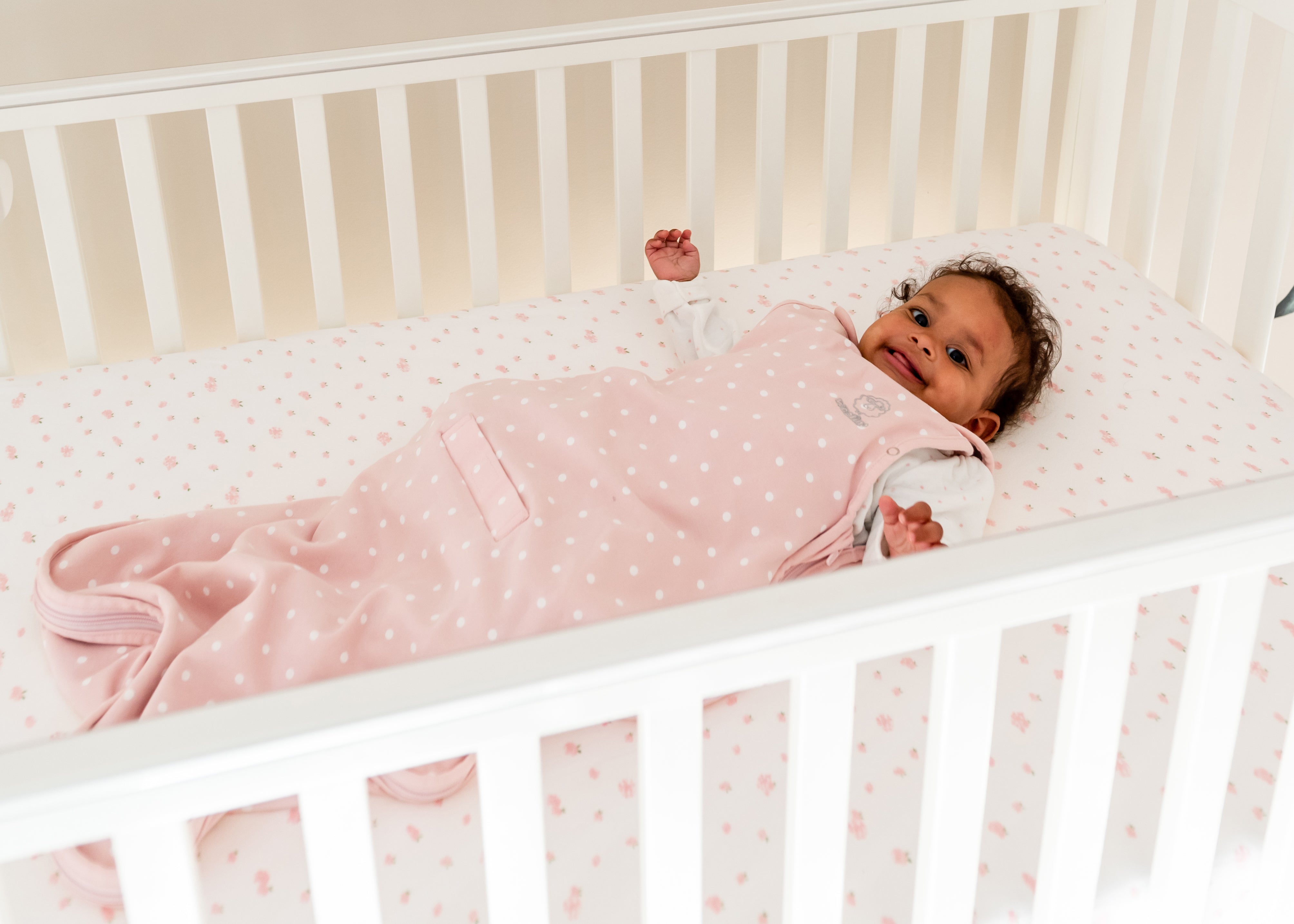
The ideal age range for crib use varies for each baby. Most babies use a crib from birth until toddlerhood. This provides a safe and comfortable sleeping space. Parents often wonder how long their baby should stay in a crib. Understanding the typical duration helps make the right choice.
Typical Duration For Crib Use
Babies usually sleep in cribs from birth to about two to three years old. Around this time, many toddlers start to climb out. This can become unsafe. Some babies may use the crib longer if they stay safe and comfortable. The crib size and type also affect how long it fits well. Convertible cribs can change into toddler beds and extend use.
Signs Baby Is Ready To Transition
Watch for signs your baby is ready to leave the crib. Climbing out often means it is time to change. When your child reaches the crib’s height limit, consider switching. If your toddler resists the crib or struggles to sleep, it may be time. Moving to a toddler bed or twin bed can give more freedom. Safety and comfort are the main reasons to transition.
Safety Considerations In Crib Use
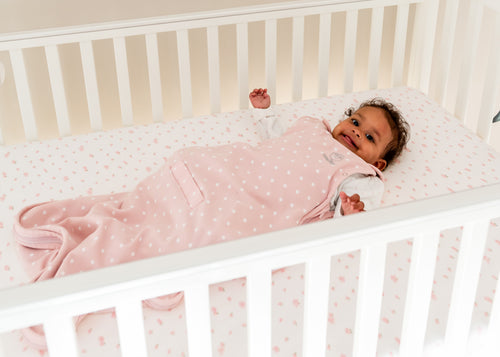
Using a crib safely is very important for your baby’s health. Cribs are designed to protect babies as they sleep and play. Knowing the safety rules helps prevent accidents and injuries. Parents should check the crib often to make sure it stays safe. Small changes can make a big difference in keeping your baby secure.
Understanding crib safety rules can give you peace of mind. It also helps your child grow in a safe space. Let’s look at the key safety points for using a crib.
Crib Safety Standards
Cribs must meet specific safety rules set by experts. These rules cover the materials, design, and construction. The gaps between crib bars should be no wider than 2 3/8 inches. This stops babies from getting stuck. Cribs should have strong sides that do not drop down. Drop-side cribs are unsafe and banned in many places.
Check for a label or certification showing the crib meets safety standards. Avoid older cribs that may not follow current rules. Always follow the manufacturer’s instructions for assembly and use.
Preventing Falls And Injuries
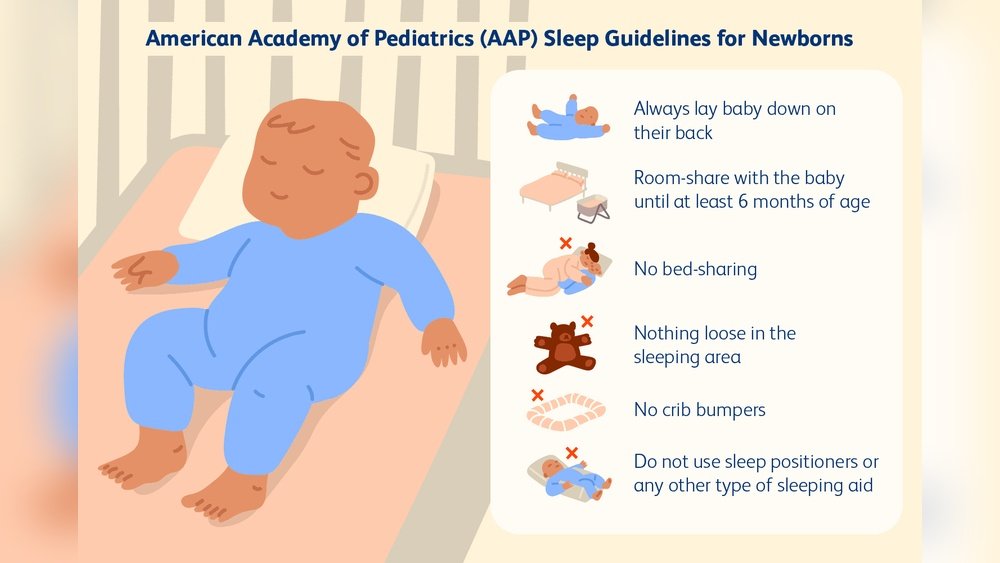
Make sure the mattress fits snugly inside the crib. Loose mattresses can cause babies to get trapped. Keep the crib away from windows, blinds, and cords. Babies can get tangled or fall if these are close. Remove toys, pillows, and heavy blankets from the crib. These items increase the risk of suffocation.
Lower the crib mattress as your baby grows. Babies who can sit or stand need a lower mattress to stop falls. Check the crib regularly for loose screws or broken parts. Fix any problems right away to keep the crib safe.
Transitioning To A Toddler Bed
Transitioning from a crib to a toddler bed is a big step for your child. It marks growing independence and new sleeping habits. This change can be exciting and a bit challenging. Careful planning helps your child feel safe and comfortable.
When To Make The Switch
Most children move to a toddler bed between 18 months and 3 years. Watch for signs like climbing out of the crib or feeling cramped. Your child’s size and activity matter. Safety is the top priority. Moving too early or late can cause stress.
Making The Transition Smooth
Start by talking about the new bed in a positive way. Let your child help pick bedding or a special blanket. Keep the bedtime routine steady to create comfort. Use a nightlight for added security. Stay patient and calm during the change.
Choosing The Right Bed After The Crib
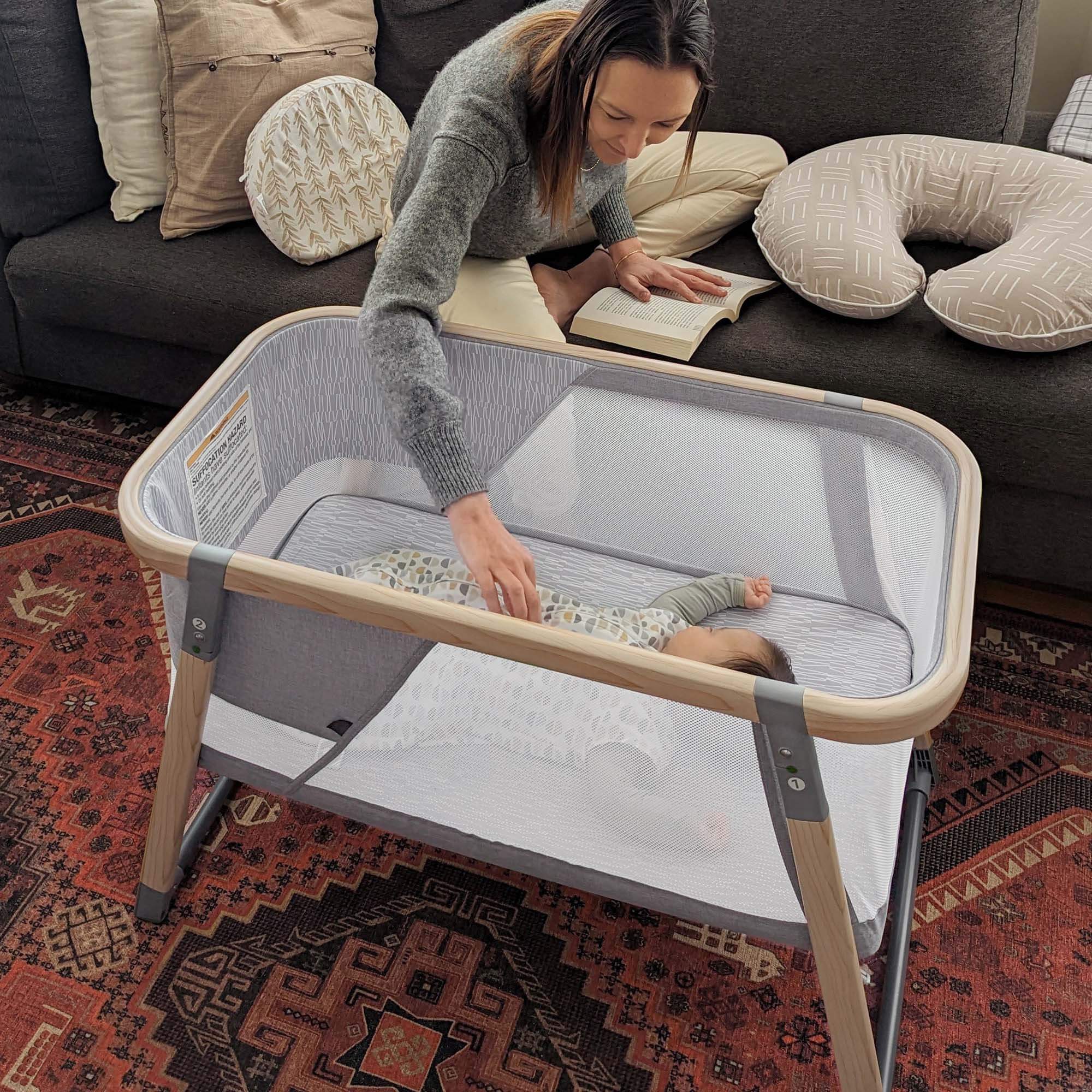
Choosing the right bed after the crib is an important step for your child’s comfort and safety. This change marks a new phase in your child’s growth and development. Selecting a bed that suits their needs helps them sleep better and feel secure. Parents should think about space, budget, and how long the bed will last.
Toddler Beds Vs. Twin Beds
Toddler beds are smaller and closer to the floor. They use the same crib mattress, so there is no need to buy a new one. Toddler beds have safety rails to prevent falls. These beds are perfect for children aged 1.5 to 5 years.
Twin beds are larger and last longer. They provide more sleeping space for growing kids. Twin beds require a new mattress and bedding. These beds suit children over 5 years old or those who outgrow toddler beds quickly.
Factors To Consider
Think about your child’s age and size. How fast is your child growing? Consider the room size and available space. Will the bed fit comfortably without crowding?
Safety is key. Look for beds with sturdy frames and safety rails if needed. Check the height of the bed to avoid falls. Also, think about your budget. Toddler beds usually cost less than twin beds.
Lastly, consider your child’s comfort and preferences. Some kids feel safer in smaller beds. Others like the space of a twin bed. Choose a bed that makes your child feel happy and secure.
Expert Tips For Parents
Knowing how long your baby can use a crib is important. Experts share useful tips to help parents make this transition smooth. These tips focus on building independence and keeping sleep routines steady. Both help your child feel safe and comfortable.
Encouraging Independence
Start by letting your baby explore the crib safely. Show excitement about their new space. Praise small steps toward self-soothing and staying in the crib. Use simple words to explain why the crib is important. This helps your baby feel more confident and calm.
Maintaining Sleep Routines
Keep bedtime routines consistent every night. Use the same songs, stories, and lights. This signals your baby that it is time to sleep. Avoid changes in timing or activities before bedtime. Consistency makes the crib a place for rest and security.
Frequently Asked Questions
How Long Is A Crib Safe For A Baby?
A crib is safe for babies typically up to 2 to 3 years old. Safety depends on the baby’s size and mobility. Once a child starts climbing out, it’s time to switch to a toddler bed to prevent falls and injuries.
When Should You Transition From A Crib?
Transition from a crib when your child starts climbing out or reaches the crib’s height limit. Most children transition between 18 months and 3 years. This change ensures safety and accommodates their growing size and developmental needs.
Can Toddlers Sleep Safely In Cribs?
Toddlers can sleep safely in cribs if they fit comfortably and can’t climb out. Always ensure the crib meets current safety standards. If your toddler shows signs of climbing, consider transitioning to a toddler bed to avoid accidents.
What Factors Affect Crib Usage Duration?
Crib usage duration depends on the child’s growth, mobility, and safety risks. Height and weight limits on the crib also matter. Parents should watch for climbing behavior and switch to a toddler bed accordingly to maintain safety.
Conclusion
Babies usually use cribs until they are about two to three years old. Safety is the most important factor to consider. Watch your child’s growth and behavior closely. When they start climbing out, it’s time to switch. Toddler beds or floor beds work well next.
Each child is different, so trust your instincts. Keep comfort and security in mind always. This helps your child sleep better and stay safe. Choosing the right time to move makes the transition smooth. Your baby’s needs will guide you every step.