Are you sure your baby’s crib is truly safe? When it comes to your little one, nothing is more important than their safety while they sleep.
But how do you know if your crib meets the latest safety standards? You might be surprised how many cribs don’t follow current rules, putting your child at risk without you even realizing it. You’ll discover simple ways to check your crib’s safety and learn what to look for to keep your baby protected every night.
Keep reading—your peace of mind and your baby’s safety depend on it.
Check For Certification Labels
Certification labels on a crib show it meets safety rules. These labels come from trusted groups. They test the crib for strength and safety risks. Checking these labels helps you pick a safe crib for your baby. It also gives peace of mind about your choice.
Look For Jpma Seal
The Juvenile Products Manufacturers Association (JPMA) seal is a key mark. It means the crib passed tough safety tests. This seal confirms the crib meets strict standards. Cribs with this seal have been checked for hazards. This is a sign the crib is safer for babies.
Verify Cpsc Compliance
The Consumer Product Safety Commission (CPSC) sets safety rules for cribs. A compliant crib follows these rules exactly. This includes rules about mattress fit, slat spacing, and materials. Check for labels or tags saying the crib meets CPSC rules. This ensures the crib reduces risks of injury or accidents.

Inspect Crib Construction
Inspecting the crib’s construction is a key step to ensure your baby’s safety. A well-built crib reduces risks of injury or accidents. Focus on small details that make a big difference. Check every part carefully. This helps confirm the crib meets safety standards and is safe for your child.
Examine Slat Spacing
Slats are the vertical bars on the crib sides. They should be close enough to prevent a baby’s head from getting stuck. The standard distance is no more than 2 3/8 inches apart. Use a ruler or a small object to measure the gaps. Wide slats pose a serious safety hazard. Tight spacing keeps your baby secure inside the crib.
Assess Mattress Fit
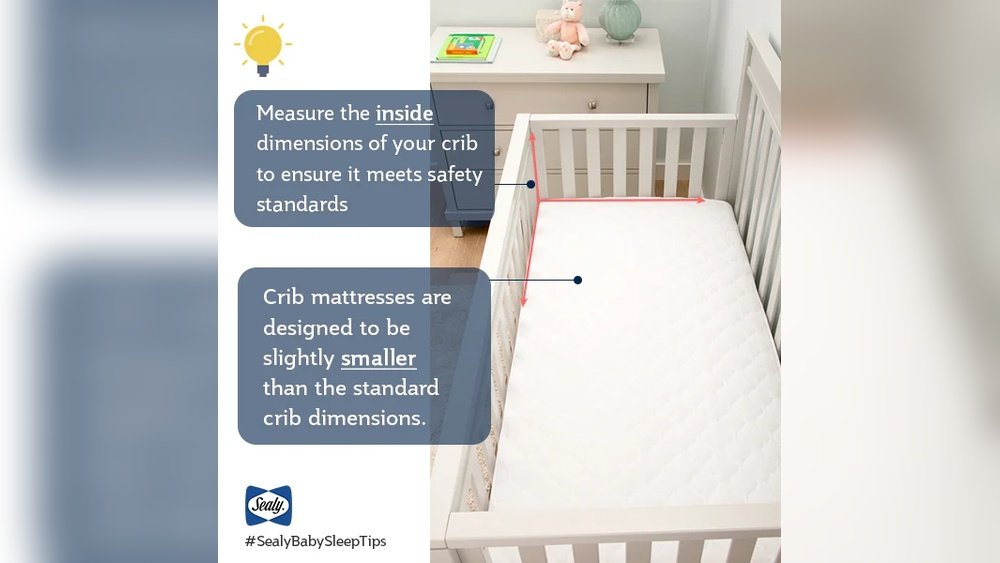
The mattress must fit snugly inside the crib. There should be no large gaps between the mattress and crib sides. A gap larger than two fingers wide is dangerous. Babies can get trapped in these spaces. Check the mattress size against the crib frame. A firm and well-fitting mattress supports safe sleep.
Check For Corner Posts And Cutouts
Corner posts stick out from the crib’s corners. They should not be higher than 1/16 inch. Taller posts can catch clothing and cause strangulation. Cutouts or decorative holes in the headboard or footboard can trap a baby’s body parts. Avoid cribs with large cutouts. Smooth and simple designs are safer for infants.
Review Material Quality
Check the crib’s materials for strong, non-toxic wood or metal. Safe cribs have no sharp edges or loose parts. Certified products meet strict safety rules.
Avoid Toxic Paints And Finishes
Check the crib’s paint and finish carefully. Toxic paints can harm babies. Choose cribs painted with non-toxic, lead-free paint. Look for labels that say “safe for children.” Avoid cribs with strong chemical smells. These might contain harmful substances. Safe finishes protect your baby’s health and keep the crib looking good.
Choose Durable And Safe Materials
The material of the crib affects safety and comfort. Solid wood is a strong, safe choice. Avoid cribs made with cheap particleboard or soft plastics. These materials can break or release harmful chemicals. The crib should feel sturdy and stable. Check for smooth edges and no splinters. Durable materials last longer and protect your baby better.
Evaluate Assembly And Hardware
Evaluating the assembly and hardware of your crib is essential to confirm it meets safety standards. A well-assembled crib prevents accidents and keeps your baby safe. Check every part carefully. Small problems can cause big risks.
Ensure Stable Frame
Start by testing the crib’s frame for stability. Gently shake the crib from different sides. It should not wobble or shift. A stable frame means all parts fit tightly. Loose connections can lead to collapse or injury.
Check For Missing Or Loose Parts
Look closely at all screws, bolts, and other hardware. None should be missing or loose. Missing parts weaken the crib’s structure. Loose parts can fall out or cause the crib to break. Tighten every screw and replace missing pieces right away.
Assess Recalls And Safety Alerts
Assessing recalls and safety alerts is important for crib safety. It helps to know if your crib has any safety problems. This step protects your baby from potential harm. Checking recalls and alerts keeps you informed about product safety. This way, you can act quickly if needed.
Many cribs may have been recalled due to safety issues. Staying aware of these recalls is a key part of crib safety. Safety alerts also warn about new risks or defects. Regular checks for recalls and alerts ensure your crib meets safety standards.
Search For Manufacturer Recalls
Start by visiting the manufacturer’s website. Most brands list recall information clearly. You can also check government recall databases. Enter your crib’s model number to see if it was recalled. Check the date of manufacture to match recall time frames. Keep a record of any recall details you find.
Stay Updated On Safety News
Subscribe to newsletters from safety organizations. Follow official consumer safety websites for updates. Use alerts on your phone or email for new recalls. Join parent forums or social media groups focused on baby safety. These sources share timely recall and safety alert news. Regular updates help you respond to new risks fast.
Consider Age And Condition
Considering the age and condition of your crib plays a big role in its safety. Cribs made many years ago might not meet today’s safety rules. Over time, parts can wear out or break. This can make the crib unsafe for your baby. Checking the crib carefully can help keep your child safe while sleeping.
Avoid Secondhand Cribs Without Verification
Used cribs can be risky without proper checks. Older cribs may not follow current safety laws. Some might have recalls or broken parts. Always ask for the crib’s history before buying. Look for recalls or safety notices online. If you cannot confirm its safety, avoid using it. Newer cribs are often safer and more reliable.
Recognize Signs Of Wear And Damage
Check every part of the crib for damage. Loose screws, cracked wood, or missing parts are red flags. Worn paint can be dangerous if it contains lead. Test the mattress support to see if it feels sturdy. Check for splinters or sharp edges. Any damage can cause harm to your baby. Fix or replace damaged parts before use.
Frequently Asked Questions
How Can I Verify My Crib Meets Current Safety Standards?
Check for a JPMA certification label to confirm compliance with ASTM safety standards. Also, review the Consumer Product Safety Commission (CPSC) guidelines for up-to-date crib safety rules.
What Are The Key Safety Features Of A Compliant Crib?
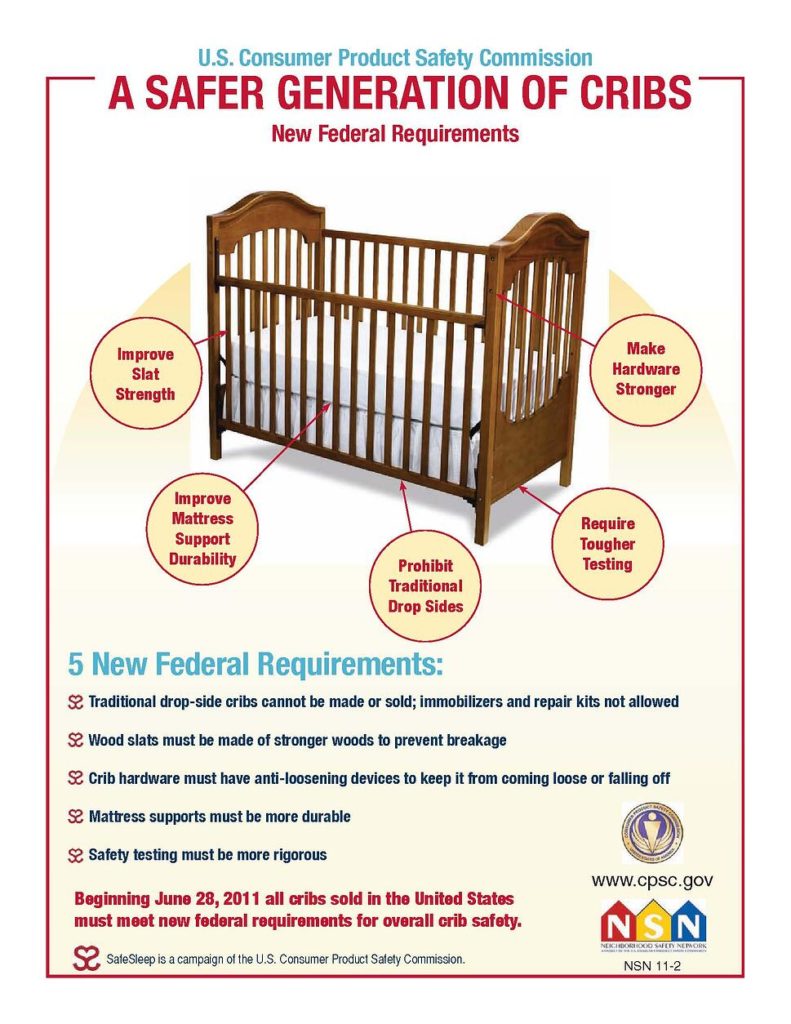
A safe crib has slats no wider than 2 3/8 inches, a firm mattress that fits snugly, and no drop-side rails. Ensure all hardware is secure and there are no sharp edges.
How Often Should I Check My Crib’s Safety Compliance?
Inspect your crib every few months for wear and tear. Also, verify safety recalls and updates annually to maintain compliance with the latest standards.
Can Older Cribs Meet Today’s Safety Regulations?
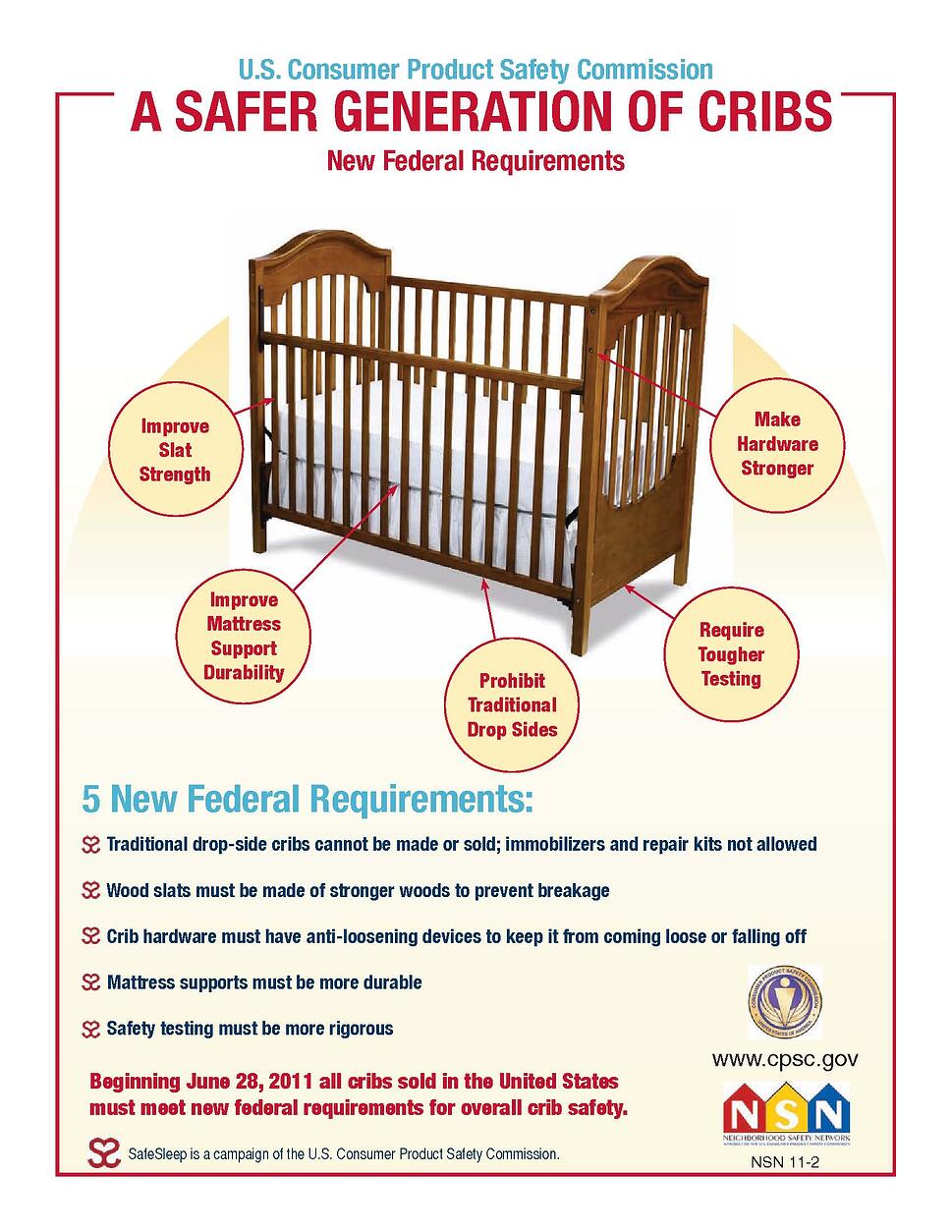
Most older cribs do not meet modern safety standards. It’s best to replace cribs manufactured before 2011 to ensure your baby’s safety.
Conclusion
Checking your crib for safety is important for your baby’s well-being. Always look for labels that show it meets current safety rules. Make sure slats are the right distance apart and no parts are loose or broken. Avoid cribs with drop sides or missing hardware.
Regularly inspect the crib as your child grows. Safety starts with careful choices and ongoing checks. Keep your baby’s sleep space safe and secure every night. Your attention helps protect your little one from harm.