You want the best for your baby, and keeping your bottle sterilizer clean is a big part of that. But how do you make sure it stays spotless and works perfectly every time?
If you’ve ever wondered how to clean and maintain your bottle sterilizer without any hassle, you’re in the right place. This simple guide will show you easy steps to keep your sterilizer safe, efficient, and long-lasting—so you can focus on what really matters: your little one’s health.
Keep reading to learn how small habits can make a big difference.
Choosing The Right Sterilizer
Choosing the right bottle sterilizer is important for keeping your baby’s feeding items clean and safe. The right sterilizer makes the cleaning process easier and faster. It also fits your daily routine and budget. Understanding the types and features helps you pick the best one for your needs.
Types Of Bottle Sterilizers
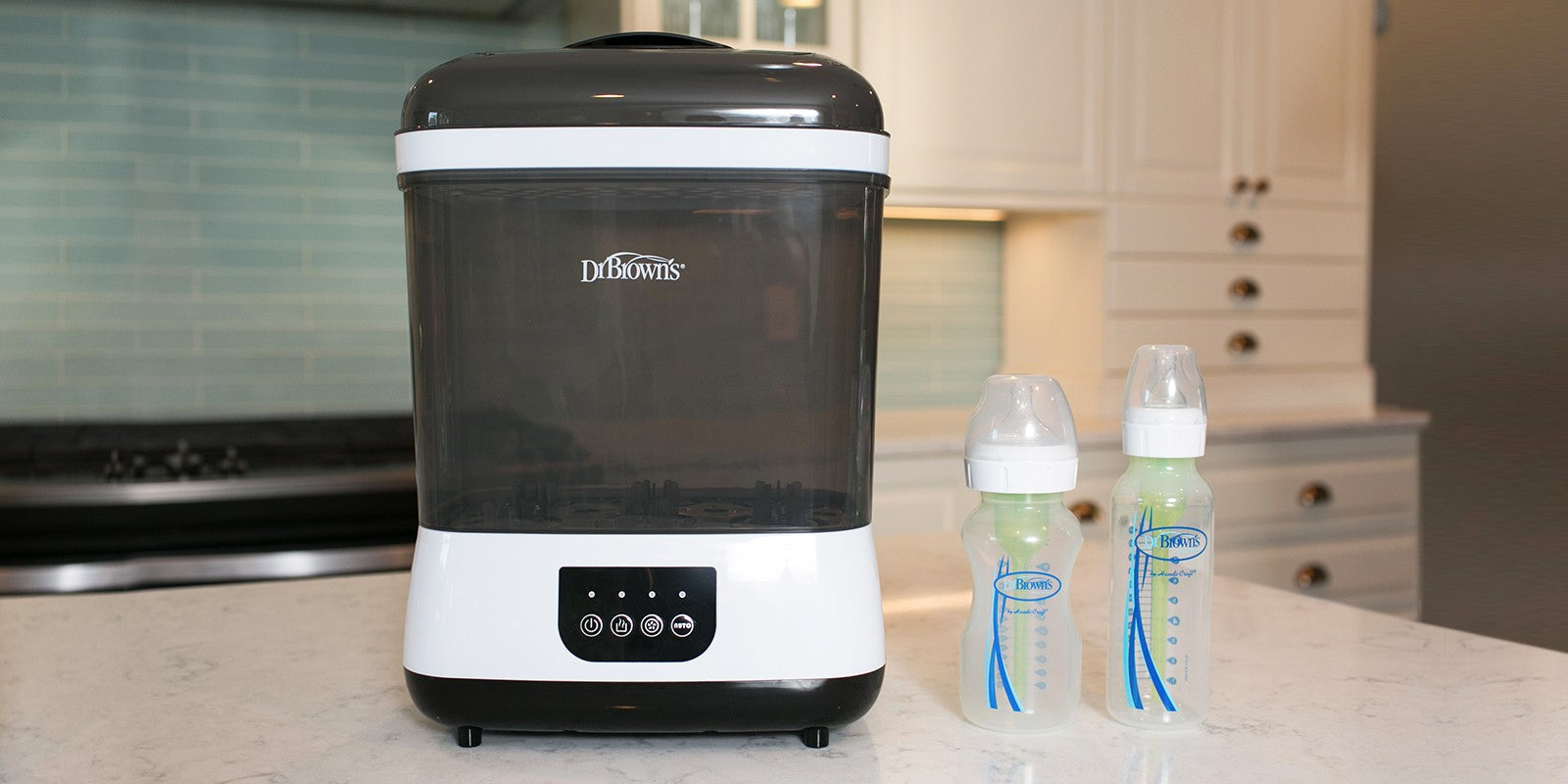
Electric steam sterilizers use steam to kill bacteria quickly. They are fast and easy to use. Microwave sterilizers work by heating water in a special container. They are compact and good for small spaces. Cold water sterilizers use chemicals to clean bottles. They do not need electricity and are good for travel. Each type has pros and cons. Choose based on your lifestyle and space.
Features To Consider
Look for a sterilizer with a timer to control the cleaning time. A large capacity helps if you clean many bottles at once. Easy-to-clean designs save time and effort. Safety features like auto shut-off prevent accidents. Check if it fits different bottle sizes and shapes. Portability matters if you travel often. Select features that make your life simple and safe.
Daily Cleaning Routine
Keeping your bottle sterilizer clean every day helps it work well and stay safe. A simple daily cleaning routine stops germs from building up. It also keeps your baby’s bottles fresh and healthy. Follow these easy steps to clean your sterilizer after each use.
Disassembling The Sterilizer
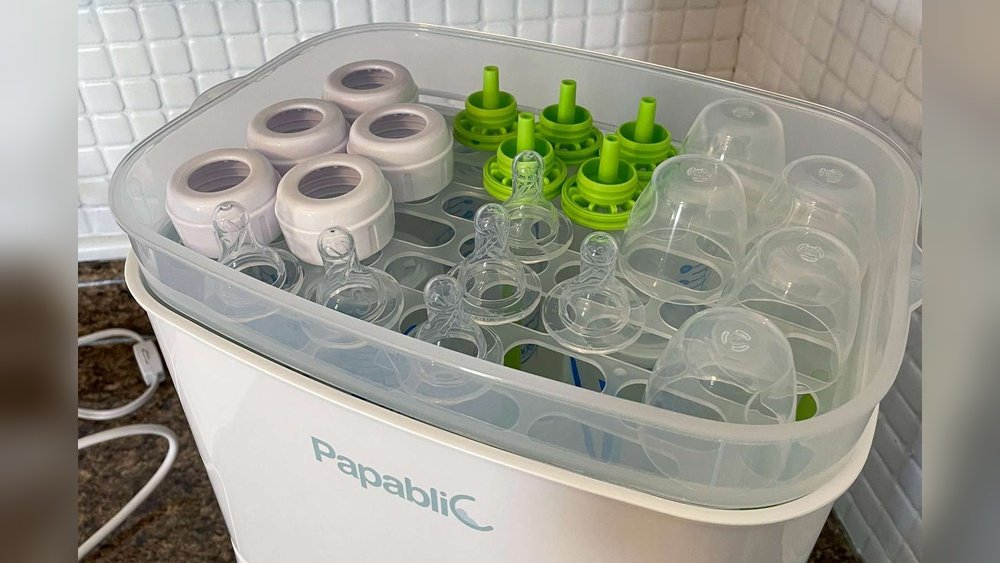
Start by unplugging the sterilizer. Take apart all removable parts carefully. Remove the lid, trays, and any inserts. This lets you reach every corner for cleaning. Handle parts gently to avoid damage.
Wiping And Washing Components
Use warm, soapy water to wash each part. A soft cloth or sponge works best. Clean the heating plate without scrubbing hard. Wipe the inside of the sterilizer chamber. This removes water spots and milk residue. Rinse all parts with clean water.
Drying Properly
Dry all pieces with a clean towel or air dry. Make sure no moisture stays inside the sterilizer. Moisture can cause mold or bacteria to grow. Put the sterilizer back together only when all parts are dry. Store it in a dry place until next use.
Deep Cleaning Methods
Deep cleaning a bottle sterilizer helps keep it working well. It removes buildup that regular cleaning misses. This process improves hygiene and extends the sterilizer’s life.
Use simple tools and safe ingredients for deep cleaning. The steps below help you clean the sterilizer thoroughly and safely.
Removing Mineral Deposits
Mineral deposits build up inside the sterilizer over time. These deposits come from hard water. To remove them, fill the sterilizer with water and add a descaling agent or white vinegar.
Let the solution sit for 30 minutes. Then, scrub gently with a soft brush. Rinse well with clean water before use. This keeps the sterilizer free from blockages and damage.
Using Vinegar And Baking Soda
Vinegar and baking soda are natural cleaners. Pour one cup of white vinegar into the sterilizer. Add two tablespoons of baking soda. The mixture will fizz and help break down dirt and grime.
Leave it for 15 minutes. Use a soft cloth to wipe the inside. Rinse thoroughly with water to remove all residue. This method cleans deeply without harsh chemicals.
Safe Cleaning Solutions
Choose cleaning products that are safe for baby items. Avoid bleach or strong chemicals. Use mild dish soap or baby-safe cleaners instead.
Always rinse the sterilizer well after cleaning. This prevents harmful residues from staying inside. Safe cleaning protects your baby’s health and the sterilizer’s parts.

Maintaining Sterilizer Performance
Maintaining your bottle sterilizer is key to keeping it working well. A clean and well-cared-for sterilizer ensures your baby’s bottles are safe and germ-free. Simple care steps help the device last longer and perform better every time.
Regular Descaling
Mineral build-up can harm your sterilizer’s heating parts. Descale it regularly to remove lime and calcium deposits. Use a gentle descaling solution or vinegar mixed with water. Run a full cycle with the solution, then rinse thoroughly. This keeps the sterilizer clean and running smoothly.
Checking For Wear And Tear
Look over your sterilizer often for cracks or damage. Check the lid, seals, and heating plate carefully. Worn parts can cause leaks or reduce sterilizing power. Spotting problems early stops bigger issues later. Replace any parts that look damaged or worn.
Replacing Parts When Needed
Some sterilizer parts wear out with use. Filters, seals, and trays may need changing. Use parts made for your model to ensure a good fit. Follow the manual instructions for replacement. Fresh parts keep your sterilizer safe and effective for your baby’s needs.
Storage Tips
Proper storage of your bottle sterilizer keeps it clean and ready for use. Good storage habits protect the device from damage and germs. This section covers key tips to store your sterilizer safely and correctly.
Keeping It Dry
Dryness is crucial to prevent mold and bacteria growth. After cleaning, wipe the sterilizer with a dry cloth. Leave it open in a well-ventilated space until fully dry. Avoid sealing the sterilizer while damp. Store in a dry place to keep moisture away.
Avoiding Contamination
Store the sterilizer away from dust and dirt. Use a clean, covered area or a sealed container. Keep it separate from cleaning chemicals and strong smells. Wash your hands before handling the sterilizer. This reduces the risk of transferring germs inside.
Safety Precautions
Cleaning and maintaining a bottle sterilizer requires attention to safety. This prevents injuries and keeps the device working well. Knowing the right safety steps helps protect you and your family.
Handling Hot Components
The sterilizer parts get very hot during use. Always wait for them to cool down before touching. Use a cloth or oven mitt to handle warm parts. Avoid direct skin contact to stop burns. Open the sterilizer lid carefully to let steam escape slowly. Keep children away while the device is hot.
Avoiding Electrical Hazards
Unplug the sterilizer before cleaning or maintenance. Never immerse the electrical base in water. Use a damp cloth to wipe the base gently. Check the power cord for damage regularly. Do not use the sterilizer with a frayed or broken cord. Keep the device away from water to avoid shocks.

Frequently Asked Questions
How Often Should I Clean My Bottle Sterilizer?
Clean your bottle sterilizer after every 3-4 uses. Regular cleaning prevents buildup of limescale and bacteria. Wipe the interior with a damp cloth and follow manufacturer instructions for deep cleaning. This ensures optimal sterilization and extends the device’s lifespan.
What Is The Best Way To Remove Limescale?
Use a mixture of equal parts water and white vinegar. Fill the sterilizer and run a full cycle. Rinse thoroughly with clean water afterward. This natural method effectively dissolves limescale without damaging your sterilizer.
Can I Use Bleach To Clean My Sterilizer?
Avoid using bleach as it may damage the sterilizer and leave harmful residues. Instead, use vinegar or mild dish soap. These options clean effectively and keep your sterilizer safe for baby bottles.
How Do I Maintain My Bottle Sterilizer For Longevity?
Regularly descale using vinegar, wipe down after each use, and store in a dry place. Follow the manufacturer’s guidelines for maintenance. Proper care keeps your sterilizer efficient and durable over time.
Conclusion
Keeping your bottle sterilizer clean helps protect your baby’s health. Regular cleaning stops germs and buildup. Use mild soap and water after each use. Wipe the machine dry to avoid damage. Check parts for wear and replace when needed. Clean the heating plate to keep it working well.
Simple steps make your sterilizer last longer. Clean and maintain it often for safe feeding times. Easy care keeps your baby’s bottles fresh and ready.