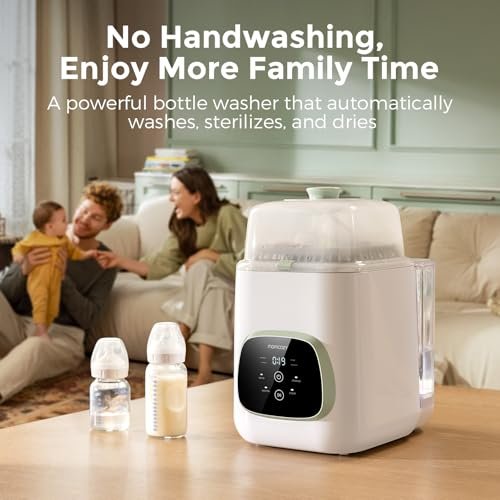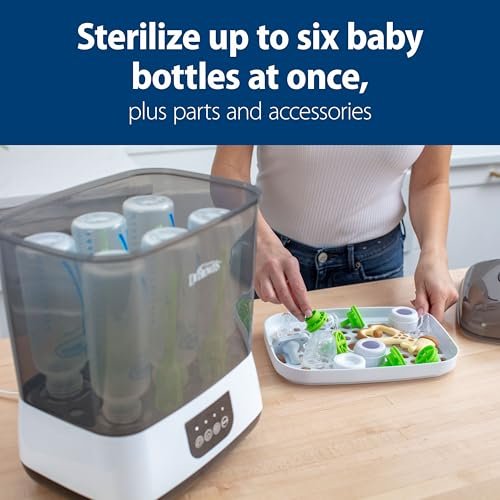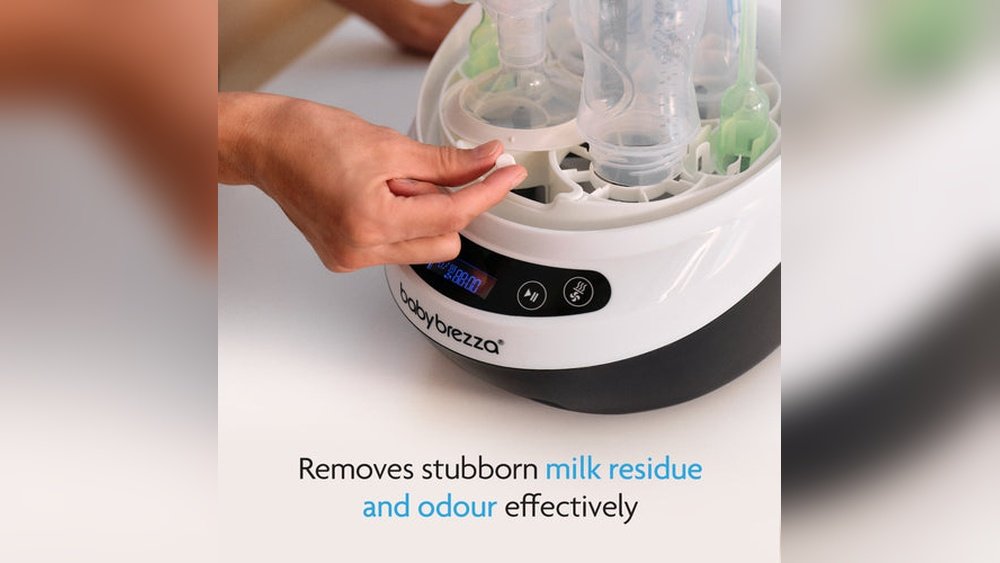
Are you sure your baby’s bottles are truly clean after washing? Milk residue can hide in tiny crevices, and if not removed properly, it might affect your baby’s health.
You want the best for your little one, but do baby bottle washers really get rid of all that milk residue? You’ll discover how effective these washers are, what to look for, and tips to ensure every bottle is spotless.
Keep reading to protect your baby and make feeding time safer and easier.
How Baby Bottle Washers Work
Baby bottle washers are designed to clean bottles quickly and effectively. They use water, detergent, and sometimes steam to remove milk residue. These machines make cleaning easier for busy parents. Understanding how they work helps in choosing the right one.
Types Of Baby Bottle Washers
There are mainly two types of baby bottle washers. The first type is the electric bottle sterilizer with a washing function. It uses heat and water jets to clean and sterilize. The second type is manual bottle washers that use brushes and water. Both types aim to remove milk and germs from bottles.
Cleaning Mechanisms
Baby bottle washers use water jets to reach inside bottles. The jets spray warm water mixed with detergent. This helps break down milk residue stuck on the sides. Some washers use steam to kill bacteria after cleaning. The steam also helps loosen stubborn milk stains. The combination of water, detergent, and steam cleans bottles well.
Common Features
Most baby bottle washers have a timer to control cleaning time. They also include racks to hold bottles in place during washing. Many machines have easy-to-use buttons for different cleaning modes. Some washers use filters to remove dirty water and keep the machine clean. These features improve cleaning efficiency and user convenience.
Challenges Of Removing Milk Residue
Cleaning milk residue from baby bottles is tough. Milk leaves behind sticky layers that are hard to remove. These layers can cling to the bottle’s surface and inside areas. Baby bottle washers try to remove this residue but face many challenges. Understanding these challenges helps to know why cleaning milk residue needs special care.
Properties Of Milk Residue
Milk contains fats, proteins, and sugars. When milk dries, these parts stick tightly to surfaces. The fats create a greasy film. Proteins form a thin, tough layer. Sugars can turn sticky and attract dirt. This mixture makes milk residue hard to wash away. Warm water and soap alone may not remove all parts.
Why Milk Residue Is Difficult To Clean
Milk residue hides in small crevices and corners of bottles. It can build up over time and become tougher. Some parts of the residue resist soap and water. Bottle washers may not reach every spot inside. Low water temperature or short wash cycles reduce cleaning power. Strong scrubbing is often needed to clear the residue fully.
Health Risks Of Residue Build-up
Leftover milk residue can grow harmful bacteria. This may cause infections or stomach problems for babies. Residue can also cause bad odors and tastes. Dirty bottles increase the risk of illness. Removing all milk residue is important for baby safety. Regular and proper cleaning helps keep bottles safe and clean.
Effectiveness Of Baby Bottle Washers
Baby bottle washers are designed to clean bottles quickly and thoroughly. Parents want to know if these machines remove milk residue well. Milk residue can cause bad smells and bacteria growth. Effective cleaning is important for baby health and safety. Let’s explore how well these washers work.
Laboratory Test Results
Laboratory tests show baby bottle washers remove most milk residue. They use hot water and strong jets to clean bottles. Tests found that washers remove grease and milk fats better than cold water alone. Some residue may remain in hard-to-reach corners. Overall, lab results prove good cleaning power.
User Experience And Reviews
Many parents say baby bottle washers save time and effort. Users report bottles feel cleaner and smell fresher after washing. Some mention occasional leftover milk spots on bottle lids or nipples. Most agree washers work well for daily cleaning. Some recommend extra rinsing for stubborn residue.
Comparison With Hand Washing
Hand washing can be effective but takes more time and skill. People may miss spots or not use hot enough water. Baby bottle washers provide consistent temperature and water pressure. Washers reduce human error and clean bottles more evenly. Hand washing still works but requires careful attention to detail.

Factors Influencing Cleaning Performance
Several factors affect how well baby bottle washers clean milk residue. Understanding these can help in choosing the right washer and using it effectively. Each factor plays a role in removing milk and ensuring bottles are safe for babies.
Water Temperature And Pressure
Hot water helps break down milk fats and proteins quickly. Higher temperatures make cleaning faster and more effective. Pressure also matters. Strong water jets can reach tight spots and wash away residues better. Low pressure may leave some milk behind.
Detergent Types
Not all detergents work the same. Some are made for baby bottles and remove milk gently but well. Others might be too harsh or not strong enough. Choose detergents that dissolve milk fats and proteins easily. Avoid harsh chemicals that can harm babies.
Bottle Material And Shape
Plastic, glass, or silicone bottles clean differently. Some materials hold milk residue more stubbornly. The shape matters too. Bottles with narrow necks or complex parts need better cleaning action. Simple shapes are easier to wash thoroughly.
Tips To Improve Cleaning Results
Improving the cleaning results of baby bottle washers helps keep bottles safe and hygienic. Simple steps can make a big difference in removing milk residue effectively. These tips help you get better cleaning with less effort.
Pre-rinsing Bottles
Rinse bottles with warm water before placing them in the washer. This removes leftover milk and prevents it from sticking. Pre-rinsing stops residue buildup and makes washing easier. It also reduces odors caused by milk residue.
Choosing The Right Detergent
Select a detergent made for baby bottles or sensitive skin. These detergents are gentle but strong enough to remove milk fats. Avoid harsh soaps that leave residue or strong smells. Proper detergent helps break down milk and cleans better.
Regular Maintenance Of Washers
Clean the bottle washer regularly to keep it working well. Remove soap scum and milk deposits inside the machine. Check and clean filters and spray arms often. A well-maintained washer cleans more thoroughly every time.

Safety And Hygiene Considerations
Safety and hygiene are key when cleaning baby bottles. Milk residue can cause bacteria to grow fast. Proper cleaning helps keep your baby safe and healthy. Baby bottle washers can remove milk residue well, but some rules must be followed. Understanding these rules helps prevent health risks.
Avoiding Bacterial Growth
Bacteria grow quickly on leftover milk. Washing bottles right after use stops this. Use hot water and soap in the washer. High temperatures kill most germs. Make sure all parts, like nipples and lids, are cleaned. Dry bottles fully to stop bacteria from returning.
Proper Storage After Cleaning
Clean bottles need safe storage. Store them in a dry, clean place. Avoid damp areas where germs can grow. Keep bottles covered to protect from dust and bugs. Use a clean container or shelf for storage. Proper storage keeps bottles safe until next use.
Frequency Of Washing
Wash baby bottles after every use. Milk dries fast and can cause germs. Do not wait to clean bottles. Regular washing keeps bottles fresh and safe. Even if bottles look clean, washing is needed. This habit helps protect your baby’s health every day.
Future Innovations In Baby Bottle Washing
Future innovations in baby bottle washing aim to make cleaning easier and more effective. New technologies will help remove milk residue better and faster. These advances also focus on safety and eco-friendliness. Parents will find washing less time-consuming and more reliable.
Advanced Cleaning Technologies
New baby bottle washers use stronger but gentle cleaning methods. Ultrasonic waves break down milk residue at a tiny level. Steam technology reaches deep inside bottles, killing germs. These methods clean better without harming delicate bottle parts.
Eco-friendly Solutions
Future washers use less water and energy to save resources. Natural cleaning agents replace harsh chemicals for safe washing. Biodegradable filters and parts reduce waste. These solutions help protect the planet while keeping bottles clean.
Smart Washers With Sensors
Sensors detect how dirty the bottle is and adjust the cycle. They ensure thorough cleaning without wasting power or water. Some washers send alerts when cleaning finishes or needs maintenance. Smart washers make bottle care easy and efficient.

Frequently Asked Questions
Do Baby Bottle Washers Remove Milk Residue Completely?
Baby bottle washers effectively remove most milk residue using strong water jets and detergents. However, thorough cleaning requires proper loading and routine maintenance to avoid buildup.
Are Baby Bottle Washers Better Than Hand Washing?
Baby bottle washers provide consistent cleaning and sanitization, reducing germs better than hand washing. They save time and ensure bottles are hygienic for your baby’s health.
How Often Should Baby Bottle Washers Be Cleaned?
Clean baby bottle washers weekly to avoid milk residue buildup and bacteria growth. Regular cleaning ensures optimal performance and safe, clean bottles for your baby.
Can Baby Bottle Washers Remove Dried Milk Stains?
Yes, baby bottle washers can remove dried milk stains if pre-soaked or rinsed. Using warm water and appropriate detergent improves stain removal efficiency.
Conclusion
Baby bottle washers can clean milk residue well. They save time and effort for parents. Regular cleaning helps keep bottles safe for babies. Choosing the right washer ensures better removal of milk fats. Always check the washer’s features before buying.
Clean bottles reduce the risk of infections. Good hygiene supports your baby’s health and comfort. A clean bottle means a happy baby. Trust your cleaning routine to keep bottles fresh.