Are you worried about keeping your baby’s bottles clean and safe every day? You’ve probably seen microwave bottle sterilizers advertised as a quick and easy solution.
But how safe are they really for everyday use? If you want to protect your little one without spending hours cleaning, understanding the truth behind these gadgets is crucial. Keep reading to discover what you need to know before making this important choice for your family.
How Microwave Bottle Sterilizers Work
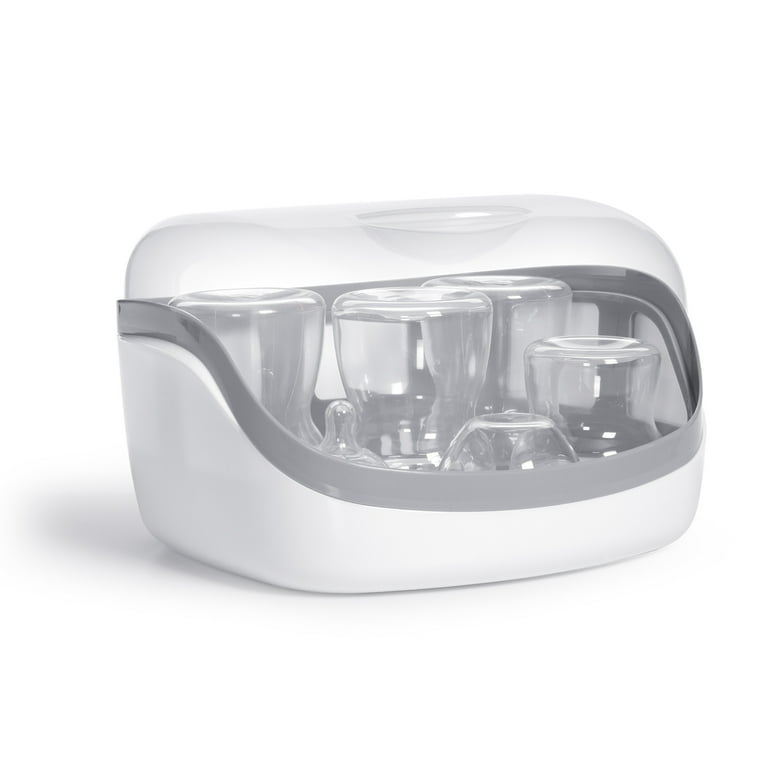
Microwave bottle sterilizers use heat and steam to kill germs on baby bottles. This process helps keep bottles clean and safe for babies. The sterilizers work quickly and use the microwave’s power to create steam inside a sealed container.
Understanding how these devices work can help parents feel confident about daily use. The key parts are steam, temperature, and timing. Each element plays a role in making sure bottles are properly sterilized.
Steam Sterilization Process
Microwave sterilizers create steam by heating water inside a container. The steam reaches all parts of the bottles. This hot steam kills bacteria and viruses effectively. The process uses high temperatures to destroy germs without chemicals.
The steam fills the container and surrounds the bottles. This ensures every surface is cleaned. Steam sterilization is safe and fast, taking only a few minutes.
Types Of Microwave Sterilizers
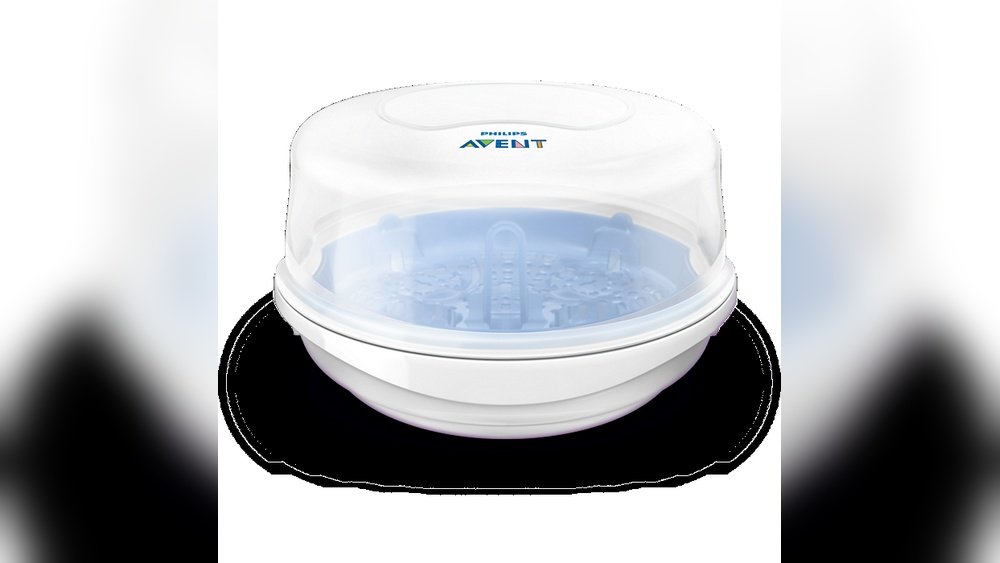
There are two main types of microwave sterilizers. One is a simple plastic container with a lid. The other type uses special trays for bottles and accessories. Both types use steam but differ in design and capacity.
Plastic containers are easy to use and store. Trays help organize multiple items during sterilization. Choose a type based on how many bottles you need to clean at once.
Duration And Temperature Settings
Most microwave sterilizers work in 4 to 8 minutes. This short time is enough to kill harmful germs. The exact time depends on the microwave’s power and the sterilizer model.
The temperature inside reaches around 100°C (212°F). This is the boiling point of water. The steam at this temperature ensures thorough sterilization. Follow the manufacturer’s instructions for best results.
Safety Features To Look For
Choosing a microwave bottle sterilizer means ensuring it has key safety features. These features protect your baby and make the sterilizing process easy. Knowing what to check helps pick a safe and reliable product.
Bpa-free Materials
BPA is a chemical found in some plastics. It can be harmful, especially for babies. A good microwave sterilizer uses BPA-free plastic. This keeps your baby safe from toxic substances. Always check the label before buying.
Automatic Shut-off
This feature stops the sterilizer after the cycle ends. It prevents overheating and saves energy. Automatic shut-off makes the sterilizer safer to use. It also protects the microwave and your kitchen.
Heat-resistant Design
A heat-resistant sterilizer handles high temperatures without damage. It prevents burns and keeps the device sturdy. This design makes cleaning easier and safer. Heat resistance means the sterilizer lasts longer too.
Health Impacts On Babies
Babies have delicate bodies and weak immune systems. Their health depends on a clean and safe environment. Bottle sterilizers help keep feeding equipment free from germs. Understanding the health impacts of microwave bottle sterilizers is important for parents. It helps ensure babies stay safe and healthy every day.
Effectiveness Against Germs
Microwave bottle sterilizers use steam to kill harmful germs. Steam reaches all parts of the bottle and nipple. This process removes most bacteria and viruses. It lowers the risk of infections in babies. The sterilizers work quickly, usually within minutes. Regular use helps maintain a germ-free feeding routine.
Chemical Residue Concerns
Microwave sterilizers do not use chemicals. They rely on steam, which leaves no residue behind. This makes them safer than some chemical sterilizers. No harmful substances transfer to the bottle or baby’s milk. Parents can trust that the sterilized bottles are clean. This reduces worries about chemical exposure in babies.
Impact On Nutrient Retention
Microwave sterilizing does not affect the milk’s nutrients. It only cleans the bottle, not the milk inside. Milk should be prepared fresh or warmed properly after sterilizing. The sterilizing process keeps feeding equipment safe without harming nutrition. Babies get all the vitamins and minerals they need. Safe sterilizing supports healthy growth and development.
Comparing Microwave Sterilizers With Other Methods
Choosing the right sterilizer for baby bottles is important for safety and ease. Microwave sterilizers stand out for quick use. Comparing them with other methods helps understand their benefits and limits. This section explores common sterilizing methods and how microwave options measure up.
Boiling And Electric Sterilizers
Boiling is a traditional way to kill germs. It needs a pot and a stove. The process takes about 10 minutes. It uses high heat but can waste time and energy.
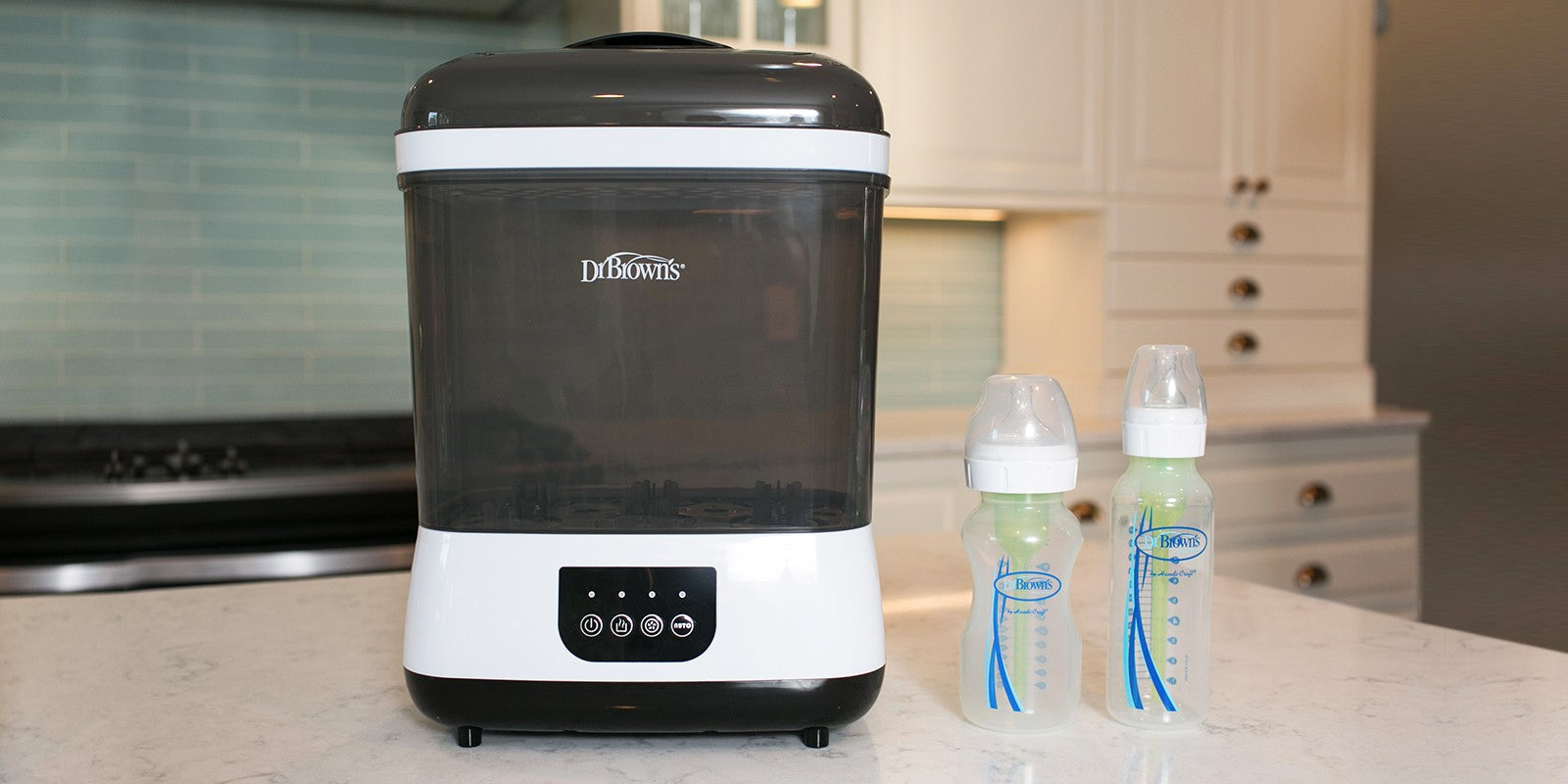
Electric sterilizers use steam to clean bottles. They plug into the wall and work automatically. These devices often hold many bottles at once. They take 15 to 20 minutes to finish. These sterilizers are reliable but less portable.
Uv Sterilizers
UV sterilizers use ultraviolet light to kill bacteria. This method does not use heat or water. It is gentle on bottles and safe for plastics. The process usually takes 5 to 10 minutes. UV sterilizers are modern but can be expensive.
Convenience And Efficiency
Microwave sterilizers are fast and easy to use. They fit in most microwaves and take 3 to 8 minutes. They use steam like electric sterilizers but require no extra power source. This makes them great for travel or small kitchens.
Compared to boiling, microwave sterilizers save time and energy. Compared to UV sterilizers, they are cheaper and more common. The choice depends on your needs for speed, cost, and convenience.
Best Practices For Everyday Use
Using a microwave bottle sterilizer every day can keep bottles clean and safe for babies. Following best practices helps ensure the sterilizer works well and lasts longer. Simple steps before, during, and after sterilizing improve results and protect your baby’s health.
Cleaning Before Sterilizing
Always wash bottles and parts with soap and water first. Remove milk residue and dirt before sterilizing. Dirty bottles can reduce sterilizer effectiveness. Rinse well to avoid soap leftover. Clean bottles help kill more germs during sterilizing.
Proper Loading Techniques
Place bottles and parts standing up inside the sterilizer. Avoid overcrowding to allow steam to reach all surfaces. Separate bottle parts for better cleaning. Follow the sterilizer’s instructions for best results. Proper loading ensures full sterilization of every item.
Frequency Of Sterilization
Sterilize bottles before first use and after each feeding. Daily sterilization keeps harmful germs away. For healthy babies, sterilize at least once a day. Clean bottles quickly after use to avoid bacteria growth. Regular sterilization supports baby’s health and safety.
:max_bytes(150000):strip_icc()/prt-bottle-sterilizers-test-papablic-classic-and-dryer-nick-frasher-1-e835b8b903d542608f1cab1d3d6dc9a6.jpeg)
Expert Tips And Common Mistakes
Using microwave bottle sterilizers daily can be safe and effective. Following expert tips helps avoid common mistakes. These tips protect your baby’s bottles and keep the sterilizer working well.
Avoiding Overheating
Do not run the sterilizer longer than instructions say. Overheating can damage bottles and the sterilizer. Use only recommended water amounts. Too little water causes dry heating and breaks the device.
Maintaining Sterilizer Longevity
Clean the sterilizer after each use. Remove water deposits to prevent buildup. Store it in a dry place to avoid mold. Use gentle cleaning products to protect plastic parts.
Recognizing When To Replace
Check for cracks or discoloration on bottles and sterilizer parts. If steam stops working properly, it may be time to replace. Old sterilizers lose effectiveness and can be unsafe.
Frequently Asked Questions
Are Microwave Bottle Sterilizers Effective For Killing Germs?
Yes, microwave bottle sterilizers effectively kill 99. 9% of bacteria and germs using steam heat. They provide quick and safe sterilization for baby bottles and accessories.
Can Microwave Sterilizers Damage Baby Bottles?
No, microwave sterilizers are designed to be safe for most baby bottles. Always check bottle material compatibility before use to avoid damage.
How Often Should I Use A Microwave Sterilizer?
Use a microwave sterilizer daily or after each feeding to maintain hygiene. Regular sterilization helps protect babies from harmful bacteria.
Is Microwave Sterilization Safe For Everyday Use?
Yes, microwave sterilization is safe for everyday use when following manufacturer instructions. It provides a convenient and chemical-free sterilizing method for baby items.
Conclusion
Microwave bottle sterilizers offer a quick and easy way to clean baby bottles. They use steam to kill most germs safely. Always follow the instructions to avoid damage or accidents. Regular cleaning keeps your sterilizer working well. Many parents find them useful for daily use.
Trust your judgment and pay attention to any signs of wear. Safe use means healthy bottles for your baby every day. Simple, fast, and effective—microwave sterilizers can be part of your routine.