Are you worried about your baby’s safety when choosing a crib? You want the best for your little one, and eco-friendly cribs seem like a great option.
But are they truly safe? You might be wondering if these green choices live up to their promises. You’ll discover the truth about eco-friendly cribs, so you can feel confident and secure in your decision. Keep reading to find out what makes a crib safe and why going eco-friendly could be the right move for your family.
Eco-friendly Cribs Explained
Eco-friendly cribs focus on safety and care for the planet. They use natural materials without harmful chemicals. These cribs help create a safe space for babies and protect the environment. Choosing the right crib means understanding what makes it eco-friendly.
Here is a closer look at the materials used and the certifications that prove a crib is safe and eco-friendly.
Materials Used
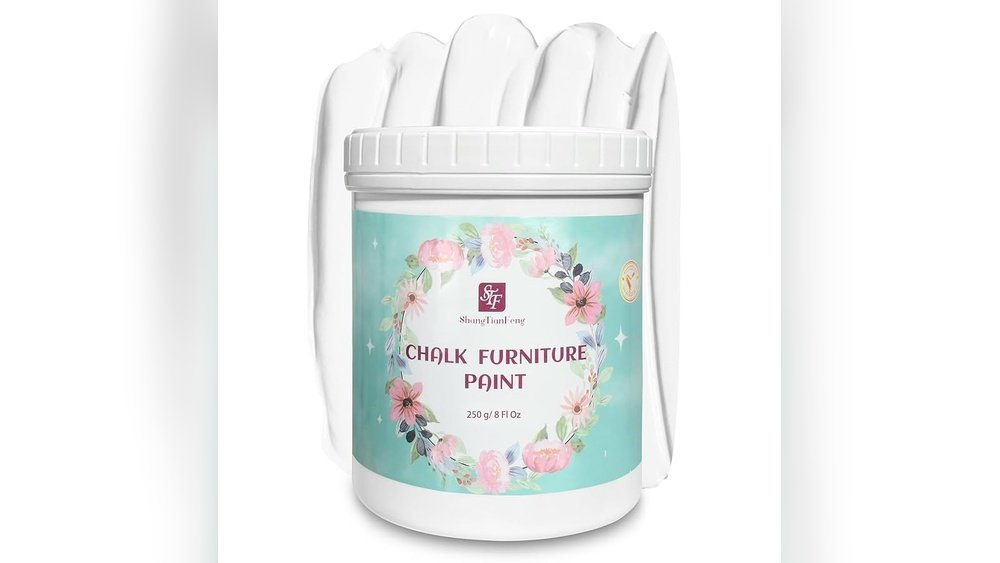
Eco-friendly cribs use natural wood like bamboo, maple, or pine. These woods come from forests that are managed responsibly. Some cribs use recycled or reclaimed wood to reduce waste. Paints and finishes are water-based and free from toxic chemicals. They avoid harmful substances like lead, formaldehyde, and phthalates. Using safe materials lowers the risk of allergies and breathing problems.
Certifications To Look For
Certifications show that a crib meets safety and eco standards. Look for GREENGUARD Gold, which means low chemical emissions. FSC certification ensures the wood comes from well-managed forests. OEKO-TEX Standard 100 checks that textiles are free from harmful chemicals. JPMA certification means the crib passes strict safety tests. These labels help parents find cribs that are safe for babies and the planet.
Safety Standards For Cribs
Safety standards for cribs are very important for parents. These rules help make sure cribs are strong and safe for babies. Both eco-friendly and traditional cribs must follow these rules. This keeps babies safe while they sleep and play in their cribs.
Government Regulations
Government agencies set strict rules for crib safety. These rules cover materials, design, and construction. Cribs must pass tests for stability and durability. They also check for harmful chemicals and choking hazards. Meeting these standards means the crib is safe for babies.
Industry Safety Guidelines
Industry groups create extra safety guidelines for cribs. These guidelines often go beyond government rules. They focus on improving crib quality and safety features. Many eco-friendly crib makers follow these guidelines. This shows their commitment to making safe products for babies.
Benefits Of Eco-friendly Cribs
Eco-friendly cribs offer many benefits beyond just being green. They create a safer space for babies to sleep and grow. Choosing these cribs supports healthier homes and a cleaner planet. Parents find peace of mind in their natural materials and thoughtful design.
These cribs often use fewer chemicals and toxins. They help reduce waste and protect forests. The benefits go far beyond the crib itself. They affect baby’s health and the world they will live in.
Health Advantages
Eco-friendly cribs use natural materials like solid wood. They avoid harmful chemicals found in some conventional cribs. This means less risk of allergies or breathing problems for babies. The paints and finishes are usually non-toxic and safe. Babies spend many hours in their cribs, so safety matters. These cribs reduce exposure to dangerous substances. Parents notice better air quality in rooms with eco-friendly furniture.
Environmental Impact
Eco-friendly cribs come from sustainable sources. Wood is harvested without harming forests or wildlife. Many cribs are made with recycled or reclaimed materials. This helps lower waste in landfills and factories. The production process uses less energy and water. Choosing these cribs supports companies that protect nature. Every eco-friendly crib helps reduce carbon footprints. It’s a small step toward a healthier planet for all children.
Common Safety Concerns
Choosing an eco-friendly crib means caring about your baby and the planet. Safety is the top worry for parents. Some common concerns arise with these cribs. It is important to understand these points clearly. This helps you make a smart choice for your child’s sleep space.
Toxic Chemicals
Many parents fear chemicals in crib materials. Some cribs use paints or finishes with harmful substances. Eco-friendly cribs often avoid these toxic chemicals. They use natural paints and non-toxic finishes. This reduces risks of allergies or breathing problems. Always check for certifications that prove the crib is chemical-free.
Structural Integrity
Strong construction is crucial for any crib. Some worry eco-friendly cribs might be less sturdy. Good quality eco cribs use solid wood and strong joints. They meet strict safety rules to avoid accidents. Test the crib by shaking gently. It should feel firm and stable with no loose parts.
Comparing Eco-friendly And Traditional Cribs
Choosing a crib for your baby involves many important factors. Comparing eco-friendly and traditional cribs helps understand their safety and value. Both types offer benefits and challenges. Knowing these can guide your decision for a safe nursery.
Eco-friendly cribs use natural materials and avoid harmful chemicals. Traditional cribs often use standard wood and finishes. Each type has different qualities in durability and cost.
Durability
Eco-friendly cribs usually use solid wood like bamboo or reclaimed wood. These materials tend to be strong and long-lasting. Natural finishes avoid toxic chemicals that can wear off over time.
Traditional cribs often use painted or laminated wood. The paint might chip or peel, which could harm a child. These cribs can be sturdy but sometimes contain synthetic parts.
Both types meet safety standards. Eco-friendly cribs may last longer if cared for properly. Traditional cribs can also be durable but may need more maintenance.
Cost Factors
Eco-friendly cribs often cost more upfront. The use of natural materials and safer finishes raises prices. This higher cost reflects quality and health benefits.
Traditional cribs usually have lower prices. Mass production and cheaper materials reduce costs. This makes them more accessible for many families.
Consider long-term value. Eco-friendly cribs may last through multiple children. Traditional cribs might need replacement sooner. Think about what fits your budget and priorities.

Tips For Choosing A Safe Eco-friendly Crib
Choosing a safe eco-friendly crib is very important for your baby’s health and comfort. Many parents want to buy cribs made from natural materials. These cribs reduce exposure to harmful chemicals. To ensure safety, you must check several factors before buying.
Below are some simple tips to help you pick a safe eco-friendly crib. These tips focus on quality, materials, and trusted brands. Following them helps protect your baby and gives you peace of mind.
What To Check Before Buying
Look for cribs made from solid wood like bamboo or natural hardwood. Avoid cribs with plastic parts or toxic finishes. Check if the crib uses non-toxic paints or stains certified safe for children.
Make sure the crib meets safety standards from organizations like ASTM or JPMA. Confirm the slats are spaced correctly to prevent baby’s head from getting stuck. Test the crib’s stability by gently shaking it before purchase.
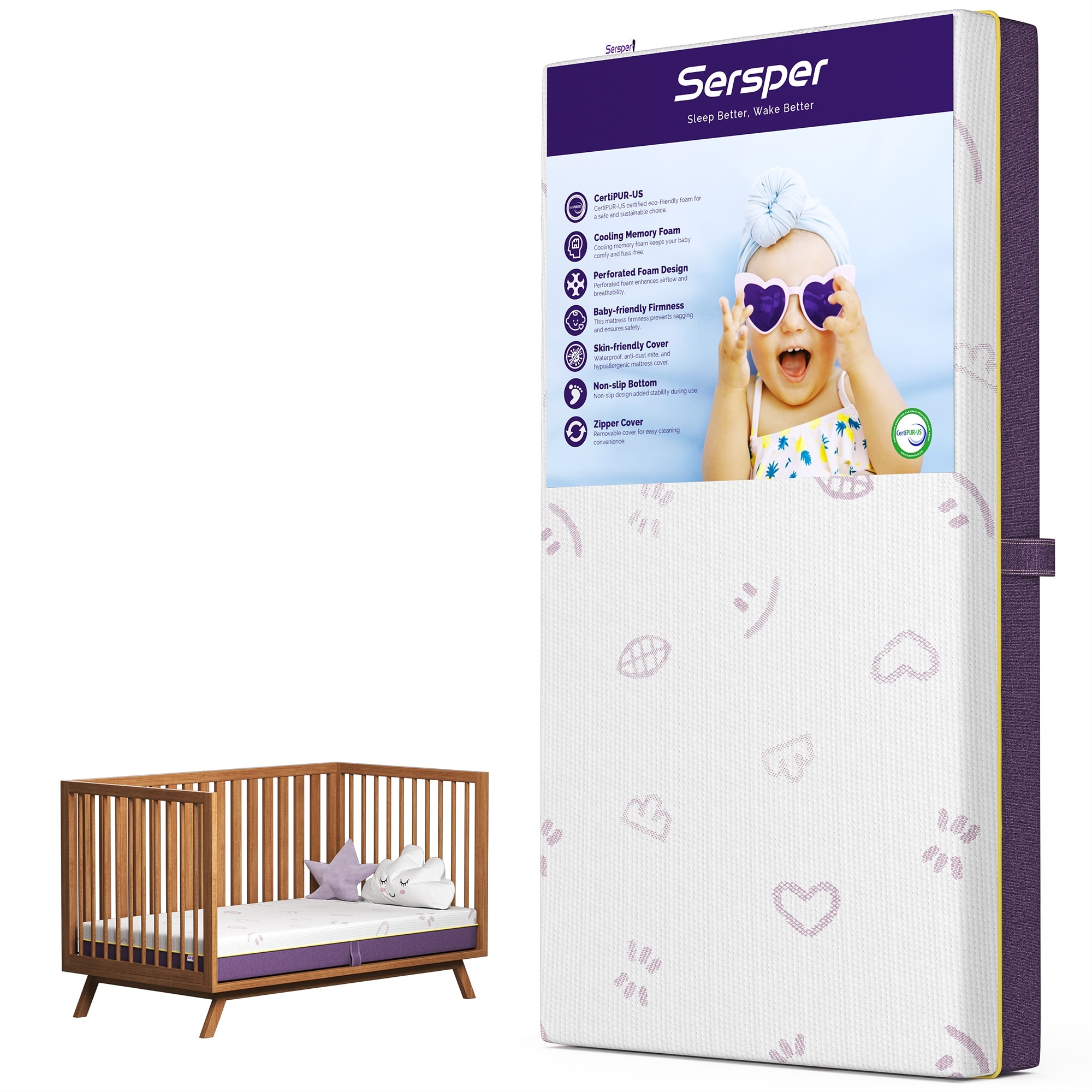
Review the mattress size and firmness. A firm mattress helps reduce the risk of suffocation. Also, check if the crib has no sharp edges or loose parts that could harm your baby.
Trusted Brands
Choose brands known for eco-friendly and safe baby furniture. They often provide clear information about materials and safety tests. Trusted brands follow strict regulations and have good customer reviews.
Many eco-friendly brands use certifications like GREENGUARD or FSC. These labels show the crib is made with care for the environment and your baby’s health. Buying from reputable brands reduces risks and ensures better quality.
Ask other parents or read online reviews to find reliable options. A safe eco-friendly crib means your baby sleeps well in a healthy space.
Maintaining Your Eco-friendly Crib
Maintaining your eco-friendly crib ensures it stays safe and comfortable for your baby. Regular care keeps the crib in good shape and extends its life. Simple steps help you protect your investment and your child’s well-being.
Cleaning Tips
Use mild soap and water to clean the crib’s surface. Avoid harsh chemicals that can damage eco-friendly finishes. Wipe the crib regularly to remove dust and dirt. Dry with a soft cloth to prevent moisture buildup. Clean mattress and bedding often to keep the sleeping area fresh.
Regular Safety Checks
Inspect the crib weekly for loose screws or parts. Tighten any fittings that feel weak or wobbly. Check for cracks or splinters in the wood. Make sure the mattress fits snugly without gaps. Confirm that all locks and latches work properly to avoid accidents.
Frequently Asked Questions
Are Eco-friendly Cribs Free From Harmful Chemicals?
Yes, eco-friendly cribs use non-toxic finishes and sustainable materials. They avoid harmful chemicals like formaldehyde and lead, ensuring safer sleep environments for babies.
How Do Eco-friendly Cribs Improve Baby Safety?
Eco-friendly cribs reduce exposure to toxic substances and allergens. Their sturdy, natural materials also enhance durability and stability, providing a safer crib for your child.
What Materials Are Used In Eco-friendly Cribs?
These cribs often use organic wood, bamboo, or recycled materials. They are finished with water-based, non-toxic paints, promoting a healthier nursery environment.
Are Eco-friendly Cribs More Durable Than Regular Cribs?
Eco-friendly cribs are typically made with high-quality, sustainable wood. This ensures long-lasting strength and safety, often outlasting conventional cribs made from cheaper materials.
Conclusion
Eco-friendly cribs offer a safer space for babies to sleep. They use natural materials free from harmful chemicals. Many parents choose them to protect their child’s health. Quality and safety standards remain high in these cribs. Choosing one means caring for both baby and planet.
Always check for certifications before buying. A safe crib helps your baby rest well and grow strong. Trust your instincts and pick what feels right. Safety and comfort go hand in hand with eco-friendly options.