Are you worried about the safety of drop-side cribs for your little one? You’re not alone.
Many parents wonder if these cribs are a safe choice or a hidden risk. Understanding the facts can help you make the best decision for your baby’s sleep and your peace of mind. Keep reading to discover what you need to know about drop-side cribs and how to keep your baby safe.
History Of Drop-side Cribs
Drop-side cribs once stood as a popular choice for many parents. These cribs featured a side rail that could be lowered or raised. This design aimed to make it easier to pick up or lay down a baby.
The history of drop-side cribs is long and complex. These cribs have been part of nursery furniture for decades. Their convenience attracted many families across different times.
Popularity In Past Decades
Drop-side cribs gained popularity in the 1980s and 1990s. Parents appreciated the ease of access they provided. The design helped reduce strain on the back and arms. Many manufacturers produced these cribs widely during this time.
By the early 2000s, drop-side cribs became a common item in many homes. Many parents chose them for their functionality and style. The cribs were often seen in baby stores and catalogs.
Common Designs And Features
The most common feature was a movable side rail. This side could slide down or detach completely. The mechanism often involved metal tracks or plastic guides. Some models had locking devices to secure the rail.
Materials varied but mostly included wood and metal. The design often included slats for ventilation and safety. Some cribs had additional storage or adjustable mattress heights.
Safety Concerns Linked To Drop-side Cribs
Drop-side cribs once were popular for easy access to babies. But safety problems have raised many worries. These cribs have parts that move down to open the side. This feature can cause risks for infants. Parents and experts have reported several safety issues. Understanding these concerns helps make better choices for baby’s safety.
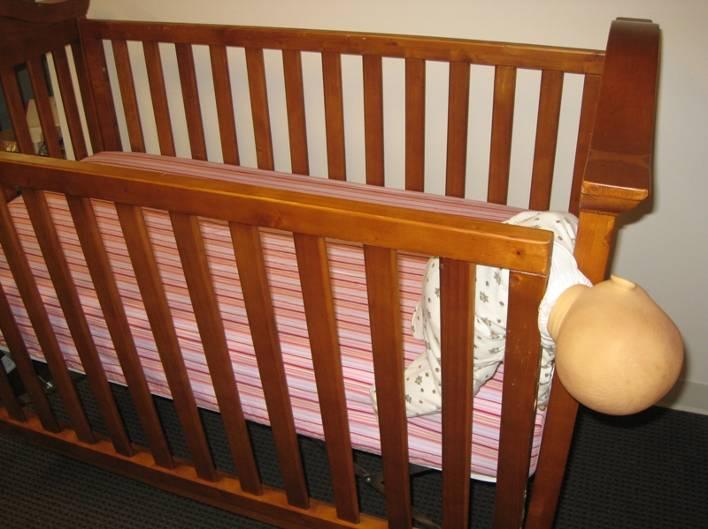
Many problems relate to how the drop-side works. The moving parts can fail or break. This may create gaps where babies can get stuck. Such gaps can lead to falls or suffocation. The risks have led to warnings and bans in some countries. Parents should know what dangers are linked to these cribs.
Reported Incidents And Injuries
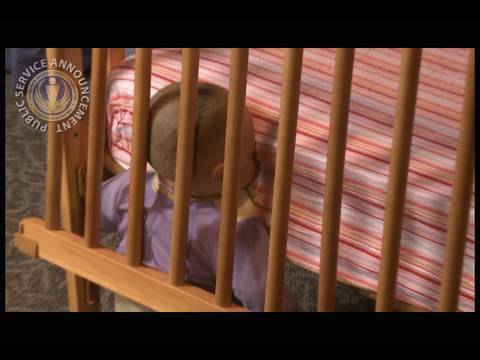
There have been many reports of injuries from drop-side cribs. Babies got trapped between the mattress and the moving side. Some suffered cuts, bruises, or worse. Sadly, some incidents caused serious harm or death. These reports made safety groups issue alerts. Many families shared stories of close calls. This shows the dangers are real and serious.
Mechanical Failures And Risks
Drop-side cribs rely on hardware to work properly. Screws, bolts, and brackets must hold the side securely. Over time, these parts may loosen or break. When this happens, the side can detach suddenly. This creates a large gap that can trap a baby. Also, poor assembly or wear increases the risk. Mechanical failure is a major cause of accidents with drop-side cribs.
Regulations And Bans
Drop-side cribs once were common in many homes. Parents liked the easy access they provided. Safety concerns arose due to accidents and injuries. These worries led to strict rules and bans. Understanding these regulations helps parents make safe choices.
Government Safety Standards
Government agencies set rules for crib safety. These rules focus on preventing accidents and injuries. Drop-side cribs must meet strict guidelines or be removed from sale. The standards include strong hardware and stable designs. Cribs that fail these rules cannot be sold or used.
Recall Actions And Enforcement
Many drop-side cribs faced recalls due to safety risks. Recalls force companies to fix or remove unsafe products. Government agencies monitor the market for dangerous cribs. They enforce recalls to protect babies and families. Parents should check for recalls before using any crib.

Alternatives To Drop-side Cribs
Drop-side cribs have raised safety questions. Parents want safe and reliable alternatives for their babies. Many crib types offer strong safety features and convenience. Choosing the right crib helps keep babies secure and comfortable.
Stationary Cribs
Stationary cribs have fixed sides with no moving parts. They are stable and less likely to cause injury. These cribs meet strict safety standards. Parents prefer them for their durability and peace of mind. Stationary cribs come in many styles and sizes.
Convertible And Portable Options
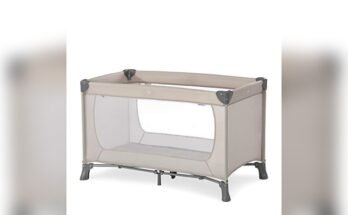
Convertible cribs change as your child grows. They can turn into toddler beds or daybeds. This saves money and space over time. Portable cribs are lightweight and easy to move. They fit well in small rooms and travel situations. Both options focus on safety and flexibility.
Tips For Choosing A Safe Crib
Choosing a safe crib is key for your baby’s sleep and safety. A crib is more than furniture. It protects your child every night. Parents must be careful when selecting one. Safety features matter most. Follow these simple tips to pick the safest crib for your baby.
Checking For Certification
Start by checking if the crib has safety certification. Look for labels from trusted organizations. These certificates prove the crib meets safety rules. Certified cribs follow strict standards for materials and design. Avoid cribs without proper certification. This step helps you avoid unsafe products.
Inspecting For Potential Hazards
Next, carefully inspect the crib for any dangers. Check for sharp edges or loose parts. Slats should be close together to prevent stuck heads. Make sure the mattress fits snugly without gaps. Avoid drop-side cribs, as they pose risks. Always look for sturdy construction and secure hardware. This prevents accidents and keeps your baby safe.
Maintaining Crib Safety Over Time
Maintaining crib safety over time keeps your baby secure and comfortable. Cribs can wear out or loosen parts after months of use. Regular care helps spot issues early, preventing accidents. Safety is not just about the crib model, but how well you maintain it.
Regular Inspections
Check the crib often for loose screws or broken parts. Look for cracks in the wood or metal. Make sure the drop-side latch works properly and locks tight. Inspect the mattress fit to avoid gaps where baby could get stuck. Replace any worn or damaged parts right away.
Proper Assembly And Use
Follow the manufacturer’s instructions carefully when assembling the crib. Use all the screws and parts provided without skipping steps. Avoid adding extra items that were not meant for the crib. Always keep the drop-side locked and never leave it loose. Use the crib as intended to keep your baby safe.
Frequently Asked Questions
Are Drop-side Cribs Still Legal To Use?
Drop-side cribs are banned in many countries due to safety risks. Using them may violate local laws. Check your region’s regulations before using or buying one.
What Safety Risks Do Drop-side Cribs Pose?
Drop-side cribs can trap or suffocate babies if the side detaches. Loose hardware and gaps increase injury risks. This makes them unsafe for infant sleep.
How To Identify A Safe Crib For My Baby?
Choose cribs with fixed sides that meet current safety standards. Look for sturdy construction, proper mattress fit, and certification labels. Avoid secondhand drop-side cribs.
Can Drop-side Cribs Be Modified For Safety?
Modifying drop-side cribs is not recommended. Repairs often fail to meet safety standards and may increase danger. It’s safer to replace with a modern crib.
Conclusion
Drop-side cribs have raised safety concerns over the years. Many experts warn about risks like entrapment and falls. Some models no longer meet safety rules. Choosing a crib with fixed sides is safer. Always check current safety standards before buying.
Your baby’s safety is the top priority. Simple, sturdy designs often work best. Stay informed and make careful choices for peace of mind.