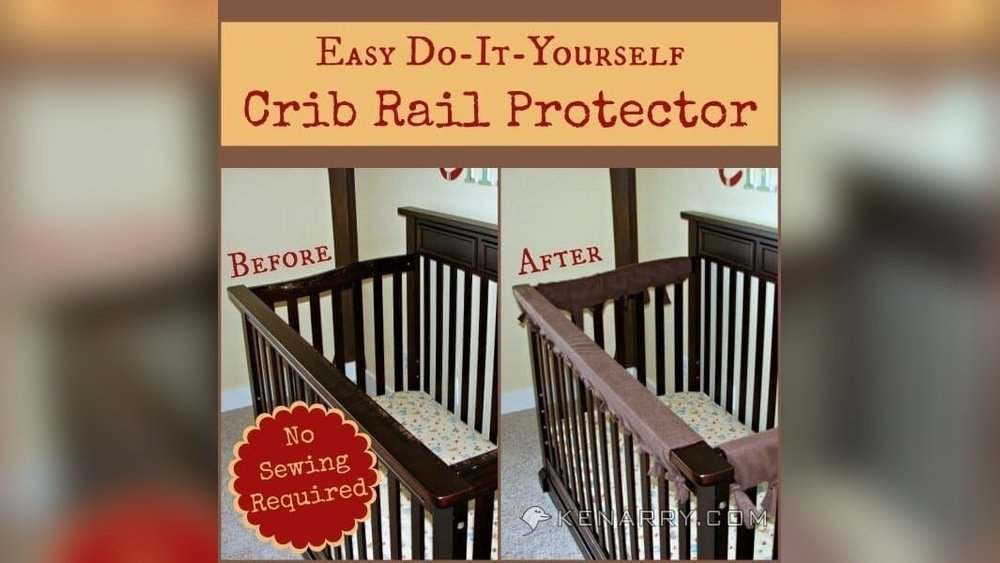
Are you worried about your baby’s teething discomfort and the safety of their crib? You might have heard about crib teething rails but wonder if they’re really necessary.
Choosing the right protection for your little one can feel overwhelming. You’ll discover what crib teething rails do, why some parents swear by them, and whether they’re a smart choice for your family. Keep reading to find out how to keep your baby safe and comfortable during those tough teething months.
Purpose Of Crib Teething Rails
Crib teething rails serve a clear and practical purpose. They protect both the crib and the baby during the teething stage. Babies often chew on the crib rails to soothe their sore gums. Without protection, the crib wood can get damaged or splintered. Teething rails add a safe barrier for babies to bite on.
Protecting The Crib
Teething rails shield the crib’s wood from baby’s chewing. Babies use their teeth to relieve teething pain. This chewing can cause scratches and dents on the crib rails. Over time, the wood may crack or splinter. Teething rails prevent this damage by covering the rails with a durable layer. This keeps the crib strong and looking good.
Comfort For Teething Babies
Teething rails provide a soft surface for babies to chew. Babies feel relief when they bite on something firm but gentle. The rails reduce discomfort in their gums. Some teething rails even have a cool texture to soothe pain. This comfort helps babies stay calm and happy in the crib. It also keeps them from biting unsafe objects nearby.
Types Of Teething Rails
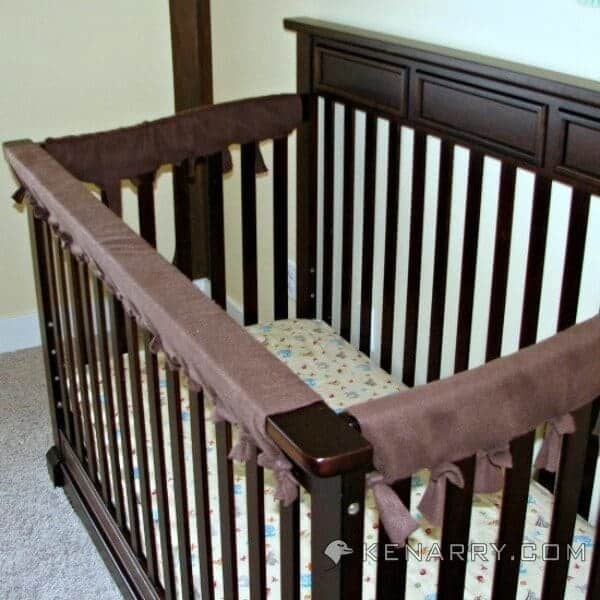
Teething rails protect the crib from a baby’s chewing and biting. These rails come in several types. Each has its own material and features. Choosing the right type helps keep your baby safe and comfortable. Understanding the options makes the decision easier.
Plastic Covers
Plastic covers are hard and smooth. They fit over the crib rail tightly. Babies bite on them without hurting their gums. These covers are easy to clean with soap and water. They last long and protect the crib well. Some designs have small bumps for gum massage.
Silicone Guards
Silicone guards are soft and flexible. They feel gentle on baby’s teeth and gums. These guards wrap around the rail and stay in place. Silicone is safe and non-toxic. It resists stains and dries fast. Babies can chew safely without slipping off.
Fabric Wraps
Fabric wraps are soft and cozy. They cover the rail with padded cloth. Some wraps include teethers sewn into the fabric. These wraps often have fun patterns and colors. They are machine washable for easy cleaning. Fabric wraps add comfort but need frequent washing.
Safety Considerations
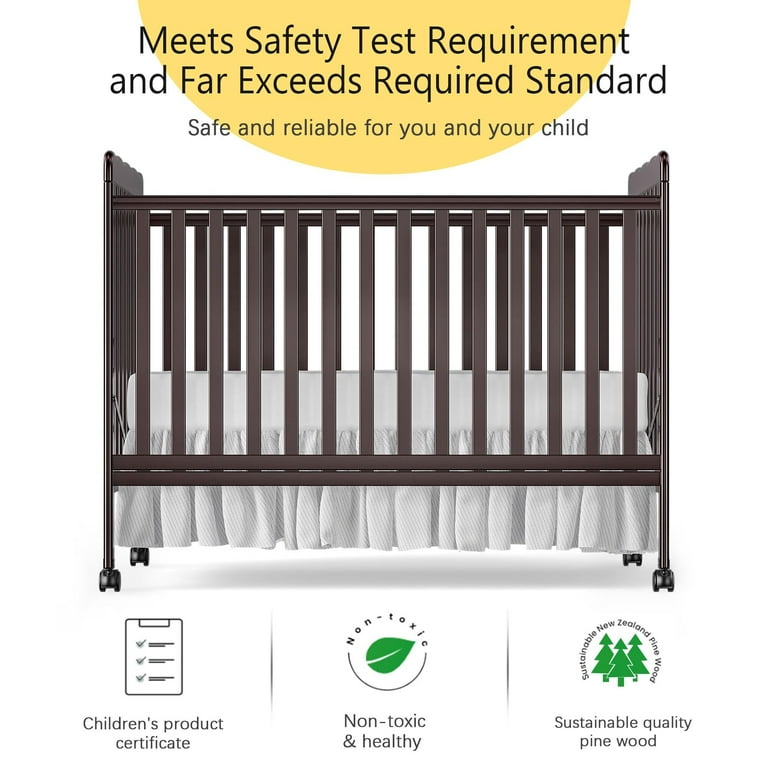
Safety is the top priority when choosing crib teething rails. These rails protect babies from chewing on crib edges. But they must be safe themselves. Parents should check the materials, small parts, and how the rails are fixed.
Material Safety
Choose rails made from non-toxic materials. Babies often chew on them. Avoid harmful chemicals like BPA, phthalates, and lead. Soft materials can prevent injury to gums and teeth. Materials should be durable and easy to clean.
Choking Hazards
Small parts can break off and cause choking. Avoid rails with detachable pieces or loose decorations. Check for secure stitching or strong attachments. Inspect rails regularly for wear and tear. Replace if anything looks loose or damaged.
Installation Tips
Install rails tightly to the crib. Loose rails can become dangerous. Use straps or ties that hold the rail firmly. Follow the manufacturer’s instructions carefully. Make sure no gaps form between the rail and crib. Gaps can trap fingers or limbs.
Benefits For Babies And Parents
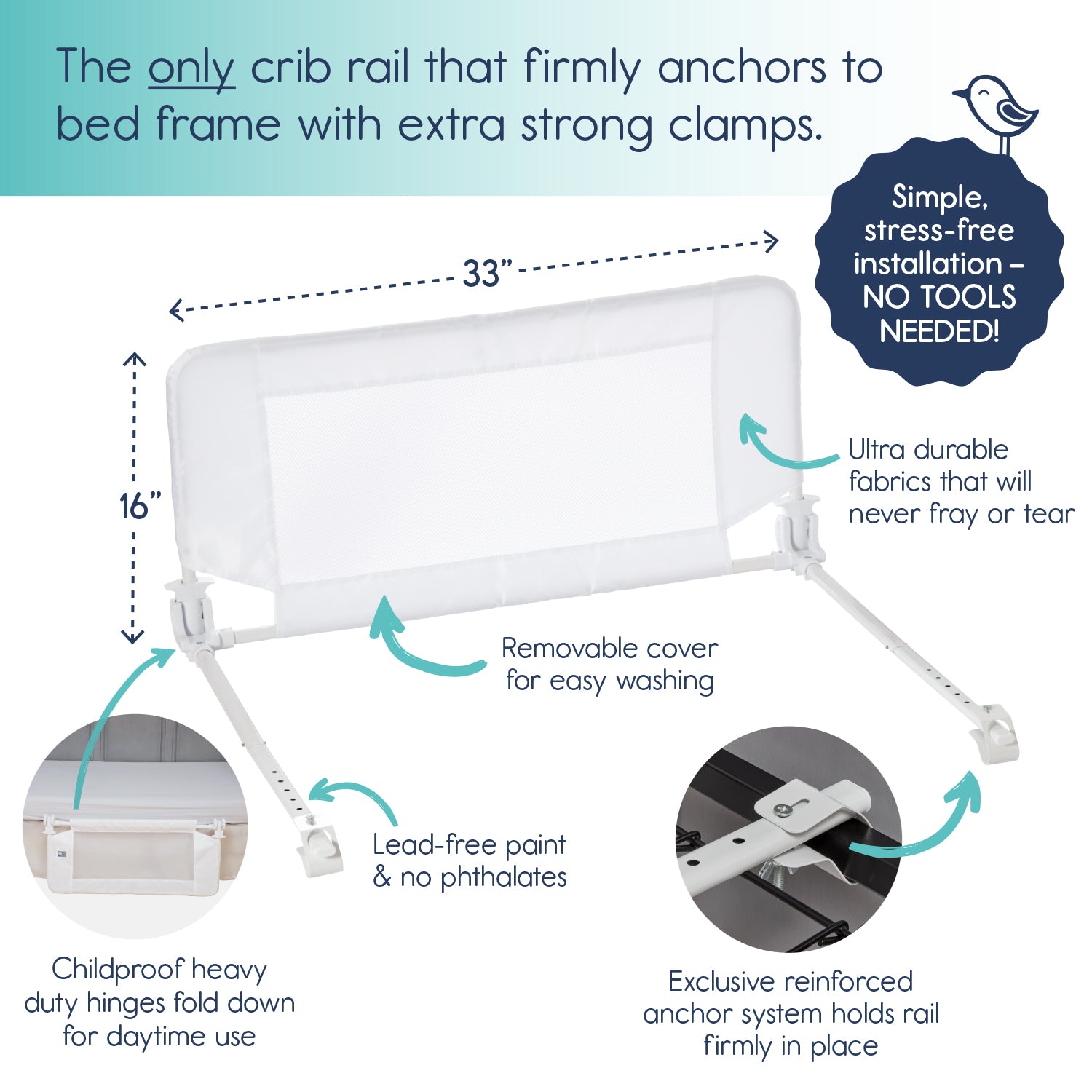
Crib teething rails offer clear benefits for both babies and parents. They create a safer and more comfortable space for teething infants. Parents also find peace of mind knowing the crib stays protected and clean. These rails help manage teething challenges effectively and keep the crib in good shape.
Soothing Sore Gums
Babies often chew on crib rails to ease gum pain. Teething rails provide a soft surface for biting. This helps reduce discomfort and fussiness. They allow babies to soothe their gums safely without harm.
Preventing Damage
Crib teething rails protect the crib from teeth marks and scratches. This keeps the crib looking new longer. Parents avoid costly repairs or replacements. The rails act as a barrier between baby’s teeth and the wood.
Ease Of Cleaning
Teething rails are easier to clean than crib surfaces. They resist saliva and drool stains. Parents can wipe them quickly with a damp cloth. This keeps the crib hygienic and fresh for the baby.
When Teething Rails May Not Be Needed
Not every baby needs teething rails on their crib. Some babies may not chew on crib rails at all. Others might use different ways to soothe their gums. Understanding these differences helps decide if teething rails are necessary.
Baby’s Chewing Habits
Some babies rarely chew on crib rails. They may prefer soft toys or their fingers. If a baby shows no interest in biting the crib, rails might be unnecessary. Watch your baby’s behavior closely to see their chewing habits. This observation can save money and effort on extra accessories.
Alternative Soothing Methods
Babies often use other ways to ease teething pain. Cold washcloths, teething rings, or gentle gum massages work well. These methods keep babies happy without adding anything to the crib. Parents can offer these options before deciding on teething rails.
Expert Opinions And Recommendations
Experts and parents share different views on crib teething rails. Their opinions help parents decide if these rails suit their baby’s needs. Understanding these insights makes the choice easier and safer.
Pediatrician Views
Pediatricians often focus on safety first. Many say teething rails can protect babies from biting hard crib edges. This helps prevent mouth injuries and discomfort.
Some doctors warn about the materials used. They suggest choosing rails made from non-toxic, BPA-free plastic or silicone. This reduces risks of harmful chemicals.
Experts recommend regular cleaning of teething rails. Babies put everything in their mouths, so hygiene is very important. Clean rails help avoid infections.
Some pediatricians think rails are not always necessary. If the crib has smooth, safe rails, extra covers might not be needed. Parents should check the crib condition first.
Parent Experiences
Many parents find teething rails helpful during the teething phase. They say rails reduce damage to the crib and soothe babies’ sore gums.
Some parents report their babies preferred chewing on rails over other objects. This kept babies calmer and less fussy at night.
A few parents felt rails were hard to keep clean. They suggest choosing easy-to-remove and washable covers for better hygiene.
Others believe rails are not necessary if babies do not chew the crib. They recommend watching the baby closely and deciding based on behavior.
Frequently Asked Questions
What Are Crib Teething Rails Used For?
Crib teething rails protect the crib’s edges from baby’s chewing. They prevent damage and keep your baby safe from splinters and harmful materials.
Do All Babies Need Crib Teething Rails?
Not all babies need teething rails. They are useful if your baby chews crib rails during teething, protecting both baby and crib.
Are Crib Teething Rails Safe For Babies?
Yes, when made from non-toxic materials, teething rails are safe. Always choose BPA-free, phthalate-free, and FDA-approved options for baby’s safety.
How Do I Install Crib Teething Rails Correctly?
Installation is simple. Clean the crib rails, then fit the teething guard securely. Make sure it’s tight to prevent choking hazards.
Conclusion
Crib teething rails can protect your baby’s crib from damage. They also offer a safe place for babies to chew during teething. Not every crib needs these rails, but they help keep the crib clean. Some parents find them useful to avoid splinters or scratches.
Choosing the right rail depends on your baby’s habits and safety needs. Think about your baby’s comfort and your peace of mind. In the end, safety and care matter most for your little one.