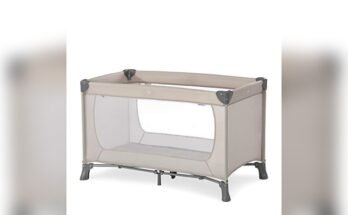
Choosing the right crib for your baby is one of the most important decisions you’ll make as a parent. You want something safe, sturdy, and comfortable.
But when it comes to wooden cribs versus metal cribs, which one truly stands out? If you’ve been wondering which option fits your needs better, you’re not alone. This article will help you understand the key differences, benefits, and drawbacks of each so you can feel confident about what you bring into your baby’s nursery.
Keep reading—you might be surprised by what you discover.
Material Comparison
Choosing the right crib material matters for your baby’s comfort and safety. Wood and metal are the two main options. Each has unique benefits and drawbacks. Understanding these can help you decide what fits your needs best.
Durability Of Wood Vs Metal
Wood cribs often last for many years. They resist wear and can handle bumps well. Metal cribs can be strong but may show scratches or dents more easily. Wood may age better, giving a classic look over time. Metal can sometimes rust if not properly coated.
Safety Features In Each Material
Wood cribs usually have smooth edges and less chance of sharp corners. They often use non-toxic finishes, safe for babies. Metal cribs may have thinner bars, which need careful design to avoid pinching. Both types should meet safety standards for spacing and stability.
Weight And Portability
Metal cribs tend to be lighter and easier to move around. This makes them good for travel or small spaces. Wood cribs are heavier and less portable but offer more stability. Consider your space and how often you move the crib.
Design And Aesthetics
Design and aesthetics play a big role in choosing a crib. Parents want a crib that fits the nursery’s look. The right crib can make the room feel warm and cozy. Style and color also matter. They create a peaceful space for the baby. Both wooden and metal cribs offer unique design options. These choices help parents find the perfect fit for their style.
Style Options For Wooden Cribs
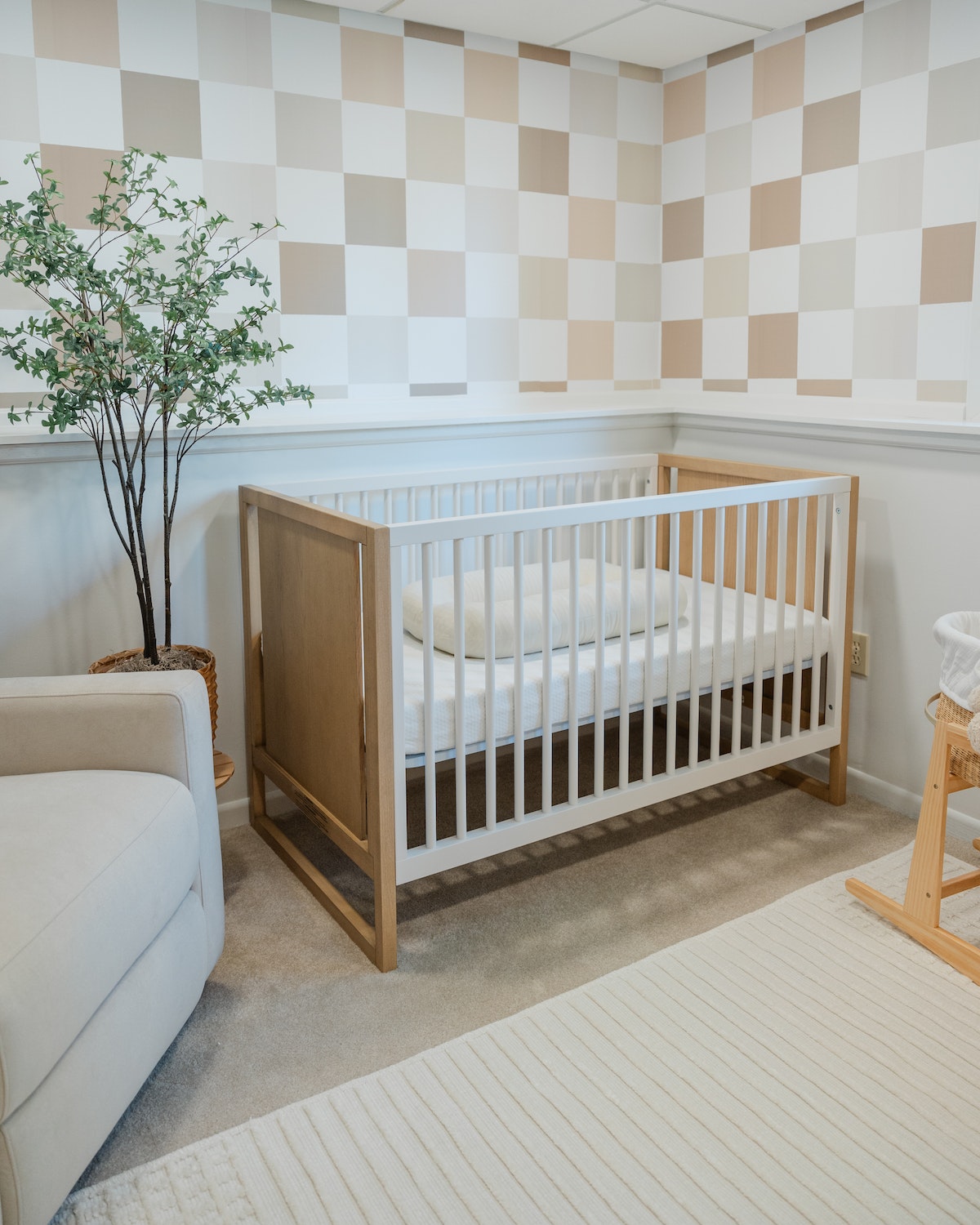
Wooden cribs come in many styles. Classic, modern, or rustic designs are common. The natural wood grain adds warmth to the room. Some wooden cribs have carved details or curved edges. They offer a traditional and cozy feel. Wood colors range from light pine to dark walnut. Parents can pick a finish that matches their taste. Wooden cribs often look like furniture pieces. They blend well with other wooden nursery items.
Metal Crib Designs And Finishes
Metal cribs have a sleek and simple look. They often feature thin bars and clean lines. These cribs suit modern and minimalist rooms. Metal finishes include black, white, silver, and bronze. Some have a shiny or matte surface. Metal cribs can look light and airy in a small room. They also provide a strong and sturdy feel. Designs can be plain or have decorative touches. Metal cribs fit well in trendy and urban nurseries.
Matching Nursery Themes
Both wooden and metal cribs can match many nursery themes. Wooden cribs go well with nature or vintage styles. They create a warm and inviting atmosphere. Metal cribs fit themes like industrial or contemporary. They add a cool and clean look. Parents can add bedding and décor to tie the theme together. Choosing a crib that fits the room makes the nursery feel complete. It helps create a special space for the baby’s early days.
Comfort And Functionality
Comfort and functionality are key factors in choosing the right crib for your baby. A crib must provide a safe and cozy place for your child to sleep. It should also be easy for parents to use every day. Both wooden and metal cribs offer unique benefits in these areas.
Mattress Compatibility
Wooden cribs often fit standard crib mattresses well. Their solid frames hold the mattress firmly in place. Metal cribs may have varied sizes and shapes. This can make finding the right mattress a bit tricky. A good mattress fit is important to keep your baby safe and comfortable.
Adjustability And Features
Wooden cribs usually come with adjustable mattress heights. This helps parents lower or raise the mattress as the baby grows. Some wooden cribs also convert into toddler beds. Metal cribs may offer fewer adjustable options. They often focus more on durability than extra features.
Ease Of Cleaning
Metal cribs are easy to wipe down and keep clean. Their smooth surfaces do not trap dust or dirt. Wooden cribs need gentle cleaning to protect the finish. They may absorb stains if not sealed properly. Both types need regular cleaning to maintain hygiene.
Cost And Maintenance
Cost and maintenance play a big role in choosing between wooden and metal cribs. Parents want a crib that fits their budget and stays in good shape. Understanding the price and upkeep helps make the right choice. Let’s explore how wooden and metal cribs compare in these areas.
Price Comparison
Wooden cribs usually cost more than metal ones. Solid wood cribs can be pricey because of the material and design. Metal cribs often have a lower starting price. They are simpler to make and use less expensive materials. Still, some metal cribs with special features can cost more.
Long-term Maintenance Needs
Wooden cribs need regular care to last long. They may require polishing or cleaning with special wood products. Scratches and dents can happen but are fixable. Metal cribs need less work overall. They clean easily with a damp cloth. Rust can be a problem if paint chips off. Proper care keeps metal cribs safe and strong.
Resale Value
Wooden cribs often keep value better than metal ones. Buyers like the classic look and sturdiness of wood. Metal cribs may lose value faster as styles change. A well-maintained wooden crib can sell for a good price. Metal cribs might sell for less but are still popular for some buyers.
Environmental Impact
Choosing a crib involves thinking about the environment. The materials used affect our planet differently. Wooden and metal cribs each have their own impact. Understanding these effects helps make a smart choice for your baby and Earth.
Sustainability Of Wood
Wood comes from trees, a natural and renewable resource. Many wooden cribs use wood from forests managed carefully. These forests grow new trees to replace the ones cut down. Wood also stores carbon, which helps fight climate change. Using wood from certified sources supports forest health and wildlife.
Recyclability Of Metal
Metal cribs often use steel or aluminum. These metals can be recycled many times without losing quality. Recycling metal saves energy and reduces mining for new materials. It also cuts down waste in landfills. Metal recycling programs are common and effective around the world.
Health Considerations
Wooden cribs usually have fewer chemicals. Natural finishes and paints reduce harmful fumes. Metal cribs may contain coatings or paints with chemicals. Some chemicals can affect indoor air quality. Choosing non-toxic finishes is important for your baby’s health.
User Reviews And Feedback
User reviews and feedback offer real insights into wooden and metal cribs. Parents share their daily use experiences. These help others decide which crib suits their needs best.
Many reviews mention comfort, safety, and design as key points. Durability and ease of cleaning also come up often. Feedback shows what works well and what does not.
Parent Experiences With Wooden Cribs
Parents often praise wooden cribs for their warm look and sturdy feel. Many say these cribs last through multiple children. They find wood easy to match with room decor.
Some parents mention that wooden cribs feel safer and cozier for babies. Assembly is usually described as simple. A few note that wood can get scratched but repairs are easy.
Feedback On Metal Cribs
Metal cribs get high marks for being lightweight and easy to move. Many parents like the modern style and clean lines. Metal is often seen as very strong and long-lasting.
Users appreciate how metal cribs clean quickly with a wipe. Some parents worry about cold metal surfaces for babies. A few find metal cribs less cozy than wood.
Common Complaints And Praises
Wooden cribs receive praise for their classic look and solid feel. Complaints include scratches and heavier weight. Some parents find them harder to move.
Metal cribs are praised for durability and easy cleaning. Complaints focus on cold touch and less inviting design. Some report noise from metal parts during use.
Making The Right Choice
Choosing the right crib for your baby is an important decision. The crib will be a part of your home for many months. Comfort, safety, and style all play a role in your choice. Both wooden and metal cribs have their strengths. Understanding what fits your needs helps in making the best choice.
Factors To Consider
Think about the size of your nursery. Some cribs take up more space than others. Consider how long you plan to use the crib. Wooden cribs often grow with your child. Metal cribs can be lighter and easier to move. Cost is another key factor. Wooden cribs usually cost more but last longer.
Matching Crib To Lifestyle
Families who move often may prefer metal cribs. They are lighter and easier to transport. Wooden cribs fit well in homes with classic or cozy decor. If you want a crib that blends with other furniture, wood is a good choice. Some parents like the natural look and feel of wood. It can make the nursery warm and inviting.
Safety Certifications To Look For
Safety is the top priority when choosing a crib. Look for cribs that meet national safety standards. Certifications like JPMA or ASTM show the crib passed strict tests. Check for non-toxic finishes and sturdy construction. Make sure the slats are close enough to protect your baby. A safe crib gives you peace of mind every night.


Frequently Asked Questions
Are Wooden Cribs Safer Than Metal Cribs?
Wooden cribs are generally considered safer due to fewer sharp edges and better stability. However, safety depends on quality and standards, not just materials. Always choose cribs that meet current safety certifications regardless of wood or metal.
Which Crib Material Is More Durable, Wood Or Metal?
Metal cribs tend to be more durable and resistant to wear. Wooden cribs can last long if well-maintained but are prone to scratches and dents. Durability depends on construction quality and care rather than just the material.
Do Wooden Cribs Offer Better Aesthetics Than Metal Cribs?
Wooden cribs usually provide a warmer, classic look that suits many nursery themes. Metal cribs have a modern, minimalist style but may feel colder. Aesthetic preference depends on your nursery’s design and personal taste.
Are Wooden Cribs Easier To Maintain Than Metal Cribs?
Wooden cribs require regular polishing and care to prevent damage. Metal cribs are easier to clean and less prone to stains. Maintenance varies, but metal cribs often need less frequent upkeep.
Conclusion
Wooden and metal cribs both offer safety and style. Wood feels warm and classic, while metal looks modern and sturdy. Choose based on your taste, budget, and nursery theme. Both types meet safety rules, so your baby stays safe. Think about ease of cleaning and moving the crib too.
The best crib fits your needs and keeps your child comfortable. Take your time to decide what works best for your family.