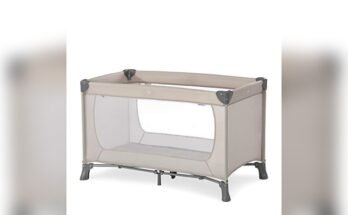
Are you planning a trip with your little one and wondering if a portable baby crib is the right choice? You want your baby to sleep safely and comfortably no matter where you go.
But with so many options out there, how can you be sure a portable crib will keep your child secure? This guide will help you understand the safety aspects you need to consider, so you can travel with peace of mind and focus on making memories with your family.
Keep reading to discover what makes a portable baby crib safe—and which features you should never overlook.
Safety Standards For Portable Cribs
Safety standards for portable baby cribs ensure your child’s protection during travel. These rules help prevent accidents and injuries. Knowing what to check makes choosing safer cribs easier. Parents can trust products that meet these standards.
Understanding these safety measures helps avoid poor quality or dangerous designs. It also guides you to the best crib for your baby’s comfort and security.
Key Certifications To Look For
Certifications show a crib meets strict safety rules. Look for JPMA (Juvenile Products Manufacturers Association) approval. This means the crib passed tests on stability and durability. The CPSC (Consumer Product Safety Commission) label is also important. It confirms the crib follows U.S. safety laws. ASTM International certification means the crib meets global standards. These marks prove the crib is safe for your baby.
Materials And Construction Quality
Strong, non-toxic materials keep babies safe in portable cribs. Check if the fabric is breathable and free from harmful chemicals. The frame should be sturdy and well-built. Avoid cribs with sharp edges or loose parts. Good stitching and secure joints prevent collapse or injury. Quality construction ensures the crib stays safe during travel and use.
Common Risks During Travel
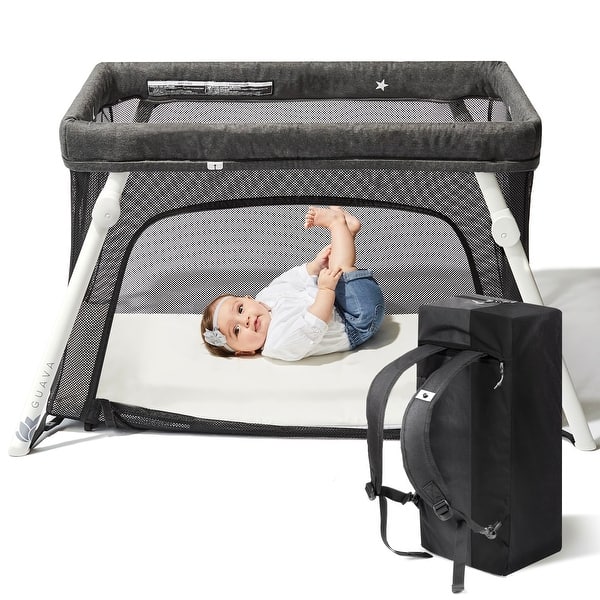
Traveling with a baby means extra care for their safety. Portable baby cribs offer convenience but come with some risks. Understanding these risks helps parents keep their little ones safe. Common risks during travel include stability issues and hazards in new environments. Knowing what to watch for can prevent accidents and ensure a smooth trip.
Stability And Structural Concerns
Portable cribs must be stable on all surfaces. Uneven ground or soft carpets can cause them to tip. Some models may collapse if not locked properly. Loose joints or worn parts reduce crib strength. Always check the crib before use. Stability keeps babies safe from falls or injuries.
Potential Hazards On The Go
Travel spots may have sharp edges or small objects nearby. Babies can reach harmful items if the area isn’t secure. Crib fabrics may trap small fingers or toes. Some portable cribs have gaps where babies can get stuck. Watch out for choking hazards and suffocation risks. A safe travel environment protects your baby at all times.
Choosing The Right Portable Crib
Choosing the right portable crib is important for your baby’s safety and comfort during travel. It also makes your trips easier and less stressful. You want a crib that fits your needs and keeps your baby secure. Consider key factors before buying to find the best option for your family.
Size And Weight Considerations
Pick a portable crib that fits your travel space well. It should be compact enough for your car or luggage. A lightweight crib is easier to carry and move around. Heavy cribs can be hard to handle, especially during long trips. Check the crib’s folded size to ensure it fits your storage needs. The right size helps you travel smoothly without extra hassle.
Ease Of Assembly And Portability
Choose a crib that sets up quickly and simply. Complex assembly wastes time and can frustrate you. Look for models with clear instructions and few parts. Some cribs fold and unfold with one step. Portability also means having a carrying bag or strap. This makes it easier to bring the crib wherever you go. A user-friendly crib saves energy and keeps your travel stress low.
Setting Up Safely Away From Home
Setting up a portable baby crib safely away from home is very important. Different places have different surfaces and spaces. Careful setup keeps your baby comfortable and safe. Follow simple steps to secure the crib and keep sleep safe during travel.
Securing The Crib On Uneven Surfaces
Uneven floors can cause the crib to wobble or tip. Check the ground before placing the crib. Use a small board or folded blanket under the legs to balance it. Make sure all legs touch the floor evenly. Avoid placing the crib near stairs or sharp edges. Tighten all locks and clips firmly to keep the crib steady.
Safe Sleep Practices On The Road
Always use a firm mattress that fits the crib well. Avoid soft bedding, pillows, or toys inside the crib. Dress your baby in light clothes to prevent overheating. Keep the crib away from windows and cords. Follow the same safe sleep rules you use at home. This helps reduce risks and keeps your baby calm on the road.
Maintenance And Cleaning Tips
Keeping a portable baby crib clean and well-maintained is important for your baby’s health. Travel can bring dust and germs. Regular care helps keep the crib safe and comfortable.
Simple cleaning and checking can prevent problems. It also extends the life of the crib. A clean crib means your baby sleeps better and safer.
Keeping The Crib Hygienic
Wipe the crib frame with a damp cloth regularly. Use mild soap and water to remove dirt. Avoid harsh chemicals that can harm your baby.
Wash crib sheets and mattress covers often. Use hot water to kill germs and dust mites. Let them dry completely before putting back on the crib.
Clean any fabric parts like mesh sides carefully. Check the manufacturer’s instructions for washing tips. Regular cleaning stops mold and bacteria from growing.
Inspecting For Wear And Tear
Check the crib’s joints and locks each time before travel. Make sure all parts are secure and work well. Loose parts can cause accidents during use.
Look for cracks or broken pieces on the frame. Replace or fix damaged parts immediately. A broken crib is unsafe for your baby.
Examine the mattress for any signs of wear. A thin or torn mattress can cause discomfort or risk. Keep the crib in good shape for safe travel.

Expert Advice For Peace Of Mind
Traveling with a baby brings many questions about safety and comfort. Portable baby cribs offer a handy solution for parents on the go. Experts stress the importance of choosing the right crib and using it correctly. This advice helps parents feel confident and calm while traveling with their little ones.
When To Avoid Portable Cribs
Not all portable cribs suit every travel situation. Avoid using them if the crib is old or damaged. Cribs with missing parts or broken locks pose risks. Never use a portable crib on uneven or soft surfaces. Babies younger than four months may need more support than some portable cribs provide. Avoid portable cribs that do not meet current safety standards. Always check for recalls before buying a used crib. Safety first.
Alternative Sleep Solutions For Travel
Sometimes, portable cribs are not the best choice. Travel bassinets provide a cozy, smaller space for newborns. Inflatable travel beds offer extra padding but require close supervision. Parents can also use familiar blankets or sleep sacks for comfort. Hotel cribs are an option but check cleanliness and safety first. Choosing the right sleep setup depends on your baby’s age and travel plans. Staying flexible helps ensure safe sleep anywhere.
Frequently Asked Questions
Are Portable Baby Cribs Safe For Overnight Travel?
Yes, portable baby cribs are generally safe for overnight travel. Always check for sturdy construction, proper ventilation, and secure locking mechanisms before use.
How Do Portable Cribs Meet Safety Standards?
Portable cribs meet safety standards by following guidelines from organizations like ASTM and CPSC. Look for certifications to ensure compliance.
Can Portable Cribs Prevent Sids During Travel?
Portable cribs can reduce SIDS risk by providing a firm mattress and breathable sides. Always follow safe sleep guidelines when using them.
What Features Ensure A Portable Crib’s Safety?
Safety features include strong frame, breathable mesh sides, secure locks, and non-toxic materials. These ensure stability and comfort during travel.
Conclusion
Portable baby cribs can be safe for travel if chosen carefully. Always check for strong materials and secure locks. Make sure the crib meets safety standards before use. Keep the crib clean and free from loose parts. Use it on flat surfaces to avoid tipping.
Watch your baby closely while using the crib. Safety comes first, no matter where you go. A good portable crib helps your baby rest well away from home. Choose wisely and travel with peace of mind.