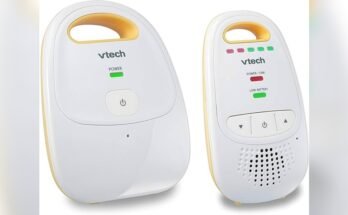
Are you wondering if a video baby monitor is really better than an audio-only one? Choosing the right baby monitor can feel overwhelming.
You want to keep your little one safe, but you also want peace of mind without extra hassle. Imagine being able to see your baby anytime, not just hear them. Would that make you feel more secure? You’ll discover the key differences between video and audio monitors, and why one might suit your needs better.
Keep reading to find out which baby monitor can give you the comfort and confidence you deserve.
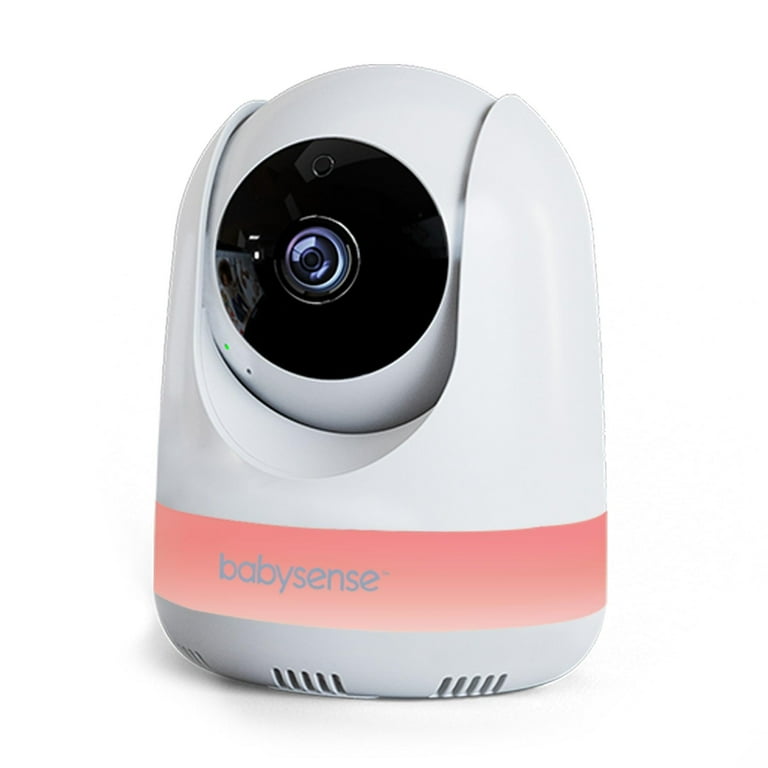
Credit: www.walmart.com
Benefits Of Video Baby Monitors
Video baby monitors offer many benefits over audio-only devices. They give parents more than just sound. Visuals make a big difference in how you watch your baby. This section explains the key benefits of video baby monitors.
Visual Confirmation
Seeing your baby gives peace of mind. You can check if the baby is sleeping or awake. Visual confirmation helps spot any unusual behavior. It reduces worry compared to hearing sounds only. You know exactly what is happening in the nursery.
Enhanced Safety Features
Many video monitors include safety alerts. Some detect movement or unusual noise levels. Others monitor room temperature to keep the baby comfortable. These features help parents react quickly to any problem. The added safety is a clear benefit of video monitors.
Night Vision Capabilities
Night vision lets you see your baby in the dark. It uses infrared light without disturbing the baby’s sleep. This feature works well for nighttime checks. Parents can watch without turning on lights or waking the baby.
Remote Viewing Options
Video monitors often allow remote viewing on phones or tablets. Parents can check the baby from another room or outside. This flexibility adds convenience. You stay connected to your baby no matter where you are at home.
Advantages Of Audio Only Monitors
Audio only baby monitors have many benefits that make them popular. They focus on sound, helping parents hear their baby clearly. These monitors are easy to use and reliable. They offer peace of mind without extra features.
Simplicity And Ease Of Use
Audio monitors are simple devices. You just turn them on and listen. No screens to adjust or settings to change. Parents can focus on their baby without distractions. This ease makes them perfect for busy moms and dads.
Longer Battery Life
Audio monitors use less power than video monitors. They can last longer on a single charge or set of batteries. This means fewer interruptions and less worry about charging. Parents can rely on these monitors for overnight use.
Lower Cost
Audio only monitors usually cost less than video models. They offer good quality at an affordable price. This makes them a good choice for families on a budget. You get clear sound without paying for extra features.
Less Interference
Audio monitors often face less signal interference. They use simpler technology that works well in many homes. This means clearer sound and fewer dropped signals. Parents can trust the monitor to stay connected.
Comparing Video And Audio Monitors
Choosing between a video baby monitor and an audio-only monitor depends on many factors. Both types help parents watch their baby, but each offers different features. Understanding these differences can help decide which fits your needs best. Below is a detailed comparison of video and audio monitors.
Range And Signal Reliability
Audio monitors usually have a longer range than video monitors. They use less power and can pick up sounds from far away. Video monitors send images, which need more bandwidth. This can reduce their effective range. Walls and furniture can block signals for both types. Audio monitors often stay connected better in larger homes.
User Interface And Controls
Video monitors come with screens that show live images. Parents can see their baby’s movements and facial expressions. Audio monitors only play sounds, making them simpler. Video monitors have more buttons and settings to control the camera angle and brightness. Audio monitors focus on volume and sound alerts. Video interfaces may require more time to learn.
Portability And Size
Audio monitors are usually smaller and lighter. They are easy to carry around the house or outdoors. Video monitors include a screen, making them bulkier. Some video units have rechargeable batteries but last fewer hours. Audio monitors often have longer battery life. Portability matters if you move frequently between rooms.
Privacy Concerns
Video monitors can raise more privacy worries. They send live images that could be hacked if not secure. Audio monitors only transmit sounds, which are less sensitive. Some video monitors use encrypted signals for safety. Parents should choose devices with strong security features. Protecting your family’s privacy is important with any monitor.

Credit: www.amazon.sg
Situations Suited For Video Monitors
Video baby monitors offer clear advantages in many parenting situations. They provide visual feedback along with sound. This helps parents feel more connected and secure. Seeing your baby often reduces stress and allows quick reactions. Some situations benefit more from video monitors than audio-only devices.
Monitoring Newborns
Newborns need close attention. They may stop breathing or move oddly. Video monitors let parents watch breathing and body movements. This helps catch problems early. Visual cues are crucial for newborn safety. Audio alone might miss subtle signs.
Parents With Hearing Impairments
Parents with hearing loss find video monitors very useful. Sounds might not always be clear or loud enough. Video lets them see their baby’s actions directly. Visual alerts can replace or support audio alerts. This ensures parents stay informed and responsive.
Multiple Child Monitoring
Families with more than one child often need to watch several rooms. Video monitors with multiple cameras simplify this. Parents can switch views quickly. Seeing each child helps track their safety. Audio alone can be confusing with many sounds at once.
High-risk Sleep Environments
Babies who sleep in risky conditions need extra care. These include premature infants or babies with health issues. Video monitors provide constant visual checks. Parents can spot unsafe positions or breathing troubles faster. This extra layer of safety aids peace of mind.
When Audio Monitors Are Enough
Audio baby monitors can be enough for many parents. They let you hear your baby’s sounds clearly. For some situations, video monitors may not add much value. Simple audio monitoring covers basic safety and peace of mind.
Choosing audio only can save money and reduce distractions. It depends on your baby’s age and your personal needs. Here are some common cases where audio monitors work well.
Older Babies And Toddlers
Older babies move more and make louder noises. Parents often do not need to watch them constantly. Hearing their sounds is enough to know they are okay. Audio monitors work well once the baby starts walking or talking.
Budget-friendly Options
Audio monitors cost less than video monitors. They are easier to find and buy. For families on a tight budget, audio models offer good safety at a low price. They still provide reliable sound alerts and good battery life.
Minimal Tech Preferences
Some parents prefer simple devices with fewer features. Audio monitors have a straightforward design and easy use. They do not require Wi-Fi or apps. This reduces worries about privacy and technical issues.
Backup Monitoring
Audio monitors can serve as a backup to video monitors. If video fails, the audio still works. Having two types of monitors increases security. It ensures you never miss important sounds from your baby.
Key Features To Consider
Choosing between a video baby monitor and an audio-only one depends on several key features. These features affect how well the monitor works and how easy it is to use. Understanding them helps parents pick the right monitor for their needs. Here are the main features to consider for baby monitors.
Battery Life And Power Options
Battery life is very important for baby monitors. Long battery life means less charging and more peace of mind. Some monitors use rechargeable batteries, while others use replaceable ones. Some models also allow you to plug them into power outlets. A monitor with flexible power options is best for continuous use.
Connectivity And Range
Connectivity affects how well the monitor transmits sound and video. Most monitors use Wi-Fi or radio frequency signals. Wi-Fi monitors offer remote access through apps on phones. Range is the distance the monitor can cover without losing signal. A strong range ensures you can move around the house freely.
Sound And Video Quality
Good sound quality lets you hear your baby clearly. Crisp sound helps you know if your baby is crying or just moving. Video quality matters for video monitors. Clear images with good night vision make it easier to see your baby in the dark. Both sound and video quality help you stay connected and calm.
Additional Functionalities
Extra features can improve your monitoring experience. Some monitors have two-way talk, allowing you to soothe your baby remotely. Temperature sensors help you check the room’s comfort. Others offer lullabies or motion alerts. Choose features that fit your lifestyle and needs.
Tips For Choosing The Right Monitor
Choosing the right baby monitor can feel tricky. A good monitor helps you watch your baby closely. It gives peace of mind during nap time and night. Here are some tips to help you pick the best one for your family.
Assessing Your Needs
Think about your home size and layout. Do you need a monitor that works through walls? Consider how much you move around while watching your baby. Some monitors have longer ranges. Decide if you want video or audio only. Video monitors show your baby’s face and movements. Audio monitors let you hear sounds clearly. Think about your budget too.
Testing Before Buying
Try the monitor in your home before buying. Check the picture and sound quality. See if the signal is strong in different rooms. Test how easy the monitor is to use. Look at the screen size and brightness. Try the night vision if you want video. Make sure the controls feel simple and quick.
Reading Reviews And Ratings
Read what other parents say about the monitor. Look for common problems or praise. Check if the monitor lasts long and is reliable. See if the company offers good customer service. Reviews help you avoid models with hidden issues. Ratings give a quick idea of quality.
Considering Future Use
Think about how long you will need the monitor. Some models grow with your child and have extra features. Features like temperature sensors or lullabies can be useful. Consider if you want to use it for twins or multiple rooms. Pick a monitor that can adapt to your family’s needs.

Credit: www.ebay.com
Frequently Asked Questions
What Are The Advantages Of Video Baby Monitors?
Video baby monitors offer visual monitoring, allowing parents to see their baby. They provide peace of mind and help detect issues early. This visual access is especially useful for newborns and anxious parents.
How Do Video Monitors Improve Baby Safety?
Video monitors let parents watch their baby’s movements and environment. This helps spot hazards like unsafe sleeping positions or objects nearby. Real-time video alerts enhance response time to potential dangers.
Are Video Baby Monitors Harder To Use Than Audio Ones?
Most video baby monitors are user-friendly with intuitive controls. Modern devices often include easy setup and wireless connectivity. They combine audio and video, providing more comprehensive monitoring without complexity.
Do Video Monitors Affect Baby’s Sleep Quality?
Video monitors allow quiet observation, reducing the need for physical checks. This minimizes disturbance to the baby’s sleep. The soft video display and audio help maintain a calm environment.
Conclusion
Choosing between a video baby monitor and an audio-only one depends on your needs. Video monitors show your baby’s movements and surroundings clearly. Audio monitors let you hear sounds but not see your baby. Video helps you feel closer and more secure.
Audio monitors are simple and often less expensive. Think about your budget and how much you want to watch your baby. Both types keep your baby safe. Pick the one that fits your lifestyle best. Peace of mind matters most for any parent.