Are you wondering if your baby monitor can do more than just let you hear your little one? Imagine being able to see every smile, every yawn, and every tiny movement without being in the same room.
Can baby monitors record video, and if so, how does that work? Understanding this can give you peace of mind and help you keep a closer eye on your baby’s safety. Keep reading to discover everything you need to know about video recording features in baby monitors and how they can make your parenting life easier.

Credit: www.amazon.com
Video Recording Capabilities
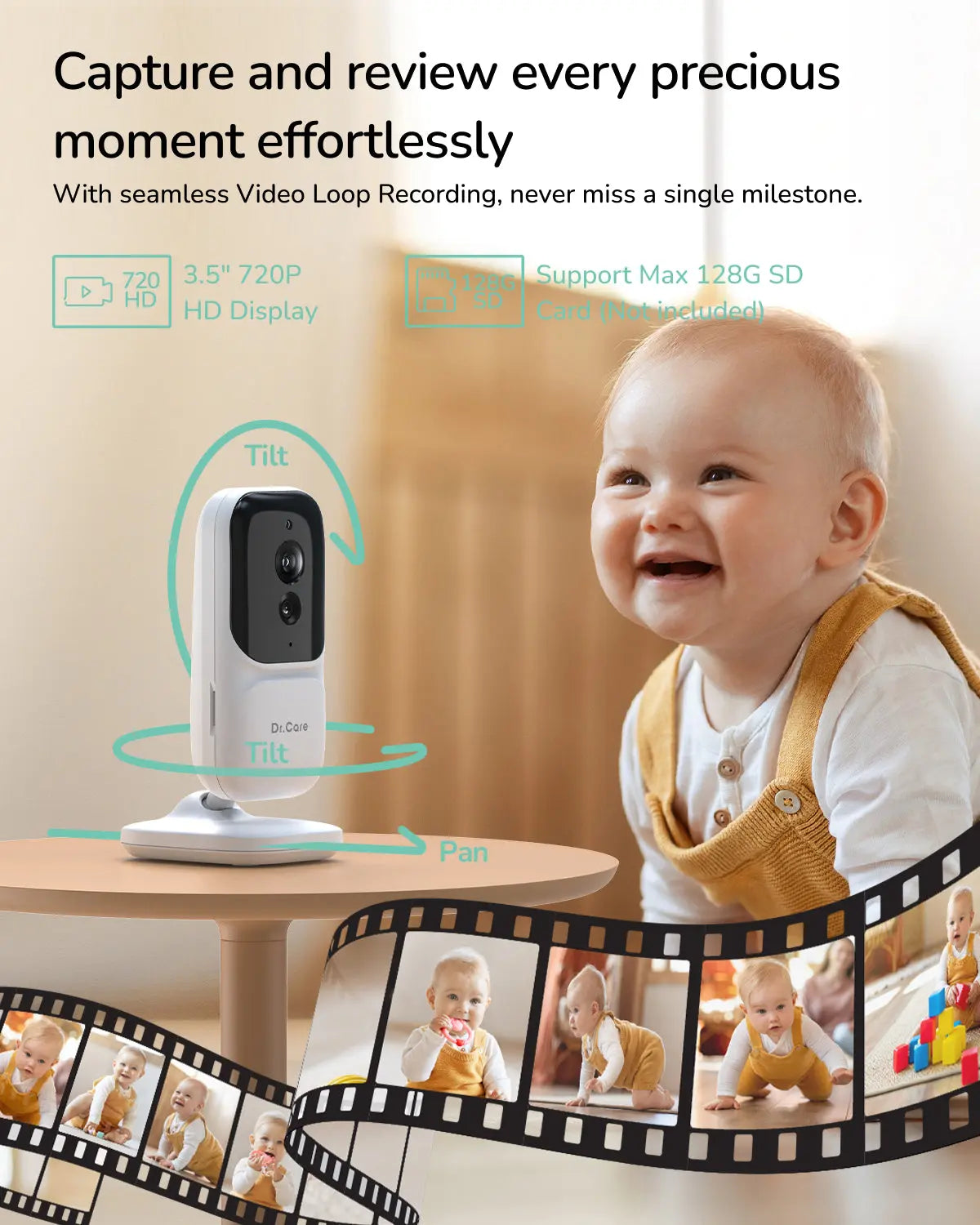
Baby monitors with video recording help parents keep an eye on their child. These devices capture real-time moments and save them for later. They provide peace of mind by allowing parents to review important events.
Different baby monitors have various video recording features. Some record all the time, while others only record when something moves. Understanding these options helps in choosing the right monitor.
Types Of Video Recording
There are two main types of video recording. Continuous recording captures video non-stop. It records every moment without breaks. Motion-activated recording only records when it detects movement. This saves storage space and battery life.
Continuous Vs Motion-activated Recording
Continuous recording ensures nothing is missed. It is useful for long monitoring sessions. Motion-activated recording starts recording only if the baby moves. This option avoids unnecessary footage and helps save memory. Parents choose based on their needs and usage time.
Storage Options For Videos
Video storage can be local or cloud-based. Local storage uses memory cards inside the monitor. It allows quick access but has limited space. Cloud storage saves videos online. It offers more space and remote access. Some monitors combine both options for flexibility.

Credit: momcozy.com
Audio Features To Consider
Choosing the right audio features in a baby monitor is important. Clear sound helps parents hear their baby’s needs. Audio quality can affect how well you understand your baby’s cries or movements.
Good audio features give peace of mind. They allow parents to respond quickly and keep their baby safe. Below are key audio features to consider when selecting a baby monitor.
Two-way Audio Functionality
Two-way audio lets you listen and talk to your baby. This feature helps soothe your baby from another room. You can calm your baby with your voice without entering the room.
It also allows quick communication with caregivers. The microphone and speaker work both ways for clear sound. This feature adds comfort for both baby and parents.
Noise Reduction Technology
Noise reduction cuts background sounds like fans or traffic. This makes your baby’s sounds clearer and easier to hear. The technology helps focus on important noises like cries or coos.
It reduces false alarms caused by loud, irrelevant sounds. Parents get better audio clarity for better responses. Noise reduction improves the overall monitoring experience.
Connectivity And Access
Connectivity and access are key features of baby monitors that record video. They let parents watch their child anytime, anywhere. Different types of connections affect how you view video and control the monitor. Understanding these options helps you pick the right monitor for your needs.
Wi-fi Vs Non-wi-fi Monitors
Wi-Fi baby monitors connect to your home internet. They allow video streaming on your phone or tablet. You can check on your baby from any location with internet access. Non-Wi-Fi monitors use a dedicated signal between the camera and the parent unit. These work without internet but limit viewing to a fixed range. Each type has pros and cons based on your lifestyle and security preferences.
Remote Viewing Options
Remote viewing lets you see your baby even when away from home. Monitors with Wi-Fi support remote access through apps or web browsers. Some devices send alerts and snapshots when they detect movement or sound. Non-Wi-Fi monitors usually do not offer remote viewing outside their signal range. Consider how often you need to check in remotely before choosing your monitor.
Mobile App Integration
Many video baby monitors come with mobile apps. These apps display live video and recorded clips. They also let you adjust settings like volume and camera angle. App integration makes the monitor easy to use and control. Look for apps that are simple and reliable for the best user experience.
Credit: www.thedrcare.com
Video Quality And Display
Video quality and display play a big role in how well a baby monitor works. Clear video helps parents see their baby’s movements and expressions. A sharp picture gives peace of mind during night or day. The screen should be easy to view and carry. This section covers important points about resolution, night vision, screen size, and portability.
Resolution And Night Vision
Resolution means how clear the video looks. Higher resolution shows more details of your baby’s room. Many monitors offer 720p or 1080p for sharp images. Night vision lets you see in the dark without waking the baby. Infrared LEDs light up the room gently. The video stays clear even in low light. Good night vision is a must for safe night monitoring.
Screen Size And Portability
The screen size affects how easy it is to watch your baby. Bigger screens show a larger view but can be bulky. Smaller screens are easier to carry but may show less detail. Some monitors have foldable or detachable screens. Portability helps parents move around the house freely. A balance between screen size and convenience works best for daily use.
Safety And Privacy Concerns
Baby monitors that record video offer great convenience. They allow parents to keep an eye on their little ones from a distance. But safety and privacy concerns arise with video recording features. Parents must understand the risks and protections involved. Protecting the child’s privacy is very important. Security flaws can expose sensitive video feeds to strangers.
Data Encryption
Data encryption scrambles video signals during transmission. It stops hackers from stealing the live feed or recordings. Strong encryption standards make it hard for outsiders to access the data. Parents should check if the monitor uses encryption. Without it, video footage can be intercepted easily.
Parental Controls
Parental controls limit who can view the video feed. They allow parents to set passwords and user permissions. Some monitors let parents turn off recording or delete stored videos. These controls help protect the baby’s privacy. Parents should use them to avoid unauthorized access.
Legal Regulations
Many countries have laws about recording video in private spaces. Parents must know local rules before using video monitors. Recording without consent can lead to legal trouble. Laws also regulate how long video can be stored. Following legal guidelines keeps families safe and respects privacy.
Additional Features
Baby monitors today offer more than just video recording. Many models come with extra features that help parents keep their babies safe and comfortable. These additions make monitoring easier and more effective. Here are some common extra features found in modern baby monitors.
Temperature And Humidity Sensors
Some baby monitors include sensors for room temperature and humidity. These sensors help parents ensure the baby’s room stays comfortable. If the room is too hot or too cold, the monitor alerts the parent. Proper humidity levels can prevent dry skin and breathing problems. This feature adds an extra layer of care beyond just video watching.
Lullabies And Soothing Sounds
Many baby monitors can play lullabies and soothing sounds. These sounds help calm the baby and encourage sleep. Parents can control the volume and choose different melodies. This feature allows parents to comfort their baby remotely. It reduces the need to enter the room and risk waking the child.
Battery Life And Power Options
Battery life is important for portable baby monitors. Long battery life means fewer interruptions in monitoring. Some monitors offer rechargeable batteries for convenience. Others can plug into a power outlet for continuous use. Good power options ensure the monitor works when parents need it most.
Choosing The Right Baby Monitor
Choosing the right baby monitor is important for your peace of mind. It helps you keep an eye on your baby safely and easily. Different monitors have different features, so pick one that fits your needs.
Consider how you will use the monitor and what matters most. Some parents want video recording, others prefer sound only. Knowing your priorities makes the choice clearer.
Budget Considerations
Set a budget before shopping for a baby monitor. Prices can range from low to high depending on features. Basic models often offer sound monitoring only.
Monitors with video recording tend to cost more. Decide how much you want to spend. Balance cost with features that really matter to you.
User Reviews And Ratings
Check user reviews to learn about real experiences. Reviews show how well a monitor works in daily life. Look for comments on video quality and ease of use.
High ratings usually mean good performance. Pay attention to repeated issues mentioned by users. Reviews help avoid products with common problems.
Brand Reputation
Choose brands known for quality and safety. Trusted brands often provide better customer support. They usually offer reliable monitors with clear video recording.
Research the brand’s history and product range. Well-known brands invest more in testing and safety. This helps ensure your baby is monitored with care.
Frequently Asked Questions
Can Baby Monitors Record Video And Audio Simultaneously?
Yes, many modern baby monitors can record both video and audio at the same time. This feature allows parents to monitor their baby’s activities with clear visuals and sound, enhancing safety and peace of mind.
Do All Baby Monitors Have Video Recording Features?
Not all baby monitors record video. Some only provide live video streaming without recording. Check the product specifications to confirm if recording functionality is included.
How Is Video Stored On Baby Monitors?
Video is usually stored on internal memory, SD cards, or cloud storage. Cloud storage offers remote access, while local storage depends on device capacity.
Are Baby Monitor Videos Secure From Hacking?
Security varies by brand and model. Choose monitors with encrypted video transmission and secure passwords to protect your baby’s video feed from unauthorized access.
Conclusion
Baby monitors can record video, but features vary by model. Some offer clear, real-time video streaming, while others only provide audio. Choose a monitor that fits your needs and budget. Always check the camera’s recording options and storage capabilities. Video recording helps you watch your baby closely and feel more secure.
Remember to keep privacy and safety in mind when using these devices. Recording video can add peace of mind for parents. Select wisely to ensure your baby’s safety and your comfort.