Are you worried about your baby’s safety when you’re not in the same room? Baby monitors promise peace of mind, but you might be asking yourself: Are baby monitors really safe for your little one?
You want to keep your baby close and protected, but you also want to be sure that the technology you use won’t cause harm. You’ll discover the truth about baby monitors, how they work, and what you can do to keep your baby safe while using them.
Keep reading to find out everything you need to know before making this important decision for your family.

Credit: bebcare.com
Types Of Baby Monitors
Choosing the right baby monitor helps parents keep their babies safe. Different types offer different features. Understanding each type helps make a better choice. Here are the main types of baby monitors available.
Audio Monitors
Audio monitors let you hear your baby’s sounds. They work like walkie-talkies. You can listen to crying, cooing, or any noise. These monitors are simple and usually affordable. They use radio signals to send sound to the parent unit.
Video Monitors
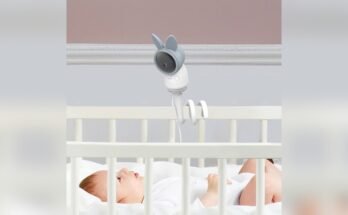
Video monitors show a live picture of your baby. They have a camera near the crib and a screen for parents. You can see your baby’s movements and facial expressions. Some models offer night vision to see in the dark. This type gives more reassurance than audio alone.
Movement Monitors
Movement monitors track your baby’s chest or body movements. They can alert you if no movement is detected for a short time. These monitors use sensors placed under the mattress or attached to the baby. They provide extra safety by checking breathing or heartbeat patterns.
Smart Monitors
Smart monitors connect to your smartphone or tablet. They offer audio, video, and movement tracking in one device. Some include temperature and humidity sensors for the baby’s room. Alerts come directly to your phone. These monitors often come with apps for easy control.

Credit: www.walmart.com
Potential Risks To Babies
Baby monitors help parents watch their babies from a distance. They bring comfort but also have some risks. Knowing these risks helps parents use monitors safely.
Radiation Exposure
Baby monitors use radio waves to send signals. These waves emit low levels of radiation. Experts say this radiation is usually safe. Still, long exposure might affect babies. Keeping the monitor a few feet away reduces risk. Using monitors with low radiation levels is better.
Privacy Concerns
Many baby monitors connect to Wi-Fi or the internet. Hackers could access live video or sound. This invasion of privacy worries many parents. Protect monitors with strong passwords and updates. Turning off monitors when not needed helps too.
Interference And Malfunctions
Monitors can face interference from other devices. This can cause loss of signal or false alerts. Sometimes the monitor stops working suddenly. These issues can make parents worry or miss alerts. Choosing reliable brands and testing devices often is smart.
Safety Standards And Certifications
Baby monitors help parents watch their infants from a distance. Safety is the top priority. Standards and certifications ensure these devices meet strict rules. They protect babies from risks linked to poor design or electrical faults.
Knowing about safety standards helps choose a reliable baby monitor. Certified products offer peace of mind. They follow guidelines made by expert organizations. These rules cover electrical safety, radiation limits, and signal security.
Regulatory Bodies
Regulatory bodies create rules for baby monitor safety. They test and approve products before sale. The Consumer Product Safety Commission (CPSC) in the U.S. sets safety requirements. The Federal Communications Commission (FCC) controls wireless devices’ emissions.
In Europe, the European Committee for Electrotechnical Standardization (CENELEC) develops standards. National agencies also check products for compliance. These organizations work to keep baby monitors safe and reliable.
Key Certifications To Look For
Look for certifications on baby monitor packaging or manuals. UL (Underwriters Laboratories) confirms electrical safety. FCC certification ensures the device meets radio frequency rules. CE marking shows compliance with European safety laws.
RoHS certification means the product avoids harmful chemicals. These marks show the baby monitor passed important tests. Choosing certified products reduces risks and protects babies well.
Tips For Safe Usage
Using baby monitors helps parents watch their babies safely. Following some simple tips keeps the monitor working well. These tips protect your baby and make the monitor more reliable. Focus on how you place the monitor, secure your network, and keep the device updated.
Proper Placement Of Monitors
Place the baby monitor at least three feet away from the crib. This keeps cords out of the baby’s reach. Avoid placing the monitor near water or heat sources. Position it where you can see the baby clearly. Make sure the monitor is stable and cannot fall.
Secure Network Connections
Use strong, unique passwords for your baby monitor’s Wi-Fi connection. Change the default passwords right after setup. Connect the monitor to a secure and private network. Turn off remote access if you do not need it. This reduces the risk of hacking or spying.
Regular Maintenance And Updates
Check the baby monitor regularly for any damage or loose parts. Clean the camera lens and sensors gently to keep clear views. Update the monitor’s software and firmware often. These updates fix bugs and improve security. Replace batteries or recharge as needed to avoid power loss.
Benefits Of Using Baby Monitors
Baby monitors offer several important benefits for parents and caregivers. They help keep babies safe and allow parents to stay close without being in the same room. These devices provide a way to watch and listen to your baby anytime.
Parents can feel more relaxed and confident using baby monitors. These tools also help spot any issues early. Baby monitors bring convenience and freedom by letting parents move around while still watching their baby.
Peace Of Mind For Parents
Baby monitors give parents comfort and calm. Parents can hear or see their baby at all times. This reduces worry about sudden problems or noises. Knowing you can check your baby anytime helps you rest better.
Early Detection Of Issues
Monitors alert parents to unusual sounds or movements. This can include crying, coughing, or restlessness. Early alerts allow quick response to feeding or health needs. Quick action may prevent small problems from growing.
Convenience And Mobility
Baby monitors let parents move freely around the house. You can cook, clean, or work while watching your baby. Some monitors connect to phones, allowing checks even outside. This freedom makes daily tasks easier and less stressful.

Credit: magicnailspaparma.com
Alternatives To Traditional Baby Monitors
Traditional baby monitors are common but not the only option for parents. There are new alternatives designed to keep babies safe and give parents peace of mind. These devices use different technologies and offer unique features. They may suit families looking for extra safety or modern convenience.
Wearable Baby Devices
Wearable baby devices are small gadgets attached to the baby’s clothing or wrist. They track vital signs like heart rate and oxygen levels. Alerts notify parents if something seems wrong. These devices provide real-time health data and reduce the need for constant visual checks. They offer comfort by monitoring babies closely, especially for newborns or those with health risks.
Smart Home Integration
Smart home integration links baby monitors with home systems. Cameras, alarms, and sensors work together through apps on phones or tablets. Parents can watch live video, listen to sounds, and receive alerts anywhere. Smart systems can adjust lights or play soothing sounds automatically. This setup helps parents stay connected and respond quickly without staying in one room.
Frequently Asked Questions
Are Baby Monitors Safe For Newborns?
Yes, baby monitors are generally safe when used correctly. Ensure devices meet safety standards and keep cords out of reach. Always follow manufacturer instructions to avoid risks.
Can Baby Monitors Affect A Baby’s Health?
There is no strong evidence that baby monitors harm babies’ health. Use models with low radiation and limit monitor usage time for added safety.
How To Ensure Baby Monitor Privacy?
Secure your baby monitor with strong passwords and update firmware regularly. Use encrypted Wi-Fi connections to prevent hacking and unauthorized access.
Do Baby Monitors Cause Radiation Exposure?
Baby monitors emit low-level radiofrequency radiation, which is considered safe. Choose low-emission devices and keep the monitor at a reasonable distance from your baby.
Conclusion
Baby monitors can help parents watch their babies safely. Choosing one with good features matters a lot. Always check the monitor’s range, sound quality, and security. Keep the device updated to avoid risks. Remember, no monitor replaces adult care and attention.
Use it as a tool, not a full solution. Safe use helps parents feel calm and confident. Trust your instincts and stay alert at all times. Baby monitors add safety but do not guarantee it alone. Stay informed and take simple steps to protect your child.