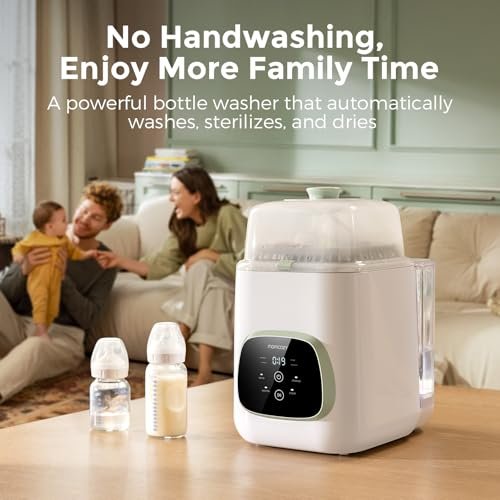
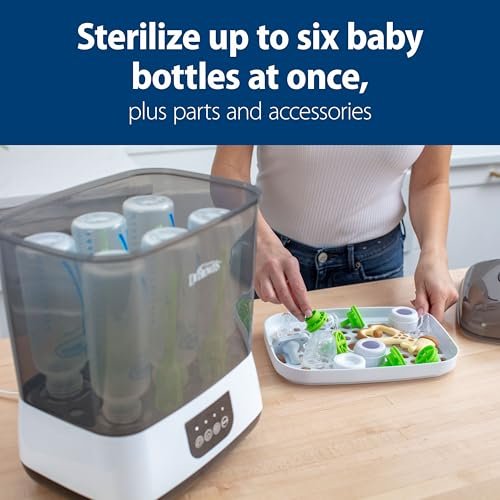
When it comes to keeping your baby’s bottles clean and safe, you probably want to know exactly how effective your bottle sterilizer is. One key question you might have is: what temperature do bottle sterilizers actually reach during steam cycles?
Understanding this can help you feel confident that germs and harmful bacteria are truly being eliminated. You’ll discover the temperatures these devices hit, why those temperatures matter, and how they ensure your baby’s bottles are as safe as possible. Keep reading to get the clear answers you need for your baby’s health.
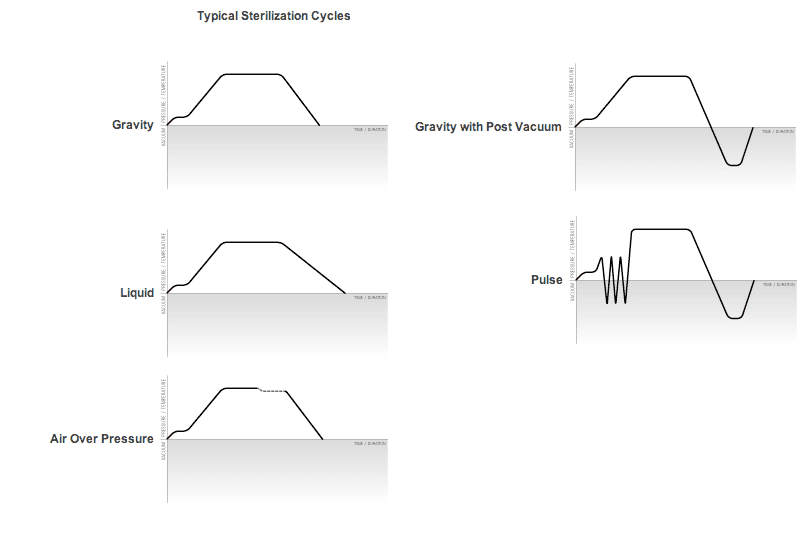
Steam Cycle Temperatures
Steam cycle temperatures are crucial for sterilizing baby bottles effectively. These temperatures kill germs and bacteria safely. Knowing the heat range helps understand how sterilizers work. This section explains the heat levels during steam cycles.
Typical Heat Range
Most bottle sterilizers reach temperatures between 212°F and 270°F. This range is hot enough to destroy harmful bacteria. Steam at these temperatures penetrates all bottle surfaces. It ensures thorough cleaning without damaging the bottles.
Peak Temperature Points
During the cycle, the temperature peaks near 270°F. This is the highest heat point in the sterilizer. The peak helps kill the toughest germs and spores. It lasts only a short time but is very effective.
Duration Of Heat Exposure
Heat exposure usually lasts 5 to 10 minutes. This time is enough to sterilize bottles fully. The steam keeps the bottles hot throughout the cycle. Consistent heat exposure prevents bacteria from surviving.
Safety Standards For Heat Levels
Safety standards for heat levels in bottle sterilizers ensure that the device reaches the right temperature to kill germs without causing damage. Proper heat control protects bottles and nipples from melting or warping. It also keeps users safe from burns and other hazards.
Regulatory Guidelines
Regulatory bodies set strict rules for the maximum heat during steam cycles. These rules guarantee that sterilizers reach at least 100°C to kill bacteria effectively. The guidelines also limit the highest temperature to prevent material damage. This balance ensures sterilizers work well and stay safe.
Manufacturer Recommendations
Manufacturers provide clear instructions about the ideal temperature range. They design devices to reach temperatures between 110°C and 120°C during steam cycles. Following these recommendations helps maintain sterilizer efficiency. Users should always read manuals before use to avoid mistakes.
Avoiding Overheating Risks
Overheating can cause plastic parts to melt or release harmful chemicals. It may also damage the sterilizer’s heating element. To avoid risks, never run sterilizers empty or for longer than advised. Regular cleaning and maintenance help keep temperature controls accurate and safe.
Effectiveness Of Sterilization
Sterilization is vital for keeping baby bottles safe and clean. It kills germs that can cause illness. Bottle sterilizers use steam heat to destroy harmful bacteria effectively. Understanding how temperature affects sterilization helps ensure bottles are safe for use.
Temperature And Germ Elimination
Steam sterilizers reach temperatures around 100°C (212°F). This heat kills most germs on baby bottles. High temperatures break down bacteria cell walls. The steam penetrates every surface, leaving bottles germ-free. The heat must be consistent for full sterilization.
Comparing Steam To Other Methods
Steam sterilization is faster than boiling bottles in water. It uses less water and energy. Chemical sterilizers rely on liquids that can leave residues. UV sterilizers use light but may miss some germs. Steam combines heat and moisture for thorough cleaning.
Role Of Heat In Bacteria Removal
Heat damages bacteria proteins and DNA. This stops germs from growing or multiplying. Steam’s moisture helps heat reach tiny bottle crevices. Dry heat sterilizers need higher temperatures and longer times. Steam is gentle yet powerful against bacteria.
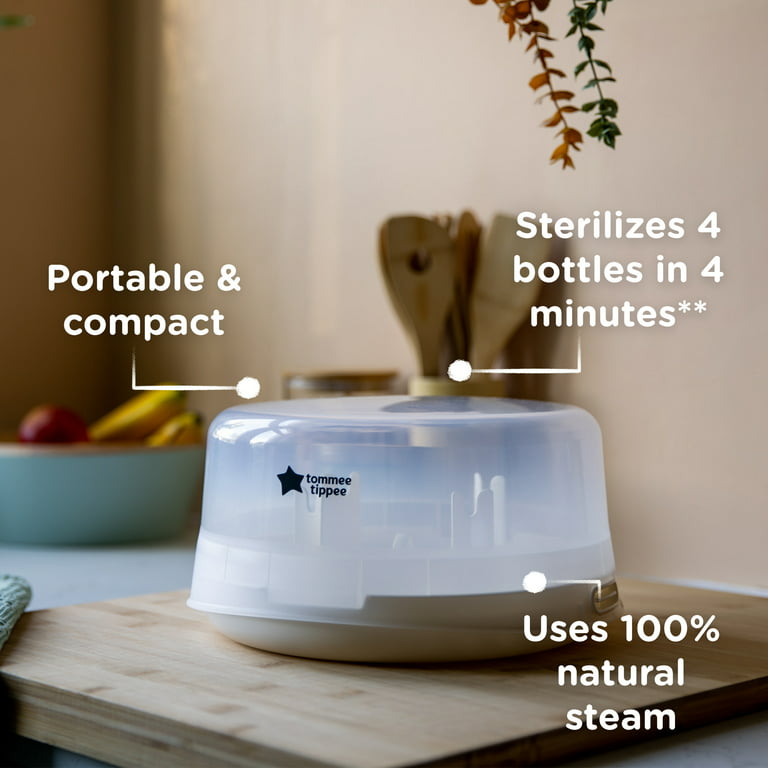
Factors Influencing Sterilizer Temperature
Several factors affect the temperature that bottle sterilizers reach during steam cycles. Understanding these factors helps in choosing and using the right sterilizer. Temperature is key to killing bacteria and ensuring bottles are safe for babies.
Different sterilizers may have different temperatures even if the steam cycle looks similar. The following points explain what influences these temperature variations.
Water Quality And Quantity
The quality of water impacts steam production and temperature. Hard water with minerals can reduce heating efficiency. Using clean, filtered water helps the sterilizer reach the right heat. The amount of water also matters. Too little water can cause the sterilizer to overheat or stop early. Too much water may lower the steam temperature.
Device Design And Technology
Each sterilizer has a unique design and technology. Some models heat water faster or keep temperature steady longer. Materials used in the sterilizer affect heat retention. Better insulation means more consistent temperatures. Advanced sensors and controls help maintain the ideal heat during the entire cycle.
Cycle Length And Settings
Longer cycles generally allow the sterilizer to reach and keep higher temperatures. Short cycles may not fully heat the water or generate enough steam. Some sterilizers offer different settings for bottle size or sterilizing needs. Choosing the right setting affects the final temperature and effectiveness of the sterilization.
Maintaining Sterilizer Performance
Maintaining the performance of your bottle sterilizer is essential for safety and hygiene. A well-maintained sterilizer ensures it reaches the right temperature during steam cycles. This kills harmful bacteria effectively. Simple care routines can keep your sterilizer working at its best for a long time.
Regular Cleaning Tips
Clean your sterilizer after each use. Remove water and wipe the inside with a soft cloth. Use mild soap and warm water to avoid damage. Avoid harsh chemicals that can harm the device. Check for mineral buildup and descale regularly using vinegar or a descaling solution. This prevents blockages and keeps steam flowing well.
Monitoring Temperature Accuracy
Check the sterilizer’s temperature regularly. Use a thermometer if possible to verify it reaches around 100°C (212°F). This temperature is needed for effective sterilization. If the temperature is too low, the sterilizer may not kill germs properly. Calibrate the device as instructed in the user manual to keep it accurate.
When To Replace Your Sterilizer
Replace the sterilizer if it no longer heats properly. Signs include inconsistent temperature and longer sterilization times. Cracks or damaged parts reduce effectiveness. Old sterilizers might not meet current safety standards. Choose a new model that guarantees the correct steam temperature for safe baby feeding.
Frequently Asked Questions
What Temperature Do Bottle Sterilizers Reach During Steam Cycles?
Bottle sterilizers typically reach temperatures between 212°F to 275°F (100°C to 135°C) during steam cycles. This heat effectively kills bacteria and germs, ensuring bottles are thoroughly sterilized and safe for baby use.
How Long Does The Sterilization Temperature Last In Steam Cycles?
The high temperature usually lasts for 5 to 10 minutes during a steam cycle. This duration ensures all harmful microorganisms are eliminated effectively.
Are All Bottle Sterilizers’ Temperatures The Same During Steam Cycles?
No, temperatures vary by model and brand, generally ranging from 212°F to 275°F. Always check your sterilizer’s manual for exact temperature details.
Why Is Temperature Important In Bottle Sterilization?
High temperatures kill harmful bacteria and viruses on bottles. Proper heat ensures bottles are safe for baby feeding and prevents infections.
Conclusion
Bottle sterilizers reach high temperatures, usually between 212°F and 250°F. This heat kills harmful germs effectively. Steam cycles last about 5 to 15 minutes. Always follow the instructions for the best results. Proper sterilization keeps bottles safe for babies. It also helps prevent illnesses.
Choosing the right sterilizer matters for peace of mind. Remember, clean bottles mean healthier feeding times. Simple steps make a big difference. Stay informed and keep your baby safe.