Are you wondering when it’s safe to start using a baby carrier for your little one? You want to keep your baby close, comfortable, and secure—but knowing the right age to begin is key.
Using a carrier too early or too late can affect your baby’s safety and comfort, and you want to get it just right. You’ll discover the perfect time to start, what to look for, and how to choose the best carrier for your child’s needs.
Keep reading to make your baby-carrying experience smooth, safe, and enjoyable for both you and your baby.

Credit: www.microcomenviro.com
When To Begin Using A Baby Carrier
Choosing the right time to start using a baby carrier is important for your baby’s safety and comfort. A baby carrier helps keep your little one close while leaving your hands free. Knowing when to begin ensures your baby is supported and happy.
Newborns And Baby Carriers
Newborns need extra support for their head and neck. Their muscles are not strong enough to hold up their heads yet. Use a carrier made for newborns with good head support. Hold your baby close to your chest for warmth and comfort.
Signs Your Baby Is Ready
Look for signs before using a baby carrier. Your baby should have good head control. They may start holding their head steady by 3 to 4 months. Your baby should also enjoy being held and feel calm in the carrier.
Pediatric Recommendations
Doctors suggest waiting until your baby can hold their head up well. This usually happens around 3 months old. Choose carriers that follow safety guidelines. Always check for comfort and proper fit to protect your baby.
Types Of Baby Carriers By Age
Choosing the right baby carrier depends on your child’s age. Different carriers suit different stages of growth. Knowing which type fits your baby helps ensure comfort and safety. This guide breaks down the main types by age group.
Wraps For Newborns
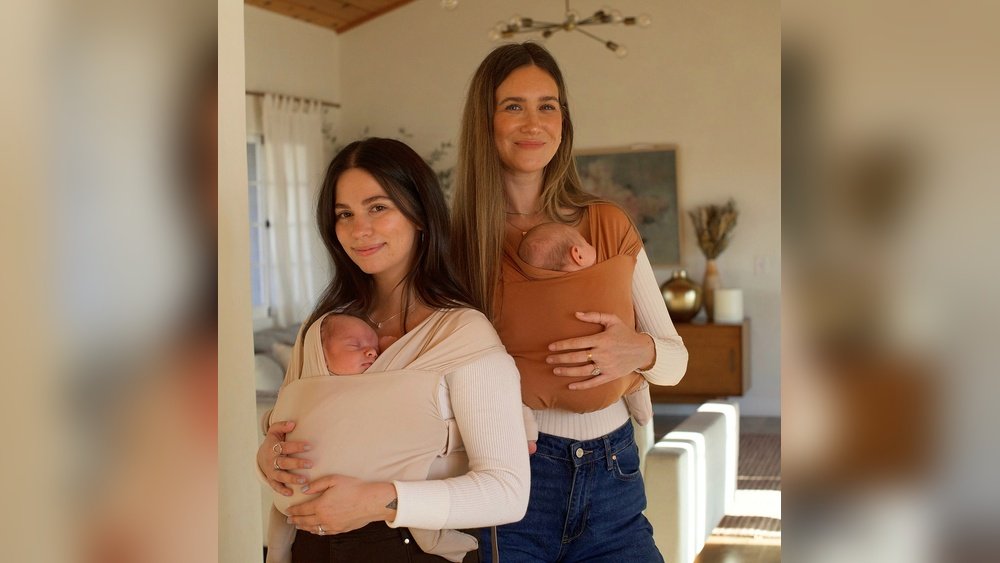
Wraps are soft fabrics that hold your baby close. They fit snugly around your body and baby. Wraps support newborns’ heads and necks well. They provide gentle comfort, mimicking the womb’s warmth. Newborns feel safe and calm in wraps.
Soft Structured Carriers For Infants
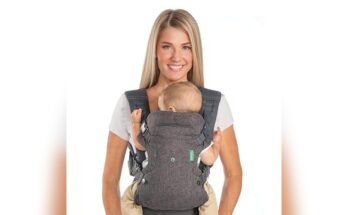
Soft structured carriers use buckles and padded straps. They offer firm support for babies who can hold their heads. These carriers distribute weight evenly for parent comfort. They allow front or back carrying positions. Infants enjoy being close while having room to move.
Backpack Carriers For Toddlers
Backpack carriers suit toddlers who want to explore. They have a sturdy frame and padded seat. These carriers keep toddlers secure and comfortable during walks. Parents benefit from hands-free carrying and good weight balance. Great for outdoor trips and longer walks.
Safety Tips For Using Baby Carriers
Using a baby carrier can make caring for your little one easier. Safety is the top priority. Follow these tips to keep your baby safe and comfortable. Proper use helps avoid accidents and supports your baby’s growth.
Proper Positioning
Place your baby in an upright position. Their face should always be visible. Keep the baby’s chin off their chest to avoid breathing problems. The carrier should hold the baby close and snug. This helps prevent slipping or falling.
Support For Head And Neck
Newborns cannot support their heads well. Use a carrier with good head and neck support. Make sure the carrier holds the head firmly but gently. Adjust the carrier straps to keep the baby’s head stable. This support helps prevent strain or injury.
Avoiding Overheating
Babies can get hot quickly in carriers. Dress your baby in light clothes. Use breathable fabric carriers to allow airflow. Watch for signs of overheating like sweating or flushed skin. Take breaks to cool down if needed.
Benefits Of Early Babywearing
Starting babywearing early brings many benefits for both you and your baby. It helps build a strong connection and supports your baby’s growth. Carrying your baby close offers comfort and security. It also makes daily tasks easier while keeping your baby safe. Using a baby carrier from a young age supports healthy development. Here are some key benefits of early babywearing.
Bonding With Your Baby
Holding your baby close creates a special bond. Your baby feels your heartbeat and warmth. This closeness helps your baby feel calm and safe. It also builds trust and emotional connection. Early babywearing supports your baby’s emotional health. It helps your baby feel loved and cared for every day.
Hands-free Convenience
Babywearing frees your hands for other tasks. You can cook, clean, or shop while carrying your baby. This convenience makes daily life easier for parents. It also keeps your baby close and secure. Carrying your baby allows you to move freely and stay active.
Promoting Healthy Development
Using a baby carrier supports your baby’s physical growth. It helps with head and neck control. The upright position aids digestion and reduces colic. Babywearing also encourages healthy hip development. Your baby learns to balance and strengthens muscles while being carried.
Common Mistakes To Avoid
Using a baby carrier can be very helpful for parents. It keeps your baby close and your hands free. But some mistakes can cause discomfort or harm. Avoiding these common errors is important for safety and comfort.
Knowing what to watch for helps you enjoy babywearing safely. Pay attention to fit, your baby’s signals, and timing.
Incorrect Fit
A carrier that does not fit well can cause problems. It may put pressure on your baby’s hips or spine. Your baby might feel squished or uncomfortable. Always check the carrier size and adjust straps properly. Make sure your baby’s legs and back are supported in a natural position.
Ignoring Baby’s Cues
Your baby will show when they feel tired or upset. If your baby cries or squirms, it means they may need a break. Do not keep your baby in the carrier if they seem unhappy. Listen to their signals and respond quickly. Comfort and safety come first.
Using Carriers Too Early
Newborns have delicate bodies and need extra support. Some carriers are not safe for very young babies. Check the carrier’s age and weight limits before use. Wait until your baby has good head and neck control. Using a carrier too early can cause injury or discomfort.

Credit: www.arloren.com
Adjusting Carriers As Your Baby Grows
Using a baby carrier is a wonderful way to keep your little one close. As your baby grows, you need to adjust the carrier for safety and comfort. Adjustments help both you and your baby enjoy the experience more. This guide explains how to change carriers and make sure they fit well as your baby gets bigger.
Transitioning Between Carrier Types
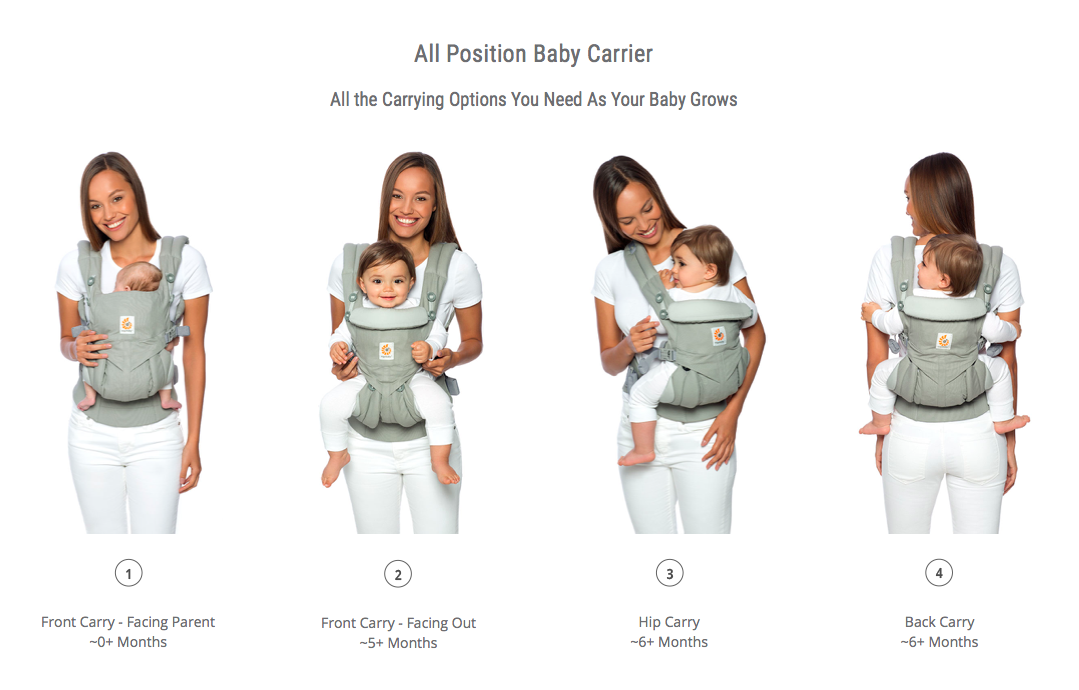
Babies need different support at different ages. Newborns need soft wraps or slings for gentle support. Toddlers need structured carriers for better weight distribution. Switching carrier types helps meet your baby’s changing needs. Choose carriers that allow easy adjustments and multiple carry positions.
Weight Limits And Adjustments
Every carrier has a weight limit. Check this limit before use to keep your baby safe. Adjust straps and buckles as your baby grows heavier. Tighten or loosen the carrier to fit snugly but comfortably. Regularly inspect your carrier for wear and tear.
Comfort For Parent And Baby
Comfort matters for both parent and baby. Padded straps reduce pressure on your shoulders. A wide waistband helps spread the weight evenly. Ensure your baby’s hips and legs are supported in a natural position. Take breaks and adjust the carrier if you or your baby feel uncomfortable.
Credit: www.amakenlb.com
Frequently Asked Questions
At What Age Is It Safe To Start Using A Baby Carrier?
You can start using a baby carrier as soon as your newborn has good head control. This is usually around 2 months old. Always check the carrier’s guidelines for minimum age and weight to ensure safety.
Can Newborns Be Carried In Baby Carriers?
Yes, newborns can be carried in specially designed carriers. Look for carriers with proper head and neck support. Using an infant insert is also recommended until your baby gains more strength.
When Can Babies Face Outward In A Carrier?
Babies can face outward usually after 5-6 months. By this age, they have stronger neck muscles and can support their head. Always follow the carrier’s instructions to avoid discomfort or injury.
How Long Can A Baby Safely Stay In A Carrier?
Babies can stay in a carrier for 1 to 2 hours at a time. Avoid prolonged use to prevent strain on their hips and spine. Take breaks to allow movement and stretching.
Conclusion
Babies can start using carriers once their necks are strong. Usually, this happens around two to four months old. Always check the carrier’s instructions for age and weight limits. Choose a carrier that supports your baby’s head and spine well.
Comfort matters for both you and your baby. Using a baby carrier helps keep your hands free and your baby close. Take time to practice wearing the carrier safely. Enjoy the closeness and bonding it brings. Safety first, comfort second.
Your baby’s well-being is the top priority.