If your little one has been fussier than usual, you might be wondering if teething is the cause. Teething symptoms can be confusing and stressful, but knowing what to expect can help you comfort your baby—and yourself.
You’ll discover the common signs of teething and how to ease your child’s discomfort. Keep reading to feel more confident and prepared during this challenging stage.
Common Teething Signs
Teething is a natural process for babies. It starts when their first teeth push through the gums. Parents often notice certain signs that show teething is happening. These signs help you understand your baby’s discomfort and ease their pain.
Drooling And Chewing
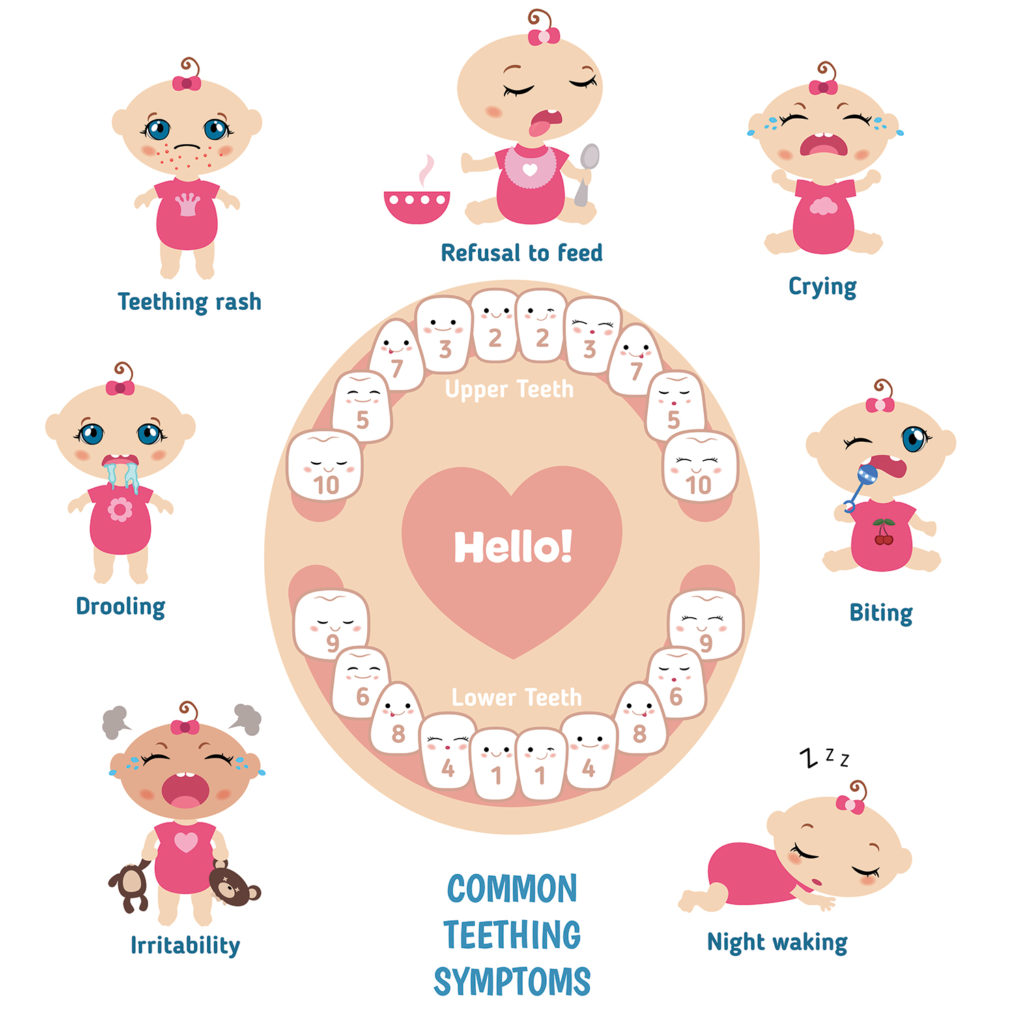
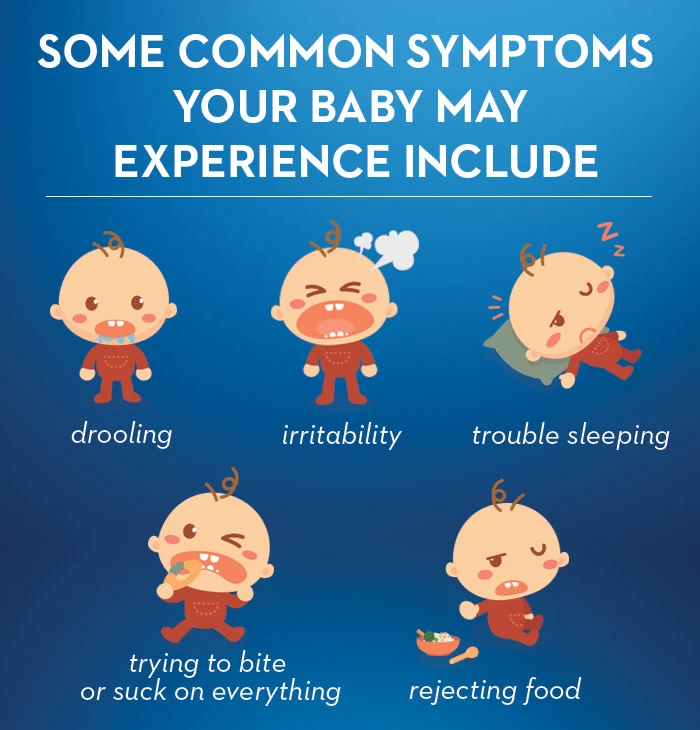
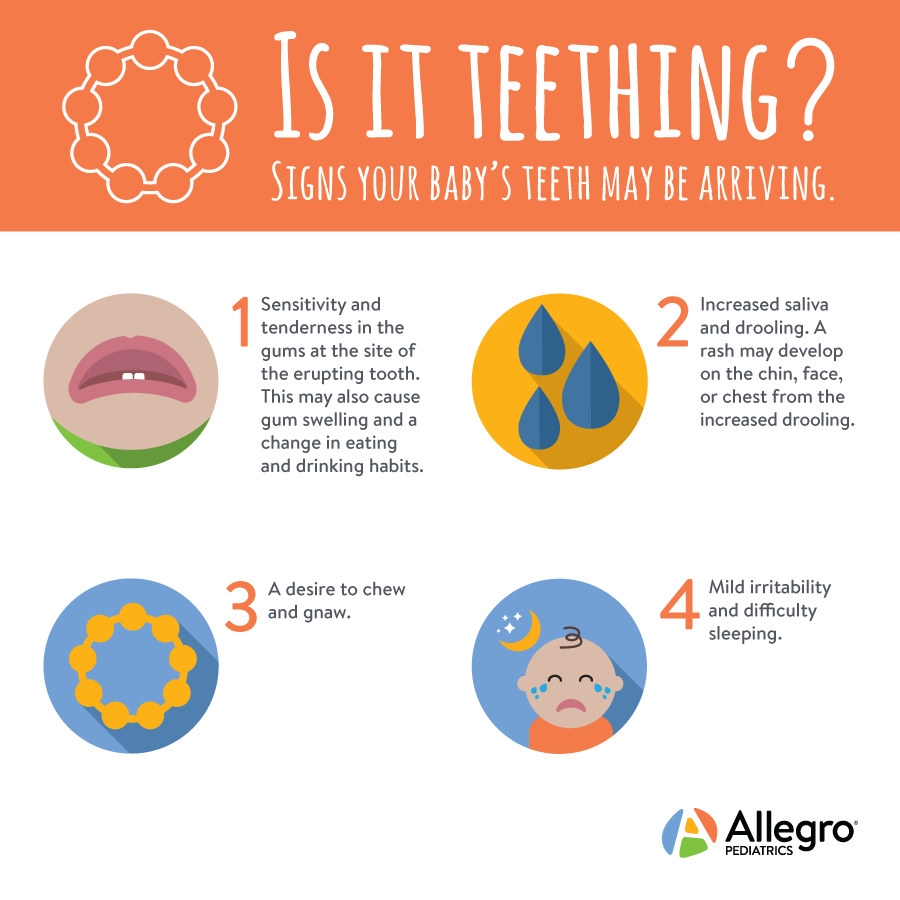
Babies drool more during teething. Their mouth makes extra saliva. This keeps the gums moist and helps teeth come in. Chewing on toys or fingers is common. It feels good on sore gums. Chewing also helps teeth break through the skin.
Irritability And Fussiness
Teething can make babies upset. They cry more and seem restless. Their sleep might get shorter or interrupted. The pain and pressure cause discomfort. Babies may want more cuddles and attention.
Swollen Gums
The gums around the new tooth swell and look red. They may feel tender to touch. Swollen gums are a clear sign of teething. Gently rubbing the gums can offer relief to your baby.
Physical Symptoms To Watch
Teething is a natural process, but it can cause several physical symptoms in babies. Parents must watch for these signs to help their child feel better. Understanding these symptoms makes it easier to provide comfort and care.
Some physical signs are subtle, while others can be more obvious. Knowing what to expect helps reduce worry and stress.
Changes In Sleep Patterns
Babies often have trouble sleeping during teething. They might wake up more often or sleep less than usual. Discomfort and soreness in the gums can cause restlessness. This lack of sleep can affect their mood and behavior the next day.
Loss Of Appetite
Teething pain can make babies less interested in feeding. They may refuse to eat or drink as much as before. Chewing and sucking can hurt the swollen gums. It is important to offer soft and cool foods to ease discomfort.
Mild Fever
A slight fever sometimes happens during teething. The body temperature may rise a bit but usually stays under 101°F (38.3°C). This mild fever is not harmful but should be monitored. If the fever gets higher, seek medical advice promptly.
Behavioral Changes
Teething can bring many changes in a baby’s behavior. These changes often signal discomfort and pain. Parents notice their little ones act differently during this stage. Understanding these behaviors helps to provide comfort and care.
Clinginess And Crankiness
Babies may become more clingy than usual. They want to stay close to their parents for comfort. This need for closeness helps them feel safe. Crankiness is common too. A baby may fuss or get upset easily.
Increased Crying
Crying tends to increase during teething. This happens because of gum pain. The crying can be louder or last longer. It is a way for the baby to show discomfort. Parents can soothe crying with gentle rocking or soft words.
Refusal To Feed
Many babies refuse to feed while teething. Sore gums make sucking painful. Babies might eat less or stop feeding for a while. This can worry parents but is usually temporary. Patience and soft foods help during this time.
When To Seek Medical Advice
Teething can be tough for babies and parents. Most symptoms are normal and go away on their own. Some signs need medical attention to keep your child safe. Knowing when to seek medical advice helps avoid serious problems.
High Fever And Persistent Symptoms
A mild fever is common during teething. But a high fever over 101°F (38.3°C) is not normal. If your baby’s fever lasts more than two days, call a doctor. Persistent symptoms like constant crying or poor eating also need care.
Signs Of Infection
Teething can cause sore gums, but infection is different. Watch for swollen gums with pus or redness spreading. If your baby has a rash, bad breath, or mouth sores, seek medical help. Infections need treatment to prevent spreading.
Severe Discomfort
Babies may feel pain while teething, but severe discomfort is a warning. If your baby cannot sleep, refuses to eat, or is very irritable, consult a doctor. Severe pain might mean other health issues needing attention.
Soothing Techniques For Babies
Teething can be tough for babies and parents alike. Babies often feel discomfort and irritability during this time. Using soothing techniques helps ease their pain and calm them down. These simple methods provide relief and comfort.
Cold Teething Toys
Cold teething toys numb the gums and reduce swelling. Keep these toys in the fridge, not the freezer. The coolness soothes sore gums without causing harm. Always choose safe, BPA-free toys made for babies.
Gentle Gum Massage
Massaging the gums can ease teething pain. Use a clean finger or a soft cloth. Gently rub the baby’s gums in small circles. This pressure helps reduce discomfort and calms the baby.
Pain Relief Options
Some babies need extra help with pain. Over-the-counter pain relief gels or drops may work. Use only products made specifically for infants. Consult a doctor before giving any medicine to your baby.
Frequently Asked Questions
What Are Common Signs Of Teething In Babies?
Common teething signs include drooling, gum swelling, irritability, and chewing on objects. Babies may also have disrupted sleep and mild fever. Recognizing these helps soothe discomfort and manage symptoms effectively.
How Long Do Teething Symptoms Usually Last?
Teething symptoms typically last from a few days up to a week per tooth. Some babies experience symptoms for several weeks during multiple teeth emerging. The duration varies depending on the child’s development and tooth eruption pace.
Can Teething Cause A Fever In Infants?
Teething may cause a slight rise in temperature but rarely a high fever. If a baby has a high fever, consult a doctor, as it may indicate another illness unrelated to teething.
What Are The Best Ways To Relieve Teething Pain?
To relieve teething pain, use chilled teething rings, gentle gum massages, or cold washcloths. Over-the-counter pain relievers can help if recommended by a pediatrician. These methods soothe gum discomfort and reduce irritability effectively.
Conclusion
Teething can be tough for both babies and parents. Signs like drooling, fussiness, and biting are common. Knowing these symptoms helps you support your child better. Keep a close eye on your baby’s comfort. Simple care and patience ease the process.
Soon, those tiny teeth will start to shine. Every baby is different, so trust your instincts. Helping your child through teething builds a strong bond. Stay calm, and remember—this phase does not last forever.