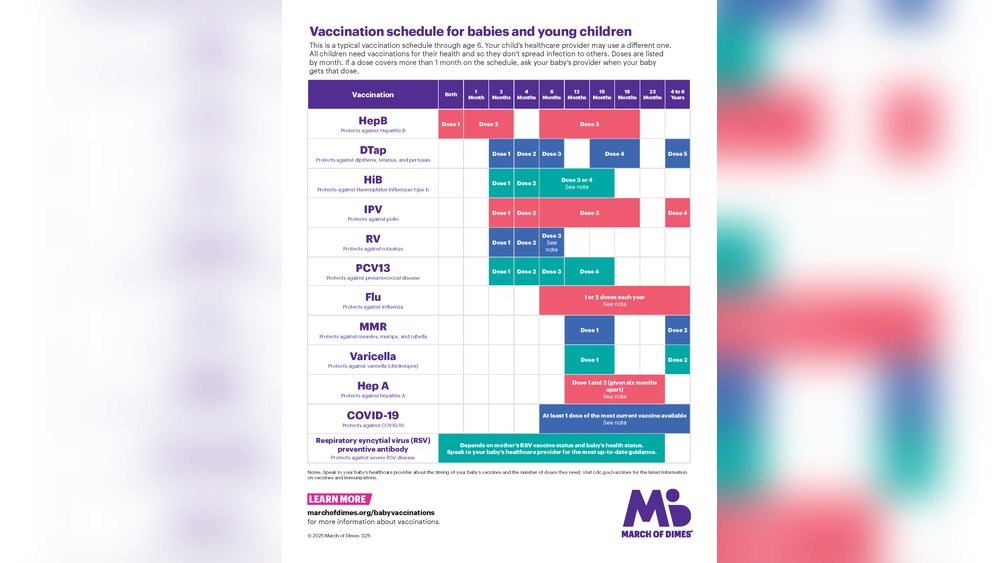
When your baby arrives, keeping them safe and healthy becomes your top priority. One of the most important steps you can take is following the newborn vaccinations schedule.
These vaccines protect your little one from serious illnesses right from the start. But with so many shots and dates to remember, it can feel overwhelming. Don’t worry—this guide will walk you through exactly what to expect, why each vaccine matters, and how to stay on track.
Keep reading to make sure your baby gets the best start in life.

Importance Of Newborn Vaccinations
Newborn vaccinations are essential for every infant’s health. These vaccines protect babies from serious diseases early in life. They help build a strong immune system right after birth. Following the vaccination schedule ensures babies get timely protection. This section explains why newborn vaccinations matter so much.
Protecting Infants From Diseases
Newborns are vulnerable to many harmful infections. Vaccines shield babies from illnesses like hepatitis B, polio, and whooping cough. These diseases can cause severe health problems or even death. Vaccinations lower the risk of infection during the first months. They act as a defense shield until babies can fight germs themselves.
Building Early Immunity
Vaccines train the immune system to recognize and fight germs. This training starts early with newborn shots. Early immunity helps babies handle infections better as they grow. It also reduces the chance of getting sick frequently. Vaccination creates a strong foundation for lifelong health and resistance.
Community Health Benefits
Vaccinated babies help protect the whole community. When many people get vaccinated, diseases spread less. This effect is called herd immunity. It protects those who cannot get vaccines, like some sick or very young babies. Vaccination helps keep schools and public places safer for everyone.
Recommended Vaccines At Birth
Newborn vaccinations protect babies from serious diseases right from birth. Vaccines help build immunity early. They prepare a baby’s body to fight infections. Doctors recommend certain vaccines to be given immediately after birth. These vaccines are safe and important for a newborn’s health.
Hepatitis B Vaccine
The Hepatitis B vaccine is the first shot given at birth. It protects babies from the Hepatitis B virus. This virus can cause liver infection and long-term illness. The vaccine is given within 24 hours after birth. It helps prevent the spread of the virus from mother to baby. The Hepatitis B vaccine is essential for newborns, especially if the mother is a carrier.
Bcg Vaccine
BCG vaccine protects against tuberculosis (TB). TB is a serious lung disease. The vaccine is given as a single dose at birth or soon after. It helps the baby’s immune system fight the TB bacteria. This vaccine is common in countries where TB is more frequent. The BCG vaccine is safe and reduces the risk of severe TB in children.
Vaccination Timeline For First Year
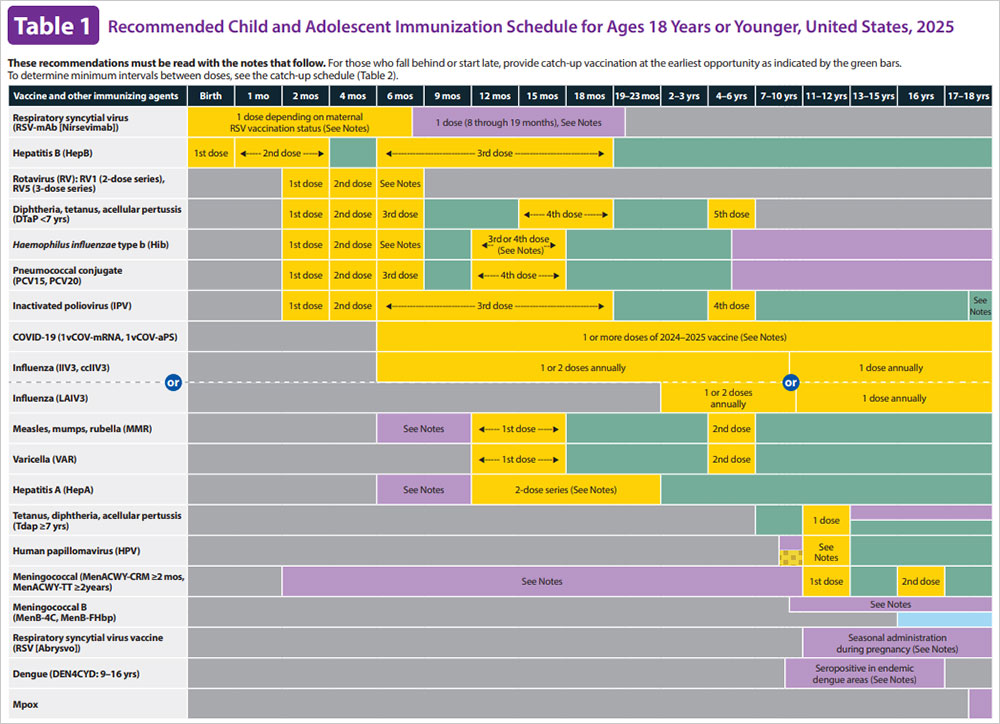
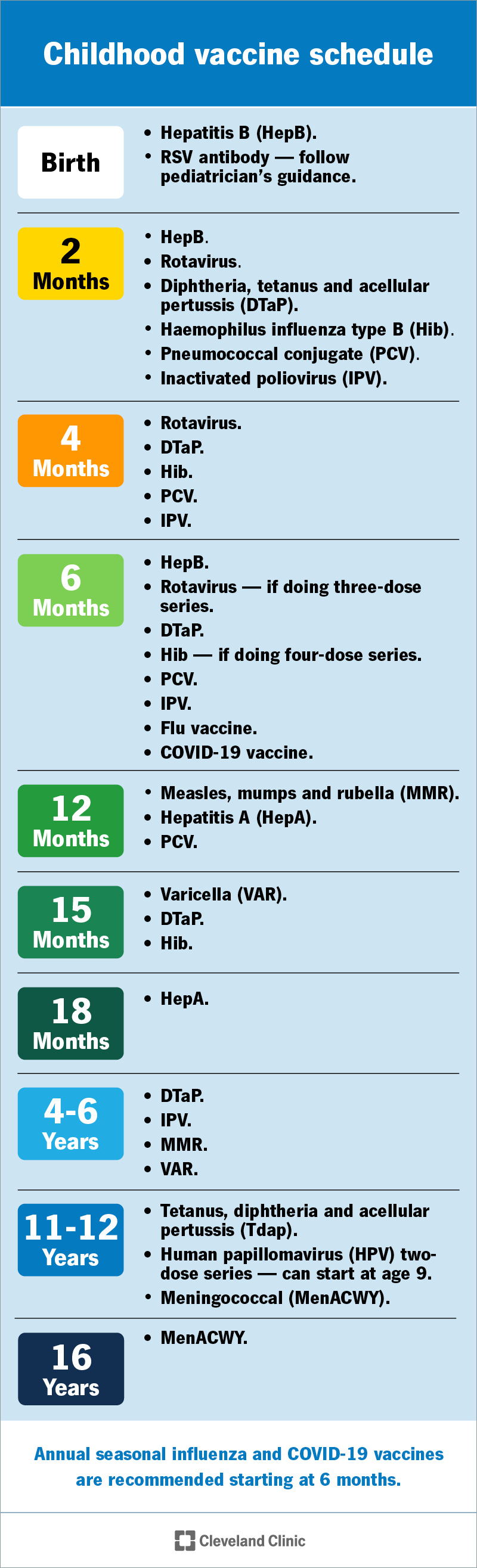
Vaccinations protect newborns from serious diseases. The first year is critical for building immunity. Doctors follow a clear schedule for vaccines. This timeline helps parents know when each vaccine is due. Staying on schedule keeps babies safe and healthy.
2-month Vaccines
At two months, babies get their first round of shots. These vaccines protect against diseases like hepatitis B, polio, and whooping cough. The vaccines help babies start building defenses early. Most babies handle these vaccines well with little discomfort.
4-month Vaccines
Four months is time for the second dose of vaccines. This step strengthens the protection started at two months. Babies receive vaccines for diphtheria, tetanus, and more. Keeping the schedule ensures lasting immunity. Parents should watch for mild side effects like fussiness.
6-month Vaccines
At six months, babies get another vaccine round. This includes the flu shot and boosters for earlier vaccines. Six months is a key time to boost immunity. These shots help protect babies through winter months. Careful monitoring after vaccines is important for safety.
Common Vaccine Side Effects
Newborn vaccinations protect babies from serious diseases. Most babies handle vaccines well. Some may show side effects after getting vaccinated. These side effects usually do not last long. Knowing about common side effects helps parents stay calm and prepared.
Mild Reactions
Mild reactions after vaccines are common. Babies may have a small fever or feel tired. The injection spot might be red or swollen. Some babies cry more than usual. These reactions usually go away in a few days. They show the body is building protection.
When To Seek Medical Help
Seek medical help if your baby has a high fever over 104°F. Call a doctor if swelling gets worse or spreads. Difficulty breathing or a rash needs urgent care. If your baby is very sleepy and hard to wake, get help. Trust your instincts. Better safe than sorry.
Tips For Preparing Your Baby
Preparing your baby for vaccinations helps reduce stress for both of you. Simple steps can make the visit smoother and less scary. Comfort and care before and after the shot are very important. Here are some tips to help you get ready.
Before The Appointment
Dress your baby in loose, easy-to-remove clothes. This makes the process faster and easier. Bring a favorite toy or blanket for comfort. Try to keep your baby calm and rested before the visit. Feeding your baby right before the shot can help soothe them.
Aftercare And Comfort
Hold your baby close after the vaccination. Skin-to-skin contact helps calm them quickly. Offer a bottle or breastfeed to comfort your baby. Use a cool, damp cloth on the injection site if there is redness or swelling. Watch for any unusual reactions and contact your doctor if needed.
Addressing Vaccine Concerns
Newborn vaccinations protect babies from serious diseases. Many parents worry about vaccine safety and side effects. Understanding common concerns helps parents make informed choices. Clear facts and trusted advice support confident decisions.
Addressing vaccine concerns is important for your baby’s health. Let’s explore common myths and facts. Also, learn why speaking with healthcare providers matters.
Myths Vs Facts
Some believe vaccines cause illnesses. This is not true. Vaccines help the body build protection safely.
Others think vaccines have harmful ingredients. The amounts used are very small and safe. Experts test vaccines carefully before approval.
Vaccines do not cause autism or long-term health problems. Many studies confirm this. Side effects are usually mild, like a sore arm or mild fever.
Consulting Healthcare Providers
Doctors and nurses know vaccine schedules well. They can answer your questions clearly. Share your concerns openly with them.
Healthcare providers watch your baby’s health during visits. They ensure vaccines are given at the right time. They explain what to expect after vaccination.
Trust their advice to protect your baby. Regular check-ups keep your baby safe and healthy.
Tracking And Record Keeping
Tracking and record keeping play a key role in newborn vaccinations. They help parents and healthcare providers stay organized. Keeping accurate records ensures vaccines are given on time. It also helps avoid missed or repeated doses. Good tracking supports the baby’s health and safety.
Maintaining A Vaccination Log
A vaccination log is a simple way to track shots. Use a notebook or a printed chart to list each vaccine. Write down the date, type of vaccine, and any reactions. Update the log after every visit to the doctor. This record helps parents remember what vaccines the baby has received. It also helps doctors plan future shots properly.
Using Digital Tools
Many apps help parents keep digital vaccine records. These tools send reminders for upcoming shots. They store all vaccine details in one place. Digital tools make it easy to share records with doctors. They reduce the chance of losing paper records. Using apps can simplify vaccine tracking for busy parents.
Frequently Asked Questions
What Vaccines Are Given To Newborns At Birth?
Newborns typically receive the Hepatitis B vaccine at birth. This protects against liver infection. Some hospitals also provide the BCG vaccine for tuberculosis, depending on the country’s schedule.
When Should The First Dose Of Vaccines Be Given?
The first vaccine dose is usually given within 24 hours after birth. This helps build early immunity against serious diseases. Timely vaccination is crucial for newborn health protection.
Why Is The Newborn Vaccination Schedule Important?
Vaccination schedules protect newborns from dangerous infections early in life. They ensure timely doses for effective immunity. Following the schedule reduces risks of disease outbreaks and complications.
Can Newborns Receive Multiple Vaccines At Once?
Yes, newborns can safely receive multiple vaccines during the same visit. This approach saves time and ensures full protection. Doctors follow strict guidelines to avoid side effects.
Conclusion
Vaccinating newborns protects them from serious diseases early. Follow the recommended schedule closely for best results. Timely vaccines help build strong immunity in babies. Talk to your doctor if you have questions or concerns. Staying informed keeps your child safe and healthy.
Trust the process; it supports your baby’s growth well. Simple steps today mean a healthier future tomorrow. Keep your baby’s vaccination records updated and handy. Protect your little one with care and attention.