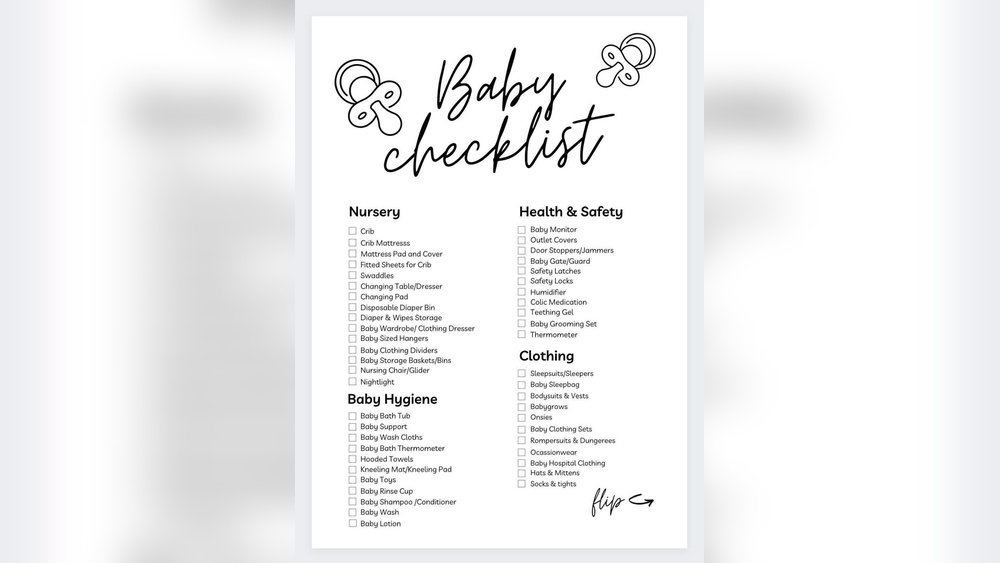
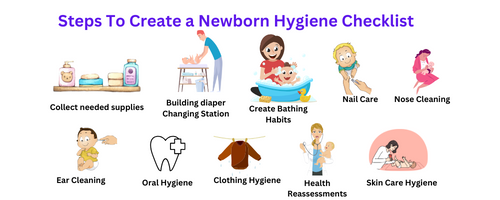
Bringing a newborn home is exciting, but it also comes with many questions—especially about hygiene. You want to keep your baby clean and comfortable, but where do you start?
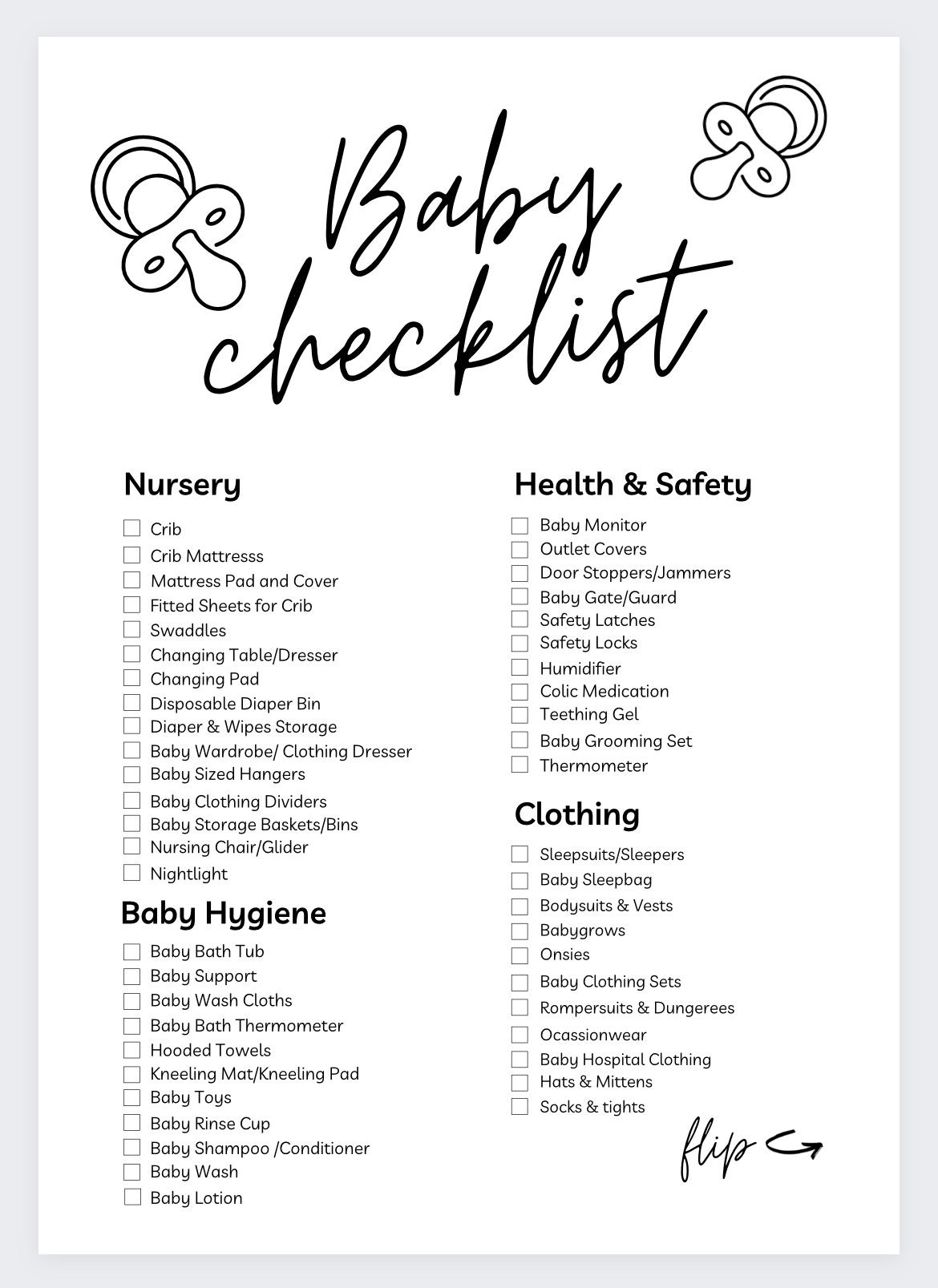
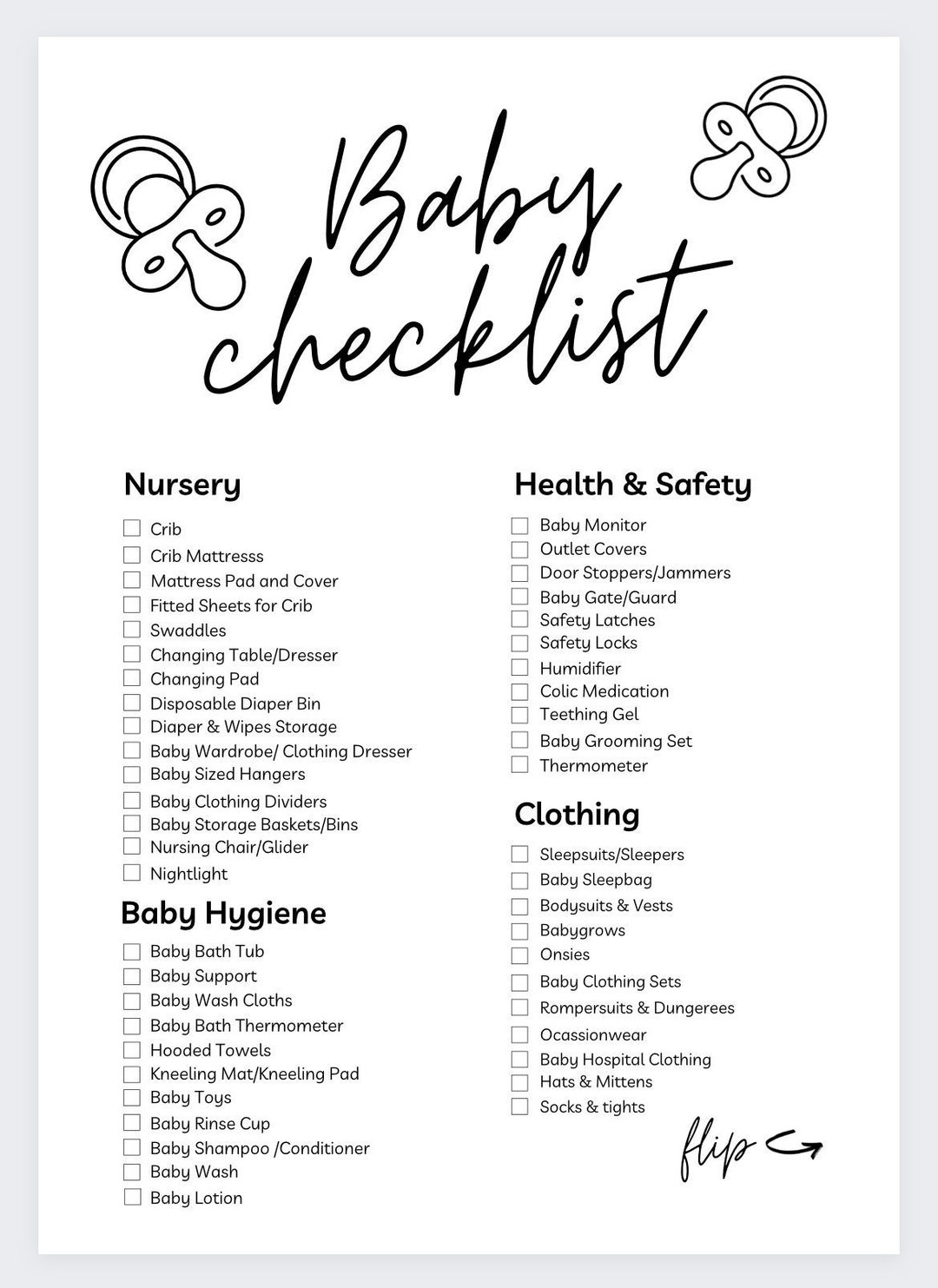
What really matters when it comes to your newborn’s hygiene? This checklist will guide you step-by-step, making sure you don’t miss anything important. By following these simple tips, you’ll feel confident and calm, knowing your baby is safe and cared for.
Keep reading to discover how easy it can be to create a clean and healthy environment for your little one.
Bathing Basics
Bathing a newborn is a special time. It helps keep your baby clean and comfortable. Bathing also builds a bond between you and your little one. Knowing the basics makes bath time safe and enjoyable.
Use gentle care and follow simple steps. This guide covers the right time to bathe, water temperature, products to use, and a clear bath routine.
Choosing The Right Time
Pick a time when your baby is calm and awake. Avoid bathing right after feeding. Choose a warm room to keep your baby cozy. A bath before bedtime can help your baby relax and sleep better.
Safe Water Temperature
Use warm water, not hot. Check the water temperature with your wrist or elbow. It should feel warm, around 37°C (98.6°F). Too hot water can hurt your baby’s skin. Fill the tub with just a few inches of water.
Gentle Cleansing Products
Choose mild, fragrance-free baby soaps and shampoos. These products protect your baby’s soft skin. Avoid strong chemicals and dyes. Use only a small amount to clean your baby. Rinse well to remove all soap.
Step-by-step Bath Routine
Start by washing your hands. Gently support your baby’s head and neck. Use a soft cloth to wash the face first, without soap. Clean the rest of the body from top to bottom. Pay special attention to skin folds. Rinse your baby with clean water. Dry your baby softly with a towel. Dress your baby in clean clothes quickly to keep warm.
Diaper Care
Diaper care is essential for a newborn’s comfort and health. Keeping the diaper area clean helps prevent irritation and infections. Proper diaper care supports your baby’s delicate skin and keeps them happy.
Frequent Changes
Change diapers often to keep your baby dry. Wet or dirty diapers can cause discomfort. Check the diaper every two to three hours. Change it immediately after bowel movements. Frequent changes reduce the risk of rashes.
Preventing Diaper Rash
Diaper rash is common but preventable. Let the baby’s skin air dry before putting on a new diaper. Use a barrier cream to protect the skin. Avoid tight diapers that cause chafing. Keep the diaper area clean and dry.
Choosing Diaper Types
Select diapers that fit well and absorb moisture. Disposable diapers are convenient and absorbent. Cloth diapers are soft and reusable. Choose hypoallergenic diapers for sensitive skin. Always consider your baby’s comfort and skin type.
Proper Cleaning Techniques
Clean the diaper area gently with warm water. Use a soft cloth or baby wipes without alcohol. Wipe from front to back to avoid infections. Pat the skin dry instead of rubbing. Clean hands before and after changing diapers.
Skin Care Essentials
Newborn skin is delicate and needs gentle care daily. Proper skin care helps prevent dryness, rashes, and irritation. Understanding basic skin care essentials is key for every parent.
Keeping your baby’s skin soft and healthy requires simple habits. These tips guide you through moisturizing, handling common skin issues, and avoiding irritants.
Moisturizing Tips
Choose a gentle, fragrance-free moisturizer made for babies. Apply it after bath time to lock in moisture. Use a small amount and rub softly. Avoid heavy creams that can clog pores. Moisturize regularly, especially in dry weather.
Handling Baby Acne
Baby acne is normal and usually clears on its own. Do not squeeze or scrub the bumps. Keep the skin clean by washing with warm water daily. Avoid oily lotions or harsh soaps. Pat dry gently and let the skin breathe.
Dealing With Cradle Cap
Cradle cap causes flaky, yellow patches on the scalp. Use a soft brush to loosen scales before bathing. Apply a small amount of baby oil to soften flakes. Wash the scalp with a mild baby shampoo. Repeat gently until the scales disappear.
Avoiding Irritants
Use mild, fragrance-free soaps and detergents for baby clothes. Dress your baby in soft, breathable fabrics like cotton. Avoid overdressing to prevent sweating and irritation. Keep the baby’s environment clean and dust-free. Always test new products on a small skin area first.
Nail Care
Newborn nail care is a vital part of hygiene. Baby nails grow fast and can be sharp. They may scratch their soft skin. Proper nail care keeps babies comfortable and safe. Parents must learn safe ways to trim and care for nails.
Safe Trimming Methods
Use baby nail scissors or clippers made for infants. They have small, rounded tips. Cut nails straight across to avoid ingrown nails. Hold the baby’s finger gently but firmly. Trim nails when the baby is calm or sleeping. Clean tools before and after each use.
When To Trim Nails
Trim nails regularly, about once a week. Check nails for sharp edges or length often. Trim nails after a bath when they are softer. Avoid trimming nails too short to prevent injury. Watch baby’s fingers and toes daily for scratches.
Avoiding Scratches
Keep baby’s nails short and smooth. Use mittens or socks on hands during sleep. Gently file rough edges with a soft emery board. Avoid scratching by holding baby’s hands gently. Regular nail care reduces risk of self-injury and irritation.
Umbilical Cord Care
The umbilical cord is a small but important part of newborn care. It connects the baby to the mother before birth. After birth, the cord is cut and a small stump remains on the baby’s belly. Keeping this area clean and dry is important to prevent infection and help the stump heal.
Keeping It Clean
Use a clean, damp cloth to gently wipe around the base of the stump. Avoid soaking the stump in water. Give your baby sponge baths until the stump falls off. Do not apply creams or powders on the stump. Let air reach the area by folding the diaper below the stump.
Signs Of Infection
Watch for redness or swelling near the stump. A bad smell or pus can also signal infection. If the baby has a fever or the area looks tender, see a doctor. Early care helps avoid serious problems.
When It Falls Off
The stump usually falls off within 1 to 3 weeks. Some bleeding or oozing is normal at this time. Keep the area clean and dry after the stump falls off. The skin will heal and form the baby’s belly button.
Oral Care
Oral care for newborns starts before the first tooth appears. Keeping gums clean helps prevent bacteria build-up. Good habits early on support healthy teeth later. Simple steps protect your baby’s mouth and comfort.
Cleaning The Gums
Use a soft, damp cloth to wipe your baby’s gums. Do this after feedings to remove milk residue. Gently rub the gums to keep them clean and healthy. Avoid using toothpaste at this stage.
First Tooth Care
As soon as the first tooth appears, start brushing it gently. Use a small, soft-bristled toothbrush designed for babies. Brush once a day with water or a tiny smear of fluoride toothpaste. Keep brushing simple and gentle.
Avoiding Bottle Tooth Decay
Do not let your baby fall asleep with a bottle. Milk or juice in the mouth can cause tooth decay. Offer water if your baby needs a bottle before sleep. Clean teeth and gums regularly to prevent decay early.
Clothing And Laundry
Keeping your newborn’s clothes clean and soft is very important. Their skin is very delicate and can get irritated easily. Proper clothing and laundry care help your baby stay comfortable and healthy. This section covers the basics of choosing the right fabrics, washing baby clothes safely, and avoiding harsh detergents.
Choosing Soft Fabrics
Pick fabrics that feel soft and gentle on the skin. Cotton is a great choice. It lets the skin breathe and reduces sweating. Avoid materials that are rough or scratchy. These can cause rashes or discomfort. Look for clothes labeled as 100% cotton or organic cotton for the best comfort.
Washing Baby Clothes
Wash new baby clothes before use. This removes any chemicals from the factory. Use warm water to clean the clothes well. Rinse thoroughly to remove soap residue. Wash baby clothes separately from adult clothes. This keeps germs and dirt away from your newborn’s items.
Avoiding Harsh Detergents
Use mild detergents made for babies. They are free from dyes and perfumes. Harsh detergents can cause skin allergies and irritation. Avoid using fabric softeners and bleach. These contain chemicals that may harm your baby’s skin. Always choose products that say “hypoallergenic” or “for sensitive skin.”
Safe Sleeping Hygiene
Safe sleeping hygiene is essential for a newborn’s health and comfort. It helps reduce risks like sudden infant death syndrome (SIDS). Keeping the sleep area clean and secure creates a peaceful rest space for your baby.
Good sleep habits start with hygiene. Cleanliness and safety go hand in hand to protect your newborn.
Clean Bedding Tips
Use soft, breathable fabrics for your baby’s bedding. Wash sheets and blankets often. Choose gentle, hypoallergenic detergents to avoid skin irritation. Change bedding immediately if it becomes wet or soiled. Avoid heavy blankets or pillows that can cause overheating or suffocation.
Maintaining A Safe Sleep Environment
Place your baby on their back to sleep. Keep the crib free of toys, bumpers, and loose bedding. Maintain a comfortable room temperature to prevent overheating. Use a firm mattress that fits snugly in the crib. Regularly check for any hazards or loose parts in the sleep area.
Frequently Asked Questions
How Often Should I Bathe My Newborn?
Newborns only need baths two to three times a week. Too frequent bathing can dry their delicate skin. Use mild, fragrance-free soap and warm water to keep your baby clean and comfortable.
What Is The Best Way To Clean A Newborn’s Umbilical Cord?
Keep the umbilical cord stump dry and clean until it falls off naturally. Avoid submerging it in water. Clean gently with a cotton swab and plain water if needed to prevent infection.
How Do I Maintain Proper Diaper Hygiene For My Baby?
Change diapers frequently, at least every two to three hours. Clean the area thoroughly with gentle wipes or a damp cloth. Allow the skin to dry before putting on a new diaper to prevent rashes.
What Products Are Safe For Newborn Skin Care?
Choose products labeled hypoallergenic and free from fragrances or harsh chemicals. Use gentle baby lotions and shampoos formulated specifically for newborns. Always do a patch test to avoid allergic reactions.
Conclusion
Keeping your newborn clean helps them stay healthy and happy. Follow this checklist every day for good hygiene. Use gentle products made for babies. Wash hands before touching your baby to stop germs. Clean diaper areas carefully to prevent rashes.
Bath time can be short but regular. Always dry your baby well after washing. Simple steps create a safe, clean space for your little one. Stay consistent, and your baby will feel fresh and comfortable. Caring for your newborn’s hygiene is a small effort with big benefits.


