Your newborn’s tiny hands are full of wonder—and germs you can’t see. Keeping those little fingers clean is one of the simplest, yet most powerful ways to protect your baby’s health.
But how do you make hand hygiene safe and easy for a newborn? If you want to learn the best tips and tricks to keep your baby’s hands clean without stress, you’re in the right place. Keep reading, because what you do now can make a big difference in your newborn’s well-being.
Why Hand Hygiene Matters
Clean hands are very important for newborn babies. Their immune systems are weak. Germs can easily cause sickness. Keeping hands clean helps protect babies from many infections. It also helps keep their skin safe from irritation and rashes.
Everyone who touches a newborn must wash their hands well. This simple habit can stop many health problems. It keeps babies safe and healthy during their first days and weeks of life.
Risks Of Germ Transmission
Germs live on skin and surfaces. They spread fast through touch. Newborns can catch germs from hands that are not clean. These germs cause colds, flu, and other infections. Some infections can be very serious for babies. Germs can also spread to other family members easily.
Impact On Newborn Health
Newborns get sick more easily than older children. Infections can cause fever, trouble breathing, or feeding problems. Some infections may need hospital care. Good hand hygiene lowers the chance of these problems. It helps babies grow strong and stay well.

When To Clean Hands
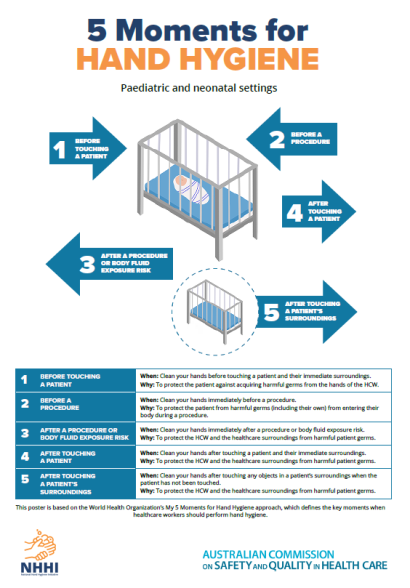
Keeping hands clean is key to protecting a newborn from germs. Babies have weak immune systems. Germs can cause serious illnesses. Knowing the right times to wash hands helps keep babies safe. This guide focuses on important moments to clean hands.
Before Handling Baby
Hands must be clean before touching a newborn. Germs on hands can spread to the baby. Always wash hands with soap and water. Use hand sanitizer if soap is not available. This simple step reduces the risk of infection.
After Diaper Changes
Diaper changes expose hands to bacteria and viruses. Cleaning hands right after changing diapers is crucial. Use soap and water to wash thoroughly. This stops germs from spreading to the baby or surroundings. Never skip hand washing after diaper care.
After Coughing Or Sneezing
Coughs and sneezes release droplets carrying germs. Hands can pick up these germs quickly. Wash hands immediately after coughing or sneezing. Use tissue to cover mouth and nose first. Clean hands prevent passing germs to the newborn.
Best Handwashing Techniques
Keeping newborns safe from germs starts with clean hands. Good handwashing stops germs from spreading to babies. It protects their weak immune systems and helps them stay healthy. Here are the best handwashing techniques every caregiver should know.
Choosing The Right Soap
Select mild, fragrance-free soap for newborn handwashing. Harsh soaps can irritate delicate skin. Look for gentle, hypoallergenic formulas. Avoid antibacterial soaps, as they can dry hands. Soft soaps clean well without harming skin.
Proper Handwashing Steps
Wet hands with warm water first. Apply enough soap to cover all hand areas. Rub hands palm to palm. Clean between fingers and under nails. Don’t forget thumbs and wrists. Scrub for at least 20 seconds. Rinse hands well under running water. Dry with a clean towel or air dryer.
Using Hand Sanitizers Safely
Hand sanitizers work when soap isn’t available. Choose sanitizers with at least 60% alcohol. Use a small amount and rub hands together. Cover all surfaces until dry. Keep sanitizers away from newborns’ mouths and eyes. Do not use on visibly dirty or greasy hands.
Hand Hygiene For Visitors
Visitors often want to hold and see the newborn. This excitement can be a risk if hands are not clean. Babies have weak immune systems and get sick easily. Visitors must keep their hands clean to protect the newborn from germs.
Setting Boundaries
Parents can set clear rules for visitors. It is okay to ask visitors to wash their hands first. Limit the number of visitors at one time. Avoid visitors who feel sick or have a cough or cold. These boundaries help keep the baby safe and healthy.
Encouraging Clean Hands
Provide hand sanitizer or soap and water near the door. Politely remind visitors to clean their hands before holding the baby. Explain that clean hands prevent the spread of germs. Make hand hygiene easy and quick for everyone. This small step protects the newborn from infections.
Maintaining Baby’s Skin Health
Maintaining your baby’s skin health is very important. Newborn skin is soft and delicate. It needs gentle care to stay healthy and strong. Proper hand hygiene helps protect against germs. But it should not harm your baby’s skin. Follow safe practices to keep skin soft and clean.
Good habits prevent dryness and irritation. Keep your baby comfortable by caring for their skin properly.
Avoiding Harsh Chemicals
Choose mild soaps made for babies. Avoid products with strong scents or dyes. These can cause redness and dryness. Harsh chemicals strip natural oils from the skin. This makes skin fragile and itchy. Use gentle cleansers that keep skin moisture intact. Always check ingredient labels before buying. Less is more when it comes to baby skin care.
Moisturizing After Washing
Apply a gentle moisturizer after washing hands. This helps lock in natural moisture. Use creams or lotions made for newborns. Avoid heavy or perfumed products. Moisturizing prevents skin from becoming dry and cracked. It keeps the skin soft and smooth. Make it a daily habit to protect your baby’s skin barrier.
Common Hand Hygiene Mistakes
Keeping hands clean is very important for newborn care. Many people make simple mistakes that can let germs reach the baby. These errors can cause infections and health problems. Knowing common hand hygiene mistakes helps protect your newborn better.
Skipping Handwashing
Not washing hands before holding the baby is risky. Germs stay on hands and spread easily. Always wash hands with soap and water for at least 20 seconds. This removes dirt and harmful bacteria. Hand sanitizer can be used if soap is not available. Clean hands stop germs from reaching the baby’s skin or mouth.
Touching Face Or Baby’s Mouth
Touching your face and then the baby’s mouth spreads germs. The nose, eyes, and mouth carry many bacteria. These germs can transfer to the baby quickly. Avoid touching your face while holding or feeding the newborn. Keep hands away from the baby’s mouth to protect against infections. Clean hands create a safe environment for the baby.
Tools To Support Hygiene
Maintaining proper hand hygiene is key to protecting newborns from germs. Using the right tools makes hand cleaning easier and more effective. These tools create a safe and clean environment for babies and caregivers. Below are two essential tools that support newborn hand hygiene.
Handwashing Stations
Handwashing stations offer a dedicated place for washing hands. They usually include a sink, soap, and clean towels. These stations encourage frequent handwashing. Easy access helps parents and nurses clean hands often. Proper handwashing removes dirt and harmful germs. Stations placed near nurseries or changing areas improve hygiene habits.
Hand Sanitizer Dispensers
Hand sanitizer dispensers provide a quick way to clean hands. They are filled with alcohol-based sanitizer that kills germs fast. Dispensers can be wall-mounted or portable. This makes them handy in many places. Using sanitizer is ideal when soap and water are unavailable. It helps reduce the spread of bacteria and viruses around newborns.

Frequently Asked Questions
Why Is Newborn Hand Hygiene Important?
Newborn hand hygiene prevents harmful germs from causing infections. Babies have weak immune systems, so clean hands reduce illness risks. Proper handwashing protects newborns from bacteria and viruses, promoting better health and faster recovery.
When Should You Wash Your Hands Before Handling A Newborn?
Wash hands before touching your baby, especially after using the restroom. Also wash after changing diapers, handling pets, or touching surfaces. Clean hands help minimize the spread of germs to your newborn.
What Is The Best Way To Clean Newborn Hands?
Use gentle soap and warm water to wash hands for 20 seconds. Avoid harsh chemicals or alcohol-based sanitizers on newborn skin. Pat hands dry with a clean towel to keep skin soft and healthy.
Can Hand Sanitizer Be Used For Newborn Hand Hygiene?
Hand sanitizer can be used if soap and water aren’t available. Use only sanitizers with at least 60% alcohol content. Avoid applying sanitizer directly on newborn skin; use it on your hands before touching baby.
Conclusion
Keeping your newborn’s hands clean protects them from many germs. Regular hand washing helps stop infections early. Use mild soap and warm water for best results. Teach family and visitors to clean hands before holding the baby. Small habits make a big difference in your baby’s health.
Stay consistent and patient with hand hygiene routines. Your care builds a safer, healthier start for your little one. Simple steps today lead to strong, happy babies tomorrow.


