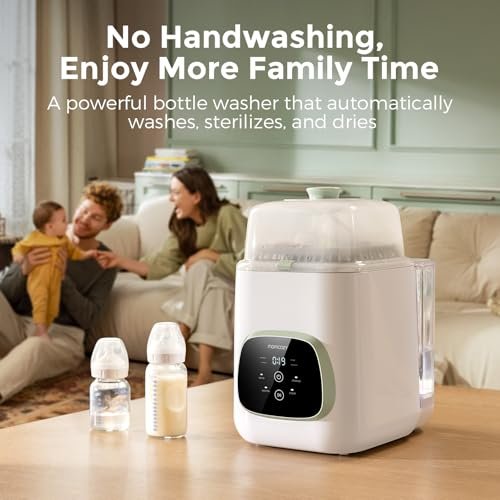
Are you wondering if it’s safe to leave your baby’s bottles stored inside the sterilizer overnight? You’re not alone.
Many parents ask this question because they want to make sure their little one’s bottles stay clean and ready to use without any risk. Leaving bottles in the sterilizer might seem convenient, but could it affect the cleanliness or safety of the bottles?
Keep reading to find out the truth and get simple, practical advice that will help you keep your baby’s feeding routine safe and stress-free.
How Sterilizers Work
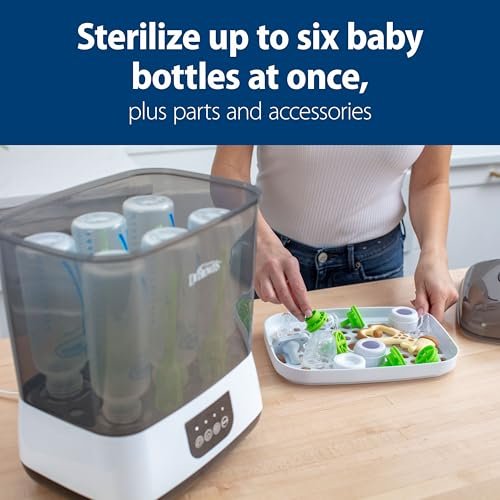
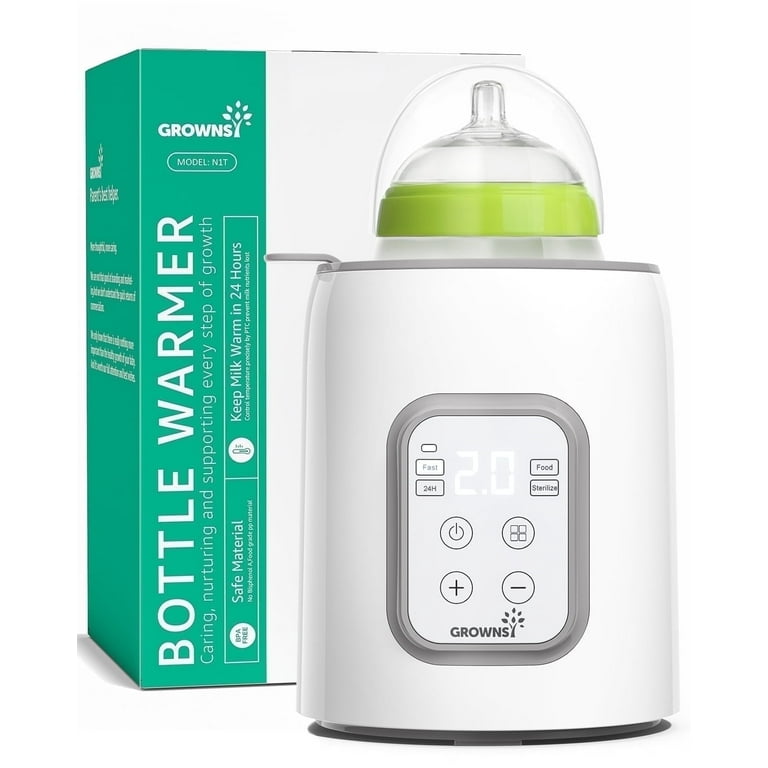
Sterilizers help keep baby bottles clean and safe. They kill germs that can cause illness. Understanding how sterilizers work helps you use them better. It also answers questions about storing bottles inside overnight.
Types Of Sterilizers
Many sterilizers exist. Some use steam, others use UV light. Steam sterilizers heat water to create steam. This steam kills most bacteria and viruses. UV sterilizers use ultraviolet light to destroy germs. Electric and microwave sterilizers are popular choices. Each type has its own way to clean bottles.
Sterilization Process
The process starts with placing bottles inside the sterilizer. Then, the device heats or exposes bottles to kill germs. Steam sterilizers boil water to make hot steam. This steam reaches all bottle surfaces. It kills harmful bacteria quickly. UV sterilizers shine light inside the chamber. The light breaks down bacteria DNA to stop growth. Both methods leave bottles safe for baby use.
Risks Of Leaving Bottles Overnight
Leaving baby bottles inside the sterilizer overnight may seem easy. Yet, it can cause some risks that affect your baby’s health and the bottle’s cleanliness. Understanding these risks helps keep feeding safe and hygienic.
Bacteria and mold can grow quickly in moist, warm places. Sterilizers often stay warm and damp after use. This creates the perfect spot for germs to multiply.
Bacterial Growth Concerns
Sterilizers kill bacteria during the cleaning cycle. But after this, the environment can still hold moisture. Bacteria can start to grow again on the bottles and inside the sterilizer. These bacteria can cause infections or stomach problems for babies. Bacteria thrive in warm, damp areas, which is common inside sterilizers left closed overnight.
Moisture And Mold Issues
Moisture stays trapped inside the sterilizer when bottles stay in overnight. This wet environment is ideal for mold growth. Mold is harmful and may cause allergies or breathing problems. It can also leave a bad smell on the bottles. Even if the bottles look clean, mold can still be present in small amounts. Drying bottles outside the sterilizer helps reduce this risk.
Manufacturer Guidelines
Manufacturer guidelines offer the best advice on storing bottles inside sterilizers. These instructions come from the experts who design and test the products. Following their advice helps keep bottles safe and clean. It reduces risks of contamination or damage. Always check the manual or packaging for specific details.
Recommended Storage Times
Most manufacturers suggest not leaving bottles inside the sterilizer for too long. Usually, bottles can stay sterile for up to 24 hours if the sterilizer remains closed. Some models may allow longer storage, but always confirm with the product guide. Leaving bottles overnight is often safe only if the lid stays sealed tightly.
Opening the sterilizer too soon can let germs enter. Sterile bottles lose their cleanliness quickly if exposed to air. Storing bottles longer than recommended can lead to bacteria growth. Always follow the exact timing advised by the manufacturer.
Warnings And Precautions
Many manufacturers warn against storing bottles inside the sterilizer for multiple days. Some sterilizers are not designed to keep bottles sterile for long periods. Moisture buildup inside can cause mold or mildew. This can make bottles unsafe for babies.
Some instructions advise drying bottles completely before storage. Others recommend removing bottles after sterilizing and storing them in a clean, dry place. Always avoid leaving water inside the sterilizer. Check for any signs of damage or wear before each use. Following warnings keeps babies safe and healthy.

Safe Storage Alternatives
Safe storage alternatives help keep baby bottles clean and ready for use. Leaving bottles inside the sterilizer overnight can cause moisture buildup. This moisture may lead to mold or bacteria growth. Choosing the right storage method keeps bottles dry and safe. It also helps parents feel confident about their baby’s feeding tools.
Drying Bottles Before Storage
Dry bottles completely before storing them. Use a clean towel or air dry on a rack. Drying removes any leftover moisture inside and outside the bottles. Moisture invites bacteria and mold to grow quickly. Store bottles in a clean, dry container with a tight lid. This method keeps bottles safe until the next feeding.
Using Sterilizer Drying Functions
Many modern sterilizers come with a drying feature. This function uses warm air to dry bottles after sterilizing. Drying inside the sterilizer reduces moisture and prevents bacteria growth. Use this feature before storing bottles in the sterilizer or elsewhere. It saves time and ensures bottles stay clean and dry. Always follow the manufacturer’s instructions for best results.
Expert Tips For Bottle Hygiene
Keeping baby bottles clean and safe is very important. Proper hygiene stops germs and helps your baby stay healthy. Experts share tips to keep bottles and sterilizers clean and safe.
Best Practices For Sterilization
Use the sterilizer as the instructions say. Sterilize bottles after every use to kill bacteria. Do not overload the sterilizer to ensure all bottles get cleaned. Use clean water for better results. After sterilizing, dry bottles completely before storing. Avoid touching the inside of bottles or nipples to keep them clean.
Maintaining Sterilizer Cleanliness
Clean the sterilizer often to stop dirt and germs. Remove any water left inside after each use. Wipe the parts with a soft cloth and mild soap. Check for scale or build-up and remove it with vinegar. Let the sterilizer dry fully before the next use. Regular cleaning helps the machine work well and keeps bottles safe.

Frequently Asked Questions
Is It Safe To Leave Bottles In Sterilizer Overnight?
Yes, leaving bottles in the sterilizer overnight is generally safe if the sterilizer is dry and closed. Moist environments can promote bacteria growth, so ensure the sterilizer is designed for overnight storage.
Can Bacteria Grow In Sterilized Bottles Left Overnight?
Bacteria growth is unlikely if bottles are properly sterilized and sealed inside a dry sterilizer. However, moisture and air exposure can increase contamination risk.
Does Leaving Bottles In Sterilizer Affect Sterilization Quality?
Extended storage in a closed sterilizer usually maintains sterilization quality. Once opened or exposed to air, bottles may need re-sterilization to ensure safety.
Should Bottles Be Dried Before Storing In Sterilizer Overnight?
Yes, drying bottles before storing helps prevent moisture build-up, reducing bacteria growth risk and maintaining sterilization effectiveness.
Conclusion
Leaving bottles inside the sterilizer overnight can be safe if done right. Make sure the sterilizer is dry and clean before storing bottles. Damp conditions can cause bacteria to grow quickly. Use the sterilizer’s instructions as a guide. Remember to check bottles before feeding your baby.
Clean and dry bottles help keep your baby healthy. Storing bottles properly saves time but don’t forget safety. Small steps make a big difference in baby care. Keep your baby’s bottles safe and ready when needed.