Are you wondering if a baby carrier is safe for your newborn? You want to keep your little one close, but safety is your top priority.
Using a baby carrier can be a wonderful way to bond and keep your hands free, but it’s important to know the right way to do it. You’ll discover what makes a baby carrier safe or risky for newborns. By the end, you’ll feel confident and informed about whether a baby carrier is the right choice for you and your baby.
Keep reading to protect your baby and enjoy those precious moments together.
Safety Basics For Newborn Carriers
Newborns need special care when using a baby carrier. Safety is the top priority for parents. Understanding the basics helps keep your baby safe and comfortable. Choosing the right carrier, positioning your baby correctly, and checking the material are key steps. Each detail plays a role in your baby’s safety and well-being.
Choosing The Right Carrier
Select a carrier designed specifically for newborns. It should support the baby’s head and neck firmly. Look for carriers with adjustable straps for a snug fit. Avoid carriers made for older babies that do not offer newborn support. Proper support reduces the risk of injury and helps your baby feel secure.
Proper Positioning Techniques
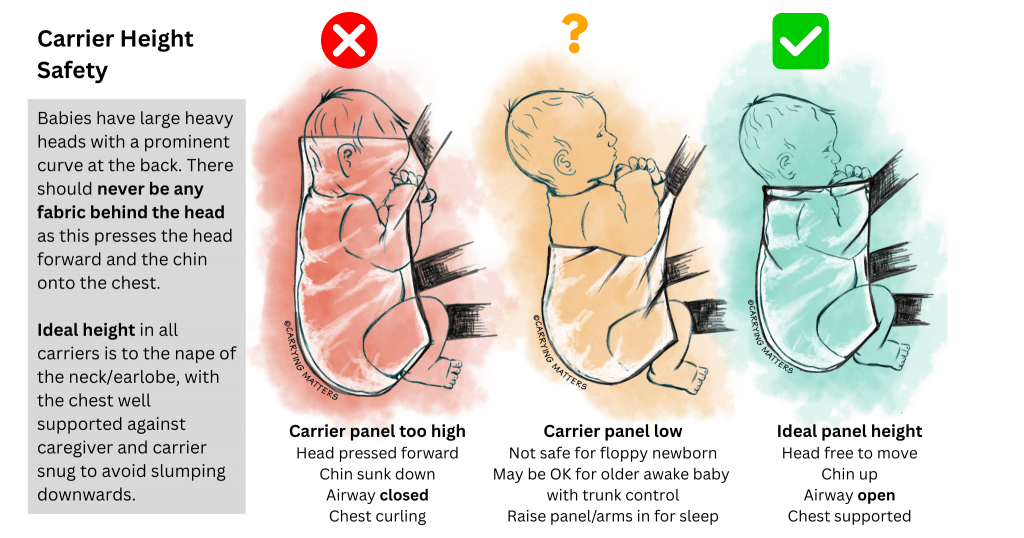
Position your baby in an upright or slightly reclined posture. The baby’s face should always be visible and clear of fabric. Keep the baby’s chin off the chest to prevent breathing issues. The legs should be in an “M” shape, with knees higher than the bottom. Correct positioning promotes healthy hip development and safe breathing.
Material And Design Considerations
Choose breathable and soft fabric to avoid skin irritation. Check for sturdy stitching and strong buckles to ensure durability. Avoid carriers with loose parts or sharp edges. Lightweight materials help keep both you and the baby comfortable. Safe design features prevent accidents and support your baby properly.
Credit: www.carryingmatters.co.uk
Common Risks And How To Avoid Them
Using a baby carrier for newborns has benefits but also some risks. Knowing these risks helps keep your baby safe. This section covers common risks and ways to avoid them. Follow simple steps to protect your little one.
Preventing Airway Obstruction
Newborns have small, soft airways. A carrier that presses their chin to chest blocks breathing. Always keep your baby’s face visible and free. The head should stay upright and supported. Check that the baby’s nose and mouth are clear. Adjust the carrier to avoid tight wrapping around the face.
Avoiding Hip Dysplasia
Hip dysplasia happens if the baby’s legs stay straight and close for long. Use carriers that support the baby’s hips in a natural, spread position. Legs should form an “M” shape, with knees higher than the bottom. Avoid carriers that let the legs dangle. This positioning helps healthy hip development.
Monitoring Temperature And Comfort
Babies can get too hot or cold in carriers. Dress them lightly and check their temperature often. Feel the neck or back to see if they sweat or feel cold. Avoid thick clothes or too many layers. Choose breathable fabric carriers for better air flow. Stop use if the baby seems restless or uncomfortable.
Expert Tips For Safe Use
Using a baby carrier safely helps protect your newborn. Simple steps keep your baby comfy and secure. Learn expert tips to make the experience safe and pleasant for both of you.
Adjusting Straps And Supports
Straps must fit snug but not too tight. Check all buckles and fasteners before use. Supports should hold the baby’s head and neck well. Make small adjustments as your baby grows. Proper fit prevents slipping and discomfort.
Keeping An Eye On Baby’s Cues
Watch your baby’s breathing and color closely. Stop if you notice any changes or distress. Your baby should look calm and happy in the carrier. Pay attention to signs of overheating or cold. Respond quickly to keep your baby safe.
When To Stop Using A Carrier
Stop using the carrier if your baby shows discomfort. Avoid use if your baby cannot hold their head up. Follow the weight and age limits of your carrier. Choose other safe ways to carry your baby as they grow. Always prioritize your baby’s safety and comfort.
Benefits Of Baby Wearing
Baby wearing offers many benefits for both newborns and parents. It helps create a strong connection and makes caring easier. Carrying a baby close builds trust and calm. It also allows parents to move freely while keeping the baby safe and comfortable.
Bonding And Emotional Comfort
Holding a baby close helps build a deep bond. Babies feel safe near their parents. This closeness reduces crying and fussiness. It also supports emotional growth and trust. Parents can feel their baby’s heartbeat and warmth, which comforts both.
Hands-free Mobility
Baby carriers allow parents to keep their hands free. This makes daily tasks easier and safer. Parents can shop, cook, or walk without worry. The baby stays secure and close without needing constant holding. This freedom helps parents stay active and calm.
Supporting Physical Development
Baby carriers support healthy physical growth. They keep the baby’s spine and hips in a natural position. Carriers help strengthen neck and back muscles. Being upright also aids digestion and breathing. Proper support reduces the risk of flat head syndrome.
Choosing Between Carrier Types
Choosing the right carrier for your newborn is important. Different types offer different benefits and fits. Understanding the basics helps you pick the safest and most comfortable option.
Every baby and parent has unique needs. This guide breaks down common types and what to consider for newborns.
Wraps Vs. Structured Carriers
Wraps are long pieces of fabric you tie around your body. They offer a snug, flexible hold. Wraps support baby’s head and hips well. They grow with your baby and adjust easily.
Structured carriers have buckles and straps. They are easier to put on quickly. Many have padded support for you and your baby. Some models fit newborns with extra inserts.
Wraps provide close contact. Structured carriers give more support and convenience. Both can be safe if used correctly.
Ring Slings And Mei Tais
Ring slings are a single piece of fabric with two rings. You slide fabric through rings to tighten. Slings offer quick adjustments and easy breastfeeding access.
Mei Tais combine features of wraps and structured carriers. They have a panel with straps to tie around you. Mei Tais distribute weight evenly and support baby well.
Both types allow good airflow. They keep baby close and secure. Learning to tie these carriers safely is key.
Factors For Newborns Specifically
Newborns need strong head and neck support. Their hips should be in a natural “M” shape. Look for carriers that promote this position.
Soft, breathable materials prevent overheating. Adjustable carriers help fit tiny bodies well. Avoid carriers that force baby’s legs to hang straight.
Check weight limits carefully. Start with carriers designed for very small babies. Practice safe positioning every time you use a carrier.

Credit: belugababy.com
Maintenance And Hygiene
Keeping your baby carrier clean and safe is very important. Newborns have sensitive skin and weak immune systems. Dirt, sweat, or damage can cause discomfort or harm. Proper maintenance and hygiene protect your baby and make carrying more comfortable. Follow simple steps to keep your carrier fresh and safe.
Cleaning Guidelines
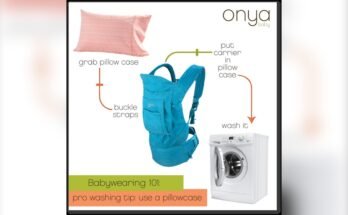
Read the label for washing instructions. Most carriers can be hand washed or machine washed on gentle cycle. Use mild detergent without bleach or fabric softeners. Rinse well to remove all soap. Air dry the carrier to keep its shape and strength. Clean your carrier regularly to remove sweat and dirt.
Inspecting For Wear And Tear
Check straps, buckles, and seams before each use. Look for frayed fabric or loose threads. Make sure buckles and clips work smoothly and lock securely. Replace the carrier if you find damage. Worn parts can break and cause accidents. Safety depends on a carrier in good condition.
Storage Tips
Store your baby carrier in a dry, cool place. Avoid direct sunlight to prevent fabric fading and weakening. Keep it away from dust and pets. Fold it gently without crushing the straps or buckles. Proper storage helps the carrier last longer and stay safe for your newborn.

Credit: ergonomic-baby-carriers.com
Frequently Asked Questions
Is It Safe To Use A Baby Carrier For Newborns?
Yes, baby carriers are safe for newborns when used correctly. Always follow weight guidelines and ensure proper head and neck support. Choose carriers designed for newborns to prevent discomfort or injury.
What Type Of Baby Carrier Is Best For Newborns?
Soft-structured carriers and wraps are best for newborns. They provide snug, ergonomic support for the baby’s spine and hips. Avoid carriers that do not offer head support or are designed for older babies.
How Can I Ensure Proper Positioning In A Baby Carrier?
Position your baby in an upright “M” shape with knees higher than the bottom. Ensure the baby’s airway is clear and chin is off the chest to prevent breathing issues. Adjust straps for a secure fit.
Can Baby Carriers Affect Newborn Breathing?
Improper use can restrict a newborn’s airway. Always keep the baby’s face visible and uncovered. Regularly check that the baby’s chin is not pressed against the chest to maintain open airways.
Conclusion
Baby carriers can be safe for newborns with the right use. Always choose carriers designed for babies. Check that your baby’s airway stays clear and their hips are supported. Keep your baby close and watch their position often. Comfort matters for both baby and parent.
Using a carrier helps keep your hands free while bonding. Safety comes first, so read instructions carefully. Trust your instincts and stop if anything feels wrong. Carrying your baby can be a joyful, safe experience.