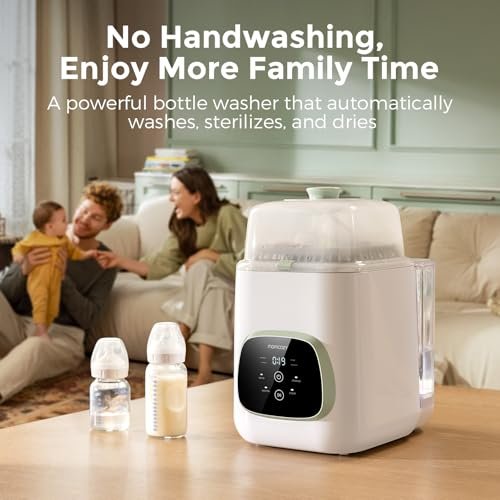
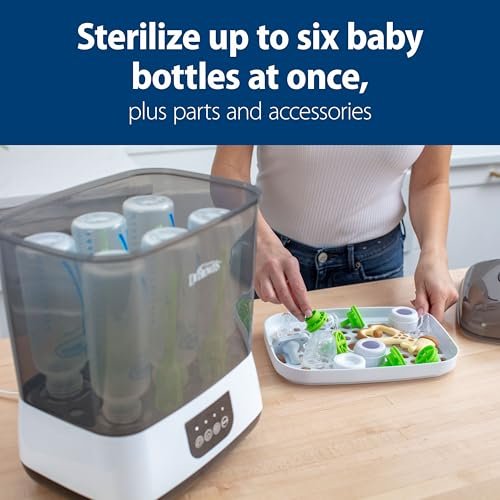
Are you wondering if a baby bottle washer can save you energy while keeping your little one’s bottles spotless? You might think hand-washing is simpler, but what if there’s a smarter, more efficient way?
Understanding how these machines work and their impact on your energy bills can help you make the best choice for your family and the planet. Keep reading to discover if a baby bottle washer is truly energy-efficient and worth adding to your daily routine.
Energy Use Of Baby Bottle Washers
Baby bottle washers are designed to clean bottles efficiently. Their energy use is an important factor for many parents. Understanding how much power these machines consume helps in making an informed choice.
Energy use depends on the model and how often it runs. Some machines use more power during heating cycles. Others focus on water and detergent efficiency, which can affect total energy use. Comparing these machines with hand washing shows their true energy impact.
Typical Power Consumption
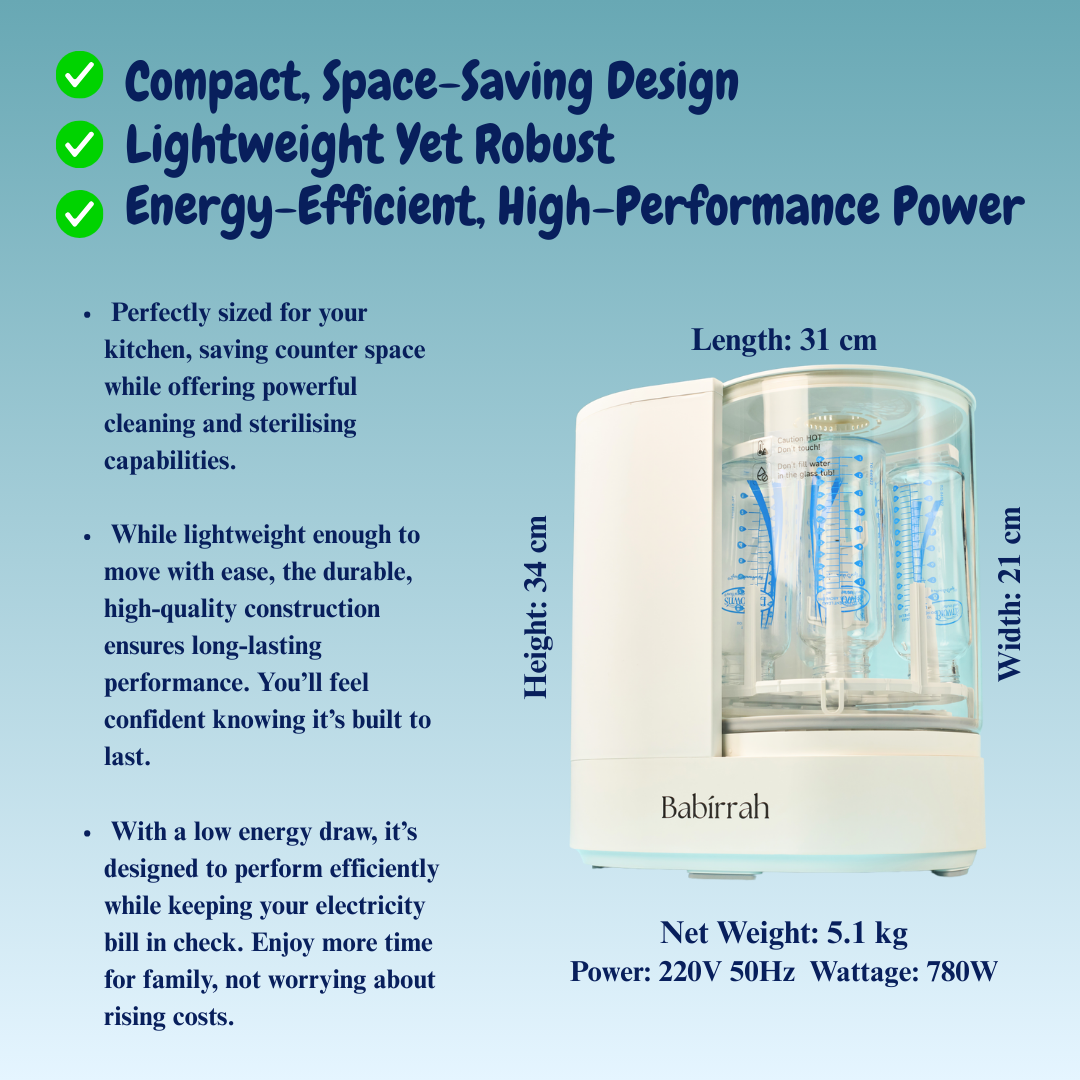
Most baby bottle washers use between 300 to 700 watts per cycle. The heating element for sterilizing uses the most power. A full wash and sterilize cycle usually takes 15 to 30 minutes. Newer models aim to reduce power by improving insulation and heating methods. Using less water also helps lower energy use.
Comparison With Hand Washing
Hand washing uses no electricity but requires hot water. Heating water on a stove or kettle consumes energy too. Running a kettle uses about 1500 watts but only for a few minutes. Hand washing may use more water overall, raising heating needs. Baby bottle washers can use less water and heat it efficiently. This balance can make machine washing more energy-efficient than hand washing.
Water Efficiency Factors
Water efficiency is a key factor when choosing a baby bottle washer. It affects both the environment and your home expenses. Understanding water use helps you pick a model that saves water without losing cleaning power.
Water Usage Per Cycle
Baby bottle washers use water differently than hand washing. Some models use less water per cycle, which can save gallons each day. On average, a cycle might use between 2 to 5 liters of water. Machines with smart sensors adjust water use based on load size, cutting waste. This makes them more water-friendly than washing by hand with running taps.
Impact On Household Water Bills
Less water use means lower water bills. Using a baby bottle washer can reduce the water portion of your bill. Small savings add up over time, especially in homes with multiple children. Energy-efficient washers help balance water and electricity costs. Choosing the right washer keeps your bills steady while keeping bottles clean and safe.
Time And Convenience Benefits
Saving time and effort is very important for busy parents. Baby bottle washers help by making cleaning faster and easier. These machines clean multiple bottles at once. Parents get more free time for other tasks or rest.
Speed Of Cleaning
Baby bottle washers clean bottles quickly. They use strong water jets and warm water to remove milk and residue. This process takes less time than washing by hand. It also dries bottles faster. Parents do not need to wait long before using the bottles again.
Reducing Manual Effort
Cleaning bottles by hand needs scrubbing and rinsing. This can be tiring and time-consuming. Baby bottle washers reduce this manual work. Parents just load the bottles and start the machine. The washer does the hard work. This saves energy and keeps parents from feeling tired.
Environmental Impact Considerations
Understanding the environmental impact of a baby bottle washer helps make better choices. These devices use energy and materials, affecting the planet in different ways. Knowing these effects guides eco-friendly decisions.
Carbon Footprint Of Operation
The carbon footprint measures greenhouse gases from using the washer. Electricity powers the machine, creating emissions depending on the energy source. Using renewable energy lowers its carbon footprint. Short wash cycles save power and reduce emissions. Regular maintenance keeps the washer efficient, cutting energy waste.
Materials And Manufacturing Effects
Manufacturing a baby bottle washer uses raw materials and energy. Plastic and metal parts need mining and processing, which harm nature. Factories produce waste and emissions during production. Choosing washers made from recycled or sustainable materials helps. Durable designs reduce the need for replacements, lowering material use. Packaging also matters; minimal and recyclable packaging lessens waste.
Tips For Maximizing Efficiency
Maximizing the efficiency of a baby bottle washer saves energy and water. Small changes in how you choose and use the washer make a big difference. These tips help keep your baby’s bottles clean while using less power.
Choosing The Right Model
Select a baby bottle washer designed for low energy use. Look for models with energy-saving settings. A compact size fits bottles without wasting space. Check for water-efficient features to reduce consumption. Choose one with a good energy rating to lower bills.
Optimal Usage Practices
Run the washer only when full to save water and electricity. Use the shortest cycle that cleans bottles well. Avoid pre-rinsing bottles to save water. Keep the washer clean to maintain its efficiency. Regularly check and replace filters if needed.

Frequently Asked Questions
Is A Baby Bottle Washer More Energy-efficient Than Hand Washing?
A baby bottle washer uses less water and energy than hand washing. It heats water efficiently and uses precise cycles, saving electricity. This makes it a more eco-friendly and energy-saving choice for busy parents.
How Much Electricity Does A Baby Bottle Washer Consume?
A typical baby bottle washer consumes between 0. 5 to 1. 5 kWh per cycle. Energy usage varies by model and settings. Most are designed to minimize power use while ensuring thorough cleaning.
Can Baby Bottle Washers Reduce Water Consumption?
Yes, baby bottle washers use significantly less water than manual washing. They recycle water during cycles and optimize usage, lowering household water bills and conserving resources.
Are Energy-efficient Baby Bottle Washers Cost-effective Long-term?
Energy-efficient models save money on utility bills over time. Their optimized power and water use reduce operational costs. Investing in one benefits both the environment and your wallet.
Conclusion
A baby bottle washer can save energy compared to hand washing. It uses less water and heats it efficiently. This means lower electricity bills and less waste. Choosing an energy-efficient model helps the environment too. Remember to use the washer properly for best results.
Small changes make a big difference in daily routines. Consider your needs and space before buying one. Energy savings and convenience go hand in hand with these devices. Simple steps lead to a cleaner home and lower energy use.