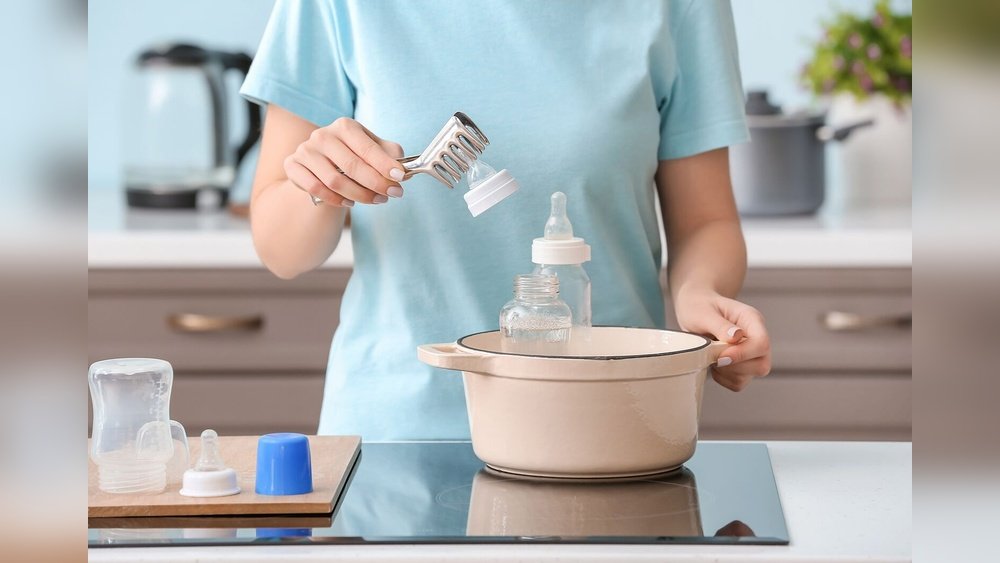
You want the best for your baby, and keeping their bottles clean is a big part of that. But do you know the safest and easiest way to sterilize baby bottles?
If not, don’t worry—you’re not alone. Sterilizing your baby’s bottles properly can protect your little one from harmful germs and give you peace of mind. You’ll discover simple, effective methods to make sure every bottle is spotless and safe. Keep reading to learn how to make sterilizing quick, easy, and stress-free for you and your baby.

Why Sterilize Baby Bottles
Sterilizing baby bottles is an important step for every parent. Babies have weak immune systems. Germs and bacteria on bottles can harm them easily.
Cleaning alone does not remove all germs. Sterilizing kills dangerous bacteria and viruses. This keeps your baby safe and healthy.
Risks Of Unsterilized Bottles
Bacteria grow fast on leftover milk and formula. Germs cause stomach infections and diarrhea in babies. These illnesses can lead to serious health problems.
Unsterilized bottles may carry harmful germs like E. coli and Salmonella. These bacteria cause fever and vomiting. Babies can become very sick quickly.
Benefits For Baby’s Health
Sterilized bottles reduce the risk of infection. They help keep your baby free from harmful germs. This supports strong growth and good health.
Using sterilized bottles also protects babies with weak immunity. It helps prevent allergies and rashes. Sterilizing creates a clean feeding environment every time.
When To Sterilize Bottles
Knowing when to sterilize baby bottles is very important. It keeps your baby safe from germs. Sterilizing at the right times helps avoid infections and keeps bottles clean. This section explains the key moments to sterilize baby bottles.
Before First Use
Sterilize all baby bottles before using them for the first time. This removes any dust or bacteria from the factory or store. It ensures a clean start for your baby’s feeding. Use boiling water, a sterilizer, or sterilizing solution to clean bottles.
After Each Feeding
Cleaning bottles after every feeding is essential. Rinse the bottle and nipple well with warm water. Then sterilize to kill leftover germs. This stops bacteria from growing and keeps your baby healthy. Always sterilize bottles before the next feed.
Special Situations
Sterilize bottles more often if your baby is sick. Premature babies or those with weak immune systems need extra care. Also sterilize after traveling or if bottles fall on the floor. These times increase the chance of germs and need careful cleaning.
Methods Of Sterilization
Sterilizing baby bottles is essential for your baby’s health. Germs can cause infections and sickness. Using the right sterilization method kills harmful bacteria and keeps bottles safe.
There are several ways to sterilize baby bottles. Each method has its benefits and works well at removing germs. Choose the one that fits your lifestyle and needs.
Boiling Water Method
Boiling water is a simple, natural way to sterilize bottles. Fill a large pot with water and bring it to a boil. Submerge all bottle parts completely. Keep boiling for at least five minutes. Remove and let them air dry on a clean towel.
Steam Sterilizers
Steam sterilizers use hot steam to kill germs quickly. They plug into an outlet and heat water to produce steam. Place bottles inside and close the lid. The process takes about six to eight minutes. Steam sterilizers are easy and save time.
Microwave Sterilizers
Microwave sterilizers use steam inside a special container. Add water and place bottles inside the microwave. Heat for two to six minutes, depending on power. This method is fast and convenient for busy parents. Make sure to follow the product instructions carefully.
Chemical Sterilization
Chemical sterilization uses special solutions or tablets to kill germs. Dissolve the tablet in cold water and soak bottles for at least 30 minutes. Rinse bottles with cooled, boiled water before use. This method works well when heat is not an option.

Step-by-step Sterilization Guide
Keeping baby bottles clean and safe is very important. Sterilizing removes harmful germs that washing alone cannot. Follow these clear steps to sterilize bottles properly. This guide helps protect your baby’s health every time you feed.
Cleaning Bottles First
Start by taking apart all bottle parts. Use warm water and mild soap to wash them. Scrub each piece well with a bottle brush. Rinse thoroughly to remove all soap. Clean bottles must be free of milk or formula. This step prevents germs from hiding before sterilizing.
Sterilizing Process
Choose a sterilizing method you prefer. Boiling is common: place bottles in boiling water for five minutes. Use an electric steam sterilizer or microwave sterilizer if available. Ensure bottles and parts are fully submerged or inside the device. Sterilizing kills bacteria and keeps bottles safe for feeding.
Drying And Storing
After sterilizing, remove bottles with clean tongs. Place them on a clean drying rack or towel. Avoid touching the inside to keep them sterile. Let bottles air dry completely before storing. Store bottles in a clean, covered container until use. Proper drying and storage stop new germs from growing.
Common Mistakes To Avoid
Sterilizing baby bottles is important for your baby’s health. Avoiding common mistakes helps keep bottles safe. Many parents make small errors that reduce sterilization effectiveness. Knowing these mistakes improves safety and comfort for your baby.
Improper Cleaning
Cleaning bottles before sterilizing is essential. Food residue or milk left inside blocks sterilization. Use a bottle brush and warm soapy water. Rinse well to remove all soap. Dirty bottles carry bacteria even after sterilizing.
Inadequate Sterilization Time
Not sterilizing long enough leaves germs alive. Follow the sterilizer’s instructions carefully. Most methods need at least five to ten minutes. Short cycles do not kill all bacteria. Always ensure complete sterilization time for safety.
Poor Storage Practices
Sterilized bottles must stay clean after sterilizing. Store them in a clean, sealed container. Leaving bottles open invites dust and germs. Use a dry, covered place to keep bottles safe. Proper storage keeps bottles sterile until use.
Tips For Safe Feeding
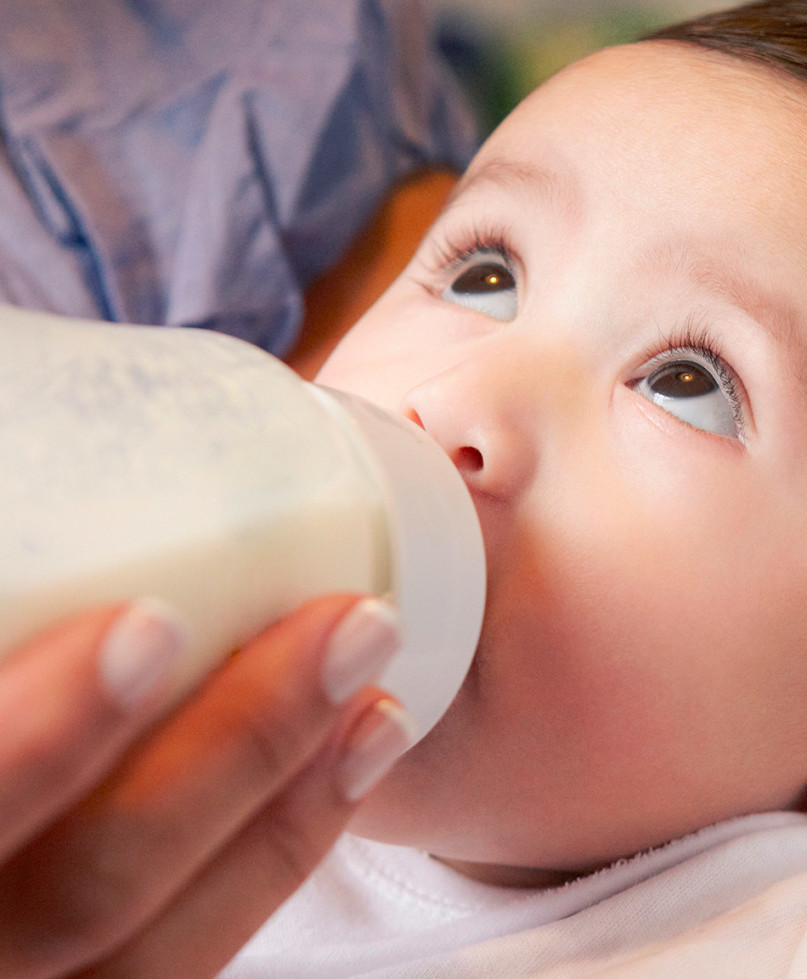
Safe feeding is very important for your baby’s health. Clean bottles help prevent germs and illness. Follow simple tips to keep feeding safe and stress-free.
Handling Sterilized Bottles
Always wash your hands before touching sterilized bottles. Use clean tongs or a dry, clean cloth to handle bottles. Avoid touching the inside of the bottle or nipple. Keep sterilized bottles covered until feeding time. Feed your baby soon after preparing the bottle.
Maintaining Clean Feeding Areas
Clean the feeding area before each use. Wipe surfaces with a safe disinfectant or hot soapy water. Keep bottles, nipples, and other feeding tools off the floor. Use a clean cloth or paper towel to dry the area. Store feeding supplies in a clean, dry place.
Frequently Asked Questions
How Often Should I Sterilize Baby Bottles?
Sterilize baby bottles before first use and regularly thereafter. For newborns, daily sterilization is best. Older babies may need less frequent sterilizing, but always clean thoroughly.
What Are Safe Methods To Sterilize Baby Bottles?
Boiling, steam sterilizers, microwave sterilizers, and chemical sterilizing solutions are safe. Choose a method that fits your convenience and bottle type. Always follow manufacturer instructions for best results.
Can I Sterilize Plastic Baby Bottles In Boiling Water?
Yes, most plastic bottles can be boiled safely. Ensure the plastic is BPA-free and heat-resistant. Boil for at least 5 minutes to kill harmful bacteria effectively.
How Long Does Sterilization Of Baby Bottles Take?
Boiling takes about 5-10 minutes. Electric or microwave sterilizers usually take 4-8 minutes. Chemical sterilizing solutions need around 30 minutes. Always follow specific method guidelines.
Conclusion
Sterilizing baby bottles keeps your baby safe from germs. Clean bottles well before sterilizing each time. Choose a method that fits your daily routine. Boiling, steaming, or using a sterilizer all work well. Always let bottles dry completely before use.
Regular sterilization helps protect your baby’s health. Remember, clean bottles mean fewer risks for your little one. Keep these simple steps in mind for peace of mind. Your baby deserves the safest feeding experience possible.


