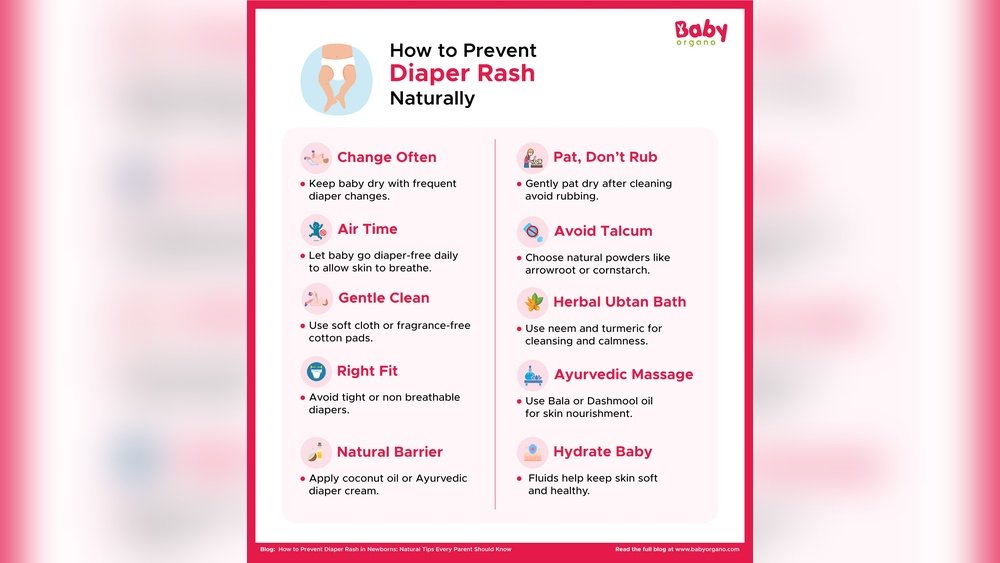
Diaper rash can be uncomfortable and upsetting for both you and your baby. If you want to keep your little one’s skin soft and healthy, knowing how to prevent diaper rash is key.
Imagine avoiding those painful red patches before they even appear. You’ll discover simple, effective steps you can take every day to protect your baby’s skin. Keep reading to learn how small changes in your routine can make a big difference in your baby’s comfort and happiness.
Causes Of Diaper Rash
Diaper rash happens for many reasons. Knowing these causes helps prevent it. Babies’ skin is soft and sensitive. It can get irritated easily.
Irritation From Wetness
Wet diapers cause skin to stay damp. This moisture breaks down the skin’s protective layer. It leads to redness and soreness. Changing diapers often keeps skin dry and healthy.
Friction And Chafing
Diapers rubbing against the skin causes friction. This leads to small scratches and irritation. Tight diapers increase chafing. Choosing the right size reduces rubbing and discomfort.
Allergic Reactions
Certain diaper materials or wipes can cause allergies. Chemicals and fragrances irritate sensitive skin. Allergic reactions show as redness and bumps. Using gentle, fragrance-free products helps prevent allergies.
Infections And Yeast
Warm, moist areas invite infections and yeast growth. These infections make rashes worse. Yeast rashes appear bright red with small spots. Keeping the diaper area clean stops infections from spreading.
Choosing The Right Diapers
Choosing the right diapers plays a big role in preventing diaper rash. The right diaper keeps your baby’s skin dry and comfortable. It helps stop irritation and redness. Picking suitable diapers makes diaper changes easier and safer for your baby’s skin.
Disposable Vs Cloth Diapers
Disposable diapers are easy to use and throw away. They absorb moisture quickly to keep skin dry. Cloth diapers are reusable and eco-friendly. They need washing but are softer on the skin. Both types have pros and cons. Choose what fits your baby’s needs and skin sensitivity.
Importance Of Breathability
Breathable diapers let air reach the baby’s skin. This stops heat and moisture from building up. Breathable materials reduce sweating and rash risk. Look for diapers with good ventilation features. Breathability keeps skin dry and happy.
Proper Fit And Sizing
Diapers that fit well prevent leaks and chafing. Too tight diapers can cause redness and discomfort. Loose diapers may cause leaks and skin exposure. Measure your baby’s waist and weight for the right size. Change diaper size as your baby grows for best fit.
Diaper Changing Best Practices
Keeping your baby’s skin healthy starts with good diaper changing habits. These habits reduce irritation and keep rashes away. Simple steps make a big difference in comfort and skin care.
Diaper changing is more than just switching diapers. It involves careful cleaning and protecting the skin. A good routine helps prevent diaper rash and keeps your baby happy.
Frequent Changes
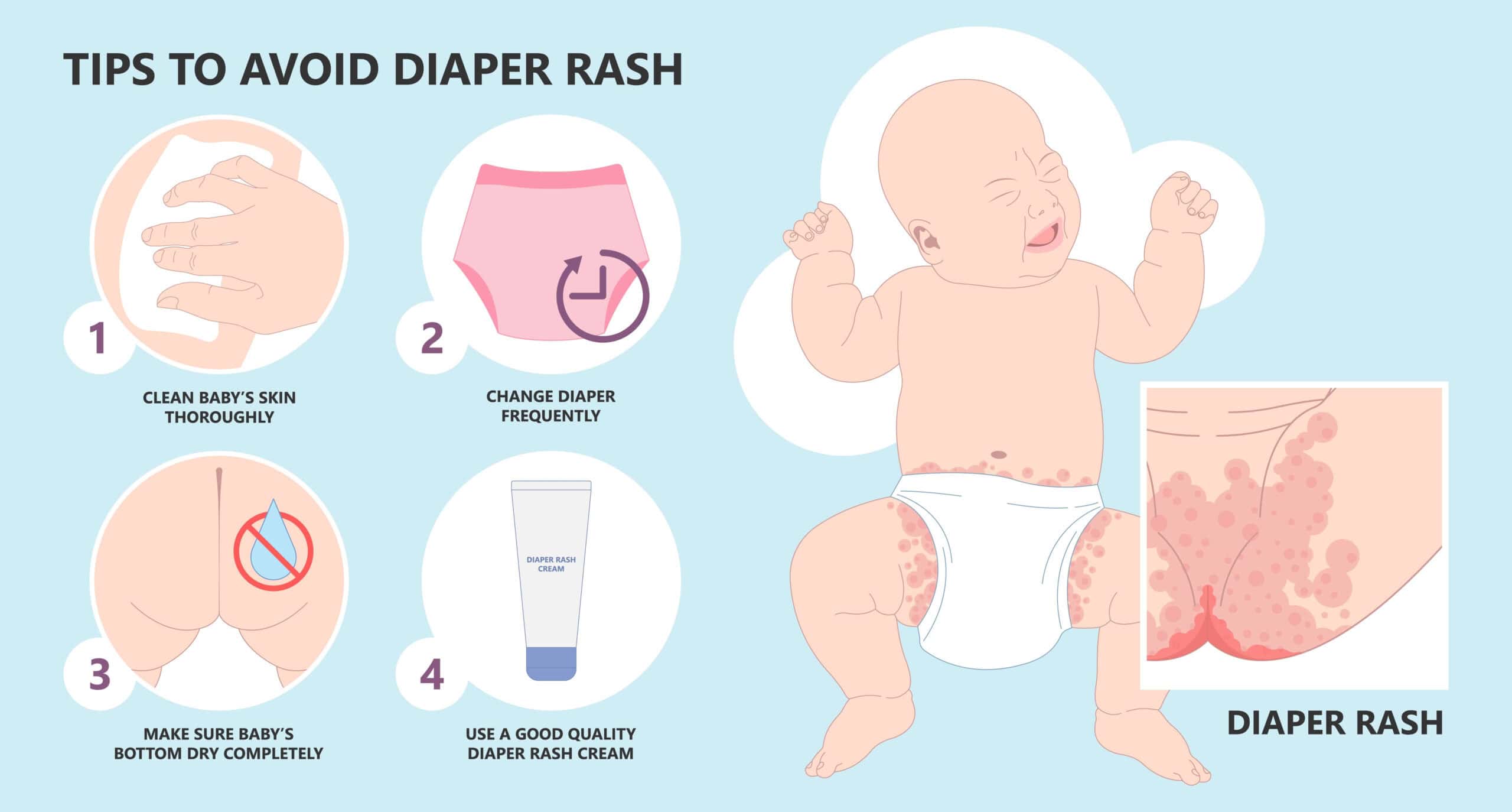
Change diapers often to keep the skin dry. Wet or dirty diapers cause irritation quickly. Check the diaper every two hours or after each meal. Quick changes stop moisture and bacteria from building up.
Gentle Cleaning Techniques
Clean the diaper area softly with warm water and a soft cloth. Avoid harsh wipes or rubbing hard. Pat the skin dry instead of rubbing. Use gentle products made for babies to avoid irritation.
Using Barrier Creams
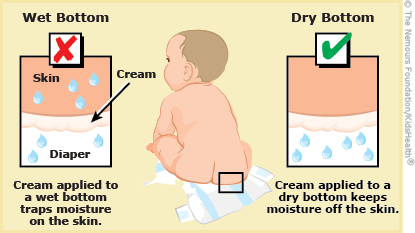
Apply a thin layer of barrier cream at every diaper change. These creams protect the skin from moisture and friction. Look for creams with zinc oxide or petroleum. They create a shield that helps prevent rashes.
Skin Care Tips For Babies
Taking care of your baby’s skin is key to preventing diaper rash. Gentle care keeps their skin soft and healthy. Here are simple tips to protect your baby’s delicate skin every day.
These easy steps help avoid irritation and keep your baby happy.
Allowing Air Time
Let your baby’s skin breathe by giving air time. Remove diapers for a few minutes after each change. This helps dry the skin and stops moisture buildup. Air time reduces the chance of rash and soothes sensitive areas.
Moisturizing Sensitive Skin
Use gentle moisturizers made for babies. Apply a thin layer after cleaning the skin. Moisturizing keeps skin soft and prevents dryness. Avoid heavy creams that can block air flow and cause irritation.
Avoiding Harsh Products
Choose mild, fragrance-free cleansers and wipes. Harsh soaps and chemicals can irritate baby’s skin. Avoid products with alcohol, dyes, or strong scents. Stick to natural, gentle items designed for infants.
Recognizing And Treating Diaper Rash
Diaper rash can cause discomfort for babies and stress for parents. Recognizing it early helps stop it from getting worse. Treating diaper rash quickly makes your baby feel better fast. This section explains how to spot diaper rash and what to do about it.
Early Signs To Watch
Red spots or patches on your baby’s skin are common signs. The skin may look shiny or swollen in the diaper area. Your baby might cry more during diaper changes. Small bumps or blisters can also appear. Watch for these signs to catch diaper rash early.
When To See A Doctor
Visit a doctor if the rash does not improve in a few days. Seek help if the rash spreads or looks infected. Signs of infection include pus, open sores, or fever. If your baby shows pain or unusual fussiness, call the doctor. Medical advice helps prevent serious problems.
Home Remedies
Change diapers often to keep the area clean and dry. Use warm water and a soft cloth to clean the skin gently. Let your baby’s skin air out for a few minutes each time. Apply a diaper rash cream with zinc oxide to protect the skin. Avoid using wipes with alcohol or fragrance. These simple steps help heal diaper rash naturally.
Lifestyle And Diet Factors
Lifestyle and diet play a key role in preventing diaper rash. Changes in food and drink can affect a baby’s skin health. Understanding these factors helps keep the skin soft and rash-free.
Impact Of New Foods
Introducing new foods can change a baby’s stool and cause irritation. Some foods may make the stool more acidic. Acidic stool can harm sensitive skin in the diaper area.
Watch for signs of rash after adding new foods. Common triggers include citrus fruits, tomatoes, and spicy foods. Offer these foods slowly and in small amounts.
If rash appears, pause the new food and see if the skin improves. Keeping a food diary can help track which foods cause problems.
Hydration And Skin Health
Proper hydration keeps a baby’s skin healthy and less prone to rash. Water helps flush out toxins and keep the skin soft.
Breast milk or formula provides needed fluids, but water is important as babies grow. Avoid sugary drinks that can irritate the skin or cause diaper rash.
Keep the diaper area dry and clean. Change diapers often and allow air to reach the skin.

Frequently Asked Questions
How Often Should Diapers Be Changed To Prevent Rash?
Change diapers every 2 to 3 hours or immediately when wet. Frequent changes reduce moisture and irritation, helping to prevent diaper rash effectively.
What Creams Help Protect Baby’s Skin From Diaper Rash?
Barrier creams with zinc oxide or petroleum create a protective layer. Apply a thin layer during each diaper change to shield the skin from moisture.
Can Diaper Rash Be Prevented With Proper Cleaning?
Yes, gently clean the diaper area with warm water and mild wipes. Avoid harsh soaps to maintain the skin’s natural barrier and prevent irritation.
Is Diaper-free Time Beneficial For Rash Prevention?
Yes, allowing the baby some diaper-free time lets the skin breathe. This reduces moisture and promotes faster healing of any irritated areas.
Conclusion
Keeping your baby’s skin clean and dry helps prevent diaper rash. Change diapers often to avoid irritation and discomfort. Use gentle wipes and breathable diaper materials. Applying a protective cream can create a barrier against moisture. Watch for signs of redness or discomfort and act quickly.
Healthy skin means a happier baby and less fuss. Simple steps make a big difference in rash prevention. Stay consistent and patient with your care routine. Your baby will thank you with smiles and comfort.


