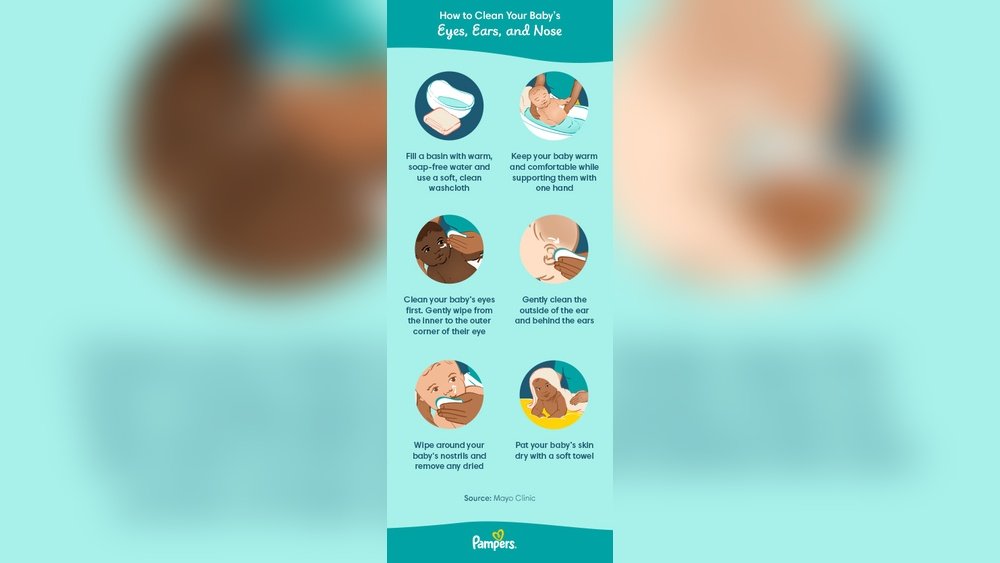
Keeping your baby clean can sometimes feel like a big challenge. You want to make sure your little one stays fresh and healthy, but it’s easy to get overwhelmed with all the advice out there.
What if you could learn simple, effective ways to keep your baby clean without stress? You’ll discover easy tips and tricks that fit into your daily routine. By the time you finish reading, you’ll feel confident and ready to keep your baby comfortable and happy every day.
Let’s get started!
Choosing Gentle Baby Products
Choosing gentle baby products is important for your baby’s sensitive skin. Harsh chemicals can cause irritation or dryness. Using mild and safe products helps keep your baby comfortable and clean. It also protects delicate skin from rashes and allergies. Select products with simple, natural ingredients for the best care.
Fragrance-free Soaps And Shampoos
Fragrance-free soaps and shampoos reduce the risk of irritation. Many scented products contain chemicals that harm delicate skin. Choose mild cleansers that clean without drying. These products help maintain the skin’s natural moisture balance. They are gentle enough for daily use on newborns.
Hypoallergenic Lotions
Hypoallergenic lotions minimize allergic reactions and redness. These lotions avoid common irritants like dyes and perfumes. They hydrate the skin without clogging pores. Use them after baths to soothe and protect the skin. Pick lotions tested for sensitive skin to ensure safety.
Safe Diaper Creams
Safe diaper creams prevent diaper rash and soothe irritated skin. Look for creams with zinc oxide or natural ingredients. Avoid creams with harsh chemicals or strong fragrances. Apply a thin layer at every diaper change. This forms a protective barrier against moisture and friction.
Bathing Your Baby Safely
Bathing your baby is more than just keeping them clean. It is a special time to bond and soothe your little one. Safety is the top priority during bath time. Understanding the right water temperature, how often to bathe, and the correct techniques helps make bath time safe and enjoyable.
Ideal Water Temperature
Use warm water, not hot. The best temperature is around 37°C (98.6°F). Check the water with your wrist or elbow. It should feel warm and comfortable, never hot. Too hot water can burn your baby’s sensitive skin. Always test before placing your baby in the tub.
Bathing Frequency
Newborns do not need daily baths. Bathing two to three times a week is enough. Too much bathing can dry out their skin. Focus on cleaning the face, neck, hands, and diaper area daily. Keep baths short, around 5 to 10 minutes. This keeps your baby’s skin healthy and soft.
Proper Bathing Techniques
Use a small baby tub or a clean sink. Support your baby’s head and neck with one hand. Use a soft washcloth and mild baby soap. Gently wash your baby’s body, avoiding the eyes. Rinse thoroughly with clean water. Wrap your baby in a soft towel right after the bath to keep warm.
Keeping Diaper Area Clean
Keeping the diaper area clean is very important for your baby’s health. This area stays moist and warm, which can cause skin problems if not cleaned well. A clean diaper area helps your baby stay comfortable and prevents infections.
Good habits during diaper changes keep your baby’s skin fresh and healthy. Small steps make a big difference in avoiding irritation and rash.
Effective Diaper Changing Routine
Change your baby’s diaper often to keep the area dry. Use gentle wipes or a damp cloth to clean the skin. Always wipe from front to back to avoid spreading bacteria. Let the skin air dry for a few seconds before putting on a new diaper. Wash your hands before and after each change to keep germs away.
Preventing Diaper Rash
Diaper rash happens when skin stays wet too long. Use a barrier cream or ointment to protect the skin. Avoid tight diapers that rub and cause irritation. Check your baby’s skin daily for any red or sore spots. Change diapers quickly after bowel movements to reduce rash risk.
Using Breathable Diapers
Choose diapers made from breathable materials. They allow air to flow and reduce moisture build-up. This helps keep the skin dry and cool. Breathable diapers lower the chance of rash and discomfort. Look for diapers that fit well but are not too tight.

Moisturizing Baby’s Skin
Moisturizing your baby’s skin is very important. Baby skin is soft but delicate. It can dry out easily. Keeping it moisturized helps prevent dryness and irritation. It also keeps the skin smooth and healthy. Choosing the right lotion and applying it at the right time matters. Too much lotion can cause problems too.
Choosing The Right Moisturizer
Pick a moisturizer made for babies. Look for products without perfumes or dyes. These can irritate delicate skin. Creams and ointments work well for very dry skin. Lotions are good for normal skin. Check the label for gentle ingredients like aloe or chamomile. Avoid products with alcohol or harsh chemicals.
When To Apply Lotion
Apply lotion right after bath time. The skin is still damp then. This helps lock in moisture. Use a small amount and rub gently. Focus on dry areas like elbows and knees. Moisturize at least once a day. More often if the skin feels dry or flaky. Consistency is key for soft skin.
Avoiding Over-moisturizing
Too much lotion can clog pores. This may cause rashes or bumps. Use only what the skin needs. If the skin feels sticky or greasy, use less next time. Watch for signs of irritation. Stop using the product if redness or itching appears. Let the skin breathe between applications.
Maintaining Clean Clothes And Bedding
Keeping your baby’s clothes and bedding clean is important for their health and comfort. Soft, fresh fabrics prevent skin problems and help your baby sleep well. Clean clothes also reduce the chance of infections and irritations.
Choosing the right detergent and washing often can make a big difference. Avoid fabrics that can cause rashes or allergies. Learn how to care for your baby’s items to keep them safe and cozy.
Using Gentle Detergents
Select detergents made for sensitive skin. These detergents have no strong perfumes or harsh chemicals. They clean well without leaving harmful residues. Always rinse clothes thoroughly to remove detergent traces.
Washing Frequency
Wash baby clothes and bedding at least once a week. More often if they get dirty quickly. Change bed sheets regularly to keep the sleeping area fresh. Regular washing helps stop bacteria and germs from growing.
Avoiding Irritants In Fabrics
Choose natural fabrics like cotton for your baby. Avoid wool or synthetic materials that can cause itching. Look for soft textures that feel gentle on the skin. Check labels to avoid dyes and chemicals that irritate.

Handling Common Skin Issues
Babies have delicate skin that needs special care. Common skin issues can cause discomfort or irritation. Understanding how to handle these problems helps keep your baby clean and happy.
Dealing With Cradle Cap
Cradle cap appears as yellow or brown flakes on the scalp. It is not painful or itchy. Gently wash your baby’s scalp with a mild baby shampoo. Use a soft brush to loosen flakes. Avoid harsh scrubbing to protect the skin. Regular washing helps clear cradle cap over time.
Managing Eczema
Eczema causes red, itchy patches on the skin. Keep your baby’s skin moisturized with fragrance-free creams. Use lukewarm water for baths, not hot. Dress your baby in soft, breathable fabrics. Avoid known irritants like strong soaps or detergents. If eczema worsens, see a doctor for treatment advice.
Recognizing Allergic Reactions
Allergic reactions may show as rashes or swelling. Watch for sudden redness or bumps after using new products. Stop using any item that causes irritation. Use mild, hypoallergenic baby products only. Seek medical help if breathing problems or severe swelling occur. Early attention prevents serious issues.
Promoting Healthy Skin Habits
Healthy skin habits are very important for your baby’s comfort and health. Babies have delicate skin that needs gentle care every day. Good habits help stop rashes, infections, and dryness. They also support your baby’s skin as it grows stronger.
Keeping Nails Trimmed
Trim your baby’s nails often. Short nails help stop scratches on the skin. Use baby nail clippers or scissors made for infants. Cut nails straight across and smooth the edges. Check nails every few days to keep them neat.
Avoiding Overheating
Keep your baby cool and comfortable. Overheating can cause skin irritation and rashes. Dress your baby in light, breathable clothes. Use a fan or air conditioner in warm rooms. Watch for signs like sweating or flushed skin.
Encouraging Sun Protection
Protect your baby’s skin from the sun’s rays. Use a hat with a wide brim to shade the face and neck. Dress your baby in clothes that cover arms and legs. Keep your baby out of direct sunlight, especially midday.

Frequently Asked Questions
How Often Should I Bathe My Baby To Keep Them Clean?
Bathing your baby 2-3 times a week is enough to keep them clean. Too much bathing can dry their skin. Use gentle baby soap and warm water to maintain hygiene without irritation.
What Products Are Safe For Baby Skin Cleaning?
Use mild, fragrance-free baby soaps and shampoos. Avoid harsh chemicals, dyes, and parabens. Opt for products labeled hypoallergenic and dermatologist-tested for safe baby skin care.
How Can I Keep My Baby’s Diaper Area Clean?
Clean the diaper area with warm water and soft wipes during every diaper change. Allow the skin to dry completely before putting on a new diaper. Use barrier creams to prevent rashes.
What Is The Best Way To Clean A Newborn’s Face?
Gently wipe your newborn’s face with a soft, damp cloth once daily. Avoid using soap on the face unless recommended by a pediatrician. Keep the face dry and clean to prevent irritation.
Conclusion
Keeping your baby clean helps protect their health every day. Gentle baths and soft wipes make cleaning safe and easy. Always choose mild products made for sensitive skin. Pay close attention to folds and creases where dirt hides. Clean hands and nails prevent germs from spreading.
Regular care builds good hygiene habits early on. A fresh, clean baby feels happy and comfortable. Small steps each day create a big difference. Trust your instincts and enjoy these special moments. Caring for your baby’s cleanliness is simple with love and patience.


