Choosing the right baby carrier for your baby can feel overwhelming. With so many options, how do you know which one will be safest and most comfortable for both of you?
The right carrier makes a huge difference—it keeps your baby close, lets you move freely, and supports your baby’s growth. In this guide, you’ll discover simple tips to find the perfect carrier that fits your lifestyle and your baby’s needs.
Keep reading, and soon you’ll feel confident carrying your little one with ease and joy.
Types Of Baby Carriers
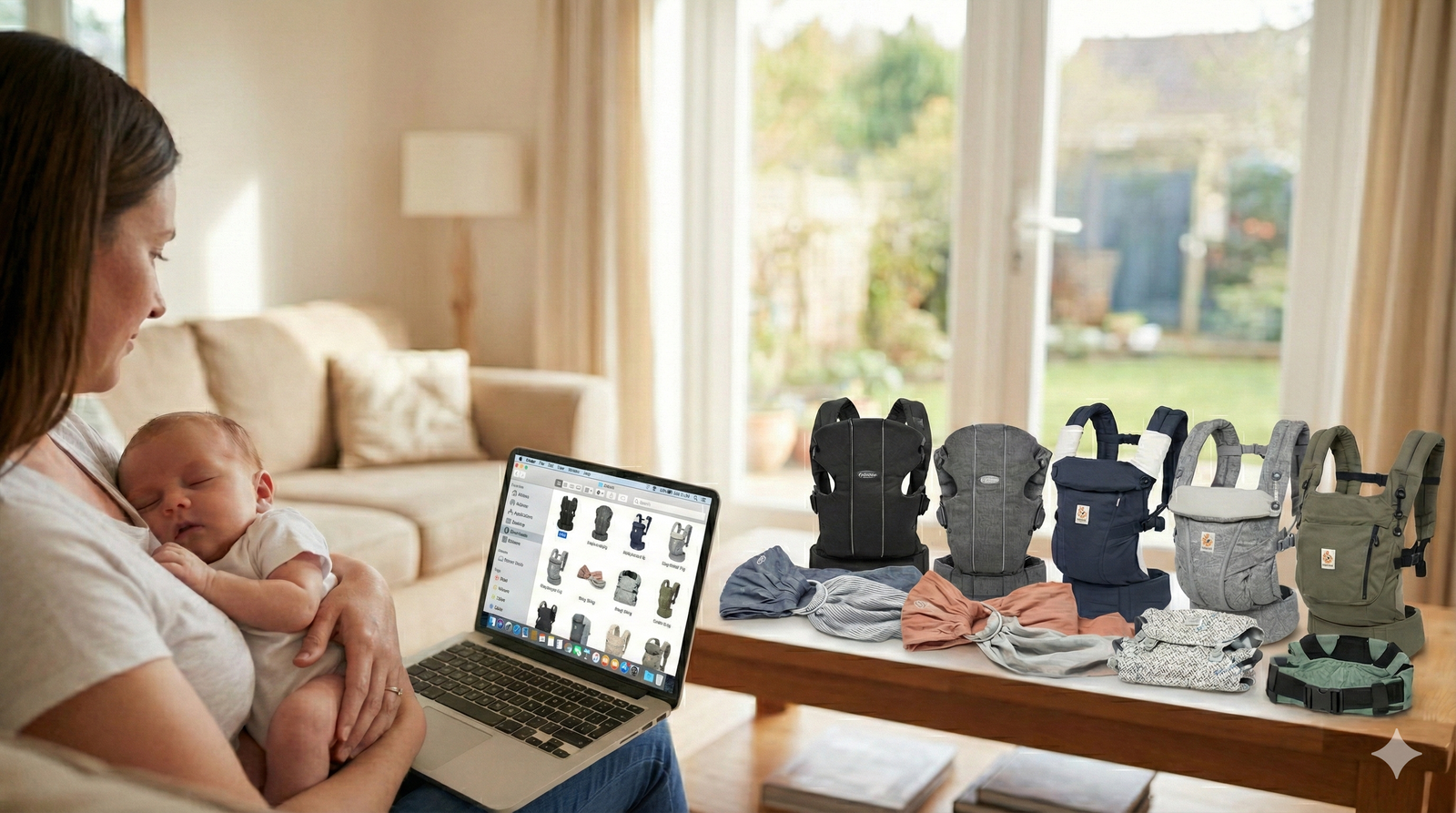
Choosing the right baby carrier depends on many things. Comfort, ease, and baby’s age all matter. Different types of carriers fit different needs. Knowing the options helps find the best fit for you and your baby.
Each carrier style offers unique benefits. Some are easy to use, while others give more support. Some carry babies close, others allow more movement. Learning about each type can make the choice easier.
Wraps And Slings
Wraps and slings use soft fabric to hold babies close. They are flexible and can fit many body types. These carriers let babies stay in a natural position. They work well for newborns and small babies.
Wraps require some practice to tie correctly. Slings are simpler and quicker to use. Both provide gentle support and keep baby near your heart.
Soft Structured Carriers
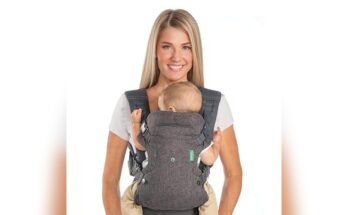
Soft structured carriers have padded straps and buckles. They offer strong support for parents and babies. These carriers are easy to put on and take off. Many have extra pockets and adjustable parts.
They suit babies from a few months old to toddlers. Soft structured carriers spread baby’s weight evenly. This reduces strain on your back and shoulders.
Mei Tai Carriers
Mei Tai carriers combine wraps and structured carriers. They use a square piece of cloth with four straps. You tie the straps around your waist and shoulders. Mei Tais give good support and are adjustable.
They are simple and allow different carrying positions. Mei Tais work well for growing babies. They are lighter and less bulky than soft structured carriers.
Backpack Carriers
Backpack carriers are made for bigger babies and toddlers. They have a firm frame to hold heavy weight. These carriers keep baby high on your back. This lets you move freely and carry for long times.
Backpack carriers are good for outdoor activities. They often come with sunshades and storage space. They give great support but need baby to sit up well.
Key Features To Consider
Choosing the right baby carrier means focusing on key features. These features make carrying your baby safe and comfortable. They also help both you and your baby enjoy every moment together. Understanding these key points can guide you to pick the best carrier for your needs.
Comfort And Support
Comfort is vital for both you and your baby. A good carrier supports your baby’s head, neck, and back well. It also spreads the weight evenly across your shoulders and hips. Soft padding in the straps and waist helps reduce pressure. This makes long walks or errands easier and pain-free.
Adjustability And Fit
A carrier should fit your body and your baby perfectly. Adjustable straps and buckles allow a snug and secure fit. This helps the carrier grow with your baby from newborn to toddler. It also fits different body shapes and sizes. Proper fit prevents slipping and keeps your baby safe.
Material And Breathability
Choose carriers made from soft, natural fabrics. Cotton and bamboo blends feel gentle on your baby’s skin. Breathable materials keep both of you cool and dry. This is important during warm days or long use. Avoid materials that cause irritation or trap heat.
Ease Of Use
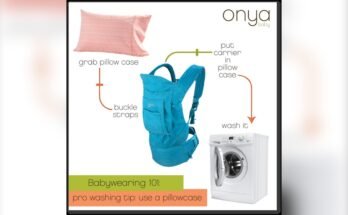
Simple designs save time and effort. Look for carriers that are easy to put on and take off. Clear instructions or videos can help you learn fast. A carrier that folds compactly is great for travel. Easy cleaning options keep the carrier fresh and ready.
Safety Tips For Baby Carriers
Choosing a baby carrier is just the first step. Keeping your baby safe while using it is the most important part. Safety tips help protect your baby and give you peace of mind. Follow simple rules to avoid accidents and keep your baby comfortable.
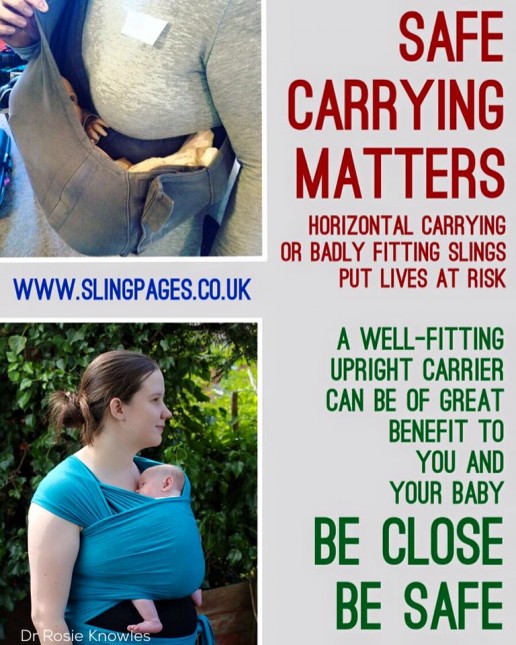
Proper Positioning
Place your baby in an upright position. Their face should always be visible and clear of fabric. Keep the baby’s chin off their chest to allow easy breathing. Support the baby’s head and neck, especially for newborns. The carrier should hold your baby close and snug.
Weight Limits
Check the carrier’s weight limits before using it. Every carrier has a maximum weight it can hold safely. Do not use the carrier if your baby is heavier than the limit. Using the carrier beyond the limit can cause damage or injury.
Regular Inspections
Look over the carrier before every use. Check straps, buckles, and seams for wear or damage. Replace or repair the carrier if you find any problems. Regular checks help prevent accidents and ensure the carrier stays safe.
Avoiding Common Hazards
Do not use the carrier while cooking or near hot surfaces. Avoid activities that could cause falling or sudden movements. Keep small objects away from the baby to prevent choking. Always follow the manufacturer’s safety instructions carefully.
Choosing Based On Baby’s Age
Choosing the right baby carrier depends a lot on your baby’s age. Babies have different needs as they grow. Selecting a carrier that fits your baby’s stage helps keep them safe and comfortable. It also makes carrying easier for you. This guide covers what to look for with newborns and older babies.
Newborns And Infants
Newborns need strong head and neck support. Their bodies are very delicate and need a snug fit. Choose carriers that hold babies close to your chest. This position helps with bonding and keeps baby calm. Look for carriers with adjustable inserts or wraps. These provide extra support for small babies. Soft, breathable fabrics keep newborns comfortable. Avoid carriers that let baby slump or slide down. Safety is the top priority at this stage.
Older Babies And Toddlers
Older babies can hold their heads up and enjoy looking around. Carriers for this age often offer more room and flexibility. Look for carriers with wider seats to support their hips. Comfort for both baby and parent is important. Padded straps and lumbar support help with longer carrying times. Toddlers are heavier, so choose carriers made from strong materials. Some carriers allow front, back, and hip carrying positions. This variety helps as your child grows and changes.
Lifestyle And Activity Matching
Choosing the right baby carrier depends on your lifestyle and activities. Different carriers suit different daily routines and adventures. Think about how and where you will carry your baby the most. This helps find a carrier that fits your needs and keeps your baby comfortable.
Daily Use And Errands
For daily chores and errands, choose a lightweight and easy-to-wear carrier. Simple designs help you move quickly and keep your hands free. Look for carriers with good support for your back. A soft and breathable fabric keeps your baby cozy all day.
Outdoor Adventures
Outdoor activities need a sturdy and secure carrier. Hiking or walking on rough paths requires strong straps and good padding. A carrier with weather-resistant fabric protects your baby from wind and rain. Extra pockets for snacks or gear add convenience during longer trips.
Travel Considerations
Travel needs a compact and foldable carrier. Easy to pack carriers save space in your bag. Quick to put on or take off helps in busy places like airports. Choose carriers that meet safety rules for air travel. Comfort for both baby and parent is key during long trips.

Credit: ergobaby.co.uk
Budget And Brand Options
Choosing a baby carrier involves thinking about both budget and brand. These factors help you find a carrier that fits your needs and your wallet. Understanding different price points and brand reputations can make your choice easier.
Many brands offer a range of carriers with different prices. Some focus on affordability without losing quality. Others provide premium features at a higher cost.
Affordable Choices
Affordable baby carriers suit parents who want value. These carriers often use simple designs and materials. They still keep your baby safe and comfortable. Many affordable carriers are easy to use and clean. They work well for short trips or daily use.
Premium Brands
Premium brands offer carriers with extra features. These include better padding, adjustable straps, and ergonomic designs. They use high-quality fabrics and strong stitching. Premium carriers last longer and give more comfort. Parents who carry their babies often may prefer these brands.
Secondhand And Hand-me-downs
Secondhand carriers save money and reduce waste. Many carriers remain safe after gentle use. Check for any damage or missing parts before buying. Hand-me-downs from family or friends can be trustworthy. Always clean the carrier well before use. This option is good for tight budgets.
Tips For Getting Started
Starting with a new baby carrier can feel tricky. It takes time to get used to the straps and positions. Simple steps help you feel confident and keep your baby safe and happy.
Try small practice sessions before going out. Learn the basics slowly. Notice what works best for you and your baby.
Practicing At Home
Begin by putting on the carrier at home. Use a soft doll or stuffed toy first. This helps you understand how to adjust straps and buckles.
Practice moving around with the carrier on. Sit, stand, and walk a little. This prepares you for real use outside.
Getting Help And Tutorials
Watch simple videos or read guides about your carrier model. Visuals make learning easier and clearer.
Ask friends or family who use baby carriers for tips. They can show you how to wear it correctly.
Visit a local baby store if possible. Staff often offer hands-on help to adjust your carrier.
Listening To Your Baby’s Cues
Watch your baby’s reactions closely. If they seem upset or uncomfortable, adjust the carrier or try a different hold.
Babies communicate through body language. A calm baby means the carrier fits well.
Take breaks if your baby fusses. Comfort matters most during every babywearing moment.
Credit: www.babymaxi.com
Credit: thebluffsnc.com
Frequently Asked Questions
What Factors Should I Consider When Choosing A Baby Carrier?
Consider your baby’s age, weight, and comfort. Also, check carrier type, material, ease of use, and support for your back and shoulders.
Which Baby Carrier Is Best For Newborns?
Wraps and soft-structured carriers are best for newborns. They provide gentle support and allow you to adjust fit easily.
How Do I Ensure Baby Safety In A Carrier?
Always follow manufacturer guidelines. Ensure baby’s airways are clear, hips are supported, and baby’s face is visible to you.
Can I Use A Baby Carrier For Long Periods?
Choose a carrier with good support and padding. Take breaks to prevent strain on your back and shoulders.
Conclusion
Choosing the right baby carrier takes time and thought. Comfort matters for both you and your baby. Think about your daily activities and needs. Safety should always come first. Try different styles to see what fits best. Remember, the perfect carrier makes carrying easier and more fun.
Trust your feelings and watch your baby enjoy close moments. This choice supports bonding and keeps your baby safe. Take your time and pick wisely. Your baby will thank you with happy smiles.