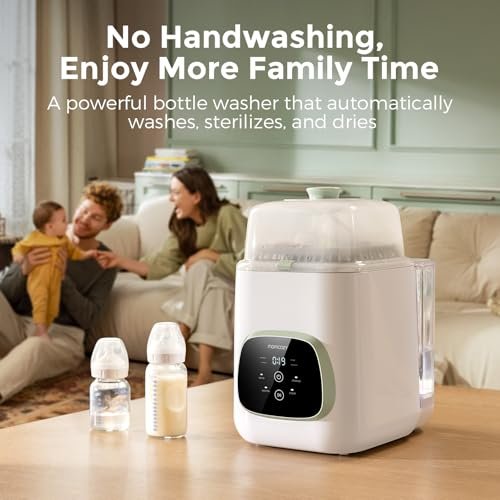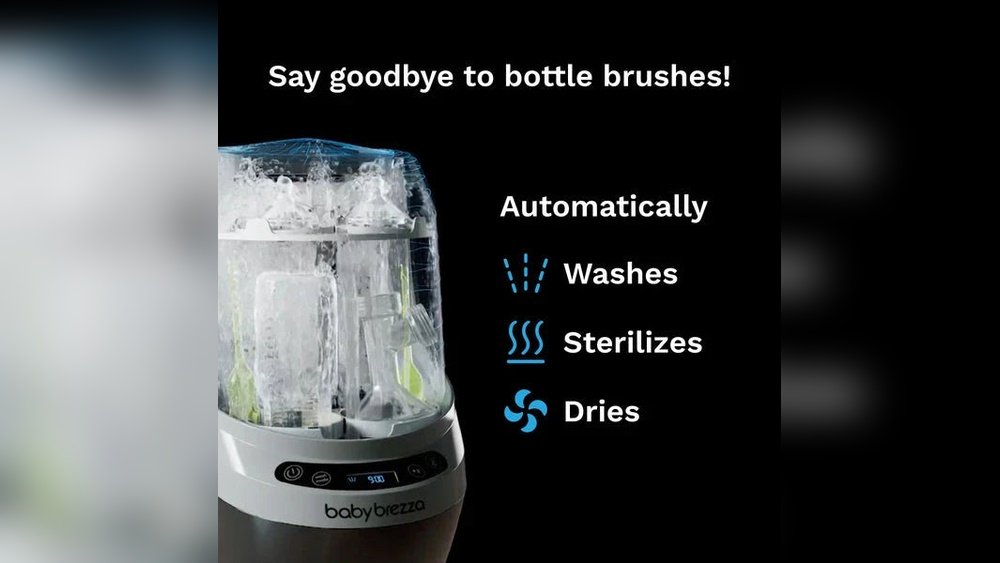
Are you tired of spending too much time washing your baby’s bottles by hand? You’re probably wondering, “How long does a baby bottle washer take to wash bottles?” Knowing the answer can save you time and make your daily routine easier.
Whether you’re a new parent or just looking for a better way to keep your baby’s bottles clean, understanding how these washers work can help you plan your day better. Keep reading to discover the typical wash times, what affects them, and how to get the best results quickly and safely.

Baby Bottle Washer Basics
Baby bottle washers help clean baby bottles quickly and safely. They save time and reduce the effort needed. Knowing the basics helps choose the right washer for your needs.
These machines use water, heat, and sometimes steam to clean bottles. They remove milk residue and germs to keep bottles safe for babies. Understanding how they work helps estimate washing times.
Types Of Bottle Washers
There are several types of baby bottle washers. Some use ultrasonic waves to clean bottles deeply. Others use high-pressure water jets to remove dirt. Some models combine heat and steam for extra cleaning power.
Portable washers work well for travel or small spaces. Countertop models offer larger capacity and stronger cleaning. Choosing the right type depends on your lifestyle and space.
Key Features To Consider
Look for washers with adjustable cycle times. This feature lets you choose quick or thorough cleaning. Check if the washer has a drying function. This helps bottles dry faster and reduces bacteria.
Easy-to-clean parts are important for hygiene. Some washers have removable trays and filters. Energy efficiency matters to save electricity. Quiet operation is helpful for homes with sleeping babies.

Typical Washing Times
Typical washing times for baby bottle washers vary depending on the model and settings. Understanding these times helps parents plan their day better. It also ensures bottles are cleaned properly and ready for the next use.
Standard Cycle Durations
Most baby bottle washers take between 10 to 30 minutes per cycle. Basic cycles usually last around 10 to 15 minutes. These cycles focus on quick cleaning and rinsing. More thorough cycles, like sterilizing, can take 20 to 30 minutes. Some models offer shorter or longer options based on the cleaning level needed.
Factors Affecting Wash Time
The type of cycle chosen affects the wash time. Heavier soiling or stuck milk residue requires longer washing. The number of bottles in the washer also matters. More bottles might need extra time to clean well. Water temperature and washer power influence the speed too. Higher temperatures and stronger washers often clean faster. Finally, additional functions like drying or sterilizing extend the total time.
Quick Wash Options
Quick wash options offer a faster way to clean baby bottles. These cycles usually take less time than regular washes. They help parents save time during busy days. Quick washes focus on removing milk residue and light dirt. They are not for deep cleaning or sterilizing.
When To Use Quick Cycles
Quick cycles work well for bottles used once or twice. They suit bottles with no dried milk or heavy dirt. Parents can use quick wash between feeds. It helps keep bottles ready without long waits. Avoid quick cycles if bottles need thorough cleaning.
Pros And Cons Of Fast Washing
Fast washing saves time and energy. It cleans bottles enough for light use. Quick cycles use less water and electricity. On the downside, fast washes might miss tough stains. They do not sterilize bottles fully. Using quick wash often may reduce cleaning quality. Choose quick cycles only for light cleaning tasks.
Step-by-step Washing Process
The step-by-step washing process of a baby bottle washer is simple and clear. Each stage plays a key role in cleaning and keeping bottles safe for babies. Understanding these steps helps know how long the entire washing cycle takes. The process starts with preparing bottles for washing, then loading them into the washer. Finally, drying and sterilizing complete the cleaning.
Preparing Bottles For Washing
First, remove any leftover milk or formula from bottles. Rinse each bottle with warm water to clear loose residue. Check bottle parts like nipples and rings for stuck milk. Take apart all pieces to clean them well. This step ensures that dirt and milk do not block the washer’s cleaning jets. Proper preparation speeds up the washing time and improves results.
Loading The Washer
Place bottles and parts carefully inside the washer basket. Position bottles upside down to let water reach all areas. Avoid overcrowding; give each bottle enough space. Load smaller parts in a mesh basket or holder. Correct loading helps the washer clean all surfaces evenly. It also prevents damage to bottles during the wash cycle.
Drying And Sterilizing
After washing, the machine uses hot air to dry bottles quickly. Drying stops bacteria growth and keeps bottles fresh. Some washers include a sterilizing stage using steam or UV light. Sterilizing kills any remaining germs and makes bottles safe to use. This step adds a few extra minutes but improves hygiene greatly.
Tips For Efficient Bottle Washing
Efficient bottle washing saves time and keeps your baby’s bottles clean. Small steps make a big difference. Following simple tips helps your bottle washer work better and faster.
Clean bottles mean healthy feeding. Let’s explore ways to keep your bottle washer in top shape and save time and energy during each wash.
Maintaining Your Bottle Washer
Clean the bottle washer regularly. Remove any leftover milk or dirt. This stops bad smells and keeps the machine working well.
Check filters and spray arms often. Clear any blockages so water sprays properly. This helps bottles get fully clean.
Use the right detergent made for baby bottles. It protects the machine and cleans better. Avoid harsh chemicals that can damage parts.
Run an empty wash with vinegar once a week. This removes buildup inside and keeps your washer fresh.
Saving Time And Energy
Wash bottles in batches instead of one by one. This saves water and energy. Fill the washer to its best capacity.
Choose a quick wash cycle for lightly used bottles. Use a longer cycle only when bottles are very dirty.
Sort bottles and parts before washing. This helps load the washer faster and avoids extra rinses.
Turn off the machine right after the cycle ends. Avoid leaving it running or on standby to save power.

Frequently Asked Questions
How Long Does A Baby Bottle Washer Cycle Last?
A typical baby bottle washer cycle takes 15 to 30 minutes. The time varies by model and wash settings. Faster cycles focus on quick cleaning, while longer ones ensure thorough sterilization and drying.
Does Washing Time Affect Bottle Cleanliness?
Yes, washing time impacts bottle cleanliness. Longer cycles remove more milk residue and bacteria. However, efficient washers balance time and thoroughness for safe, clean bottles.
Can I Speed Up The Baby Bottle Washing Process?
You can speed up washing by choosing quick wash settings. Pre-rinsing bottles also reduces dirt and shortens cycle time. Yet, avoid cutting time too much to ensure proper cleaning.
What Factors Influence Baby Bottle Washer Duration?
Washer duration depends on cycle type, water temperature, and drying mode. Sterilization and drying phases add extra time. Different bottle materials may require specific wash cycles.
Conclusion
A baby bottle washer usually takes between 10 to 30 minutes to clean bottles. The exact time depends on the model and cycle chosen. Faster cycles save time but may not clean as well. Longer cycles ensure thorough washing and sterilizing.
Knowing this helps parents plan feeding times better. Choose a washer that fits your daily routine. Clean bottles keep babies healthy and happy. Simple, quick, and effective cleaning matters most.