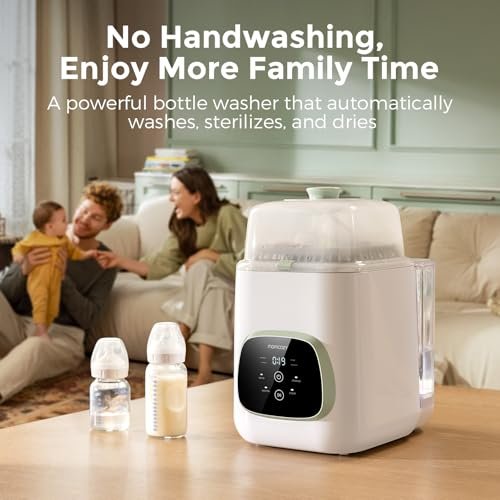
Are you curious about how long your baby bottle washer cycle usually takes? Knowing the typical duration can help you plan your day better and ensure your little one’s bottles are always clean and ready.
Whether you’re a new parent or looking to improve your routine, understanding these cycle times can save you time and stress. Keep reading to discover what to expect from baby bottle washers and how to make the most of each wash.

Cycle Duration Range
Understanding the cycle duration range of baby bottle washers helps parents plan better. Knowing how long a wash takes can make daily routines smoother. Cycle times vary by model and settings. Here’s a clear look at what to expect.
Typical Timeframes
Most baby bottle washers complete a cycle in 20 to 45 minutes. Basic cycles often last around 20 to 30 minutes. More thorough or heated cycles can take 40 minutes or longer. Some washers offer quick wash options under 15 minutes. Standard cycles usually balance cleaning power and time well.
Factors Influencing Length
Cycle length depends on water temperature and wash intensity. Higher temperatures and longer soak times extend the cycle. The number of bottles inside also matters. Filling the washer to capacity may increase the time. Extra rinse or drying phases add minutes too. Choosing different wash programs changes the total duration.
Types Of Wash Cycles
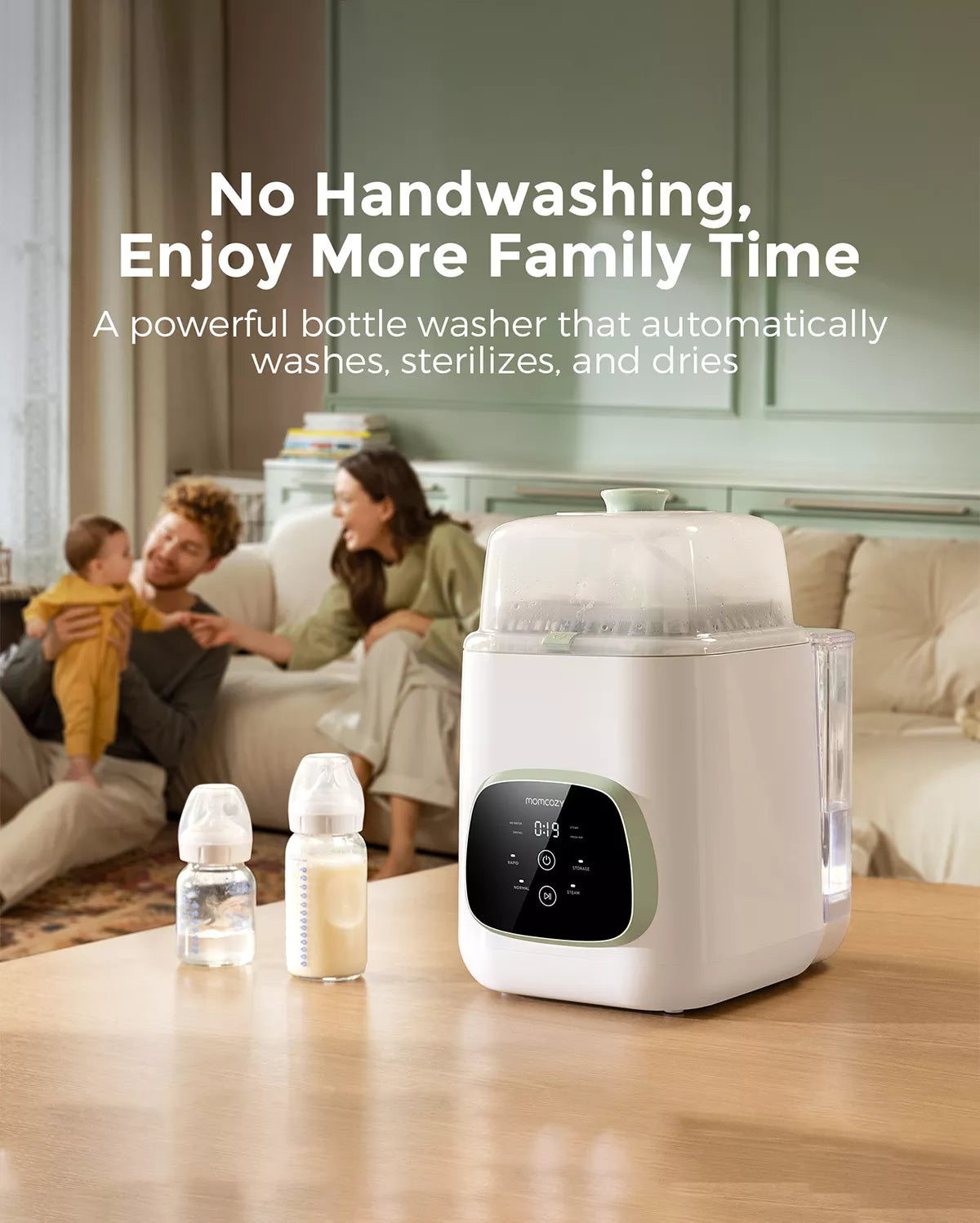
Baby bottle washers offer different types of wash cycles to meet various cleaning needs. Each cycle varies in length and intensity. Choosing the right cycle helps keep bottles clean and safe for your baby.
Quick Wash Options
Quick wash cycles are short and fast. They usually last between 15 to 30 minutes. These cycles are good for bottles that are not very dirty. They save time and use less water and energy. Quick washes clean surface dirt and light milk residue effectively.
Intensive Cleaning Cycles
Intensive cleaning cycles take longer, often 45 to 90 minutes. They clean deeply and remove tough stains and milk buildup. These cycles use higher water temperatures and more water. Intensive cleaning is best for heavily soiled bottles or after long use. It ensures thorough sanitation and safety for your baby’s health.
Impact Of Load Size
The size of the load in a baby bottle washer affects the washing cycle time. Different load sizes need different amounts of water and energy to clean properly. Knowing how load size changes the cycle helps you save time and get clean bottles efficiently.
Small Vs. Large Loads
Small loads usually take less time to wash. The machine uses less water and energy. It cleans bottles quickly without wasting resources. Large loads take longer because the washer must clean more items. It uses more water and runs more cycles to ensure cleanliness.
Optimal Loading Tips
Do not overload the washer. Overloading can cause poor cleaning and longer cycles. Place bottles and parts evenly for better water flow. Use the right amount of detergent based on load size. Running the washer with a full load saves water and energy. This keeps the cycle time balanced and efficient.
Energy And Water Efficiency
Energy and water efficiency is important for washing baby bottles. It saves resources and lowers bills. Efficient cycles use less water and power. This helps the environment and your home.
Balancing Speed And Efficiency
Fast cycles save time but may use more energy. Longer cycles often use less water and power overall. Choosing the right cycle depends on your needs. Some washers offer quick eco modes. These balance cleaning and efficiency well.
Eco-friendly Cycle Choices
Many baby bottle washers include eco-friendly options. These cycles use lower temperatures and less water. They clean gently but effectively. Selecting eco modes helps reduce waste. It keeps your bottles safe and clean without excess resource use.
User Preferences And Settings
User preferences and settings play a big role in how long baby bottle washer cycles last. Parents want to clean bottles well but also save time. Different settings let users choose the best cycle for their needs. Some prefer shorter washes for quick cleaning. Others select longer cycles to ensure deep hygiene. The right settings help balance cleanliness and convenience.
Customizable Cycle Lengths
Many baby bottle washers allow users to change cycle lengths. You can pick short, medium, or long wash times. Short cycles usually take 10 to 20 minutes. Medium cycles last about 30 to 40 minutes. Long cycles can go up to an hour. This choice depends on how dirty the bottles are. Also, the type of bottles matters. Plastic bottles may need less time than glass ones. Custom cycles let parents clean bottles faster or more thoroughly.
Recommended Settings For Hygiene
For the best hygiene, some settings are better. Hot water and strong detergent help kill germs. Many washers have a sterilize option. This uses high heat or steam to clean deeply. A rinse cycle removes leftover soap and dirt. Using the sterilize setting usually takes longer. About 40 to 60 minutes is common. This ensures bottles are safe for babies. Parents should follow the washer’s hygiene settings. It helps keep bottles clean and healthy.

Comparison With Other Cleaning Methods
Cleaning baby bottles is important for your baby’s health. Different methods take different times. Comparing the time spent helps you choose the best option for your daily routine. Below is a look at how long washing bottles takes with other common methods.
Manual Washing Time
Manual washing usually takes between 10 and 20 minutes. It depends on how many bottles you clean at once. Scrubbing each bottle and nipple carefully takes time. Rinsing and drying add extra minutes. Manual washing is simple but needs more hands-on effort.
Sterilizer Cycle Lengths
Sterilizer cycles often last from 5 to 15 minutes. Some models offer quick cycles that clean faster. Others use longer cycles for deeper sterilization. Sterilizing removes germs but does not replace washing. Usually, bottles need washing before sterilizing. Sterilizers save time compared to manual cleaning and ensure safety.
Frequently Asked Questions
How Long Is A Typical Baby Bottle Washer Cycle?
A typical baby bottle washer cycle lasts between 20 to 40 minutes. The duration depends on the machine model and wash settings. Some cycles are quicker for light cleaning, while intensive cycles take longer to ensure thorough sterilization and cleaning.
Can Washing Cycles Vary By Baby Bottle Washer Brands?
Yes, washing cycle lengths vary by brand and model. Different machines offer multiple cycle options like quick wash, standard wash, and sterilize. Always check your specific washer’s manual for cycle times and features to choose the best option for your needs.
Do Sterilizing Cycles Take Longer In Baby Bottle Washers?
Sterilizing cycles usually take longer, often 30 to 45 minutes. These cycles use higher temperatures or steam to kill bacteria. They ensure bottles are hygienically clean, which is crucial for infant health, but they require more time than regular wash cycles.
How Does Cycle Duration Affect Energy And Water Use?
Longer cycles typically consume more water and energy. Short cycles save resources but may not clean as deeply. Choose a cycle balancing cleanliness, energy efficiency, and water use to protect both your baby’s health and the environment.
Conclusion
Baby bottle washer cycles usually last between 30 to 60 minutes. Times vary depending on the machine and cycle type. Short cycles clean lightly soiled bottles quickly. Longer cycles offer deeper cleaning and sterilizing. Knowing cycle times helps plan your day better.
Choose a cycle that fits your needs and schedule. Clean bottles keep your baby safe and healthy. Trust the cycle time to get the job done well. Simple and efficient care for baby bottles matters most.