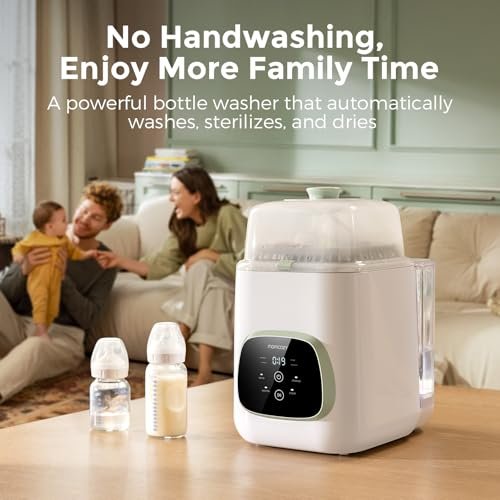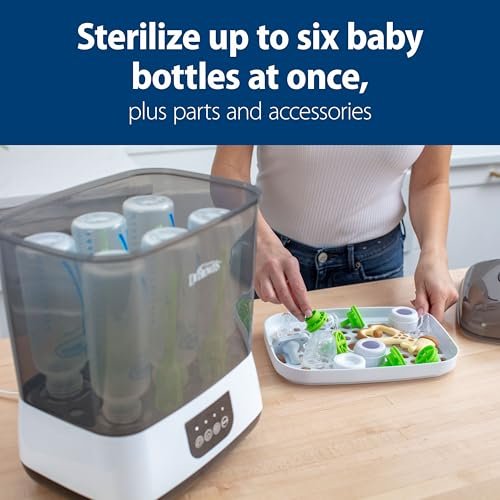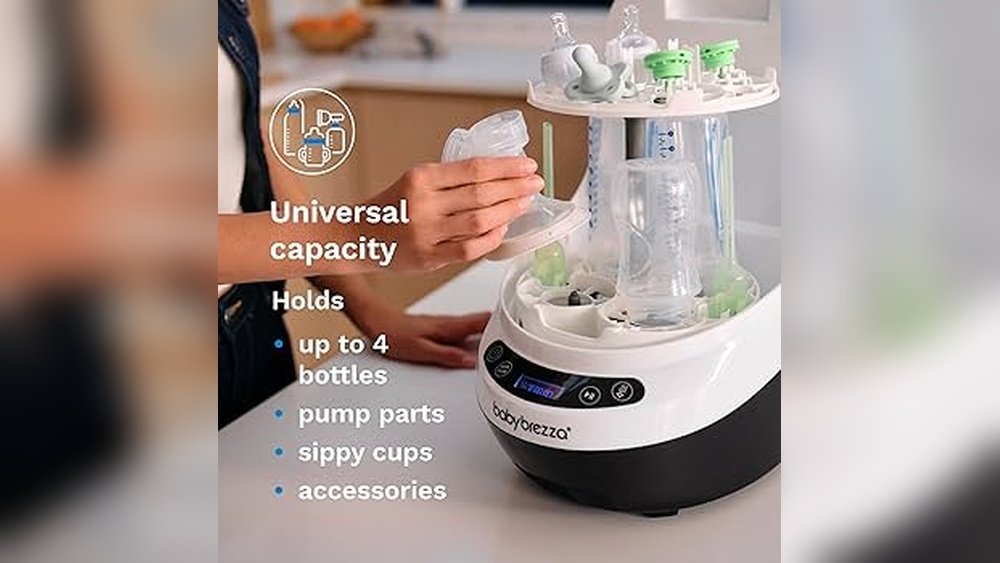
You want the best for your baby, and keeping their bottles clean is a big part of that. But have you ever wondered how a baby bottle washer actually works?
Understanding this can save you time and ensure your little one’s bottles are spotless and safe. You’ll discover the simple process behind these handy devices and why they might be just what you need. Keep reading to find out how a baby bottle washer can make your life easier and protect your baby’s health.
Baby Bottle Washer Basics
Baby bottle washers help keep feeding bottles clean and safe for babies. They use water and detergent to remove milk residue and germs. These machines save time and effort for parents. Understanding how they work can help you choose the right one.
Here is a closer look at the basics of baby bottle washers.
Key Components
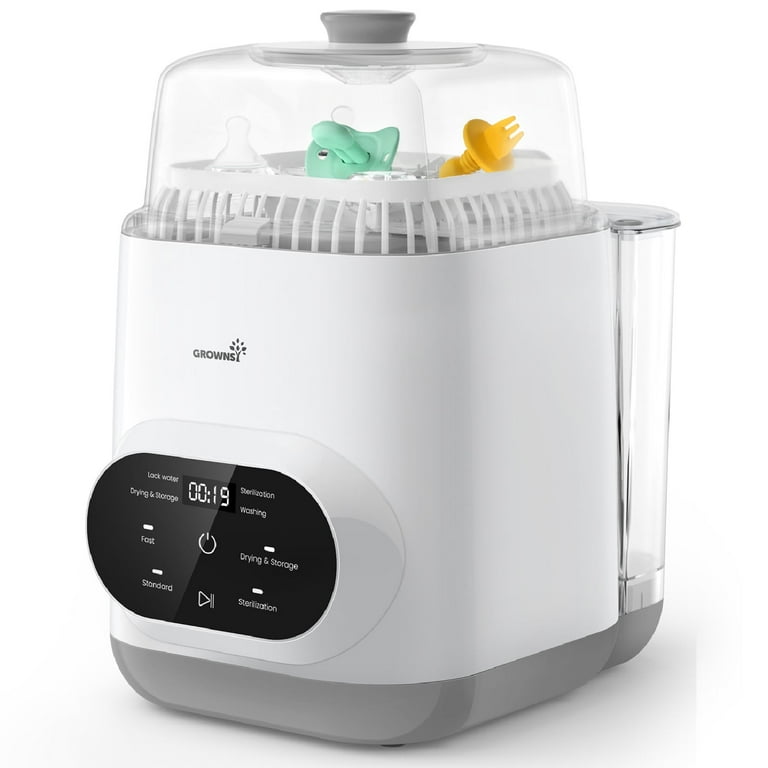
Baby bottle washers have several main parts. The water tank holds clean water for washing. A heating element warms the water to kill bacteria. Spray arms or jets direct water to clean bottles thoroughly. Filters catch dirt and leftover milk. A detergent dispenser releases soap during the wash cycle. The control panel lets users select wash settings easily.
Types Of Washers
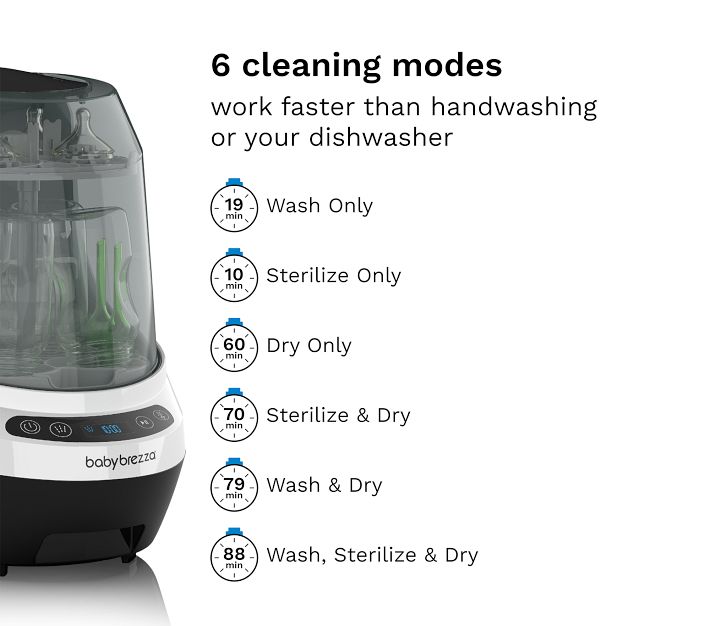
There are manual and electric baby bottle washers. Manual washers require hand movement to scrub bottles. They are simple and affordable. Electric washers use power to clean bottles automatically. These often have multiple wash cycles and drying options. Some models combine washing and sterilizing in one unit. Choose a type based on your budget and convenience needs.

Cleaning Process Steps
The cleaning process of a baby bottle washer is simple but effective. It uses water and cleaning agents to remove milk residue and germs. Each step plays a key role in ensuring bottles are safe for babies.
Understanding these steps helps you see how the machine works. It also shows why this appliance saves time and effort for parents.
Pre-rinse Phase
The pre-rinse phase removes leftover milk and food particles. Water sprays inside the bottle at high pressure. This step prevents buildup and prepares bottles for deep cleaning.
Main Wash Cycle
During the main wash, warm water mixes with detergent. The machine sprays this mixture inside the bottle. It cleans stubborn stains and kills most bacteria. Brushes or jets may help reach every corner.
Rinse And Dry
The rinse phase removes soap and dirt from the bottle. Clean water flows through to wash away any residue. Then, the dryer uses warm air to dry the bottle. This step stops germs from growing and keeps bottles ready to use.
Technology Behind The Washer
The technology behind a baby bottle washer makes cleaning safe and easy. It uses smart systems to clean bottles deeply and remove all milk residue. This technology helps parents save time and keep bottles hygienic.
Water Jets And Pressure
Strong water jets spray inside the bottles. These jets reach every corner. High pressure helps remove milk and dirt stuck inside. The force cleans without damaging the bottles. This ensures no residue remains after washing.
Detergents And Sanitizers
Special detergents designed for baby bottles break down milk fats and proteins. These detergents are gentle but effective. Sanitizers kill harmful germs and bacteria. They keep bottles safe for babies to use. Both work together to clean and protect.
Temperature Control
The washer heats water to the right temperature. Warm water helps dissolve dirt and detergent better. It also kills bacteria more effectively. Temperature control ensures bottles are cleaned and sanitized properly. This step is key for baby health.
Benefits Of Using A Baby Bottle Washer
Using a baby bottle washer offers many benefits for parents and caregivers. It simplifies cleaning tasks and makes bottle care more reliable. These machines help keep bottles clean and safe for babies to use. Below are key advantages of using a baby bottle washer.
Time Efficiency
A baby bottle washer cleans multiple bottles quickly. It saves time compared to washing by hand. Parents can focus on other important tasks. The machine handles tough spots and hard-to-reach areas fast. Less time spent cleaning means more time with your baby.
Hygiene And Safety
Baby bottle washers use hot water to kill germs. This reduces the risk of infections and illnesses. They remove milk residues that can cause bacteria growth. Using a washer ensures bottles are clean and safe. It gives peace of mind about your baby’s health.
Ease Of Use
The washer is simple to operate for anyone. Just load the bottles and start the machine. No need for scrubbing or extra tools. It is gentle on bottles but tough on dirt. Even busy parents find it easy to use daily.
Choosing The Right Washer
Choosing the right baby bottle washer makes cleaning easier and safer for your baby. The right washer saves time and ensures bottles are spotless. Consider a few important factors before buying a washer.
Capacity And Size
Think about how many bottles you clean daily. A larger capacity washer handles more bottles at once. Small washers suit parents with fewer bottles or less space. Measure your counter space to pick a washer that fits well.
Features To Look For
Look for washers with strong cleaning power and gentle cycles. Some washers use steam or UV light to kill germs. Easy-to-use controls and quick cycles help busy parents. Removable parts make cleaning the washer simple.
Budget Considerations
Set a budget before shopping. Basic washers cost less but may lack extra features. Higher-end models offer more cleaning options and faster cycles. Choose a washer that fits your budget and meets your needs.
Maintenance Tips
Proper maintenance keeps your baby bottle washer working well. It helps avoid smells and clogs. Clean and check it often to extend its life. Small steps make a big difference in performance and safety.
Regular Cleaning
Empty the washer after each use. Wipe the inside with a soft cloth. Use mild soap and warm water for cleaning. Avoid harsh chemicals that might damage parts. Clean filters and trays weekly to stop blockages. Let all parts dry fully before reassembling.
Troubleshooting Common Issues
Check power and water connections if it won’t start. Clear any food stuck in the spray arms. Look for leaks or strange noises during operation. Reset the machine by unplugging and plugging it back in. Follow the user manual for error codes. Call support if problems persist after simple fixes.
Replacing Parts
Inspect parts like filters, seals, and spray arms regularly. Replace worn or broken parts quickly to keep function. Use only original or approved replacements. Follow instructions for safe removal and installation. Keep spare parts on hand for quick fixes. Proper parts ensure thorough cleaning and machine safety.
Comparing Manual And Automatic Cleaning
Cleaning baby bottles is important for your baby’s health. There are two main ways to clean bottles: manual washing and automatic washing. Each method has its own benefits and drawbacks. Understanding these can help you choose the best option for your needs.
Pros And Cons
Manual cleaning uses hands, soap, and water. It allows you to clean every part carefully. You can check bottles for damage or dirt. It does take more time and effort. Sometimes, it is hard to clean small parts thoroughly.
Automatic cleaning uses a machine made for baby bottles. It is fast and saves time. The machine uses hot water and strong sprays to clean. It kills more germs than manual washing. The downside is the cost of buying and running the machine. Also, some small parts may not fit well inside.
When To Use Each Method
Manual cleaning works well when you have few bottles. It is useful while traveling or outside the home. It also helps when bottles have stuck milk or dirt. Automatic cleaning suits busy parents with many bottles daily. It fits well in homes with multiple children. Use the machine for deep cleaning and saving time.
Frequently Asked Questions
How Does A Baby Bottle Washer Clean Effectively?
A baby bottle washer uses water jets and detergent to remove milk residue and bacteria. It reaches all bottle parts, ensuring thorough cleaning and sterilization for safe feeding.
What Are The Key Features Of A Baby Bottle Washer?
Key features include adjustable water pressure, temperature control, and multiple cleaning modes. These ensure efficient removal of milk and sterilization to keep bottles hygienic for babies.
Can A Baby Bottle Washer Sterilize Bottles?
Yes, many baby bottle washers have sterilization settings. They use high-temperature steam or UV light to kill germs, providing extra safety for your baby’s health.
Is Using A Baby Bottle Washer Safer Than Hand Washing?
Yes, a baby bottle washer offers consistent cleaning and sterilization. It reduces the risk of missed spots and bacteria compared to manual washing, ensuring better hygiene.
Conclusion
A baby bottle washer cleans bottles quickly and well. It uses water, soap, and sometimes heat to remove milk and germs. The process saves parents time and effort. Clean bottles keep babies safe and healthy. Choosing the right washer helps with daily feeding routines.
Understanding how it works makes washing less stressful. Simple steps lead to better hygiene for your baby. Trust the machine to do the tough cleaning job. A clean bottle means happy, healthy feeding times ahead.