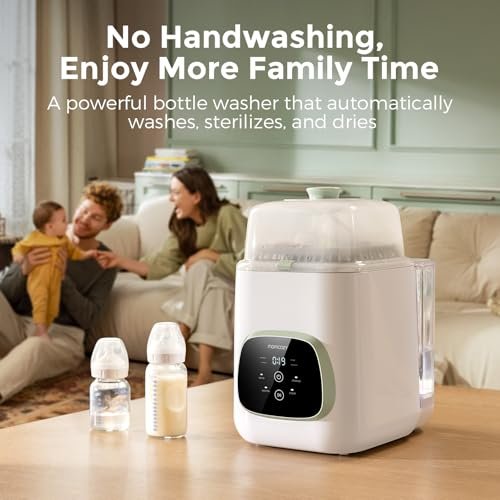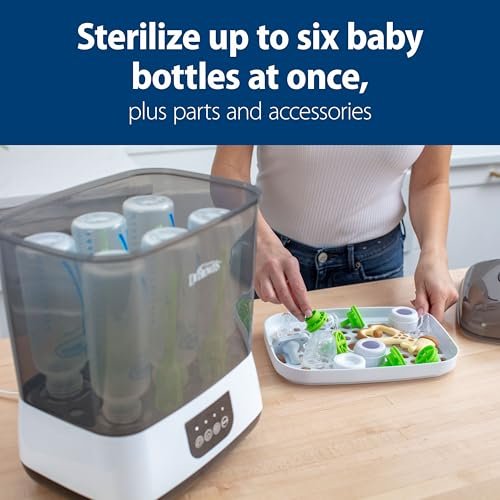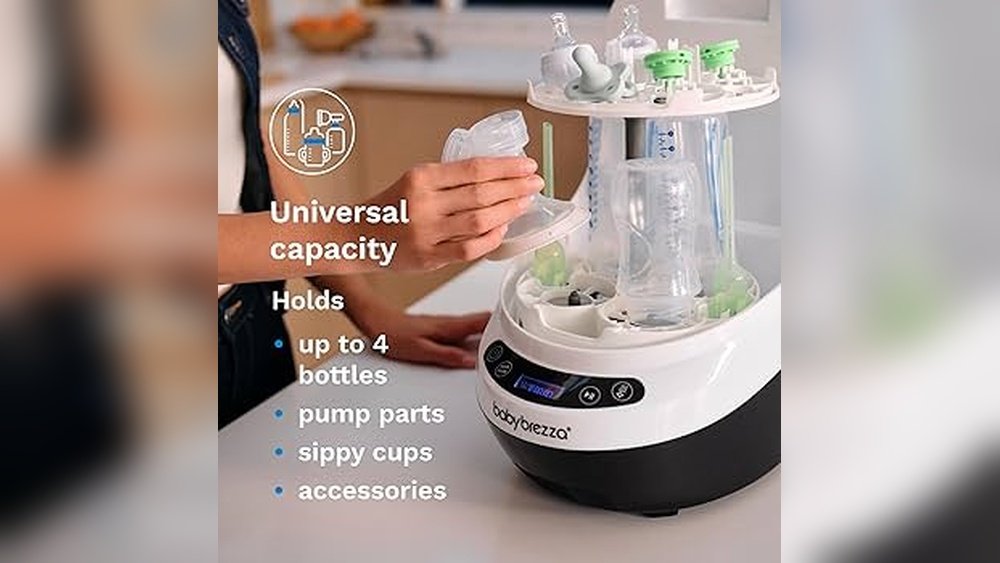
Are you worried about whether your baby’s bottles are truly clean and safe? You might have heard about baby bottle washers and wondered, “Do they really sanitize bottles?” When it comes to your little one’s health, you want to be sure every bottle is spotless and free from harmful germs.
You’ll discover how baby bottle washers work, what sanitizing really means, and whether these devices can give you the peace of mind you deserve. Keep reading to find out how to keep your baby’s bottles safe and clean with the right tools.

How Baby Bottle Washers Work
Baby bottle washers make cleaning bottles easier and safer for babies. They use water, soap, and sometimes heat to remove milk and germs. Understanding how these machines work helps parents choose the right product for their needs.
Cleaning Vs Sanitizing
Cleaning removes dirt, milk, and visible grime from bottles. It uses soap and water to wash away these particles. Sanitizing kills bacteria and germs that remain after cleaning. This step often uses high heat or special chemicals. Not all bottle washers sanitize. Some only clean. Knowing the difference ensures bottles are safe for babies.
Common Features Of Bottle Washers
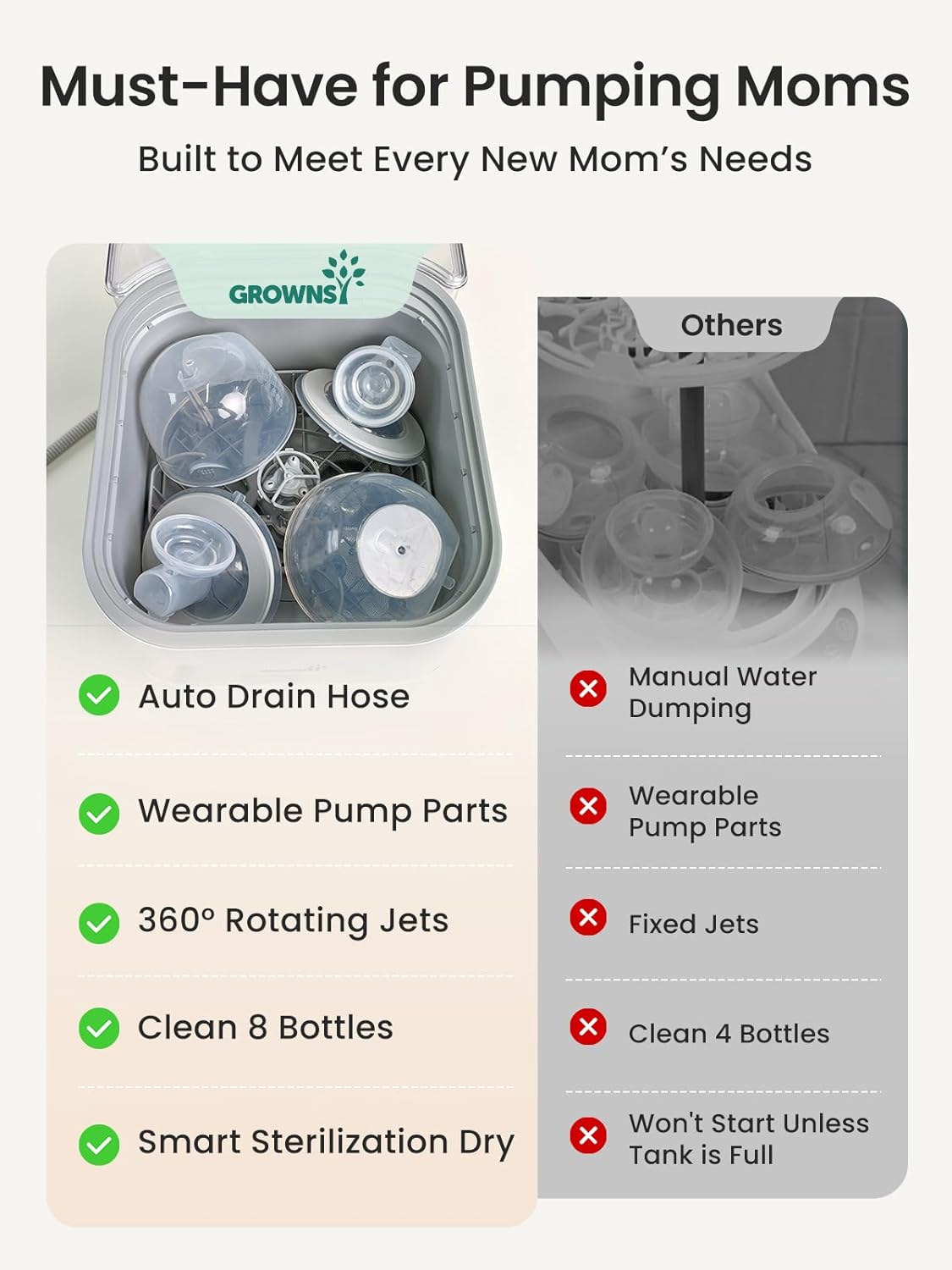
Most baby bottle washers have a water spray system to rinse bottles. They also include a soap dispenser for thorough washing. Many use warm or hot water to help remove milk residue. Some models have a drying feature to speed up the process. A few advanced washers offer a sanitizing cycle with steam or UV light. These features vary by brand and price. Choosing the right features depends on your baby’s needs.
Sanitizing Methods Explained
Sanitizing baby bottles is important to keep babies safe from germs. Different methods kill bacteria and viruses in various ways. Understanding these methods helps parents choose the best way to clean bottles. Below are the main sanitizing methods used in baby bottle washers.
Heat-based Sanitization
This method uses high temperatures to kill germs. Hot water or steam heats the bottles to a level that destroys bacteria. Steam sanitization is common in many baby bottle washers. It is effective and does not use chemicals. Heat sanitization works well for plastic and glass bottles. It also dries bottles quickly after cleaning.
Chemical Sanitization
Chemicals like baby-safe disinfectants kill germs on bottles. This method involves soaking bottles in a solution for a set time. It is useful when heat is not an option. Chemicals can reach small crevices where germs hide. Parents must rinse bottles well after using chemicals. Proper use ensures bottles are safe and clean.
Uv Light Sanitization
UV light kills germs by breaking down their DNA. Some bottle washers use UV lamps inside the cleaning chamber. This method works without heat or chemicals. UV light sanitizes bottles quickly and quietly. It is safe for most bottle materials. UV sanitization is a good choice for parents seeking chemical-free cleaning.
Effectiveness Of Baby Bottle Washers
Baby bottle washers are designed to clean bottles quickly and thoroughly. Parents want to know if these machines also sanitize bottles properly. Understanding their effectiveness helps in choosing the best cleaning method. This section explores how well baby bottle washers work in sanitizing bottles.
Studies And Research Findings
Several studies have tested the cleaning power of baby bottle washers. Results show that many washers remove most milk residue and germs. Some washers use hot water and steam to kill bacteria. Research proves these methods reduce harmful germs effectively. Yet, not all washers reach the same level of cleanliness.
One study found washers with built-in sanitizing features performed better. Washers without sanitizing functions cleaned but did not fully kill bacteria. Scientific tests confirm that heat and steam are key to sanitizing bottles well.
Limitations To Consider
Baby bottle washers have limits in their cleaning power. Some models do not sanitize properly without added heat or chemicals. Certain parts of bottles, like nipples, may hide bacteria even after washing. Manual cleaning may still be needed for thorough hygiene.
Washers may not remove all milk residue in hard-to-reach areas. The type of detergent used affects the cleaning results. Power outages or low water temperature can reduce effectiveness. Regular maintenance of the washer is necessary to keep it working well.
Choosing The Right Bottle Washer
Choosing the right baby bottle washer is important for keeping bottles clean and safe. A good washer saves time and ensures bottles are free from harmful germs. Not all washers work the same way. Knowing what to check helps pick the best one for your needs.
Key Features To Look For
Check if the washer uses hot water or steam for cleaning. These methods kill most germs effectively. Look for a washer that has a sanitizer setting. This feature gives extra protection by killing bacteria and viruses.
Easy-to-use controls make the process simple. A compact design fits well in small kitchens. Some washers dry bottles too, saving extra steps. Choose a model with good reviews on reliability and performance.
Comparing Popular Models
Many brands offer baby bottle washers with different features. Some models focus on fast cleaning cycles. Others combine washing and sanitizing in one step. Compare the water temperature each model reaches. Higher temperatures usually mean better sanitizing.
Check how many bottles fit at once. Larger capacity helps if you wash bottles often. Look for energy-efficient models to save electricity. Reading user feedback shows how well washers perform in real life.
Tips For Proper Bottle Hygiene
Keeping baby bottles clean is very important for your baby’s health. Proper hygiene stops germs and harmful bacteria. Using a baby bottle washer helps, but there are more steps to follow. These tips will guide you to keep bottles safe and clean every time.
Pre-cleaning Practices
Start by rinsing bottles right after feeding. Use warm water to remove milk or formula. Take apart all bottle parts like nipples and rings. Clean each piece with a soft brush. Avoid letting milk dry on the bottle. This makes cleaning harder and less effective.
Regular Maintenance Of Washers
Check your bottle washer often for dirt and buildup. Clean the machine parts as the manual says. Remove and wash filters if your washer has them. Run empty cleaning cycles to keep the washer fresh. Proper maintenance ensures better cleaning and sanitation.

Frequently Asked Questions
Does A Baby Bottle Washer Sanitize Bottles Effectively?
A baby bottle washer can sanitize bottles if it includes a dedicated sanitizing cycle. This cycle uses high heat or steam to kill harmful bacteria, ensuring bottles are safe for use. Not all washers sanitize, so check the product features before buying.
How Does Sanitizing Differ From Washing In Bottle Washers?
Washing removes milk residue and dirt, while sanitizing kills bacteria and germs. Bottle washers often have separate modes for washing and sanitizing. Sanitizing is crucial for newborns to prevent infections and ensure bottle hygiene.
Can All Baby Bottle Washers Sanitize With Steam?
Many modern baby bottle washers use steam to sanitize bottles. Steam effectively kills 99. 9% of bacteria without chemicals. However, some models may lack this feature, so verify if steam sanitizing is included for best results.
Is Sanitizing Bottles Necessary After Every Wash?
Sanitizing after every wash is not always necessary but recommended for newborns or sick infants. For older babies, thorough washing often suffices. Always sanitize bottles if using water that isn’t sterile or after illness.
Conclusion
A baby bottle washer helps clean bottles well. It removes dirt and milk residue quickly. Some models also use heat to kill germs. But not all washers fully sanitize every bottle. For extra safety, parents may choose to boil bottles or use a separate sanitizer.
Clean bottles keep babies safe and healthy. Choosing the right washer depends on your needs. Always follow the machine’s instructions for best results. Clean and safe bottles mean happy feeding times. Simple steps protect your baby from harmful bacteria.