Are you worried about keeping your bottles truly clean and safe for use? You might be wondering if UV bottle sterilizers actually kill more germs than traditional steam sterilizers.
Choosing the right sterilizer can feel confusing, especially when you want the best protection for your family’s health. You’ll discover how these two popular methods work, which one kills more germs, and what that means for your everyday routine. Keep reading to make the smartest choice for your peace of mind.

How Uv Bottle Sterilizers Work
Understanding how UV bottle sterilizers work helps in choosing the right method for cleaning baby bottles. These devices use ultraviolet light to kill germs and bacteria. The process is quick and chemical-free. UV sterilizers offer a modern way to keep bottles safe for babies.
Uv Light And Germ Elimination
UV sterilizers use ultraviolet light, a type of radiation invisible to the eye. This light damages the DNA of germs, viruses, and bacteria. Once damaged, germs cannot reproduce or cause infections. The UV light kills up to 99.9% of harmful microorganisms. This method is effective against many types of germs, including those resistant to heat.
Design Features Of Uv Sterilizers
UV sterilizers have a compact design with a UV light source inside. Bottles are placed inside the device, and the light spreads evenly. Some models have reflective surfaces to increase light reach. The sterilizer runs a cycle lasting a few minutes. Most devices are easy to use with simple buttons or sensors. Safety features stop the light if the device opens during use.
Common Uses And Limitations
UV sterilizers work well for baby bottles, pacifiers, and small toys. They are popular for quick sterilization without water or heat. These devices do not remove dirt or milk residue. Cleaning bottles before sterilizing is necessary. UV light cannot reach hidden areas or thick layers of grime. Also, UV sterilizers need power to run, unlike steam sterilizers that just need water.
How Steam Sterilizers Work
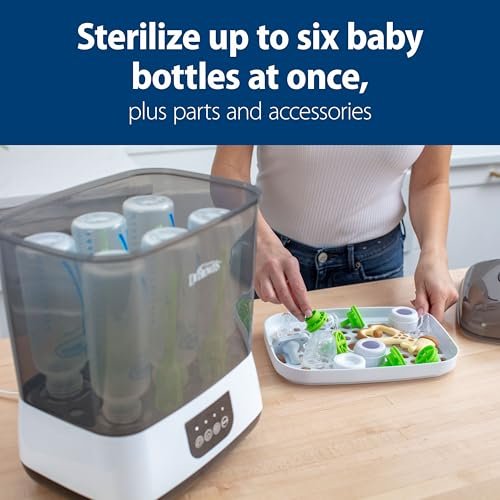
Steam sterilizers use hot steam to kill germs on bottles and other items. This method has been used in hospitals and homes for many years. Steam reaches high temperatures that destroy bacteria, viruses, and other microbes. The process is fast and effective. It makes items safe to use, especially for babies.
Steam sterilizers are easy to use. You just add water and turn the machine on. The steam cleans the items inside without chemicals. This makes steam sterilizers popular among parents and caregivers.
Steam Heat And Germ Killing Mechanism
Steam sterilizers heat water until it turns to steam. The steam reaches temperatures above 100°C (212°F). This heat breaks down the proteins in germs. It damages their cells and kills them quickly. The steam also reaches tight spaces, cleaning well.
Heat from steam works better than boiling water alone. Steam transfers heat faster, so germs die faster. It also helps remove moisture, which germs need to survive. The process usually takes 5 to 15 minutes.
Types Of Steam Sterilizers
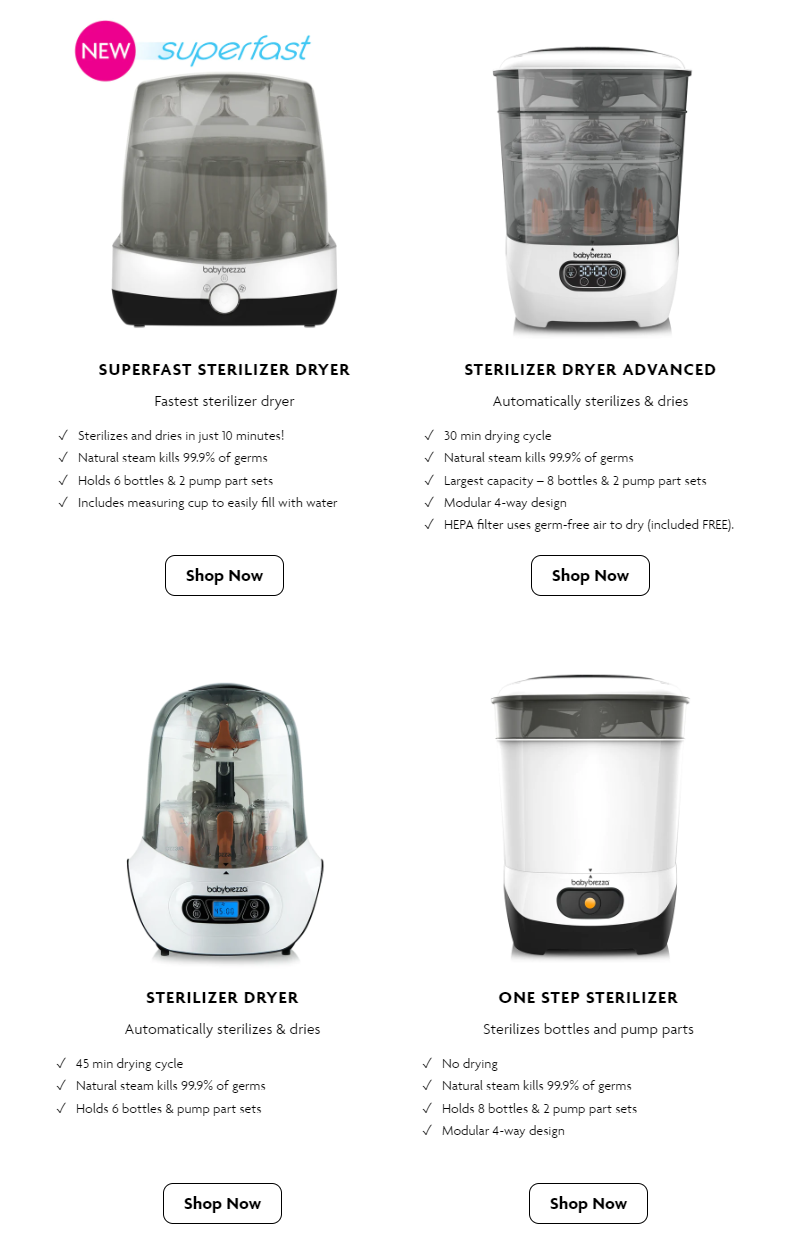
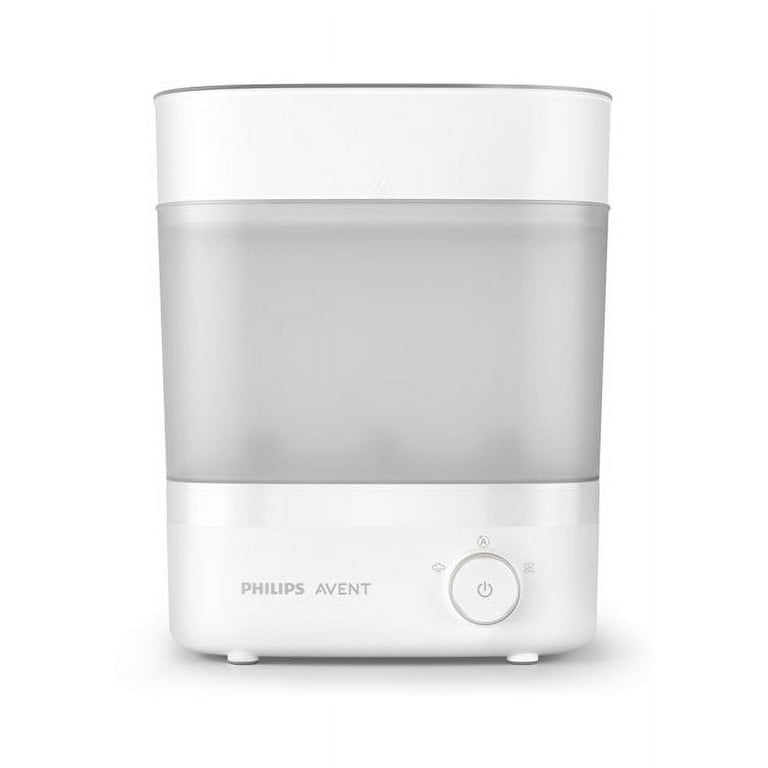
Electric steam sterilizers are common. They have a heating element that boils water inside. These models are quick and easy to use. Some can hold many bottles at once.
Microwave steam sterilizers use microwave ovens to create steam. They need special containers and take less time. These are portable and good for travel.
Some sterilizers use disposable steam bags. You add water and place items in the bag. Then heat it in the microwave. These are simple but less eco-friendly.
Advantages And Drawbacks
Steam sterilizers clean items without chemicals. They kill most germs effectively. They are fast and use only water. This makes them safe for baby bottles and toys.
Steam sterilizers need electricity or a microwave. They can be bulky or take space. Some models need regular cleaning to avoid mineral buildup. Steam may not reach some hidden parts well. Sterilized items need to be used soon or re-sterilized.
Comparing Germ-killing Efficiency
Comparing the germ-killing efficiency of UV bottle sterilizers and steam sterilizers helps parents choose the best option. Both methods aim to kill harmful bacteria and viruses that can cause illness. Understanding their strengths and limits allows for better decisions in keeping baby bottles safe and clean.
Effectiveness Against Bacteria And Viruses
UV sterilizers use ultraviolet light to destroy bacteria and viruses. They damage the DNA of germs, stopping them from growing. Steam sterilizers kill germs through high heat and moisture. Both methods kill most common bacteria and viruses found in bottles. Steam may kill some germs faster due to high temperature. UV works well but may not reach all bottle surfaces evenly.
Time Required For Sterilization
Steam sterilizers usually take about 5 to 15 minutes to clean bottles. UV sterilizers can take between 3 and 10 minutes depending on the model. UV sterilizers often finish faster but require proper placement of bottles. Steam requires waiting for water to boil and cool down. Both methods save time compared to hand washing and drying.
Impact On Different Bottle Materials
Steam sterilizers can handle glass, plastic, and silicone bottles safely. The high heat may cause some plastics to wear out faster. UV sterilizers are gentler and do not use heat, making them safe for all materials. UV light does not cause damage or deformation. Choosing the right sterilizer depends on the bottle type and material durability.
Safety And Environmental Considerations
Safety and environmental factors are important when choosing between UV bottle sterilizers and steam sterilizers. Both methods aim to kill germs effectively. Yet, their impact on health and the planet varies. Understanding these differences helps in making a smart choice for your family and the environment.
Chemical-free Sterilization Benefits
UV sterilizers use ultraviolet light to kill germs. They do not need any chemicals or liquids. This means no harmful residues on bottles or in the air. Steam sterilizers use hot water vapor, which also avoids chemicals. Both methods are safe for children and reduce chemical exposure at home.
Energy Consumption And Environmental Impact
UV sterilizers usually consume less electricity than steam sterilizers. They work quickly and use low power. Steam sterilizers require heating water, which takes more energy. Less energy means a smaller carbon footprint. Choosing low-energy devices helps protect the environment. Some UV sterilizers have automatic shutoff to save power. This feature reduces wasted electricity.
User Safety Features
UV sterilizers often include safety locks to prevent UV light exposure. UV light can be harmful to skin and eyes. Steam sterilizers have heat and steam safety controls to avoid burns. Both types offer user-friendly designs to reduce accidents. Always follow instructions to ensure safe use. Safety features make sterilization easier and safer for families.
Cost And Convenience Factors
Cost and convenience matter a lot when choosing a bottle sterilizer. These factors affect daily use and overall satisfaction. Understanding how UV and steam sterilizers differ helps you decide which fits your needs.
Initial Investment And Maintenance Costs
UV bottle sterilizers often cost more upfront than steam models. The technology inside UV devices is advanced, driving the price higher. Steam sterilizers usually have a lower purchase price. Over time, UV sterilizers may need bulb replacements, adding to costs. Steam sterilizers require less frequent maintenance. Consider your budget before picking one.
Ease Of Use And Portability
UV sterilizers are usually simple to operate with one-button controls. They often have compact designs, making them easy to carry. Steam sterilizers may take longer to set up and need a power source. Portable steam models exist but tend to be bulkier. Choose a sterilizer that matches your lifestyle and space.
Sterilization Capacity And Speed
UV sterilizers can clean several bottles in one cycle quickly. Their fast sterilization saves time during busy days. Steam sterilizers vary; some models take longer to finish. Capacity differs by brand and size for both types. Think about how many bottles you need to sterilize daily.
Choosing The Right Sterilizer For You
Choosing the right sterilizer is key to keeping baby bottles clean and safe. Different sterilizers fit different needs and habits. Consider your daily routine, types of bottles, and how often you sterilize. This helps pick the best option for your family.
Lifestyle And Usage Needs
Think about how often you sterilize bottles each day. Some sterilizers work fast for busy schedules. Others hold many bottles for larger families. Small homes might need compact models. Travel-friendly sterilizers suit parents on the go. Choose one that matches your pace and space.
Compatibility With Bottle Types
Not all sterilizers fit every bottle style. Some work best with standard plastic bottles. Others handle glass or wide-neck designs. Check the sterilizer size and shape. Make sure your bottles fit well inside. Proper fit ensures thorough cleaning and safety.
Recommendations Based On User Scenarios
Parents with newborns need quick, frequent sterilizing. A UV sterilizer can kill germs without water. It suits electric or manual bottles. For those who prefer natural methods, steam sterilizers use boiling water. They fit most bottle types and are budget-friendly. Families who travel may choose portable sterilizers. Consider what fits your daily life and baby’s needs.
Frequently Asked Questions
Do Uv Bottle Sterilizers Kill More Germs Than Steam Sterilizers?
UV bottle sterilizers kill germs using ultraviolet light, which damages bacteria DNA. Steam sterilizers use high heat and moisture to kill germs. Both are effective, but UV sterilizers may target a broader range of germs without heat damage. Effectiveness depends on usage and sterilizer quality.
How Long Does A Uv Bottle Sterilizer Take To Sterilize?
A UV bottle sterilizer typically takes 5 to 10 minutes to sterilize bottles. This quick process makes it convenient for busy parents. Steam sterilizers usually take longer, around 15 to 20 minutes, due to heating and cooling cycles.
Are Uv Sterilizers Safe For All Bottle Types?
Yes, UV sterilizers are safe for plastic, glass, and silicone bottles. They do not use heat, so there is no risk of melting or warping. However, bottles must be UV-transparent for effective sterilization.
Can Steam Sterilizers Damage Baby Bottles Over Time?
Repeated exposure to high heat and moisture in steam sterilizers can cause some plastic bottles to degrade or discolor over time. Glass bottles are less affected. Using a UV sterilizer may help prolong bottle lifespan by avoiding heat damage.
Conclusion
UV bottle sterilizers kill many germs quickly and without heat. Steam sterilizers use hot steam to remove bacteria and viruses effectively. Both methods work well but differ in how they clean. UV sterilizers suit delicate items that heat may harm.
Steam sterilizers work best for thorough cleaning with heat. Choosing depends on your needs and bottle type. Both help keep bottles safe and germ-free. Clean bottles mean healthier feeding time for your child. Trust the method that fits your daily routine best.