Are you wondering if a bottle sterilizer is truly necessary for your baby? With so many baby products on the market, it’s easy to feel overwhelmed and question what’s really essential.
You want the best for your little one, but is sterilizing bottles something you must do every time? This article will help you understand the real benefits and whether a bottle sterilizer can make your life easier—and your baby safer.
Keep reading to find out what experts say and how you can make the best choice for your family.
:max_bytes(150000):strip_icc()/prt-bottle-sterilizers-test-papablic-classic-and-dryer-nick-frasher-1-e835b8b903d542608f1cab1d3d6dc9a6.jpeg)
Why Sterilize Baby Bottles
Baby bottles can carry germs that cause illness. Cleaning alone may not remove all bacteria. Sterilizing kills harmful germs and keeps bottles safe for feeding. This is important for your baby’s health and comfort.
Newborns have weak immune systems. They need extra care to avoid infections. Sterilizing baby bottles helps reduce health risks. It gives parents peace of mind that feeding is safer.
Risks Of Germs And Bacteria
Bacteria can grow quickly in milk residue on bottles. Germs from hands and surfaces can spread to bottles. These germs can cause stomach problems and infections. Babies are more vulnerable to these risks. Sterilizing removes germs that normal washing might miss.
Health Benefits For Newborns
Sterilized bottles lower chances of diarrhea and other illnesses. Clean bottles help babies digest milk better. Sterilizing supports a baby’s growing immune system. It protects babies from harmful bacteria in their first months. This simple step can prevent many health issues.
Common Sterilization Methods
Keeping baby bottles clean is very important for your baby’s health. There are several ways to sterilize bottles. Each method has its own benefits and ease of use. Understanding these methods helps you choose the best one for your needs.
Boiling Water Technique
This method uses plain boiling water to kill germs. Place bottles and parts in a pot of boiling water. Let them boil for at least five minutes. It is simple and does not require special tools. Make sure to use clean water and keep the bottles submerged fully.
Microwave Sterilizers
Microwave sterilizers use steam to clean bottles quickly. Fill the sterilizer with water and place it in the microwave. Steam kills bacteria in just a few minutes. This method is fast and easy for busy parents. Use only microwave-safe sterilizers designed for this purpose.
Electric Sterilizers
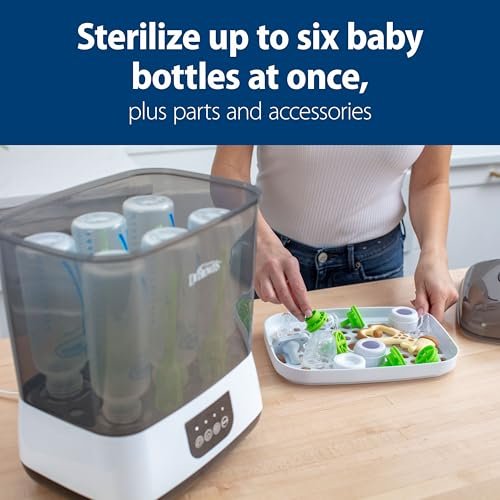
Electric sterilizers work by heating water to create steam. They offer a hands-free sterilization process. These devices often have a timer and automatic shut-off. They can sterilize many bottles at once. Electric sterilizers are convenient for daily use but need a power source.
Chemical Sterilization
Chemical sterilization uses special solutions to kill germs. Soak bottles in the sterilizing liquid for the recommended time. This method is good when no electricity or stove is available. Always follow the instructions to avoid harmful residues. Rinse bottles well before use to remove chemicals.
Pros And Cons Of Bottle Sterilizers
Bottle sterilizers are a popular choice for many parents. They promise clean bottles quickly and safely. But is a sterilizer necessary for every family? Understanding the pros and cons helps decide if it fits your needs.
Convenience And Speed
Sterilizers clean bottles fast. Most models finish in under 10 minutes. This saves time compared to boiling bottles on the stove. The process is simple—just place bottles inside and start. No need to watch the pot or guess sterilizing time. Great for busy parents or late-night feedings.
Effectiveness Against Germs
Sterilizers kill most bacteria and viruses. They use steam or UV light to destroy germs. This reduces the risk of infections. Especially helpful for newborns with weak immune systems. Regular cleaning by hand may not remove all germs. Sterilizers offer extra protection for baby’s health.
Cost And Maintenance
Buying a sterilizer means extra cost. Prices vary, but most are affordable. Some models need replacement parts like filters or UV bulbs. Cleaning the sterilizer is necessary to avoid build-up. Without care, it can stop working well. Consider your budget and willingness to maintain it over time.
:max_bytes(150000):strip_icc()/the-best-bottle-sterilizers-tout-f8ff692313744e94b536c09416aa0741.jpg)
When Sterilizing Is Most Important
Sterilizing baby bottles is not always necessary, but certain times make it very important. Sterilizing kills harmful germs that can cause illness. Knowing when to sterilize helps keep your baby safe and healthy.
Newborn Stage
Newborns have very weak immune systems. Their bodies cannot fight germs well. Sterilizing bottles during this stage protects them from infections. It helps avoid stomach bugs and other illnesses.
Premature Or Ill Babies
Premature or sick babies need extra care. Their immune defenses are even weaker than full-term babies. Sterilizing bottles is crucial to prevent serious infections. It creates a safer feeding environment for these fragile infants.
Daycare And Travel Situations
Daycare and travel expose bottles to many germs. Cleaning alone may not remove all bacteria. Sterilizing bottles in these situations reduces the risk of illness. It ensures bottles stay safe for your baby to use anywhere.
Alternatives To Using A Sterilizer
Choosing not to use a bottle sterilizer is possible. Many parents rely on simple, effective ways to keep bottles clean and safe for babies. These alternatives work well if done properly and regularly. Here are two key methods to consider.
Thorough Cleaning Practices
Wash bottles and nipples right after feeding. Use hot, soapy water and a clean brush. Pay close attention to all parts, especially small crevices. Rinse well with clean water to remove soap residue. Boiling bottles in water for five minutes can kill many germs. Let everything air dry on a clean towel or drying rack. This routine helps keep bottles hygienic without special tools.
Safe Storage Tips
Store bottles in a clean, dry place. Avoid leaving them open or exposed to dust. Use a sealed container or cover to protect from germs. Make sure hands are clean before handling bottles. Keep bottles away from pets and other contaminants. Proper storage prevents germs from growing after cleaning.
Choosing The Right Sterilizer
Choosing the right bottle sterilizer helps keep your baby’s feeding items clean and safe. It makes daily feeding easier and reduces worry about germs. Many types of sterilizers are available, each with different features and prices. Picking the best one means thinking about what fits your needs and lifestyle.
Key Features To Look For
Check the sterilizer’s size. It should fit your bottles and accessories comfortably. Fast sterilizing time saves time in busy days. Easy-to-use controls help avoid mistakes. Automatic shut-off adds safety. Some models use steam, while others use UV light. Choose the type that suits your preference. Also, look for easy cleaning and maintenance.
Budget Considerations
Sterilizers come in various price ranges. Set a budget before shopping. More expensive models may have extra features but are not always necessary. Basic sterilizers often do the job well. Think about how often you will use it. Spending a little more may be worth it for long-term use. Balance cost with features and quality.
User Reviews And Recommendations
Reading user reviews gives real insights into product performance. Look for feedback on durability and ease of use. Pay attention to common problems mentioned by buyers. Recommendations from parents can guide your choice. Real experiences help avoid buyer’s remorse. Check multiple sources for a clear picture.
Maintaining Sterilizer Hygiene
Keeping your bottle sterilizer clean is very important for your baby’s health. A clean sterilizer kills germs better and stops bad smells. Dirt and water build-up can cause bacteria and mold to grow. This can make your baby sick. Regular care helps the sterilizer work well and last longer.
Regular Cleaning Routines
Clean the sterilizer after every use. Wipe the inside with a soft cloth or sponge. Use warm soapy water to remove milk stains and dirt. Rinse well to avoid soap residue. Let it dry completely before the next use. Follow the manufacturer’s guide for deep cleaning steps. This keeps your sterilizer safe and fresh.
Avoiding Mold And Residue
Empty leftover water after each use to stop mold growth. Check all parts for white residue or stains. Use vinegar or a mild cleaner to remove buildup. Avoid harsh chemicals that can damage the sterilizer. Keep the lid open after cleaning to let moisture evaporate. This prevents mold and keeps your baby’s bottles safe.
Frequently Asked Questions
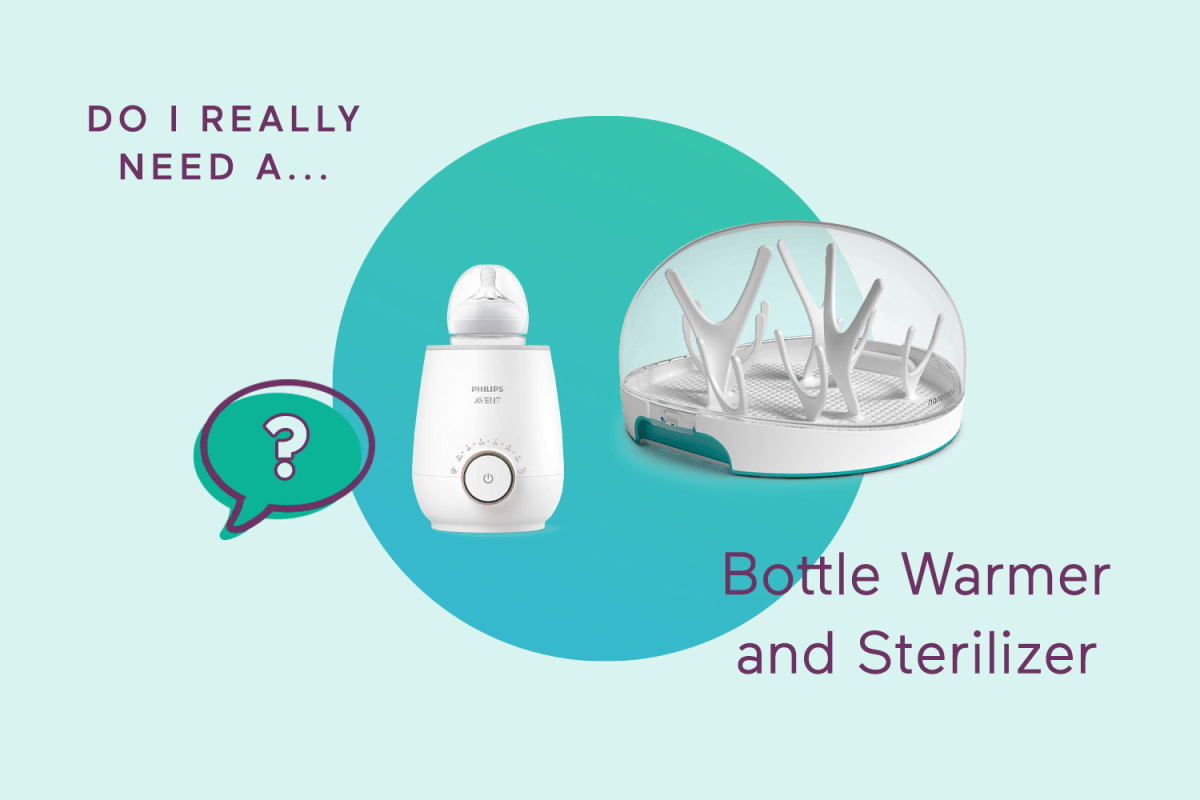
Do I Really Need A Bottle Sterilizer For My Baby?
Using a bottle sterilizer helps eliminate harmful bacteria from baby bottles. It ensures safer feeding, especially for newborns and infants with weak immunity. While boiling water can work, sterilizers offer convenience and consistent hygiene, making them a valuable tool for busy parents.
How Often Should Baby Bottles Be Sterilized?
Sterilize baby bottles before first use and regularly thereafter. For newborns, daily sterilization is recommended. After three months, thorough cleaning with hot soapy water might suffice. Sterilizing prevents bacterial growth and protects your baby from infections, ensuring safer feeding.
Can Boiling Water Replace A Bottle Sterilizer?
Boiling water can kill most bacteria on baby bottles. However, it requires time and careful handling to avoid burns. Bottle sterilizers offer a safer, quicker, and more effective sterilization method, especially for busy parents who need convenience and consistent results.
Is Bottle Sterilization Necessary For Formula-fed Babies?
Yes, sterilizing bottles is important for formula-fed babies. Formula powder may contain bacteria, so clean bottles reduce infection risks. Proper sterilization ensures bottles are safe, protecting your baby’s health during vulnerable early months.
Conclusion
Keeping your baby’s bottles clean matters a lot. A bottle sterilizer helps kill germs quickly and easily. It saves time and gives peace of mind. Some parents find it very useful, especially for newborns. Others may choose thorough washing with hot water and soap.
Think about your daily routine and your baby’s health needs. Clean bottles mean fewer risks of infections. Choose what feels right for you and your baby. Safe feeding starts with clean bottles, always.