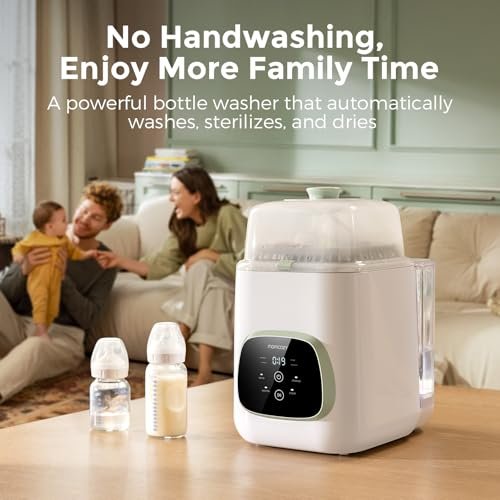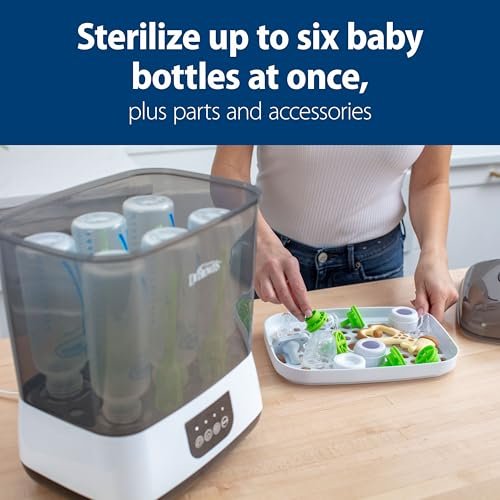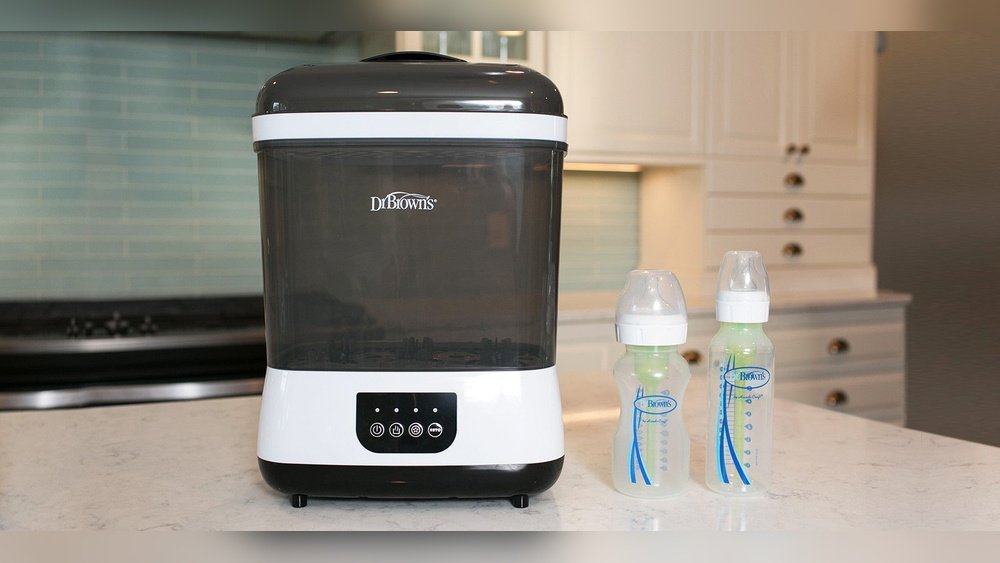
When it comes to keeping your baby’s bottles clean, you want to be sure you’re using the safest and most effective method. You might be wondering: do baby bottle washers use hot water or steam to get those bottles spotless?
The answer can make a big difference in how well germs and bacteria are removed, and how safe the bottles are for your little one. You’ll discover how these washers work and why the choice between hot water and steam matters for your baby’s health.
Keep reading to find out what’s best for your family’s peace of mind.

How Baby Bottle Washers Work
Baby bottle washers clean bottles by using a mix of water, heat, and sometimes steam. They aim to remove milk residue and germs safely and quickly. These machines work differently from regular dishwashers. They focus on delicate cleaning to protect baby bottles and nipples.
Cleaning Mechanisms
Baby bottle washers spray water to wash away milk and dirt. Small jets reach inside bottles and nipples. Some washers use brushes or rotating arms to scrub gently. Detergents designed for baby items help break down milk fats. The machine rinses items thoroughly to remove soap.
Role Of Water Temperature
Water temperature is important for cleaning and safety. Warm water helps dissolve milk and formula better than cold water. Many baby bottle washers use water around 120°F (49°C) to clean effectively. Hot water kills some bacteria but can also damage bottle parts. The temperature balances cleaning power and safety for plastic.
Use Of Steam In Cleaning
Steam is a common cleaning method in baby bottle washers. It reaches high temperatures to kill germs and bacteria. Steam cleans hard-to-reach areas inside bottles and nipples. This method uses less water and fewer chemicals. Steam also dries bottles quickly, reducing the chance of mold growth.
Hot Water In Baby Bottle Washers
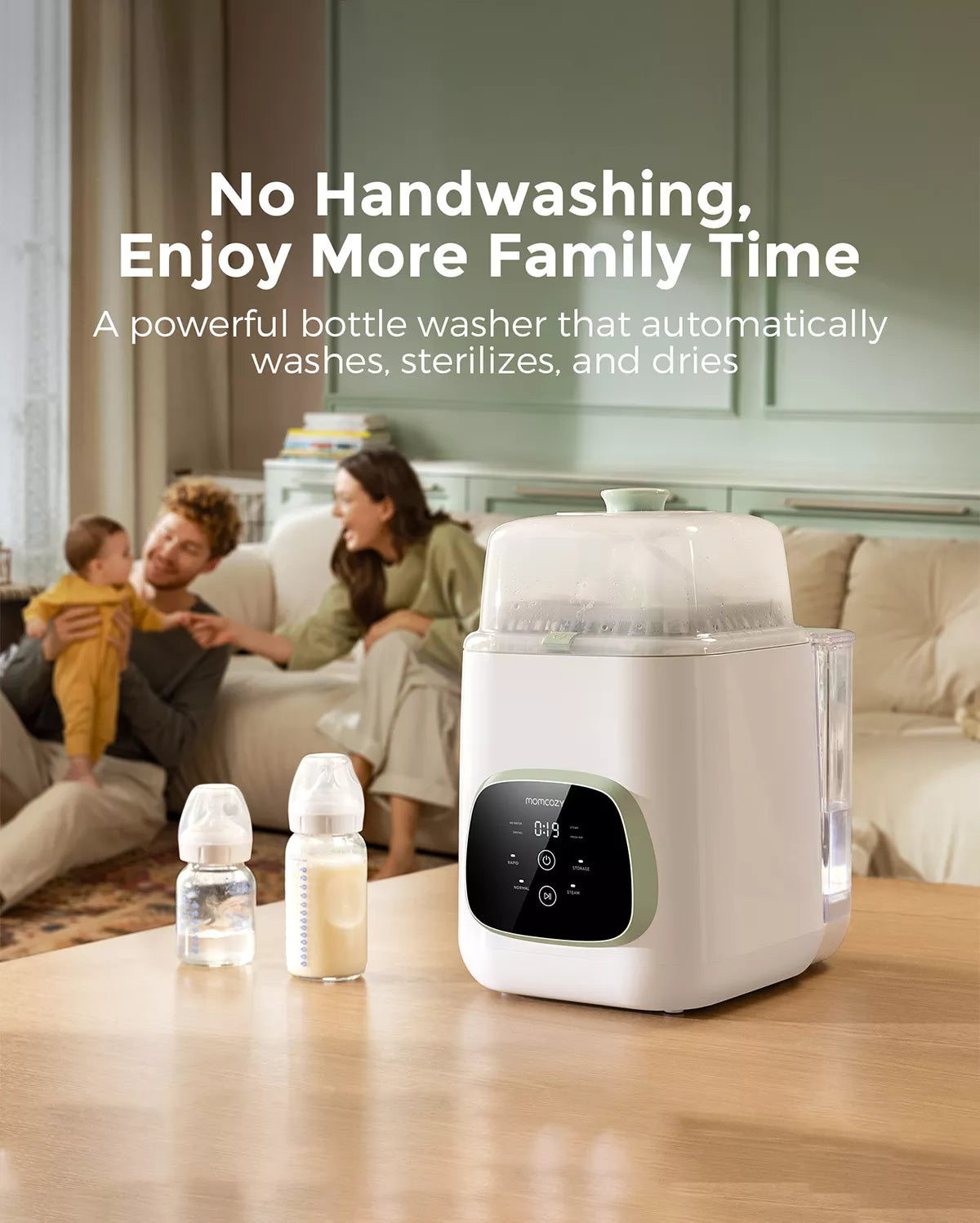
Baby bottle washers often use hot water to clean bottles thoroughly. Hot water helps remove milk residue and dirt from bottles and nipples. It is an important part of the cleaning process. Using hot water makes the bottles safe for babies by reducing harmful germs.
Benefits Of Hot Water
Hot water loosens dried milk and food particles quickly. It helps break down grease and oils found on bottles. Hot water also speeds up the cleaning process. It makes rinsing easier, leaving bottles cleaner. Hot water helps kill many bacteria and germs. This reduces the risk of infections for babies.
Temperature Ranges Used
Baby bottle washers usually heat water between 120°F to 160°F (49°C to 71°C). This range is hot enough to clean but safe for plastic bottles. Temperatures above 160°F may damage some bottle materials. Many machines allow parents to adjust water temperature. This control helps match the cleaning needs of different bottles.
Effectiveness Against Germs
Hot water alone kills many common germs on bottles. It works well against bacteria like E. coli and Salmonella. The heat weakens their cell walls, making them easier to wash away. Some germs need higher temperatures or extra sanitizing steps. Still, hot water reduces most germs and makes bottles safer. It is a simple and effective cleaning method.
Steam In Baby Bottle Washers
Steam plays a key role in many baby bottle washers. It cleans effectively without harsh chemicals. Steam uses heat and moisture to remove dirt and germs. This method suits delicate baby items well. It is gentle yet thorough, making it popular among parents. Understanding how steam works helps in choosing the right washer.
How Steam Cleans Bottles
Steam reaches high temperatures to break down residue. It loosens milk and formula stuck inside bottles. The hot steam kills many types of bacteria and germs. Steam can reach tight spots that water alone misses. This makes the cleaning process deep and complete. It also dries bottles quickly by evaporating moisture.
Advantages Of Steam Cleaning
Steam cleaning uses no chemicals, which is safer for babies. It reduces the chance of allergic reactions or irritation. Steam cleans faster than traditional washing methods. It saves time while ensuring hygiene. This method also uses less water, making it eco-friendly. Parents find steam cleaning easy and effective for daily use.
Safety And Hygiene Factors
Steam kills almost all harmful bacteria on bottles. It ensures bottles are safe for the baby to use. The high heat also removes odors and stains. Steam cleaning helps prevent infections from dirty bottles. Most baby bottle washers with steam have safety controls. These controls keep temperatures in a safe range to avoid damage.
Comparing Hot Water And Steam
Baby bottle washers use either hot water or steam to clean bottles. Both methods kill germs and remove milk residue well. Understanding their differences helps choose the best option for your baby’s health.
Cleaning Efficiency
Hot water washes use high temperatures to wash away dirt and germs. It dissolves milk fats and cleans bottle surfaces effectively. Steam cleaning uses vapor to reach tight spaces and kill bacteria. Steam can penetrate small crevices better than water alone.
Energy Consumption
Hot water washing uses more energy to heat large amounts of water. It keeps water hot during the whole cleaning cycle. Steam cleaners use less water but need energy to create steam. Steam cycles usually take less time and use less power.
Impact On Bottle Materials
Hot water can wear out plastic and rubber parts faster over time. It may cause some bottle materials to fade or weaken. Steam is gentler on bottles and does not cause damage easily. It helps keep bottle parts in good condition longer.
Choosing The Right Cleaning Method
Choosing the right cleaning method for your baby bottle washer is important. It ensures bottles are safe and hygienic for your baby. Both hot water and steam have benefits. Knowing which method suits your needs helps keep bottles clean and germs away.
Each method uses heat to kill bacteria. Hot water washes with high temperature water. Steam uses vapor heat to clean and sterilize. Your choice affects cleaning time, energy use, and bottle care.
Factors To Consider
Think about the type of bottles you use. Some materials handle heat better than others. Check the washer’s settings and features. See if it offers both hot water and steam options. Consider how often you clean bottles. Frequent cleaning may need a faster method. Also, the size of the washer matters for space and load.
Recommendations For Parents
Use steam for deep cleaning and sterilizing. It kills more germs without chemicals. Hot water is good for daily cleaning. It removes milk residue and dirt well. Always follow the bottle and washer instructions. Choose the method that keeps bottles safe and intact. Change your method if you see damage or odor.
Maintenance Tips For Washers
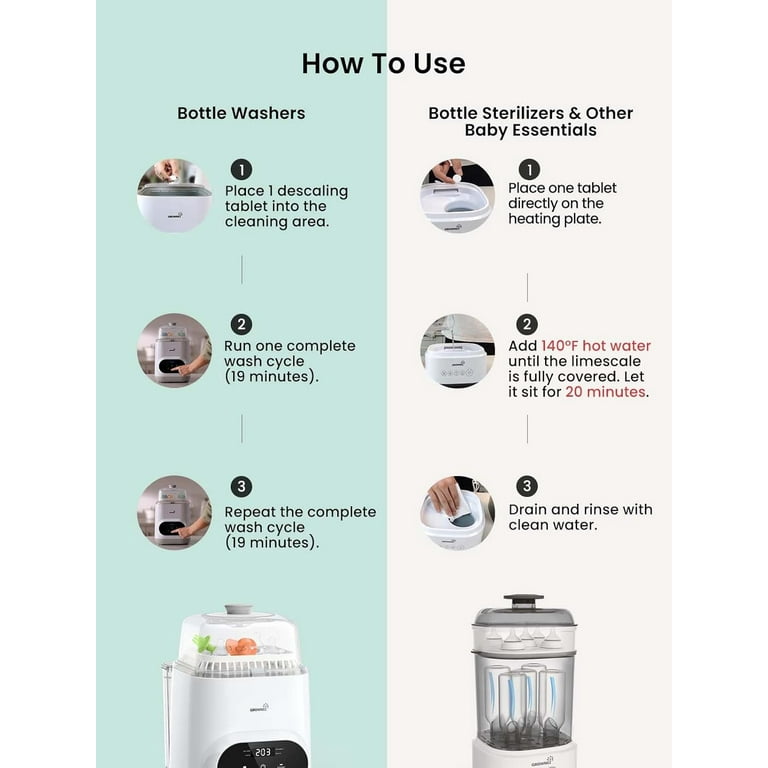
Clean your baby bottle washer regularly. Remove mineral build-up and dirt. Use mild cleaners safe for the machine. Check for leaks and broken parts often. Replace filters if your washer has them. Proper care extends the washer’s life. It also keeps cleaning effective and safe for bottles.
Frequently Asked Questions
Do Baby Bottle Washers Use Hot Water Or Steam?
Most baby bottle washers use both hot water and steam. Hot water cleans off milk residue, while steam sterilizes effectively. This combination ensures bottles are hygienic and safe for babies.
How Does Steam Sterilization Work In Baby Bottle Washers?
Steam sterilization uses high-temperature steam to kill bacteria and germs. It penetrates bottle surfaces and reaches hard-to-clean areas. This method is chemical-free and safe for delicate baby bottles.
Is Hot Water Alone Enough To Clean Baby Bottles?
Hot water alone cleans but may not sterilize bottles completely. It removes visible milk residue but may leave some bacteria behind. Using steam or a sterilizer is recommended for thorough sanitation.
Can Baby Bottle Washers Save Time Compared To Manual Cleaning?
Yes, baby bottle washers save time by automating cleaning and sterilizing. They provide a quick, efficient process that ensures thorough hygiene. This convenience benefits busy parents managing multiple feedings.
Conclusion
Baby bottle washers mainly use hot water or steam to clean bottles. Both methods help kill germs and remove milk residue. Hot water works well to wash away dirt. Steam adds extra power by reaching hard spots. Choosing the right type depends on your needs and budget.
Clean bottles keep babies safe and healthy. Always follow the washer’s instructions for best results. This simple step makes feeding time easier and safer. Safe bottles mean happier babies and parents too.