
Changing your baby’s diaper might seem simple, but it can quickly become stressful if you’re not prepared. You want to keep your little one clean and comfortable without making a mess or wasting time.
What if you had a few easy tips to make every diaper change smooth and quick? You’ll discover practical diaper changing tips that save you time, reduce fuss, and keep your baby happy. Ready to turn diaper duty into a breeze?
Keep reading—you’ll thank yourself later!
Choosing The Right Diapers
Choosing the right diapers is key to a smooth diaper changing routine. The right diaper keeps your baby comfortable and dry. It prevents leaks and skin irritation. Understanding the types, sizes, and eco-friendly options helps you make the best choice.
Types Of Diapers
Disposable diapers are popular for their convenience. They absorb moisture well and are easy to use. Cloth diapers are reusable and gentle on the skin. They need washing but save money in the long run. Hybrid diapers mix cloth and disposable parts for flexibility. Each type fits different needs and lifestyles.
Size And Fit Matters
Diaper size depends on your baby’s weight and shape. A proper fit stops leaks and keeps your baby comfy. Too tight diapers cause red marks and discomfort. Loose diapers lead to leaks and messes. Check the size chart on the package to choose well.
Eco-friendly Options
Eco-friendly diapers use natural materials that break down faster. They reduce waste and protect the environment. Some brands use bamboo or organic cotton. Biodegradable disposable diapers are another choice. Choosing eco-friendly helps babies and the planet stay healthy.

Preparing For Diaper Changes
Preparing for diaper changes helps make the process smooth and quick. It reduces stress for both the baby and the parent. A calm approach keeps your baby happy and safe. Proper preparation means fewer interruptions and less mess.
Gathering Supplies
Keep all diaper changing items close by. Have clean diapers, wipes, and diaper cream ready. Use a small container or basket to hold everything. This saves time and avoids searching during changes.
Check supplies before each change. Make sure diapers fit well and wipes are gentle. Keep extra clothes handy for accidents.
Setting Up A Safe Space
Choose a flat, stable surface for diaper changes. Use a changing table or a clean floor area. Place a soft mat or towel underneath your baby. This adds comfort and protects surfaces.
Never leave your baby alone during diaper changes. Keep one hand on your baby at all times. Safety is the top priority to prevent falls.
Keeping Baby Comfortable
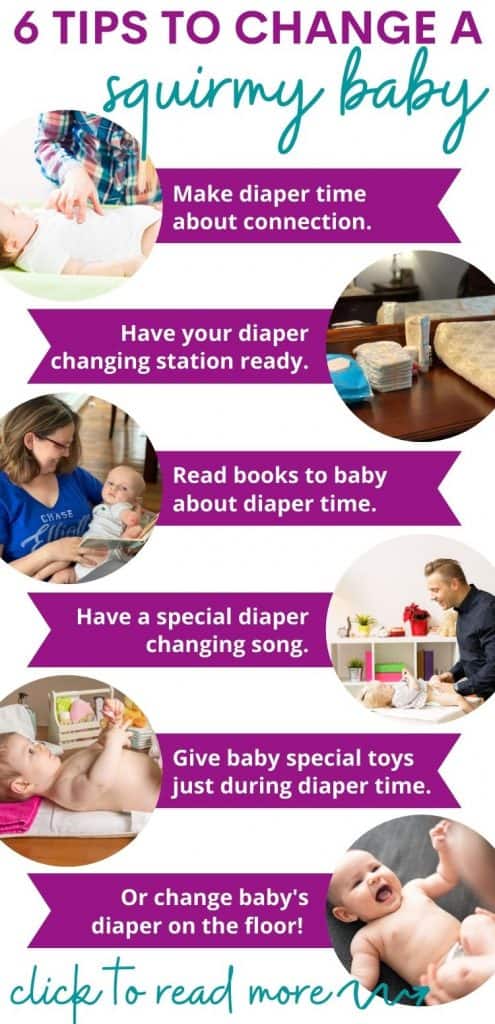
Talk or sing softly to calm your baby. Keep the room warm to avoid chills. Use gentle wipes and avoid harsh rubbing.
Quick movements help reduce fussiness. Have a favorite toy nearby to distract your baby. Comfort keeps diaper changes easier and faster.
Step-by-step Changing Process
Changing a diaper can feel tricky at first. Following a clear step-by-step process helps make it faster and easier. This guide breaks down each part of diaper changing. You will learn how to remove, clean, protect, and secure a diaper properly.
Removing The Soiled Diaper
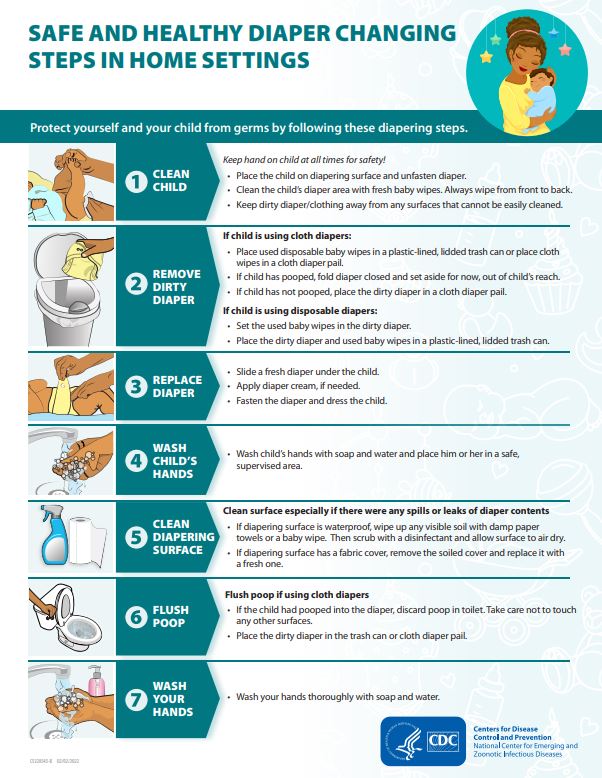
Lay your baby on a flat, safe surface. Unfasten the diaper tabs carefully. Gently lift your baby’s legs by the ankles. Slide the diaper out from under your baby. Use the front part to wipe away excess mess. Fold the diaper closed to trap the waste.
Cleaning Techniques
Use soft wipes or a damp cloth to clean your baby. Wipe from front to back to prevent infection. Clean all the folds and creases gently but thoroughly. Let the skin dry for a few seconds before the next step. Pat dry instead of rubbing to avoid irritation.
Applying Diaper Cream
Apply a thin layer of diaper cream on the clean, dry skin. Focus on areas prone to redness or rash. Use creams with zinc oxide for better protection. This step helps soothe and shield your baby’s skin. Allow the cream to absorb before putting on a new diaper.
Securing The New Diaper
Place the clean diaper under your baby with the adhesive side at the back. Pull the front part up between your baby’s legs. Fasten the tabs snugly but not too tight. Check the fit around the legs and waist to avoid leaks. Ensure your baby feels comfortable and free to move.
Quick Tips For On-the-go Changes
Changing a diaper outside the home can feel tricky. You need to be quick, clean, and calm. Having a plan helps. These tips make diaper changes easier when you are on the go. Stay prepared and stress less.
Portable Changing Kits
Keep a small bag with all essentials. Include diapers, wipes, cream, and a changing mat. Choose a compact, easy-to-carry bag. It saves time and keeps items organized. Ready to grab and go anywhere.
Discreet Disposal Methods
Use small, sealable bags to wrap used diapers. These stop odors and germs from spreading. Carry a few bags in your kit. Throw them away later in a trash bin. Keeps the area clean and smells away.
Handling Messes Outside
Bring extra wipes and a spare outfit. Use wipes to clean your baby and hands quickly. A changing mat protects surfaces from messes. Always check for a safe, flat spot to change. Clean up promptly to keep your baby comfortable.
Preventing Diaper Rash
Preventing diaper rash is key to keeping your baby comfortable and happy. Rash happens when the skin stays wet or irritated too long. Good care and quick action stop rashes before they start. Small steps make a big difference in protecting your baby’s delicate skin.
Recognizing Early Signs
Look for red, tender spots on the baby’s skin. The rash may appear on the buttocks, thighs, or genitals. Your baby might seem fussier or more uncomfortable during diaper changes. Early signs include small bumps or shiny skin. Spotting these signs helps you act fast and prevent worsening.
Effective Treatments
Use a gentle diaper rash cream at each change. Choose creams with zinc oxide to soothe the skin. Let your baby’s skin air out for a few minutes before putting on a new diaper. Change diapers often to keep the area dry. Avoid wipes with alcohol or fragrance, as they can irritate.
Daily Skin Care Routine
Clean your baby’s skin with warm water and a soft cloth. Pat the skin dry instead of rubbing it. Use a mild, fragrance-free cleanser if needed. Apply a thin layer of protective cream every diaper change. Dress your baby in loose, breathable clothing to reduce sweating.
Time-saving Hacks
Changing diapers takes time. Every parent wants to make it faster and easier. Small changes can save minutes and reduce stress. Here are simple tips to help you speed up the process.
Organizing Supplies Efficiently
Keep all diaper-changing items close. Use a caddy or basket to hold wipes, diapers, and cream. Arrange supplies so you can reach them with one hand. Restock regularly to avoid last-minute trips. This saves time and keeps the baby safe during changes.
Using Multipurpose Products
Choose products that serve more than one purpose. For example, use diaper cream that also soothes skin. Pick wipes that clean and moisturize gently. Multipurpose items reduce the number of things you need. Fewer products mean faster changes and less clutter.
Involving Older Siblings
Older siblings can help with simple tasks. They can hand you diapers or distract the baby. This teamwork speeds up the process and makes it fun. Teach siblings to be gentle and careful around the baby. Helping out builds their confidence and eases your workload.
Common Mistakes To Avoid
Changing diapers is a daily task for many parents and caregivers. Avoiding common mistakes can make this job easier and safer for your baby. Small errors can cause discomfort or skin problems. Knowing what to avoid helps keep your baby clean and happy.
Incorrect Diaper Fit
A diaper that does not fit well can cause leaks or rashes. If it is too tight, it may leave red marks on the skin. Too loose, and it will not hold waste properly. Choose the right size for your baby’s weight. Adjust the tabs to fit snugly but comfortably around the waist.
Skipping Hand Hygiene
Clean hands are important before and after every diaper change. Germs can spread easily without washing your hands. Use soap and water or hand sanitizer to keep hands clean. This simple step protects both you and your baby from infections.
Overusing Wipes
Wipes are helpful but using too many can irritate your baby’s skin. Gentle wiping is enough to clean the area. Avoid scrubbing hard or using harsh wipes. Choose wipes made for sensitive skin to prevent dryness or redness.
Frequently Asked Questions
How Often Should I Change My Baby’s Diaper?
Change your baby’s diaper every 2 to 3 hours or immediately after soiling. Frequent changes prevent rashes and discomfort, keeping your baby clean and healthy.
What Are The Essential Items For Diaper Changing?
Essential items include clean diapers, wipes, diaper rash cream, and a changing mat. Having these ready ensures a smooth and hygienic diaper change.
How Can I Prevent Diaper Rash Effectively?
Keep the diaper area clean and dry. Change diapers promptly, use barrier creams, and allow some diaper-free time daily to reduce rash risk.
What Is The Safest Way To Dispose Of Used Diapers?
Seal used diapers in a plastic bag and dispose of them in a covered trash bin. This helps contain odor and prevents germs from spreading.
Conclusion
Changing diapers can be simple with the right tips. Keep everything close to save time. Always clean your baby gently to avoid irritation. Use a fresh diaper to keep your baby dry and happy. Stay calm and patient during each change.
These small steps help make diaper changes quick and smooth. Practice often, and you will feel more confident. Caring for your baby is a daily joy. Trust yourself, and enjoy these little moments together.


