
Taking care of your baby’s hygiene might feel overwhelming at times. You want to make sure your little one stays clean, comfortable, and healthy every single day.
But where do you start? What steps should you follow to build a simple, effective daily hygiene routine that fits your busy life? This guide will walk you through easy, practical tips that you can trust. By the end, you’ll feel confident knowing exactly how to keep your baby fresh and happy, day after day.
Keep reading—your baby’s comfort and well-being depend on it!

Morning Care Rituals
Starting the day with a calm and caring routine helps your baby feel safe and loved. Morning care rituals set a positive tone for the whole day. These simple steps keep your baby clean and comfortable. They also support healthy skin and good hygiene habits from the start.
Gentle Face And Hand Cleaning
Use a soft, damp cloth to wipe your baby’s face and hands. Choose lukewarm water to avoid discomfort. Clean gently around the eyes and mouth. This removes dirt and milk residue from sleep. Avoid using strong soaps that can dry out delicate skin.
Diaper Change Basics
Change the diaper as soon as your baby wakes up. Clean the diaper area carefully with gentle wipes or warm water. Dry the skin softly to prevent irritation. Apply a thin layer of diaper cream to protect against rashes. Make sure the diaper fits snugly but not too tight.
Bath Time Tips
Baths in the morning can refresh and relax your baby. Use a small tub with warm water, around 37°C (98.6°F). Keep bath time short, about 5 to 10 minutes. Use mild, fragrance-free baby soap. Support your baby’s head and neck during the bath. After drying, dress your baby in clean, comfortable clothes.
Skin Care Essentials
Baby skin is very soft and delicate. It needs gentle care every day. Keeping your baby’s skin clean and healthy is important. The right skin care helps protect against dryness and irritation. Simple steps can make a big difference in your baby’s comfort.
Choosing Baby-safe Products
Pick products made especially for babies. These are usually free from harsh chemicals. Look for labels that say “hypoallergenic” and “fragrance-free.” Mild formulas reduce the risk of skin reactions. Avoid products with dyes or alcohol. Test new products on a small skin patch first. This helps prevent rashes or allergies.
Moisturizing Techniques
Apply moisturizer right after bath time. This locks in moisture and keeps skin soft. Use a small amount and gently rub it in. Focus on dry or rough areas like elbows and knees. Choose creams or lotions made for baby skin. Avoid heavy ointments unless your doctor suggests them. Moisturizing twice a day is often enough.
Preventing Diaper Rash
Change diapers often to keep skin dry. Clean the area gently with water or baby wipes. Let the skin air dry for a few minutes. Use a barrier cream to protect against moisture. Choose creams with zinc oxide for best results. Avoid tight diapers to allow air flow. Watch for redness or sores and treat them early.
Oral Hygiene For Babies
Oral hygiene for babies is important from the very start. Healthy gums and teeth help babies eat well and speak clearly later. Good habits begin early. Parents can protect their baby’s smile by following simple steps every day.
Cleaning Gums Before Teeth
Even before teeth appear, clean your baby’s gums. Use a soft, damp cloth or a special gum brush. Gently wipe the gums after feeding. This removes milk residue and bacteria. It keeps the mouth fresh and healthy.
First Tooth Care
When the first tooth comes in, care must start. Use a small, soft toothbrush made for babies. Brush the tooth gently once a day. Use water only or a tiny smear of fluoride toothpaste. This prevents cavities and builds good habits early.
When To Start Brushing
Begin brushing as soon as the first tooth appears. Brush twice daily, morning and night. Use a pea-sized amount of fluoride toothpaste. Help your baby until they can brush alone. This keeps their smile bright and healthy for years.

Hair And Scalp Care
Taking care of a baby’s hair and scalp is important for their comfort and health. The skin on a baby’s head is delicate and needs gentle care. A good routine helps keep the scalp clean and hair soft. It also prevents common problems like dryness or cradle cap.
Simple steps done regularly can make a big difference. Understanding how often to bathe, how to handle cradle cap, and which shampoo to use helps parents provide the best care.
Bathing Frequency
Babies do not need a hair wash every day. Washing two to three times a week is enough for most babies. Too much washing can dry out the scalp and hair. Use warm water and be gentle while washing. Lightly massage the scalp with your fingers to clean it.
Dealing With Cradle Cap
Cradle cap looks like yellow or brown flakes on the scalp. It is common and not harmful. Use a soft brush to gently loosen the flakes. You can apply a small amount of baby oil before washing. Wash the scalp gently to remove the flakes. Avoid picking at the flakes as it can hurt the baby.
Choosing The Right Shampoo
Choose a shampoo made for babies. It should be mild and free of harsh chemicals. Look for shampoos that do not sting the eyes. A gentle formula helps keep the scalp healthy. Always rinse the shampoo out completely to avoid irritation.
Nighttime Hygiene Routine
Nighttime hygiene is an important part of your baby’s daily routine. It helps your little one feel clean and calm before sleep. A consistent routine supports better rest and comfort. Keep the steps simple and gentle for your baby’s sensitive skin.
Calming Bath Practices
Use warm water for a soothing bath. Avoid hot water to protect delicate skin. Choose mild, fragrance-free baby soap. Gently wash your baby’s body, focusing on folds and creases. Keep bath time short, about 5 to 10 minutes. Softly pat your baby dry with a clean towel. A calm bath helps your baby relax before bedtime.
Final Diaper Change
Change your baby’s diaper right before bed. Clean the diaper area thoroughly with gentle wipes. Check for any redness or irritation. Apply a thin layer of diaper cream if needed. Use a fresh, snug diaper to avoid leaks. A clean diaper reduces discomfort during the night.
Soothing Skin Before Bed
Apply a gentle, baby-safe moisturizer to dry skin areas. Choose products without harsh chemicals or fragrances. Use soft strokes to massage the lotion in. Avoid over-applying to prevent sticky skin. This step keeps your baby’s skin soft and calm. It also helps maintain healthy skin overnight.
Clothing And Laundry Tips
Keeping your baby’s clothes clean and comfortable is important for their daily hygiene. Clothes touch your baby’s sensitive skin all day. Choosing the right fabric and washing method helps avoid rashes and discomfort. Proper care keeps clothes soft and fresh for longer.
Selecting Soft Fabrics
Soft fabrics protect your baby’s delicate skin. Choose cotton or bamboo fabrics. These materials breathe well and feel gentle. Avoid rough or synthetic fabrics that may irritate skin. Soft clothes reduce chances of redness and itching.
Washing Baby Clothes
Wash baby clothes separately from adult clothes. Use mild detergent made for babies. Hot water kills germs but check fabric care labels first. Rinse clothes thoroughly to remove all soap. Dry clothes in fresh air or on low heat.
Avoiding Irritants
Skip fabric softeners and strong detergents. These can cause skin reactions. Use hypoallergenic and fragrance-free products only. Check labels for harmful chemicals. Always test new products on a small cloth piece first.
Safety And Hygiene Tools
Keeping your baby safe and clean requires the right tools. Safety and hygiene tools help protect babies from germs and infections. These tools make daily care easier for parents. Choosing good products and using them properly keeps your baby healthy.
Essential Baby Hygiene Products
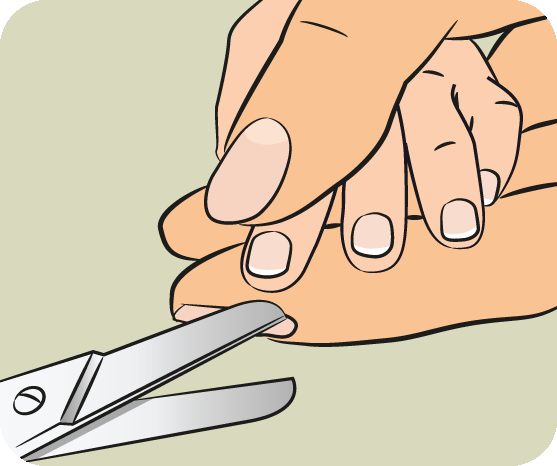
Start with gentle baby soap and shampoo. Use soft washcloths made for babies. A baby toothbrush and mild toothpaste help keep tiny teeth clean. Diaper rash cream protects sensitive skin. Keep nail clippers and a soft hairbrush close. These products support your baby’s daily cleanliness.
Sanitizing Baby Items
Clean toys and bottles daily to stop germs. Use warm soapy water or baby-safe disinfectants. Sterilize bottles and pacifiers regularly by boiling or using a sterilizer. Always wash hands before touching baby items. Sanitizing reduces infections and keeps your baby safe.
Organizing Hygiene Supplies
Store hygiene products in a clean, dry place. Use baskets or bins to keep items tidy. Label containers for easy access during busy times. Keep dangerous items out of reach. Organized supplies help parents act quickly and keep routines smooth.
Frequently Asked Questions
What Is The Ideal Daily Hygiene Routine For Babies?
A daily hygiene routine for babies includes gentle bathing, cleaning the diaper area, wiping hands and face, and moisturizing. Use mild baby products and keep nails trimmed. Consistency helps maintain skin health and prevent infections, ensuring your baby stays clean and comfortable every day.
How Often Should I Bathe My Baby Daily?
Bathing newborns 2-3 times a week is sufficient to avoid dry skin. For older babies, daily baths are fine if gentle products are used. Focus on cleaning the face, neck, and diaper area daily to maintain hygiene without over-drying their delicate skin.
What Baby Products Are Safe For Daily Hygiene?
Use fragrance-free, hypoallergenic baby soaps and shampoos designed for sensitive skin. Avoid harsh chemicals, dyes, and alcohol-based wipes. Choose products with natural ingredients to prevent irritation and keep your baby’s skin soft, clean, and healthy during daily hygiene routines.
How Can I Keep My Baby’s Skin Moisturized Daily?
Apply a gentle, fragrance-free baby lotion after baths while skin is still damp. Moisturizing prevents dryness and soothes sensitive skin. Use natural oils like coconut or almond oil if preferred. Regular moisturizing supports skin barrier health and comfort throughout the day.
Conclusion
Keeping a daily hygiene routine helps your baby stay healthy and happy. Clean skin and fresh clothes protect from germs and irritations. Simple habits like washing hands and brushing gums build good care early. A calm, gentle approach makes the routine easier for both baby and parents.
Consistency matters most; small steps every day create big benefits. Remember, your loving care shapes your baby’s well-being. Keep routines simple, safe, and loving for the best start.


