Are you wondering if you can sterilize your glass bottles in any bottle sterilizer? You’re not alone.
Choosing the right sterilizer can feel confusing, especially when safety and cleanliness are on the line. What if using the wrong sterilizer could damage your bottles or leave harmful germs behind? You’ll discover exactly what you need to know to keep your glass bottles clean and safe every time.
Keep reading to find out how to protect your health and get the best results with your sterilizer.

Types Of Bottle Sterilizers
There are several types of bottle sterilizers available for cleaning glass bottles. Each type uses a different method to kill germs and bacteria. Choosing the right sterilizer depends on your needs and the bottle type. Understanding these options helps ensure safe feeding for your baby.
Electric Steam Sterilizers
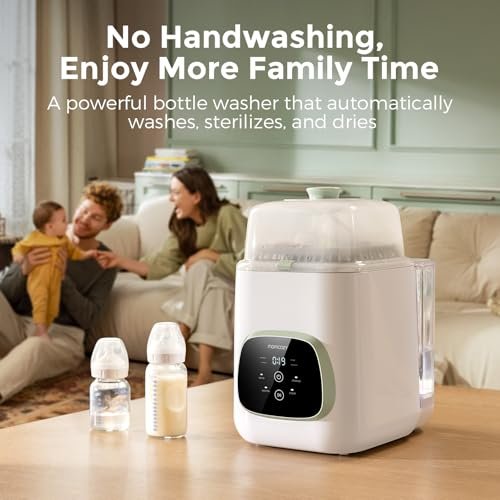
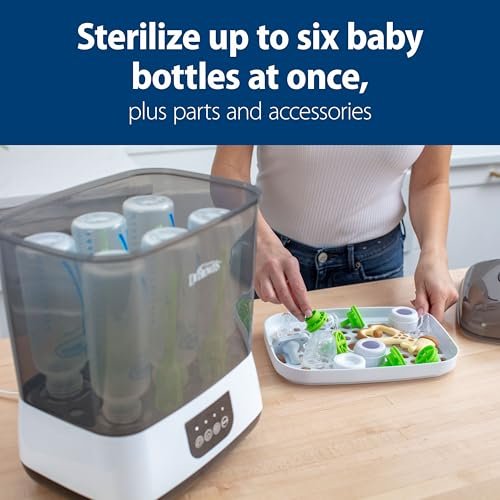
Electric steam sterilizers use hot steam to kill germs quickly. They plug into a power source and usually take 5 to 15 minutes to finish. These sterilizers can hold multiple bottles at once. They are easy to use and do not require chemicals.
Microwave Sterilizers
Microwave sterilizers use steam created by microwaving water inside a special container. They are compact and work fast, usually within a few minutes. These sterilizers need a microwave oven to operate. They are portable and good for travel.
Cold Water Sterilizers
Cold water sterilizers use a sterilizing solution to clean bottles without heat. Bottles soak in the solution for about 30 minutes. This method is gentle and safe for all bottle types. It is useful when electricity or microwaves are not available.
Uv Sterilizers
UV sterilizers use ultraviolet light to kill germs on bottle surfaces. They work without water or heat. Sterilization usually takes about 10 minutes. These sterilizers are quiet and easy to use but may cost more.
Glass Bottle Compatibility
Glass bottles are popular for feeding and storage. Many wonder if any bottle sterilizer suits all glass bottles. Not all glass bottles work the same way in every sterilizer. Understanding glass bottle compatibility helps keep your bottles safe and clean.
Different glass bottles have unique features. These features affect how well they handle sterilizing. Knowing about heat resistance, size, shape, and lids helps choose the right sterilizer.
Heat Resistance Of Glass
Glass varies in how it handles heat. Some glass bottles are made to resist high temperatures. Others may crack or break under strong heat. Check if the glass bottle is heat-resistant before sterilizing. Tempered or borosilicate glass is often safe for sterilizers.
Size And Shape Considerations
Bottle sterilizers have size limits. Large or oddly shaped bottles may not fit well. Slim bottles fit easily in most sterilizers. Wide or tall bottles might need special sterilizers. Measure your bottle and compare it with sterilizer dimensions.
Lid And Cap Materials
Lids and caps come in different materials. Some plastic lids may melt or warp in heat. Silicone lids usually handle heat better. Metal lids can rust or get damaged. Remove lids if unsure, or use heat-safe lids only.
Sterilizer Safety Tips
Sterilizing glass bottles requires careful attention to safety. Proper use of your bottle sterilizer helps keep bottles clean and prevents damage. Following safety tips protects both the bottles and your sterilizer.
Avoiding Glass Cracks And Breakage
Glass bottles can crack if exposed to sudden temperature changes. Let bottles reach room temperature before sterilizing. Avoid placing cold bottles directly into a hot sterilizer. Handle bottles gently to prevent drops or bumps. Use bottles designed for sterilizer use to reduce risk.
Proper Placement Inside Sterilizer
Place bottles upright in the sterilizer. Ensure bottles do not touch each other or the sterilizer walls. Avoid overcrowding the sterilizer for even steam flow. Follow the sterilizer’s instructions for bottle arrangement. Proper placement helps thorough cleaning and prevents damage.
Temperature Settings To Use
Use the temperature recommended by the sterilizer manufacturer. High heat is needed to kill germs but can harm glass if too hot. Avoid setting temperatures above the bottle’s tolerance level. Use consistent temperatures for each sterilization cycle. This keeps bottles safe and clean every time.

Cleaning Before Sterilizing
Cleaning glass bottles before sterilizing is very important. Dirt, milk, or juice left inside can stop sterilization from working well. Proper cleaning removes germs and food bits. This step helps keep bottles safe for babies or other uses.
Follow these simple cleaning tips to prepare your glass bottles for sterilizing. Clean bottles last longer and stay hygienic.
Removing Residue And Debris
Start by rinsing the bottle with warm water. This removes milk or juice residue. Use a bottle brush to scrub inside gently. Pay close attention to the neck and bottom. Check the bottle cap and nipple for leftover debris. Remove all visible dirt before sterilizing.
Pre-washing Techniques
Wash bottles with warm, soapy water. Use mild dish soap to avoid harmful chemicals. Clean all parts separately, including lids and rings. Rinse thoroughly to remove soap traces. Avoid using harsh detergents or bleach. These can leave harmful residues on bottles.
Drying Tips
After washing, air dry bottles on a clean towel. Place them upside down to let water drain out. Avoid using cloth towels to dry inside bottles. They can transfer germs or lint. Make sure bottles are fully dry before sterilizing. This prevents water spots and bacteria growth.
Common Mistakes To Avoid
Sterilizing glass bottles is important for safety and hygiene. Many people make simple mistakes that reduce sterilization effectiveness. Avoiding these errors helps keep bottles clean and safe for use.
Overcrowding The Sterilizer
Putting too many bottles in the sterilizer stops steam from reaching all surfaces. Bottles must have space between them. Overcrowding can leave some areas unsterilized. Load only the recommended number of bottles.
Using Incompatible Sterilizers
Not all sterilizers work with glass bottles. Some are designed only for plastic or specific bottle sizes. Using the wrong sterilizer can damage bottles or reduce sterilization. Check if your sterilizer supports glass bottles before use.
Ignoring Manufacturer Guidelines
Each bottle and sterilizer has rules. Ignoring these instructions can cause problems. Follow the cleaning and sterilizing steps exactly. This ensures bottles stay safe and last longer. Always read the manual carefully.
Expert Recommendations
Experts give clear advice on sterilizing glass bottles safely and effectively. Proper sterilization protects your baby from germs and infections. Not all sterilizers suit every bottle type, especially glass. Understanding expert tips helps you choose and use sterilizers wisely.
Best Sterilizers For Glass Bottles
Choose sterilizers designed for glass bottles. Electric steam sterilizers work well. They reach high temperatures to kill germs fast. Microwave sterilizers are also good if the glass fits safely inside. Avoid sterilizers that use chemicals, which can harm glass surfaces. Check product labels for glass compatibility.
Frequency Of Sterilization
Experts suggest sterilizing before first use. After that, sterilize daily for newborns. As babies grow, sterilize bottles less often. Washing with hot, soapy water works well between sterilizations. Always sterilize after illness or when bottles fall on the floor. Keep your baby safe with regular sterilization.
Handling After Sterilization
Handle bottles with clean hands only. Use sterilized tongs or let bottles air dry in a clean area. Avoid touching inside the bottle or nipple. Store sterilized bottles in a sealed container. This keeps germs away until use. Clean handling keeps bottles safe after sterilization.
Frequently Asked Questions
Can All Bottle Sterilizers Sterilize Glass Bottles?
No, not all sterilizers are designed for glass bottles. Check the manufacturer’s instructions to ensure compatibility before use.
Is Microwave Sterilization Safe For Glass Bottles?
Yes, microwave sterilization is safe if the glass bottle is microwave-safe. Always follow specific device guidelines to avoid damage.
How Long Does Sterilizing Glass Bottles Usually Take?
Sterilization time varies by device, typically between 5 to 15 minutes. Follow your sterilizer’s recommended timing for best results.
Can I Use Steam Sterilizers For Glass Bottles?
Yes, steam sterilizers are effective for glass bottles. They kill germs quickly without using chemicals, making them safe and eco-friendly.
Conclusion
Not all bottle sterilizers work for every glass bottle type. Check your sterilizer’s instructions carefully before use. Using the wrong sterilizer might damage the bottle or leave germs behind. Choose a sterilizer that fits your bottle size and shape. Safe sterilizing helps keep bottles clean and your baby healthy.
Always follow safety tips for best results. Sterilizing glass bottles properly is simple with the right tools. Take a moment to pick the right sterilizer for your needs. Clean bottles mean peace of mind.