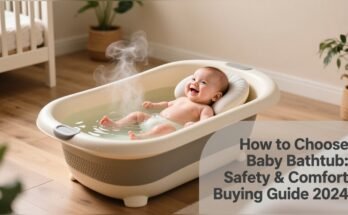
When it comes to bathing your baby, safety is your top priority. You might wonder, can baby bathtubs really prevent slipping and keep your little one secure?
If you’ve ever felt nervous about handling a wet, wiggly baby in the tub, you’re not alone. Understanding how the right bathtub can reduce risks and give you peace of mind is crucial. Keep reading to discover what features to look for and how baby bathtubs can make bath time safer and more enjoyable for both you and your baby.

Credit: www.walmart.com
Slip Risks In Baby Baths
Bath time can be fun but also risky for babies. Slipping in the bath is a common danger. Babies have soft skin and weak muscles. A slip can cause harm or scare them. Understanding slip risks helps parents stay alert and safe.
Common Causes Of Slipping
Wet surfaces are slippery by nature. Soap or shampoo makes the bath even slicker. Babies move a lot, making slips easier. Bath seats without grip can slide too. Lack of supervision increases the chance of slips.
Impact On Baby Safety
Slipping can lead to bumps and bruises. It may cause head injuries or cuts. A fall can frighten babies, making bath time stressful. Parents may feel worried or guilty. Preventing slips is key to safe, happy baths.

Credit: www.amazon.com
Features Of Baby Bathtubs
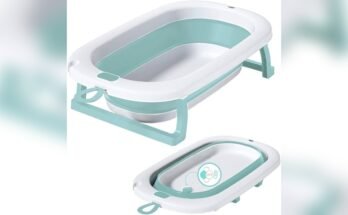
Baby bathtubs are made with special features to keep babies safe during bath time. These features help stop slipping and make the bath more comfortable. Understanding these features can help parents choose the right bathtub.
Every part of a baby bathtub is designed to protect the baby. From the materials used to the shape, these elements work together to prevent accidents.
Non-slip Materials
Many baby bathtubs use materials that stop slipping. Soft rubber or textured surfaces keep the baby from sliding. These materials create grip, even when wet. They help babies stay in place safely.
Ergonomic Design
Bathtubs often have shapes that fit a baby’s body. Curved sides and gentle slopes support the baby’s back and head. This design keeps babies comfortable and steady. It reduces the chance of slipping.
Supportive Structures
Some bathtubs include built-in supports or cushions. These hold the baby in a secure position. They stop the baby from tipping or sliding. Parents can feel more confident during bath time.
Effectiveness Of Baby Bathtubs
Baby bathtubs aim to make bath time safer by reducing slipping risks. These tubs are designed to hold babies securely and keep them from sliding during baths. Their shape and materials help provide a stable space. Parents can feel more confident while bathing their child.
Still, the effectiveness of baby bathtubs varies. Not every model offers the same level of safety. Understanding how these tubs work helps in choosing the right one for your baby.
Reducing Slippage Incidents
Baby bathtubs often include non-slip surfaces. These textures help keep babies steady in the water. Some tubs have built-in supports or contours that fit a baby’s body. This design prevents the baby from sliding forward or sideways.
Many parents report fewer slipping problems using these tubs. The small size also limits movement, which adds safety. The close fit reduces the chance of sudden shifts that lead to slipping.
Limitations To Consider
Baby bathtubs cannot stop all slipping risks. Babies can still move and squirm. Tubs must be used with care and adult supervision at all times.
Some tubs lack strong grip or cushioning. Slippery materials can reduce safety. Also, older babies may outgrow the tub quickly, making it less useful.
Choosing a tub with safety features and following bath guidelines remains key. No tub replaces careful watching during bath time.
Additional Safety Measures
Baby bathtubs can help reduce slipping risks, but extra care is needed. Simple steps improve safety during bath time. These measures protect your baby and create a calm, secure environment.
Proper Water Temperature
Always check the water temperature before placing your baby in the tub. Warm water feels nice but should never be too hot. Use a bath thermometer or test with your wrist. Safe water temperature is about 37°C (98.6°F). Cold water can also be uncomfortable and make babies fussy.
Supervision Importance
Never leave a baby alone in the bathtub. Babies can slip or drown in just a few inches of water. Keep your full attention on your child during bath time. Keep all supplies within reach to avoid turning away. Constant supervision is the best way to prevent accidents.
Using Bath Mats And Accessories
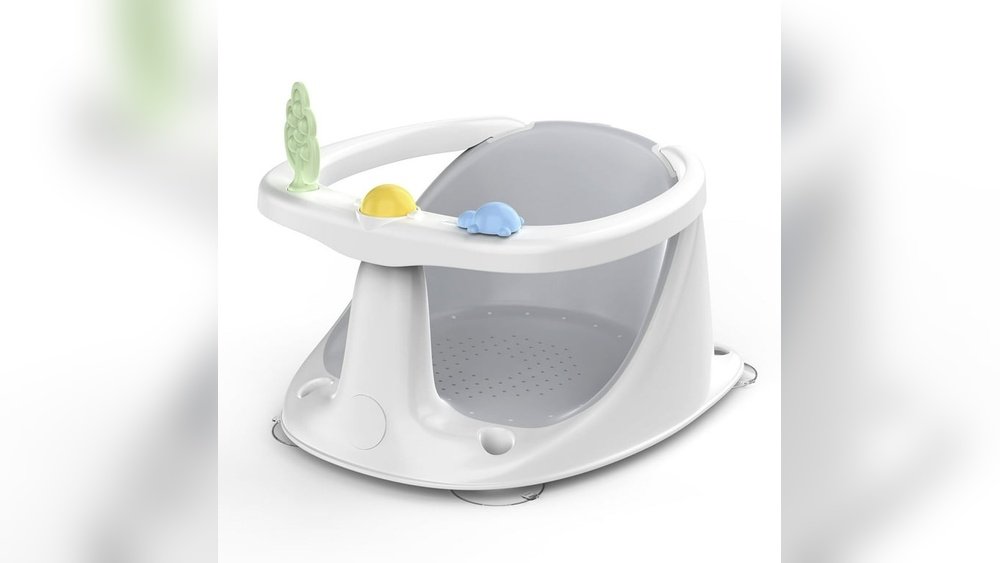
Non-slip bath mats add extra grip to slippery surfaces. Place mats inside and outside the tub for safety. Bath seats or supports help keep babies steady. Choose products made of soft, safe materials. Check regularly for wear and clean to avoid germs.
Choosing The Right Baby Bathtub
Choosing the right baby bathtub is key to keeping your baby safe during bath time. The right tub helps prevent slipping and makes bathing easier. Several important factors affect your choice. Focus on size, material, and cleaning ease. These aspects ensure comfort and safety for your baby.
Size And Comfort
The bathtub should fit your baby’s size well. Too big or too small tubs can be unsafe. A snug fit helps your baby feel secure. Look for tubs with molded seats or supports. These features hold your baby in place. Comfort is important to keep your baby calm and happy.
Material Safety
Choose tubs made from non-toxic, BPA-free materials. Soft plastic or silicone are gentle on baby’s skin. Avoid tubs with sharp edges or rough surfaces. These can cause irritation or cuts. Safe materials reduce the risk of allergies. They also ensure the tub lasts longer without damage.
Ease Of Cleaning
Bath time is messy, so easy cleaning matters. Smooth surfaces and simple shapes prevent dirt buildup. Some tubs come with drain plugs to remove water quickly. Avoid tubs with many crevices where mold can grow. Quick drying helps keep the tub hygienic. Clean tubs protect your baby from germs.
-c144fc.png&w=3840&q=75)
Credit: pathways.org
Frequently Asked Questions
Can Baby Bathtubs Reduce Slipping Risks?
Yes, baby bathtubs often have non-slip surfaces that help reduce slipping risks. They provide a stable space for babies during bath time, minimizing accidents and enhancing safety.
What Features Prevent Slipping In Baby Bathtubs?
Non-slip mats, textured surfaces, and contoured designs prevent slipping. These features keep babies securely in place and provide extra grip for caregivers during bathing.
Are All Baby Bathtubs Slip-resistant?
Not all baby bathtubs are slip-resistant. It’s important to check product descriptions and reviews to ensure the bathtub has safety features like non-slip materials.
How To Ensure Baby Bathtub Safety From Slipping?
Always supervise your baby during bath time and use bathtubs with non-slip features. Placing a non-slip mat underneath can also enhance stability and prevent accidents.
Conclusion
Baby bathtubs can help reduce slipping risks during bath time. Their design often includes non-slip surfaces and support features. These tubs provide a safer space for babies to sit and play. Still, adult supervision remains crucial to prevent accidents. Using a baby bathtub along with careful watch keeps bath time safer.
Choose tubs with good grips and soft materials for extra safety. Remember, no product replaces attentive care from parents or caregivers. Bathing your baby safely is always a shared effort.