When it comes to keeping your tools and equipment perfectly clean, you might wonder which method works best for you. Are chemical sterilizing solutions more effective, or do electric sterilizers offer a safer, faster option?
Choosing the right sterilization method can impact your health, your time, and even your budget. You’ll discover the key differences between these two popular options, helping you make a smart choice that fits your needs. Keep reading—what you learn here could change the way you think about sterilizing forever.

Chemical Sterilizing Solutions
Chemical sterilizing solutions kill germs and bacteria on tools and surfaces. They provide an alternative to electric sterilizers for many settings. These solutions use strong chemicals to destroy harmful microorganisms effectively.
Many professionals trust chemical sterilizers for their simplicity and portability. They can sterilize items that cannot withstand heat or electricity. Understanding how these solutions work helps choose the right sterilizing method.
Types Of Chemical Sterilizers
Common types include glutaraldehyde, hydrogen peroxide, and peracetic acid. Each has a unique way of killing bacteria and viruses. Some are liquids, while others come in wipes or sprays. The choice depends on the items to be sterilized and the needed speed.
How Chemical Sterilizers Work
Chemicals attack the cell walls of bacteria and viruses. They break down proteins and enzymes needed for survival. This process stops germs from growing or reproducing. The result is a clean, safe surface or tool.
Advantages Of Chemical Solutions
Chemical sterilizers work well at room temperature. They are useful for heat-sensitive instruments. These solutions often require less equipment than electric sterilizers. Portability makes them ideal for fieldwork and small clinics.
Limitations Of Chemical Sterilizers
Some chemicals need long contact times to work fully. They may leave residues that require rinsing. Certain chemicals can irritate skin or eyes if not handled carefully. Not all germs are killed by every chemical solution.

Electric Sterilizers
Electric sterilizers are popular tools for cleaning and disinfecting. They use electricity to kill germs on various items. These devices are common in homes and healthcare settings. They offer a fast and often convenient way to sterilize objects.
Common Electric Sterilizer Types
There are several types of electric sterilizers available. Steam sterilizers use hot steam to kill bacteria. UV sterilizers use ultraviolet light to disinfect surfaces. Dry heat sterilizers apply high temperatures without moisture. Each type suits different sterilizing needs.
Mechanism Behind Electric Sterilizers
Electric sterilizers work by applying heat or light energy. Steam sterilizers heat water to create steam. Steam penetrates items and destroys microbes. UV sterilizers emit light that damages germs’ DNA. Dry heat sterilizers use hot air to kill bacteria.
Benefits Of Using Electric Sterilizers
Electric sterilizers are fast and easy to use. They reduce the need for harmful chemicals. Many models have automatic timers and shut-off features. These devices can sterilize multiple items at once. They are effective at killing a wide range of germs.
Drawbacks Of Electric Sterilizers
Electric sterilizers can be expensive to buy. They require electricity to work, limiting portability. Some models need regular cleaning and maintenance. Not all materials are safe for electric sterilizing. Overheating may damage delicate items in some cases.
Comparing Effectiveness
Choosing between chemical sterilizing solutions and electric sterilizers depends on their effectiveness. Both methods aim to kill harmful germs and keep items safe. Understanding how fast they work, their safety, ease of use, and cost helps make the right choice.
Sterilization Speed
Chemical solutions usually take longer to sterilize. They need time to soak and kill germs thoroughly. Electric sterilizers work faster by using heat or steam. Many electric models finish sterilizing in less than 10 minutes. Speed matters when you need items ready quickly.
Safety Considerations
Chemical sterilizers use strong liquids that can irritate skin or eyes. Proper handling and ventilation are important. Electric sterilizers use heat or steam, which is safer for daily use. There is less risk of chemical exposure with electric options. Safety is key for home and medical environments.
Ease Of Use
Chemical sterilizing requires measuring liquids and soaking items correctly. It can be messy and needs careful disposal of chemicals. Electric sterilizers often have simple buttons and timers. They require less effort and clean up is easy. Ease of use saves time and reduces mistakes.
Cost Efficiency
Chemical solutions may seem cheaper at first. But costs add up as you buy more chemicals over time. Electric sterilizers have a higher initial price. They use electricity but need fewer supplies. Long-term, electric sterilizers often save money by reducing repeated purchases.
Environmental Impact
Environmental impact matters when choosing between chemical sterilizing solutions and electric sterilizers. Both methods affect the planet differently. Understanding these effects helps make better choices for health and nature.
Chemical Waste Concerns
Chemical sterilizing solutions create waste that can harm the environment. These chemicals often contain strong substances. When disposed of improperly, they pollute water and soil. This pollution affects plants, animals, and humans. Waste treatment is necessary but not always perfect. Chemicals may linger in ecosystems for a long time. Safe disposal adds to the cost and effort of using these solutions.
Energy Consumption Of Electric Sterilizers
Electric sterilizers use power to work. This energy usually comes from electricity generated by fossil fuels. Using electricity means a carbon footprint is created. The amount varies depending on the device and usage time. Some electric sterilizers are designed to be energy efficient. Using less power reduces environmental harm. Choosing models with good energy ratings can help save energy and reduce pollution.
Choosing The Right Sterilizer
Choosing the right sterilizer is important for safety and convenience. Different sterilizers work best for different needs. Chemical sterilizing solutions and electric sterilizers both have their benefits. Knowing what to consider helps in making the best choice.
Think about how often you need to sterilize items and what type of items they are. Some sterilizers are faster, while others are more gentle. Your daily routine and preferences matter a lot in this decision.
Factors To Consider
First, look at the type of items you want to sterilize. Small items like baby bottles need different care than larger tools. Size and material matter.
Next, consider time. Electric sterilizers usually work faster. Chemical solutions may take longer but can reach tight spots.
Also, check for safety. Some chemicals can irritate skin or cause allergies. Electric sterilizers use heat, which is often safer but uses electricity.
Cost is another factor. Chemicals need regular buying, while electric sterilizers are a one-time purchase but use power.
Recommendations For Different Needs
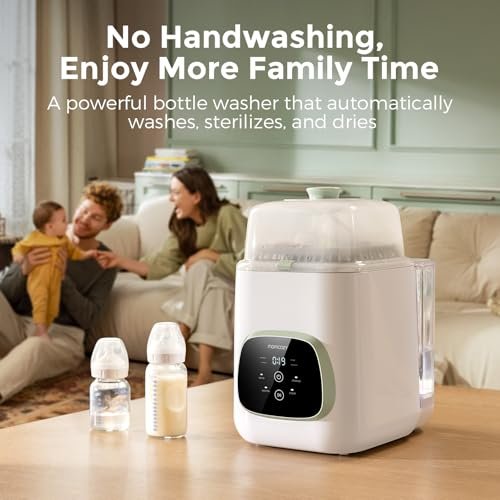
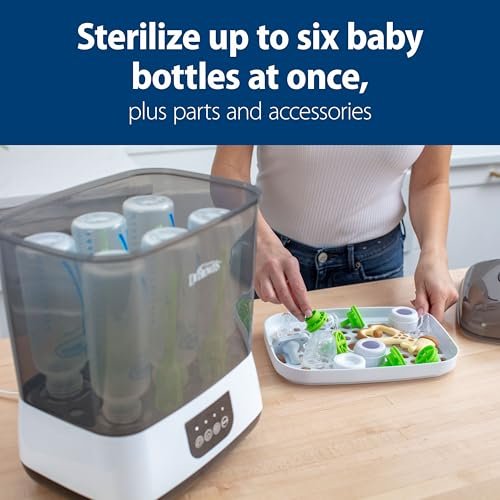
For parents with babies, electric sterilizers are quick and easy. They handle bottles and small toys well.
For travelers or those without steady power, chemical solutions are handy. They work anywhere and do not need electricity.
For medical or heavy use, electric sterilizers offer reliable, strong cleaning. They ensure germs are killed efficiently.
If you need a gentle option for delicate items, chemical sterilizing may be better. It avoids heat damage.

Frequently Asked Questions
What Are Chemical Sterilizing Solutions?
Chemical sterilizing solutions use disinfectants to kill microbes on instruments. They are liquid-based and work at room temperature, offering a non-heat sterilization option.
How Do Electric Sterilizers Work?
Electric sterilizers use high heat, often steam or dry heat, to destroy germs. They operate quickly and ensure thorough sterilization by reaching high temperatures.
Which Is Safer: Chemical Or Electric Sterilizers?
Electric sterilizers are generally safer due to consistent heat control. Chemicals may cause skin irritation or require careful handling and disposal procedures.
Are Chemical Sterilizers Effective For All Instruments?
Chemical sterilizers work well for heat-sensitive instruments but may not kill all spores. Effectiveness depends on solution type and exposure time.
Conclusion
Choosing between chemical sterilizing solutions and electric sterilizers depends on your needs. Chemical solutions work well for quick, portable use. Electric sterilizers offer consistent heat and often faster cycles. Both methods clean effectively when used right. Think about convenience, cost, and how often you sterilize.
Simple care and safety matter most. Your choice should fit your routine and comfort. Either way, keeping items clean protects health and peace of mind.