Choosing the right crib mattress is one of the most important decisions you’ll make for your baby’s comfort and safety. You want a mattress that feels cozy, supports healthy sleep, and keeps your little one safe all night long.
But with so many options out there, how do you pick the perfect one? This guide will walk you through everything you need to know to find the best crib mattress for your baby’s needs. Keep reading—you’ll feel confident making the right choice that gives your baby the best start every night.
Safety Standards To Look For
Choosing a crib mattress means focusing on safety first. Babies spend many hours sleeping. A safe mattress helps protect their health and comfort. Parents must know what safety rules and marks to check. These ensure the mattress meets strict quality tests. This section explains key safety standards to watch for.
Certifications That Matter
Certifications show a mattress passed safety and health tests. Look for labels like CertiPUR-US®. This means the foam is made without harmful chemicals. GREENGUARD Gold is another important mark. It means the mattress has low chemical emissions. Check for the Consumer Product Safety Commission (CPSC) compliance. It ensures the mattress meets federal safety rules. These certifications reduce risks of allergies and toxins.
Materials To Avoid
Avoid mattresses with harmful or low-quality materials. Stay away from foam with high levels of chemical odors. Stay clear of mattresses made with phthalates or lead. These substances can harm your baby’s health. Avoid mattress covers with vinyl or plastic materials. They can trap heat and cause discomfort. Choose natural or certified safe materials. They offer better breathability and safety for your child.

Choosing The Right Firmness
Choosing the right firmness for a crib mattress is very important for your baby’s safety and comfort. A mattress that is too soft can cause your baby to sink in too much. This raises the risk of suffocation or Sudden Infant Death Syndrome (SIDS). On the other hand, a mattress that is too hard might not give enough support for your baby’s body.
It is best to find a mattress that is firm enough to hold your baby safely. At the same time, it should feel comfortable for sleep. This helps your baby rest well and grow healthy.
Why Firmness Is Crucial
A firm mattress keeps your baby’s body stable while sleeping. It stops the head from sinking deeply into the mattress. This helps keep the airway clear and reduces breathing problems. Doctors and safety experts suggest using firm surfaces for infant sleep.
Soft mattresses increase the chance of suffocation. Babies cannot move easily if they sink into soft materials. Firmness also helps support the baby’s developing bones and spine. It encourages good posture and healthy growth. Choosing the right firmness is a simple step to protect your baby.
Testing Mattress Firmness
Test firmness by pressing your hand on the mattress surface. It should feel solid and not sink more than a little. Avoid mattresses that feel like cushions or memory foam for infants. These can be too soft for safe sleeping.
You can also check by gently pressing with your palm. The mattress should bounce back quickly. This shows it can support the baby’s weight well. Always test firmness before buying. This helps ensure you pick a safe and comfortable mattress for your baby.
Size And Fit Considerations
Choosing the right size and fit for a crib mattress is very important. A mattress that fits well keeps the baby safe and comfortable. Poor fit can cause gaps that pose risks. Knowing the exact size of your crib helps pick the right mattress. Always measure carefully before buying.
Measuring Your Crib
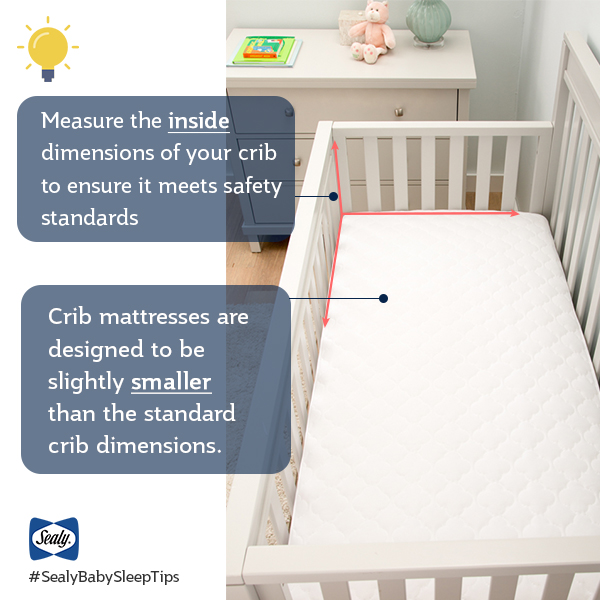
Start by measuring the inside of the crib. Use a tape measure to get the length and width. Measure from one inner side to the opposite side. Write down the exact numbers. Most cribs have standard sizes, but some differ. Measuring ensures you buy a mattress that fits perfectly. Avoid guessing the size.
Avoiding Gaps And Spaces
Gaps between the mattress and crib sides can trap the baby. This risk can lead to injury or suffocation. Check the mattress fits snugly inside the crib. The mattress should fill the space without gaps or squeezes. A good fit means no room for the baby to get stuck. Always test the mattress in the crib before use.
Types Of Crib Mattresses
Choosing the right crib mattress matters for your baby’s comfort and safety. Different types of crib mattresses offer various benefits. Understanding these types helps you pick the best one for your child.
Foam Mattresses
Foam mattresses are lightweight and easy to move. They provide good support and are usually affordable. Many foam options come with a waterproof cover. This makes cleaning simple and quick. Foam mattresses often have a firm surface, which is safe for babies.
Innerspring Mattresses
Innerspring mattresses have metal coils inside for extra support. They tend to be firmer than foam types. These mattresses offer good air circulation. This helps keep the mattress cool. They can be heavier but last a long time. Parents like innerspring mattresses for durability.
Organic And Natural Options
Organic mattresses use natural materials like cotton or wool. They avoid harmful chemicals often found in other mattresses. These options are great for sensitive skin and allergies. Organic mattresses are firm and safe for babies. They cost more but offer peace of mind.
Breathability And Temperature Control
Choosing a crib mattress with good breathability and temperature control is vital for your baby’s comfort. Babies cannot regulate their body temperature well. A mattress that stays cool and allows air to flow helps prevent overheating. It also reduces the risk of discomfort and restlessness during sleep.
Materials That Promote Airflow
Look for mattresses made with breathable materials. Natural fibers like organic cotton and wool allow air to pass through. They help keep the mattress dry and fresh. Some mattresses have a mesh or ventilated foam core. This design improves airflow inside the mattress. Avoid mattresses with dense, non-breathable materials. They trap heat and moisture, causing discomfort.
Maintaining Comfortable Sleep Temperature
A mattress with good temperature control keeps your baby cool in summer and warm in winter. Breathable fabrics wick away moisture and sweat. This keeps the skin dry and reduces overheating. Some mattresses include cooling gel layers or phase-change materials. These features help balance temperature throughout the night. Choose a mattress that fits well with breathable crib sheets too. Together, they create a cozy and safe sleep environment.
Ease Of Cleaning And Maintenance
Choosing a crib mattress that is easy to clean and maintain saves time and effort. Babies can make messes often, so quick cleanup is important. A mattress that resists stains and odors keeps the crib fresh. Parents can rest easier knowing the mattress stays hygienic.
Waterproof Covers
Waterproof covers protect the mattress from spills and accidents. They stop liquids from soaking into the mattress layers. This reduces the chance of mold and bacteria growth. Most waterproof covers are made from vinyl or TPU, which are safe and durable. A waterproof mattress cover makes cleaning faster and more effective.
Removable And Washable Covers
A removable cover allows easy washing in a machine. Parents can remove the cover and clean it regularly. This keeps the mattress smelling fresh and free from germs. Look for covers that are soft and gentle on baby’s skin. Machine washable covers help maintain a healthy sleep space for your child.
Budgeting For Quality
Choosing a crib mattress is an important step for your baby’s comfort and safety. Budgeting for quality helps you pick a mattress that meets safety standards without overspending. Finding the right balance between price and quality ensures a safe sleeping space for your little one.
Balancing Cost And Safety
Crib mattresses vary in price. Some are affordable but may lack durability. Others cost more but offer better materials and safety features. Prioritize mattresses that meet safety regulations. Avoid mattresses with harmful chemicals or weak construction. A safe mattress protects your baby from risks like suffocation and allergens.
Look for certifications such as CertiPUR-US or Greenguard Gold. These indicate low chemical emissions. A mattress that lasts longer can save money over time. Choose a firm mattress to reduce SIDS risk. Remember, saving a little now might cost more later.
When To Invest More
Invest more if your baby has allergies or sensitive skin. Organic or hypoallergenic mattresses may cost extra but provide peace of mind. Also, a waterproof or washable cover adds value. This helps keep the mattress clean and extends its life.
If you plan to use the mattress for multiple children, a higher-quality option pays off. Durable materials resist wear and tear. Spending more upfront can mean fewer replacements. This saves money and hassle in the long run.
Signs To Replace A Crib Mattress
Knowing when to replace a crib mattress is important for your baby’s comfort and safety. Over time, mattresses can wear out or become unsafe. Recognizing the signs helps keep your baby healthy and happy.
Wear And Tear Indicators
Look for visible damage like rips, tears, or holes. These can trap dirt and germs. Check if the mattress feels lumpy or misshapen. A mattress that no longer holds its shape can cause discomfort. Stains or odors may show it is old or dirty. These signs mean it’s time for a new mattress.
When To Upgrade For Safety
Replace the mattress if it no longer fits snugly in the crib. Gaps can cause safety hazards. Use a firm mattress to reduce the risk of suffocation. If the mattress is soft or sagging, it may not support your baby properly. Also, change the mattress if it is older than five years. Safety standards improve over time, so newer mattresses are safer.
Frequently Asked Questions
What Size Crib Mattress Fits Standard Cribs?
A standard crib mattress measures 28 x 52 inches. Always check your crib’s dimensions before buying. A snug fit ensures baby safety and comfort.
How Firm Should A Crib Mattress Be?
Choose a firm mattress to reduce suffocation risk. Soft mattresses increase SIDS risk. Firmness supports baby’s growing bones properly.
Are Organic Crib Mattresses Better For Babies?
Organic mattresses use natural materials and fewer chemicals. They reduce allergies and exposure to toxins. However, ensure they meet safety standards.
How Often Should You Replace A Crib Mattress?
Replace the mattress every 3-5 years or if damaged. Worn mattresses lose support and hygiene. Regular replacement maintains safety and comfort.
Conclusion
Choosing the right crib mattress keeps your baby safe and comfortable. Focus on firmness, size, and material quality. Check for certifications and easy cleaning features. Trust your instincts and take your time deciding. A good mattress helps your baby sleep better.
Happy parents, happy babies. Simple steps lead to smart choices. Your baby deserves the best rest.