Welcoming a newborn into your life is a beautiful experience, but it also comes with many questions—especially when it comes to bath time. You might wonder how to keep your baby safe, comfortable, and happy during their first baths.
Your newborn bath routine doesn’t have to be stressful or complicated. With the right steps, you can turn bath time into a soothing, bonding moment for both you and your baby. Keep reading to discover simple tips and tricks that will make your baby’s bath time safe, easy, and enjoyable every single time.
Preparing The Bath Area
Preparing the bath area is the first step to a smooth newborn bath. It helps keep your baby safe and comfortable. Organizing the space before starting saves time and reduces stress.
Prepare everything you need. Keep your baby warm and close. A calm environment helps your baby enjoy the bath more.
Choosing The Right Location
Select a quiet, warm spot for the bath. Avoid places with drafts or strong air flow. A small bathroom or kitchen sink works well. Make sure the surface is flat and stable.
Use a baby bath tub or a clean sink. These options help support your baby safely. Clear the area of any sharp or hard items.
Gathering Bath Supplies
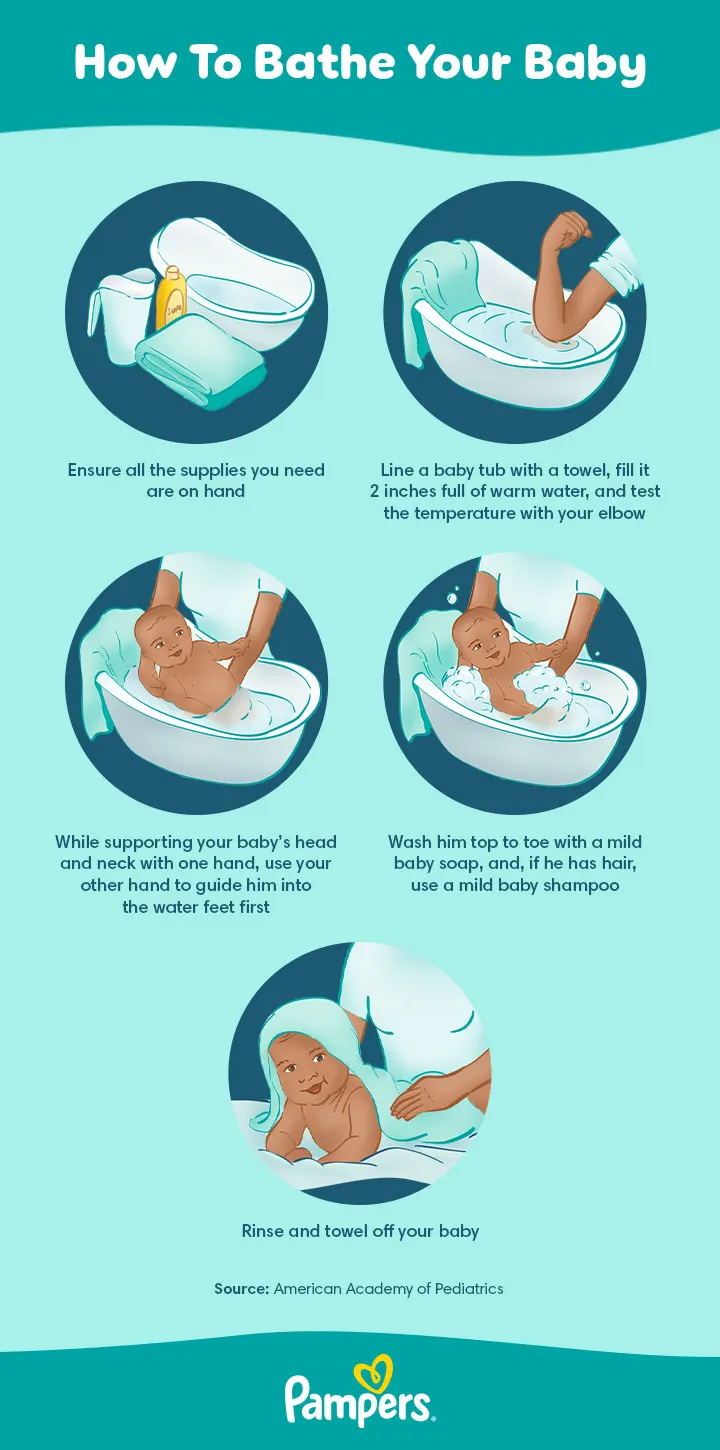
Collect all supplies before you start. This includes a baby tub, soft washcloths, and mild soap. Have a towel ready for drying your baby.
Keep fresh clothes and diapers nearby. Use only products made for newborn skin. Avoid anything with strong scents or harsh chemicals.
Setting The Ideal Temperature
Check the water temperature carefully. Use your wrist or elbow to test it. The water should feel warm, not hot.
Keep the water around 37°C (98.6°F). Too hot water can burn your baby’s skin. Too cold water will make your baby uncomfortable.
Bathing Techniques For Newborns
Bathing a newborn is a special moment that requires care and attention. Using the right techniques makes the experience safe and comfortable for your baby. These steps help keep your newborn clean and calm during bath time.
Supporting Your Baby Safely
Hold your baby with one hand under the head and neck. Use the other hand to support the body and keep the baby steady. Keep your grip firm but gentle. Always keep your baby’s head above water. Never leave your baby alone in the bath.
Gentle Washing Steps
Use a soft cloth or sponge to wash your baby. Start with the cleanest areas first, like the face and neck. Use mild, fragrance-free baby soap sparingly. Rinse the cloth often to remove dirt and soap. Avoid scrubbing; gentle strokes are best.
Cleaning Delicate Areas
Focus on creases in the neck, behind ears, and under arms. Clean around the diaper area carefully to avoid irritation. Use a clean part of the cloth for each area. Pat these areas dry after washing to prevent moisture build-up.
Safety Precautions
Bath time is a special moment for you and your newborn. Safety must be the top priority. Taking simple steps keeps your baby safe and happy. Below are important safety tips for your baby’s bath routine.
Preventing Slips And Falls
Place a non-slip mat in the bathtub or sink. Hold your baby firmly at all times. Never leave your baby alone in the bath. Keep all bath supplies within reach. Wet surfaces can be very slippery. Stay focused and avoid distractions.
Avoiding Water-related Risks
Use lukewarm water, about 37°C (98.6°F). Check water temperature with your wrist or elbow. Fill the tub with only a few inches of water. Keep your baby’s head above water. Avoid using deep tubs for newborns. Always drain the tub immediately after the bath.
Monitoring Baby’s Comfort
Watch your baby for signs of discomfort or cold. Speak softly and smile to keep your baby calm. Dry your baby quickly after the bath. Dress your baby warmly to prevent chills. Make bath time gentle and soothing for your newborn.

Soothing Tips During Bath Time
Bath time can be a special moment for both you and your newborn. It helps your baby feel safe and relaxed. Gentle soothing during the bath makes the experience calm and joyful. Small actions can create a big difference. Here are some simple tips to keep your baby happy during bath time.
Using Calm Music Or Sounds
Soft music or gentle sounds help your baby stay calm. Play lullabies or nature sounds quietly nearby. This creates a peaceful environment. The steady rhythm can slow your baby’s breathing and heartbeat. Avoid loud or sudden noises. Keep the volume low for a soothing effect.
Maintaining Eye Contact And Talking
Look into your baby’s eyes as you bathe them. This builds trust and comfort. Speak softly and smile. Use gentle words or sing softly. Your voice reassures your baby. Eye contact helps your baby feel connected and safe. It strengthens your bond during this quiet time.
Incorporating Soft Touches
Use gentle, slow strokes on your baby’s skin. Soft touches calm and relax your baby. Use your fingertips to massage their arms, legs, and back. Avoid quick or rough movements. Warm water and soft touch together soothe your baby’s nerves. This creates a loving and peaceful bath time.
Post-bath Care
After your newborn’s bath, the care routine continues with gentle steps. These help keep your baby warm, comfortable, and healthy. Post-bath care is crucial for protecting delicate skin and preventing chills. Each action matters in creating a calm and soothing experience for your little one.
Drying And Wrapping Your Baby
Use a soft towel to pat your baby dry. Avoid rubbing, which can irritate the skin. Pay special attention to skin folds, such as neck, behind ears, and under arms. Wrap your baby snugly in a warm towel or blanket. This keeps the baby cozy and helps stop heat loss.
Applying Moisturizers
Choose a gentle, fragrance-free moisturizer for your baby’s skin. Apply it while the skin is still slightly damp. This locks in moisture and prevents dryness. Use only a small amount and spread it evenly. Avoid lotions with harsh chemicals or dyes.
Dressing For Comfort
Dress your baby in soft, breathable clothes. Cotton is a great choice for sensitive skin. Avoid tight or rough fabrics that may irritate. Choose layers to adjust the baby’s temperature easily. Keep the clothes loose enough for free movement but snug enough for warmth.
Frequency And Timing Of Baths
Bathing a newborn requires careful attention to how often and when you bathe your baby. Newborn skin is delicate and needs gentle care. Too much bathing can dry out the skin. Too little might cause discomfort. Finding the right balance is important for your baby’s health and comfort.
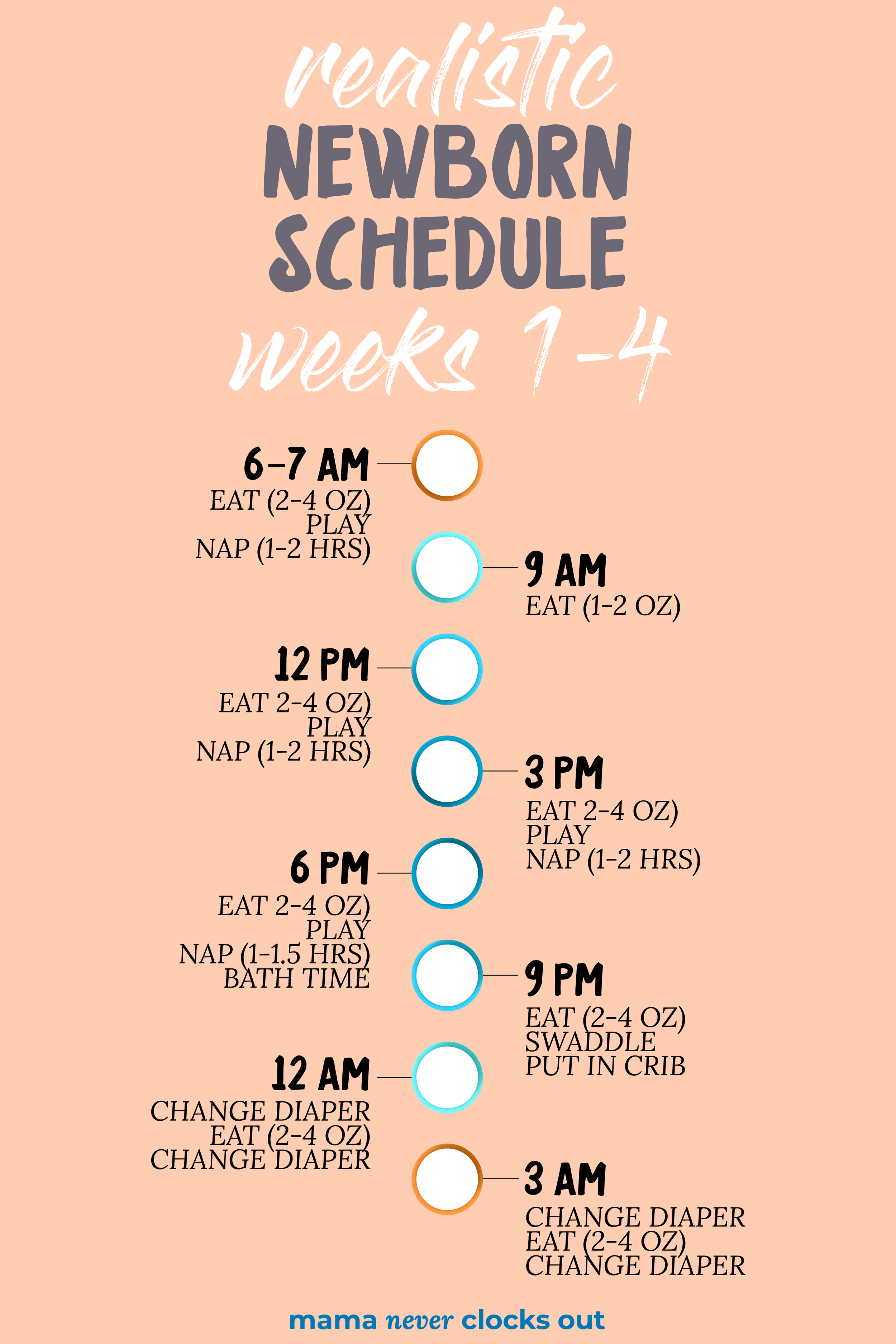
Recommended Bathing Schedule
For the first few weeks, sponge baths are best until the umbilical cord falls off. After that, bathing two to three times a week is enough. Daily baths are not necessary. Keep baths short, around 5 to 10 minutes. Use warm water, not hot.
Adjusting Based On Baby’s Skin
Some babies have dry or sensitive skin. If your baby’s skin looks red or flaky, reduce bath frequency. Use mild, fragrance-free baby soap. Moisturize after the bath to keep skin soft. Watch how your baby’s skin reacts and adjust the routine.
Recognizing Signs Of Overbathing
Dry, itchy, or cracked skin can mean too many baths. Babies may become fussy or uncomfortable. Red patches or rashes may also appear. If you notice these signs, cut back on baths. Focus on gentle cleaning of the face, neck, and diaper area between baths.
Frequently Asked Questions
How Often Should I Bathe My Newborn Baby?
Newborns only need baths 2-3 times a week to keep their skin healthy. Daily baths can dry out their delicate skin. Use a soft washcloth and mild baby soap for gentle cleaning between baths.
What Is The Best Water Temperature For Newborn Baths?
The ideal water temperature for newborn baths is around 98-100°F (37-38°C). Always test the water with your wrist or elbow before placing your baby in the bath. This ensures the water is warm but not too hot to avoid burns.
When Is The Best Time For A Newborn’s Bath?
Bath time is best scheduled when your baby is calm and awake, usually after a feeding. Avoid bathing immediately after feeding to prevent discomfort. A consistent routine helps your baby feel secure during bath time.
What Bath Products Are Safe For Newborns?
Use mild, fragrance-free, and hypoallergenic baby soaps and shampoos. Avoid products with harsh chemicals or artificial fragrances. Always check labels to ensure the products are specifically designed for newborn sensitive skin.
Conclusion
A gentle bath helps your newborn feel calm and clean. Keep water warm, not hot, for safety. Use mild soap and soft cloths to protect delicate skin. Bath time can build a loving bond with your baby. Stay calm and enjoy these quiet moments together.
Regular baths keep your baby healthy and happy. Trust your instincts and adjust the routine as needed. Every baby is unique, so find what works best. Simple steps make bath time safe and pleasant for both.


