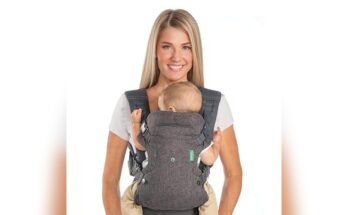
Wearing a baby carrier might seem simple, but doing it the right way makes all the difference for your comfort and your baby’s safety. If you’ve ever felt unsure about how tight it should be or where your baby’s legs should go, you’re not alone.
Getting it right means less strain on your back, a happier baby, and more freedom to move around. Keep reading, and you’ll discover easy tips that make wearing your baby carrier feel natural and safe every time.
Credit: www.drlaurenlove.com
Choosing The Right Carrier
Choosing the right baby carrier is important for both comfort and safety. The right carrier makes carrying your baby easier and more enjoyable. It also helps support your baby’s body properly. Many options exist, so learn what fits your needs best.
Types Of Baby Carriers
Baby carriers come in many styles. Wraps are long pieces of fabric you tie around your body. They offer a snug fit and good support. Soft-structured carriers have buckles and padded straps. They are easy to put on and adjust. Ring slings use a ring to fasten the fabric. They are quick to wear and great for short trips. Each type has unique features. Pick one that suits your daily activities and comfort.
Material And Design Considerations
Choose a carrier made from soft, breathable fabric. Cotton and linen are good choices. They keep you and your baby cool. Look for carriers with padded straps to reduce pressure on your shoulders. A wide waistband helps spread weight evenly. Check if the design allows easy adjustment. This helps fit different body shapes. Also, consider carriers that are easy to clean. Babies can be messy, so machine-washable fabric is useful.
Age And Weight Compatibility
Each carrier supports different baby ages and weights. Some work well for newborns and small babies. Others are better for toddlers. Check the carrier’s weight limit before buying. Using the right size ensures safety and comfort. Newborn carriers usually have extra head and neck support. Older babies may need carriers with more room and strong straps. Always follow the manufacturer’s guidelines for age and weight.

Credit: sheenslings.com
Preparing For Use
Preparing your baby carrier before use is very important. It helps keep your baby safe and makes carrying easier. Taking time to adjust everything right makes the experience more comfortable for both of you. This section covers the key steps to get your carrier ready.
Adjusting Straps And Buckles
Start by loosening all straps and unbuckling the carrier. Put the carrier on your body first. Adjust the shoulder straps to fit snugly but not tight. Buckle all clips securely. Make sure the waist strap sits firmly on your hips. Check that the straps do not twist or bunch up.
Ensuring Safety Features
Look over the carrier carefully for safety parts. Check the buckles lock firmly. Test the seams for strong stitching. Make sure the fabric is clean and free of tears. Confirm the carrier supports your baby’s head and neck well. Never use a carrier with broken or weak parts.
Dressing For Comfort
Wear soft, breathable clothes under the carrier. Avoid thick jackets or bulky layers. Dress your baby in light, comfortable clothing. Use a hat or blanket if the weather is cold. Make sure neither you nor your baby feels too hot or cold. Comfort helps both of you enjoy the time together.
Positioning Your Baby
Positioning your baby correctly in a carrier is very important. It keeps your baby safe and comfortable. Proper positioning also helps you carry your baby without pain. This section explains how to place your baby right in the carrier.
Optimal Carrying Positions
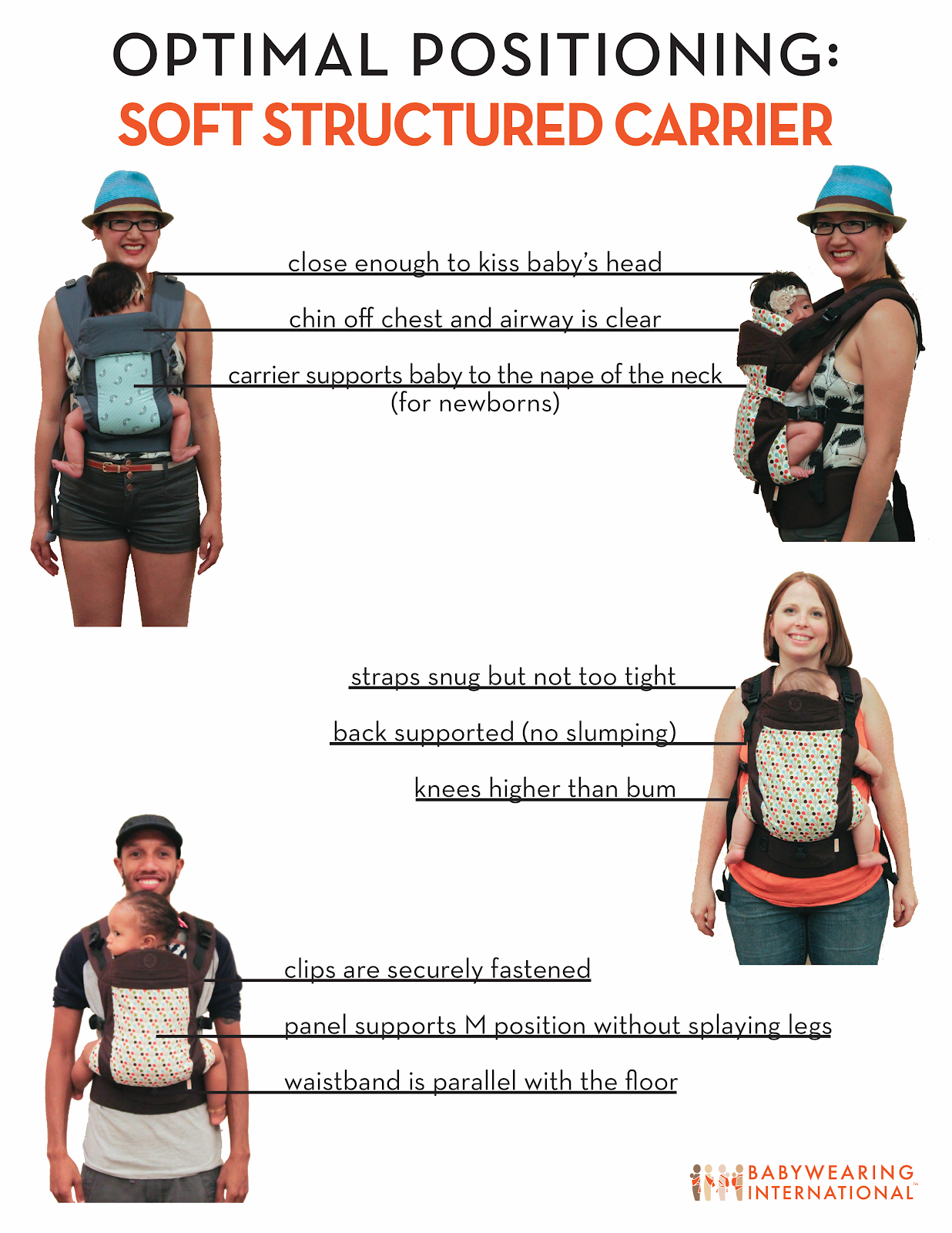
Choose a position that supports your baby’s size and age. For newborns, the inward-facing position works best. This keeps your baby close and secure. Older babies enjoy facing outward to see the world. Hip-carry and back-carry positions suit bigger babies. Always check if your baby feels comfortable and stable.
Supporting Baby’s Head And Neck
A baby’s head and neck need strong support. Newborns cannot hold their heads up yet. Use the carrier’s neck support or a rolled cloth. Make sure the baby’s head stays close to your chest. This keeps the airway open and safe. Avoid letting the head flop backward or sideways.
Maintaining Hip Health
Healthy hips need the right leg position. The “M” shape is best for hip development. Baby’s knees should be higher than their bottom. Legs spread apart and bent at the knees. Avoid letting legs hang straight down. This helps prevent hip dysplasia and supports growth.
Wearing The Carrier Properly
Wearing a baby carrier properly is very important for safety and comfort. It helps protect your baby and makes carrying easier. Using the carrier the right way also prevents back pain and discomfort for you. This section guides you through wearing your carrier correctly.
Step-by-step Wearing Instructions
First, loosen all straps before placing the carrier on your body. Hold your baby against your chest and secure them with one hand. Pull the carrier up over your baby, supporting their back and head. Tighten the straps slowly to fit snugly but comfortably. Make sure your baby’s legs are in a natural “M” shape. Adjust the carrier to keep your baby close and high enough to kiss.
Common Mistakes To Avoid
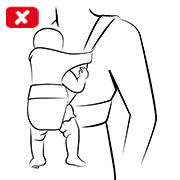
Do not wear the carrier too loose or too tight. Avoid placing your baby too low on your body. Never cover your baby’s face or nose with fabric. Do not let your baby’s chin rest on their chest. Avoid using carriers not designed for your baby’s weight. Skip using the carrier if any strap or buckle is broken.
Checking For Comfort And Security
Check that your baby’s airway is clear at all times. Feel the carrier’s straps to ensure they are tight but not painful. Watch your baby’s position often to keep them safe. Make sure you can easily move and bend without strain. Check your baby’s skin for signs of discomfort or pressure. Stop using the carrier if your baby seems unhappy or uneasy.
Maintaining Comfort For You And Baby
Wearing a baby carrier can be a joyful experience for both you and your baby. Comfort plays a key role in making that experience pleasant. Proper fit and care help avoid discomfort and keep your baby safe. Simple adjustments can make a big difference during long use. Understanding how to manage heat and avoid strain supports both your well-being and your baby’s.
Adjusting For Long Wear
Check all straps before putting on the carrier. Tighten or loosen them to find a secure fit. Change the position of the baby often to reduce pressure points. Use carriers with padded shoulder straps to spread weight evenly. Take short breaks to stretch your back and shoulders.
Managing Temperature And Breathability
Choose carriers made from breathable materials like cotton or mesh. Dress your baby in light clothes on warm days. Keep an eye on your baby’s skin for signs of overheating. Use a light blanket or cover to shield from wind or sun. Avoid heavy layers that trap heat inside the carrier.
Preventing Strain And Fatigue
Keep your baby close to your center of gravity. This reduces back and shoulder strain. Switch sides regularly to balance muscle use. Use waist belts to help carry the baby’s weight. Stand tall with good posture to avoid fatigue. Stop and rest if you feel tired or sore.
Cleaning And Care Tips
Cleaning and caring for your baby carrier keeps it safe and comfortable. It also helps the carrier last longer. Regular care stops dirt and germs from building up. This section shares simple steps for washing, storing, and checking your carrier.
Washing Instructions
Always read the carrier’s label before washing. Use cold or warm water for cleaning. Choose mild detergent without bleach or fabric softeners. Hand wash or use a gentle machine cycle to protect fabric. Rinse well to remove all soap. Let the carrier air dry. Avoid using a dryer to keep fabric strong.
Storage Recommendations
Store the carrier in a clean, dry place. Keep it away from direct sunlight to stop fading. Fold the carrier neatly without pressing straps tightly. Avoid placing heavy items on top to keep shape intact. Use a breathable bag for longer storage. This prevents dust and moisture buildup.
Inspecting For Wear And Tear
Check your carrier regularly for damage. Look for loose threads, tears, or holes in the fabric. Test the buckles and straps to ensure they work well. Replace or repair any broken parts before use. Safety depends on a carrier in good condition. This helps protect both you and your baby.
Credit: raisingchildren.net.au
Frequently Asked Questions
How Do I Position My Baby Safely In A Carrier?
Place your baby facing inward with their head close enough to kiss. Support their neck, back, and hips properly. Ensure the carrier fits snugly without restricting movement or airflow.
What Are The Key Steps To Adjust A Baby Carrier?
Adjust shoulder straps and waistbands for comfort and support. Ensure the baby is secure and centered. Check that the carrier holds the baby close to your body without gaps.
Can I Use A Baby Carrier For Newborns?
Yes, use carriers designed for newborns with proper head and neck support. Some carriers require inserts for newborns. Always follow manufacturer guidelines for safe newborn use.
How Do I Check If The Baby Carrier Fits Well?
The carrier should feel snug but comfortable. Your baby’s airways must remain clear. You should be able to hold the baby close without strain.
Conclusion
Wearing a baby carrier correctly keeps your child safe and comfortable. Check all straps and buckles before use. Keep your baby close and supported at all times. Adjust the carrier as your baby grows and moves. Practice wearing it a few times to feel confident.
Enjoy the freedom of hands while keeping your baby near. A good fit means happier baby and parent. Remember, safety and comfort come first. Keep these tips in mind for a great babywearing experience.